

In today’s rapidly evolving digital landscape, social media marketing has emerged as a vital strategy for businesses seeking to connect with their target audience.
However, as social media platforms become increasingly saturated with content, it has become challenging for brands to stand out and engage effectively.
This is where the power of personalization comes into play.
By harnessing the vast amounts of data available and tailoring experiences to individual users, businesses can create impactful social media marketing campaigns that drive engagement, loyalty, and conversions.
And in this article, I am going to show you how you can do that. So, are you ready to begin? If so, let’s dive in…
1. Understanding The Audience

To effectively leverage the power of personalization, businesses must start by gaining a deep understanding of their target audience.
This understanding goes beyond general demographic information and dives into the specific characteristics, preferences, and behaviors that shape their audience’s decision-making process.
- Audience Segmentation: Audience segmentation is the process of dividing a target market into distinct groups based on shared characteristics, interests, and behaviors. It allows businesses to tailor their marketing efforts to each segment, ensuring that the content and messaging resonate with their specific needs.
There are various ways to segment an audience, including demographic segmentation (age, gender, location), psychographic segmentation (lifestyle, values, interests), and behavioral segmentation (purchase history, online behavior).
By combining these segmentation approaches, businesses can create comprehensive audience profiles that paint a vivid picture of their target customers.
- Data Collection and Analysis: To gain valuable insights into their audience, businesses need to collect and analyze relevant data. There are multiple methods for gathering data, including:
- Surveys and Feedback: Conduct surveys and feedback forms to directly ask customers about their preferences, interests, and pain points.
- Social Listening: Monitoring social media platforms and online communities to understand customer conversations, sentiments, and trends related to the brand or industry.
- Website Analytics: Utilizing tools like Google Analytics to track website visitors, their behavior, and engagement metrics, such as page views, bounce rates, and time spent on site.
- Customer Relationship Management (CRM) Data: Leveraging data stored in CRM systems to track customer interactions, purchase history, and preferences.
- Third-Party Data: Acquiring data from external sources, such as data providers, to enrich audience profiles and gain additional insights.
Once the data is collected, it needs to be carefully analyzed to extract meaningful patterns and insights.
Advanced analytics tools and techniques, such as data mining, machine learning, and predictive modeling, can help uncover valuable audience insights that might not be apparent at first glance.
This analysis process allows businesses to identify common characteristics, preferences, and behaviors among different audience segments.
- Social Listening and Monitoring: Social listening refers to the practice of monitoring social media platforms, online forums, blogs, and other digital channels for mentions, discussions, and sentiment related to a brand or industry. It provides businesses with real-time insights into what customers are saying about their products, services, or competitors.
By actively listening to customer conversations, brands can identify emerging trends, concerns, and opportunities.
They can gain a deeper understanding of customer needs and pain points, which can inform content creation, product development, and overall marketing strategies.
Social listening also enables businesses to engage in meaningful conversations with their audience, building brand loyalty and trust.
By effectively understanding their audience through segmentation, data collection, and social listening, businesses can lay the foundation for creating personalized experiences that resonate with individual users.
This deep understanding allows brands to craft tailored messages, create targeted content, and deliver relevant offers that drive engagement and ultimately lead to higher conversions.
2. Personalized Content Creation
Once businesses have gained a deep understanding of their audience through segmentation and data analysis, they can focus on creating personalized content that resonates with individual users.
Personalized content goes beyond generic mass messaging and takes into account the specific needs, preferences, and behaviors of each segment of the audience. Here are some key aspects of personalized content creation:
Tailored Messaging
Personalized content starts with crafting messages that speak directly to the interests, pain points, and aspirations of the target audience segments.
This involves using language, tone, and style that align with their preferences.
By addressing specific concerns or desires, businesses can create an immediate connection with users, capturing their attention and encouraging them to engage further.
Targeted Ads
Personalized advertising allows businesses to deliver relevant ads to specific audience segments based on their demographics, interests, and behaviors.
Platforms like Facebook, Instagram, and LinkedIn offer advanced targeting options that enable businesses to reach their desired audience with precision.
By delivering ads that align with the user’s interests and needs, businesses can increase the chances of engagement and conversions.
Customized Messages
Personalized messaging involves tailoring communications based on a user’s previous interactions, behavior, or preferences.
For example, sending personalized email newsletters with product recommendations based on a customer’s purchase history, or providing targeted push notifications with exclusive offers based on a user’s browsing behavior.
These personalized messages make users feel valued and understood, enhancing their overall experience with the brand.
Tailored Recommendation
Leveraging data and algorithms, businesses can provide personalized product recommendations to users based on their browsing history, purchase behavior, or similar user profiles. This can be implemented on e-commerce websites, streaming platforms, or content recommendation engines.
By presenting users with products or content that align with their preferences, businesses can increase engagement and drive conversions.
Dynamic Content
Dynamic content refers to website or app content that changes based on user preferences or behaviors.
For example, an e-commerce website might display different product categories or offers based on a user’s past purchases or browsing history.
Dynamic content allows businesses to create personalized experiences in real-time, ensuring that users are presented with relevant information that meets their specific needs.
User-Generated Content (UGC)
Incorporating user-generated content into marketing strategies can add a personal touch and foster a sense of community.
Encouraging users to share their experiences, stories, or content related to the brand can create a genuine connection.
Reposting or featuring user-generated content not only strengthens the relationship between the brand and its customers but also serves as social proof, influencing others to engage with the brand.
By implementing personalized content strategies, businesses can create meaningful experiences that resonate with individual users. The goal is to deliver the right message to the right person at the right time, fostering engagement, loyalty, and ultimately driving conversions.
3. Leveraging Data for Personalization

To effectively implement personalization strategies, businesses must leverage the vast amount of data available to them.
Data serves as the foundation for understanding individual users and tailoring experiences to their specific needs. Here are key aspects of leveraging data for personalization:
Data Sources
Businesses can tap into various data sources to gather valuable insights about their audience. These sources include:
- First-Party Data: This is the data collected directly from users through interactions with the brand’s website, app, social media platforms, or offline channels. It can include customer demographics, browsing behavior, purchase history, preferences, and engagement metrics. First-party data is highly valuable as it provides a direct understanding of the brand’s own audience.
- Second-Party Data: Second-party data refers to data shared or obtained directly from trusted partners, such as other businesses or organizations with complementary customer bases. It allows businesses to gain additional insights into their target audience by leveraging the partner’s data resources.
- Third-Party Data: Third-party data is acquired from external sources, such as data providers, that aggregate and provide data from various reliable sources. This data can offer a broader perspective on consumer behaviors, interests, and demographics. Third-party data can enrich audience profiles and provide a more comprehensive view of the target audience.
Data Analysis and Segmentation
Once the data is collected, businesses need to analyze and segment it to uncover meaningful patterns and insights.
Advanced analytics tools and techniques, such as machine learning algorithms and predictive modeling, can help extract valuable information from the data. This analysis allows businesses to identify common characteristics, preferences, and behaviors among different audience segments.
Segmentation plays a crucial role in personalization, as it enables businesses to tailor their marketing efforts to each specific group.
By grouping users with similar attributes together, businesses can create targeted messaging, personalized recommendations, and customized experiences that resonate with each segment’s unique needs and preferences.
Personalization Technologies
Technology plays a vital role in implementing personalization strategies efficiently. Customer Relationship Management (CRM) systems, marketing automation tools, and personalization platforms are essential for collecting, organizing, and deploying personalized experiences.
CRM systems help businesses centralize customer data and provide a holistic view of the customer journey. They allow businesses to track customer interactions, store preferences, and segment the audience for personalized marketing initiatives.
Marketing automation tools enable businesses to automate and scale personalization efforts. By utilizing automation workflows, businesses can deliver personalized messages, recommendations, and offers based on predefined triggers or user behavior.
Personalization platforms provide advanced capabilities for implementing personalization across various channels, such as websites, mobile apps, email, and social media.
These platforms leverage data and algorithms to deliver personalized experiences in real-time, ensuring that users receive relevant content and recommendations.
Privacy and Data Security
As businesses collect and leverage user data for personalization, it is crucial to prioritize privacy and data security.
Complying with data protection regulations, such as the General Data Protection Regulation (GDPR) or the California Consumer Privacy Act (CCPA), is essential.
Businesses should be transparent about the data they collect, how it is used, and provide users with control over their data through privacy settings and consent mechanisms.
Data security measures, such as encryption, secure data storage, and access controls, should also be implemented to protect user information.
By effectively leveraging data, businesses can create personalized experiences that cater to individual users’ preferences and needs.
Through advanced analytics, segmentation, and the use of personalization technologies, businesses can deliver targeted content, recommendations, and messaging that engage users and drive desired actions.
4. Implementing Personalization Strategies
Implementing personalization strategies requires a thoughtful and systematic approach. Businesses must leverage their understanding of the audience and the data they have collected to create personalized experiences that engage and resonate with individual users.
Here are key aspects of implementing personalization strategies…
Data Management and Integration
Effective personalization relies on robust data management practices.
Businesses need to ensure that data is collected, stored, and organized in a way that enables easy access and analysis.
This involves integrating various data sources, such as CRM systems, marketing automation tools, and third-party data, into a unified view of the customer.
Data integration allows businesses to create comprehensive audience profiles that capture user preferences, behaviors, and interactions across multiple touchpoints.
By centralizing data, businesses can gain a holistic understanding of their audience and deliver consistent personalized experiences.
Personalization at Scale
To implement personalization strategies at scale, businesses need to leverage technology solutions that automate and streamline the personalization process.
Marketing automation tools and personalization platforms enable businesses to deliver tailored content, recommendations, and messaging to individual users across various channels.
Automation workflows can be set up to trigger personalized messages and offers based on user behavior or predefined rules.
Personalization platforms use algorithms and real-time data to dynamically adjust content and recommendations based on user preferences, ensuring that each interaction is relevant and engaging.
Dynamic Content Delivery
Dynamic content refers to the ability to modify website or app content based on user data or behavior.
By leveraging dynamic content delivery, businesses can present users with personalized experiences in real-time.
For example, an e-commerce website can display product recommendations based on the user’s browsing history or show personalized offers based on their previous purchases.
Dynamic content delivery requires the integration of personalization technologies with content management systems (CMS) or e-commerce platforms.
This allows businesses to deliver personalized content and experiences seamlessly across different digital channels.
Real-Time Behavioral Triggers
One effective way to personalize experiences is by leveraging real-time behavioral triggers. These triggers are based on specific actions or events that users take during their interactions with the brand.
For example, a user adding items to their shopping cart but not completing the purchase can trigger an automated email with a personalized discount offer.
By identifying and responding to these behavioral triggers in real-time, businesses can deliver timely and relevant messages, offers, or recommendations that encourage users to take the desired action.
Testing and Optimization
Continuous testing and optimization are essential to ensure that personalization efforts are effective and driving the desired outcomes. A/B testing allows businesses to compare different variations of personalized content, messaging, or offers to determine which performs best.
By testing and analyzing the results, businesses can refine their personalization strategies, optimize content and recommendations, and uncover insights about their audience’s preferences and behaviors.
This iterative approach helps businesses improve the effectiveness of their personalization efforts over time.
Implementing personalization strategies requires a combination of data management, technology integration, and iterative testing.
By adopting a systematic approach and leveraging the power of automation and real-time triggers, businesses can deliver personalized experiences at scale, fostering engagement and driving conversions.
5. Measuring The Success Of Personalized Campaigns
To assess the effectiveness of personalized campaigns and understand their impact on marketing performance, businesses need to establish relevant metrics and measurement frameworks.
Here are key aspects of measuring the success of personalized campaigns:
Define Key Performance Indicators (KPIs)
Start by identifying the KPIs that align with your campaign objectives. These KPIs should be specific, measurable, and relevant to the goals of personalization.
Common KPIs for personalized campaigns include:
- Conversion Rate: Measure the percentage of users who take a desired action, such as making a purchase, signing up for a newsletter, or downloading a resource.
- Click-through Rate (CTR): Assess the percentage of users who click on personalized content, offers, or recommendations.
- Engagement Metrics: Track metrics like time spent on the page, number of pages visited, or social media interactions to gauge the level of user engagement.
- Return on Investment (ROI): Evaluate the financial impact of personalized campaigns by measuring the revenue generated or cost savings achieved.
Establish Control Groups
To gauge the true impact of personalization, it is important to establish control groups. These are segments of the audience that do not receive personalized experiences and serve as a baseline for comparison.
By comparing the performance of the control group with the personalized group, you can determine the incremental lift or impact of personalization on key metrics.
- A/B Testing and Experimentation: A/B testing is a valuable technique for measuring the effectiveness of personalized campaigns. By creating variations of personalized content, offers, or recommendations and randomly assigning them to different user segments, businesses can compare performance and determine which personalization strategies yield the best results.
- Analyze Data and Insights: Regularly analyze the data collected from personalized campaigns to gain insights into user behavior, preferences, and engagement. Look for patterns and trends among different segments, and assess how personalized experiences impact user interactions and conversions.
Data analysis can help identify which personalized elements or strategies resonate best with specific audience segments. It can also uncover opportunities for further personalization and optimization.
- Iterative Optimization: Based on the insights gained from data analysis and A/B testing, continuously optimize your personalized campaigns. Make adjustments to messaging, content, recommendations, or targeting to improve performance and achieve better results over time.
- Customer Feedback and Surveys: Incorporate customer feedback and surveys to gain qualitative insights into the impact of personalization on user experience and satisfaction. Ask customers about their perception of personalized experiences, whether they find them valuable, and if it influences their decision-making process.
Customer feedback can provide valuable insights into the effectiveness of personalization efforts and help identify areas for improvement.
By measuring the success of personalized campaigns, businesses can understand the impact of personalization on key performance metrics. This allows them to refine their strategies, optimize content and recommendations, and allocate resources effectively.
Real-World Examples of Successful Personalized Campaigns
Personalization has been a game-changer in social media marketing, allowing brands to connect with their audience on a deeper level and drive impressive results.
Here are some real-world examples of successful social media marketing campaigns that effectively utilized personalization techniques:
Spotify’s “Wrapped” Campaign

Every year, music streaming platform Spotify launches its “Wrapped” campaign, which provides personalized year-in-review insights to each user.
Through personalized emails, social media graphics, and in-app experiences, Spotify shares statistics about users’ most played songs, top genres, and unique listening habits.
This campaign leverages user data to create a highly personalized and shareable experience.
Users feel a sense of ownership over their music preferences, and they are encouraged to share their personalized “Wrapped” results on social media, generating buzz and user-generated content.
Coca-Cola’s “Share a Coke” Campaign
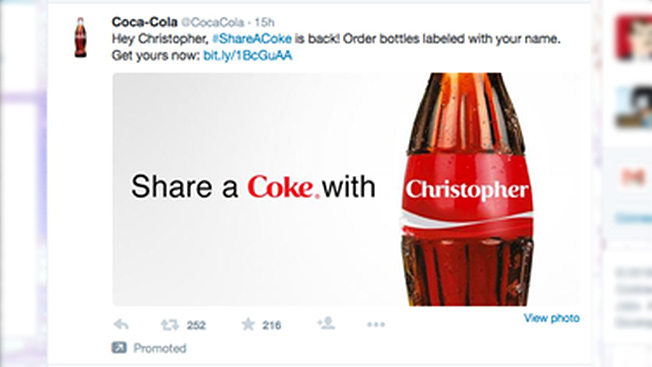
Coca-Cola’s “Share a Coke” campaign is a prime example of personalization in the physical world and its integration into social media marketing.
The campaign involved printing popular first names on Coke bottles, encouraging consumers to find and share bottles with their names or the names of their friends and family members.
Social media played a significant role in the campaign’s success, as consumers shared photos and stories of themselves with their personalized Coke bottles using the hashtag #ShareACoke. This user-generated content not only amplified the campaign’s reach but also created a sense of personal connection and encouraged engagement with the brand.
Conclusion
Personalization has emerged as a crucial aspect of social media marketing, revolutionizing the way businesses connect with their audience. By leveraging user data, personalization allows brands to create tailored experiences, deliver relevant content, and build meaningful relationships with individual users.
Throughout this article, we have explored the key elements of personalization in social media marketing. We discussed the importance of understanding the audience, leveraging data, and implementing personalized strategies. From data management and integration to dynamic content delivery and real-time behavioral triggers, businesses can employ various techniques to personalize experiences at scale.
Furthermore, we delved into the measurement of personalized campaigns, emphasizing the significance of defining key performance indicators (KPIs), establishing control groups, conducting A/B testing, and analyzing data and insights. Measuring the success of personalized campaigns provides businesses with valuable feedback, allowing them to refine their strategies and optimize their efforts for better results.
Real-world examples of successful social media marketing campaigns utilizing personalization showcased the effectiveness of personalized approaches across different industries. From Spotify’s “Wrapped” campaign to Amazon’s personalized recommendations, these examples highlighted the impact of personalization on user engagement, loyalty, and conversions.
Ultimately, personalization significantly impacts marketing performance by enhancing user engagement, improving customer satisfaction and loyalty, increasing conversion rates, and yielding a higher return on investment. By delivering personalized experiences and leveraging data-driven insights, businesses can connect with their audience on a deeper level, drive meaningful interactions, and foster long-term relationships.
As the digital landscape continues to evolve, personalization remains a powerful strategy for businesses to differentiate themselves and achieve marketing success. By embracing personalization in social media marketing, businesses can create memorable experiences, cultivate brand advocacy, and thrive in an increasingly competitive market.
Join The Build Your Instagram
Empire Course Today
Join The Build Your Instagram Empire Course For Just $50 And Discover A Secret System For Growing A Giant Following, Reaching Millions Of People, And Selling Anything To Anyone Using Instagram Without Having Years Of Marketing Skills Or A Jumbo Ad Budget!
 Filip Konecny Enterprises