
In the world of marketing and advertising, copywriting is an essential skill that can make or break a campaign. But what exactly is copywriting?
The traditional definition describes it as the art of writing persuasive and compelling content to sell a product or service. However, as the digital landscape evolves, so does the role of a copywriter. In this new era of marketing, copywriting has taken on a broader meaning. It is no longer just about writing catchy slogans or persuasive sales pitches.
Copywriting has transformed into a multifaceted discipline that encompasses everything from crafting engaging blog posts and social media captions to optimizing website content for search engines.
The new definition of copywriting emphasizes the importance of creating valuable and informative content that not only persuades but also educates and entertains the target audience.
In this article, we will delve into the intricacies of modern copywriting and uncover the skills needed to excel in this ever-evolving field. Get ready to discover the power of words and unlock the secrets of effective copywriting in the digital age.
The Evolution of Copywriting
Copywriting has come a long way from its humble beginnings. In the early days of advertising, copywriters were tasked with creating catchy slogans and persuasive sales pitches for print media.
Their goal was to capture the attention of potential customers and convince them to make a purchase. As technology advanced and the internet became a dominant force in the marketing world, copywriting evolved to keep up with the changing landscape.
Today, copywriting encompasses a wide range of skills and techniques. It is not just about selling a product or service, but also about building a brand and engaging with an audience.
Copywriters now have to be well-versed in SEO (search engine optimization), content marketing, and social media strategies.
They need to understand the psychology of persuasion and how to create content that resonates with their target audience. Copywriting has become a blend of art and science, requiring both creativity and analytical thinking.
Defining Copywriting in the Digital Age

In the digital age, copywriting has taken on a new meaning. It is no longer just about writing persuasive sales copy, but also about creating valuable and informative content that attracts and engages an audience.
Copywriters now have to be skilled in crafting blog posts, social media captions, and website content that not only sells but also educates and entertains.
The new definition of copywriting emphasizes the importance of storytelling and building a connection with the audience.
Copywriters must be able to tell a compelling story that resonates with their target market, evoking emotions and driving action. They need to understand the needs and desires of their audience and tailor their message accordingly.
The Importance of Copywriting in Marketing
Copywriting plays a crucial role in marketing. It is the vehicle through which brands communicate with their customers and convey their value proposition.
Well-crafted copy can make a brand memorable and differentiate it from competitors. It can create a sense of urgency and drive conversions.
In today’s saturated market, where consumers are bombarded with advertisements and content, effective copywriting is more important than ever.
Copywriting is not just about writing words; it is about understanding the psychology of persuasion. Copywriters need to know how to tap into the emotions and desires of their audience, using words to create a connection and inspire action.
They need to be skilled in crafting headlines that grab attention, writing compelling calls-to-action, and structuring their content in a way that keeps readers engaged.
Copywriting Techniques and Best Practices
To excel in the field of copywriting, it is essential to have a toolkit of techniques and best practices. Here are some key strategies that can help you create persuasive and compelling copy:
- Understand your audience: Before writing any copy, it is crucial to know who you are targeting. Research your audience to understand their needs, desires, pain points, and preferences. This knowledge will guide your messaging and help you create content that resonates with your target market.
- Use persuasive language: Copywriters need to be skilled in using persuasive language that motivates readers to take action. Use strong verbs, power words, and emotional triggers to create a sense of urgency and appeal to your audience’s desires.
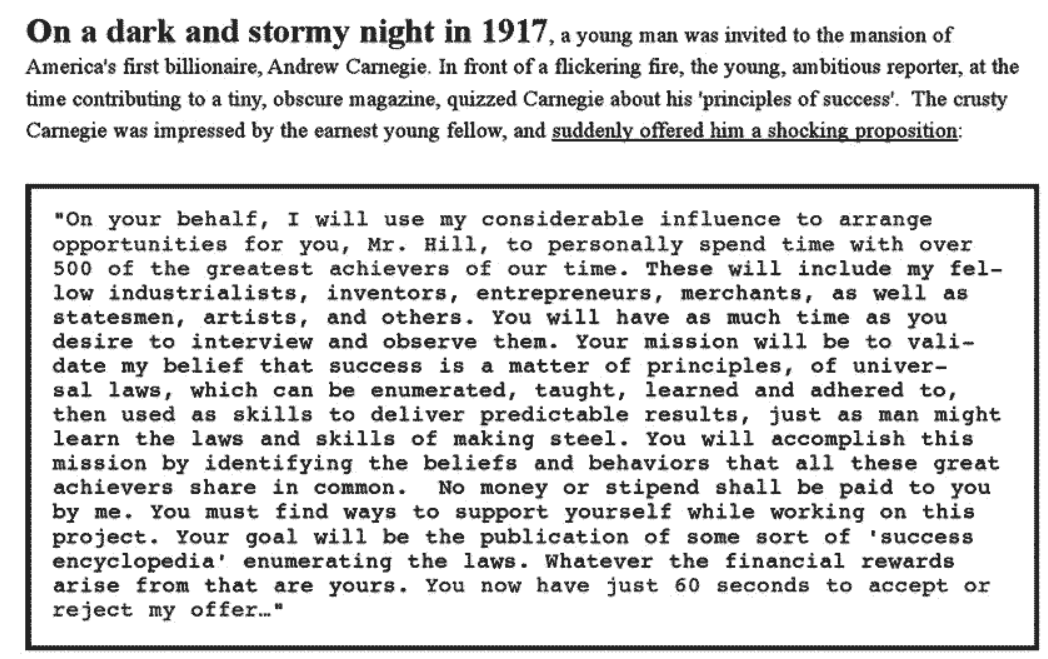
- Tell a story: Storytelling is a powerful tool in copywriting. By engaging your audience with a compelling narrative, you can create a connection and evoke emotions. Use storytelling techniques to make your copy memorable and relatable.
- Keep it concise: In today’s fast-paced digital world, attention spans are short. Keep your copy concise and to the point. Use short sentences, bullet points, and subheadings to break up the text and make it easy to scan.
- Test and iterate: Copywriting is an iterative process. Test different versions of your copy and analyze the results. Use A/B testing to optimize your messaging and improve your conversion rates.
By incorporating these techniques and best practices into your copywriting, you can create content that captures attention, engages your audience, and drives results.
The Role of Storytelling in Copywriting
Storytelling is a fundamental aspect of effective copywriting. It allows brands to connect with their audience on a deeper level and create a lasting impression. By using storytelling techniques, copywriters can tap into the emotions and desires of their audience and create a connection that goes beyond the transactional.
When crafting a story, it is important to have a clear narrative arc. Start with a hook that captures attention and introduces the conflict or problem. Build tension and suspense, and then provide a resolution or solution. This structure keeps readers engaged and creates a sense of anticipation.
In addition to the narrative arc, copywriters should also consider the characters in their story. Whether it’s the brand itself or the customer, the characters should be relatable and well-developed. By creating characters that resonate with the audience, copywriters can create a sense of empathy and build trust.
Copywriting vs. Content Writing – Understanding the Difference
Copywriting and content writing are often used interchangeably, but they are not the same. While both involve writing, they serve different purposes and require different skill sets.
Copywriting is focused on persuading and selling. It aims to create a desire or need for a product or service and motivate the reader to take action. Copywriting is
often associated with marketing and advertising, and its primary goal is to drive conversions.
On the other hand, content writing is focused on providing valuable and informative content to the audience. It aims to educate, entertain, or inspire the reader. Content writing is often associated with blogs, articles, and social media posts. Its primary goal is to build trust, establish thought leadership, and engage with the audience.
While there is overlap between copywriting and content writing, it is important to understand the distinction. Depending on your goals and objectives, you may need to employ both copywriting and content writing strategies in your marketing efforts.
Copywriting Tools and Resources
To excel in copywriting, it is essential to have the right tools and resources at your disposal. Here are some valuable resources that can help you enhance your copywriting skills:
- Grammarly: A powerful writing assistant that helps you eliminate grammar and spelling errors, improve sentence structure, and enhance your overall writing.
- Hemingway Editor: A tool that highlights complex sentences, passive voice, and hard-to-read paragraphs, helping you simplify and clarify your writing.
- Thesaurus.com: A comprehensive online thesaurus that helps you find synonyms and alternative words to enhance your vocabulary and avoid repetition.
- CoSchedule Headline Analyzer: A tool that analyzes your headlines and provides suggestions for improvement, helping you create attention-grabbing headlines.
- My Blog: A valuable resource for copywriting tips, techniques, and best practices. Filip Konecny blog offers a wealth of articles, podcasts, and courses to help you sharpen your copywriting skills.
By utilizing these tools and resources, you can enhance your copywriting skills and create compelling content that drives results.
Conclusion
Copywriting has evolved from simply selling products and services to creating valuable and engaging content that connects with the audience. In the digital age, copywriters need to be skilled in crafting blog posts, social media captions, and website content that not only persuades but also educates and entertains.
By understanding the psychology of persuasion, employing storytelling techniques, and utilizing the right tools and resources, copywriters can create compelling content that captures attention, engages the audience, and drives results. So, embrace the power of words, unlock the secrets of effective copywriting, and elevate your marketing efforts in the digital age.
 Filip Konecny Enterprises