
Effective copywriting plays a crucial role in driving sales and conversions.
Whether it’s a product description, landing page, or sales email, the words you choose can make all the difference in capturing your audience’s attention and persuading them to take action. In this article, we’ll explore 15 actionable tips to help you craft persuasive sales copy that sells.
So, are you ready to begin? If so, let’s dive in…
1. Understand Your Target Audience
To create compelling sales copy, it’s essential to know your target audience inside out. Conduct thorough research to understand their needs, pain points, and desires.
Start by creating customer personas that represent your ideal customers.
Dive deep into their demographics, interests, motivations, and challenges. Use tools like surveys, interviews, and social media analytics to gather insights.
The more you understand your audience, the better you can tailor your copy to resonate with their specific needs.
2. Craft a Compelling Headline
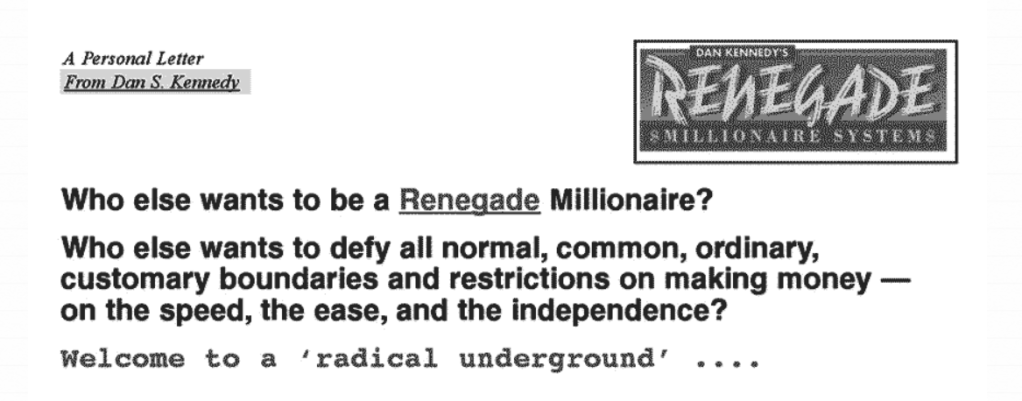
The headline is the first impression your copy makes, so it needs to grab attention and spark curiosity.
Use attention-grabbing words and phrases that pique interest. Instead of a generic headline like “Improve Your Fitness,” try “Unlock Your Full Potential with Our Revolutionary Fitness Program.”
Highlight the main benefit or solution and make it specific. Remember to keep it concise yet impactful, ensuring it aligns with your target audience’s desires.
3. Create a Strong Opening
After capturing attention with your headline, the opening lines should hook your readers and encourage them to keep reading. Start with a captivating hook or a thought-provoking question that addresses their pain points.
For example, “Tired of struggling with low energy levels and frequent sugar cravings? Discover the secret to lasting vitality and freedom from cravings.”
Establish relevance and empathy from the very beginning to draw readers deeper into your copy.
4. Use Persuasive Language
Power words and emotional triggers can evoke strong responses from your audience. Incorporate words like “exclusive,” “proven,” “effortless,” or “life-changing” to highlight the value of your product or service.
Additionally, incorporate social proof and testimonials to build credibility and trust. For example, “Join over 10,000 satisfied customers who have transformed their lives with our program.
Experience the life-changing power for yourself.” By using persuasive language and incorporating social proof, you create a sense of credibility and urgency that motivates readers to take action.
5. Focus on Benefits, Not Features
While it’s important to mention the features of your product or service, the key is to emphasize the benefits they offer.
Clearly communicate how your product solves a problem or fulfills a desire. Instead of simply stating “Our vacuum cleaner has a powerful motor,” highlight the benefit by saying “Experience a spotless home in half the time with our powerful, time-saving vacuum cleaner. Spend more time doing what you love.”
By focusing on the benefits, you tap into the emotional aspect of your audience, showcasing how your product can improve their lives.
6. Write Concisely and Clearly
In today’s fast-paced world, attention spans are shorter than ever. Keep your copy concise and easy to understand. Use short sentences and paragraphs to make it scannable.
Avoid jargon and complicated language that may confuse your readers. Ensure that the main points are communicated clearly and effectively.
Use bullet points or numbered lists to break down information and make it easily digestible.
By presenting your copy in a clear and concise manner, you facilitate a smooth reading experience for your audience.
7. Utilize Storytelling Techniques
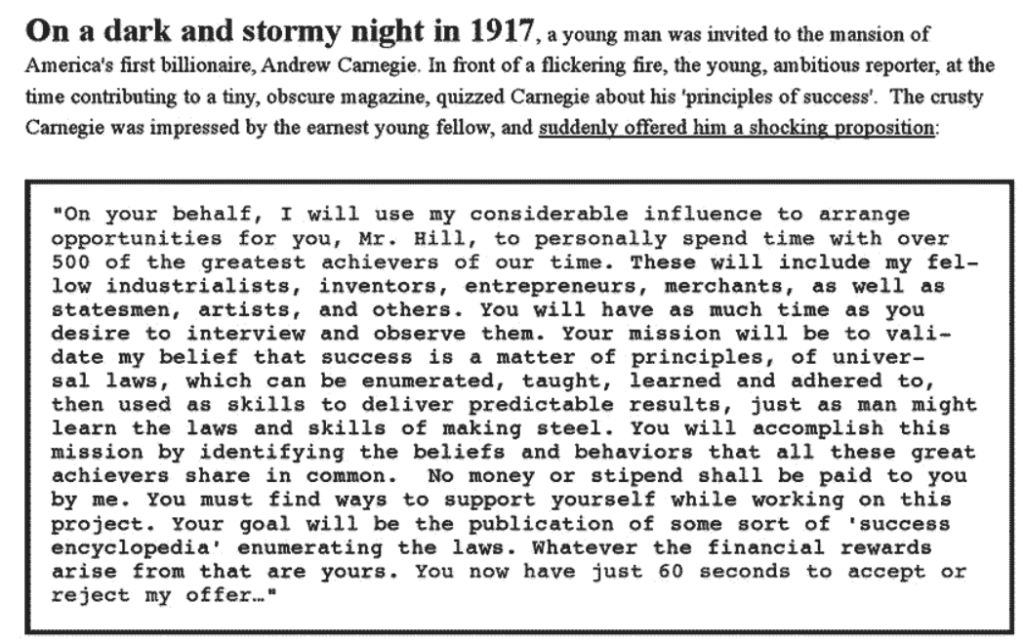
Humans are wired for storytelling, so incorporate narratives that engage and resonate with your audience. Tell relatable stories or scenarios that showcase the problem your product solves.
For instance, if you’re selling a productivity app, you could share a story about a stressed-out professional who transformed their work-life balance with the help of your app.
Connect the story to the product, making it a natural progression. By incorporating storytelling techniques, you create an emotional connection and make your copy more memorable.
8. Create a Sense of Urgency
To prompt immediate action, create a sense of urgency in your copy. Highlight time-limited offers or discounts, limited stock or availability, or the consequences of inaction.
For example, “Don’t miss out on our exclusive summer sale. Limited stock available. Grab your favorite items before they’re gone! Offer ends in 48 hours.”
By instilling a sense of urgency, you motivate readers to act quickly, fearing they might miss out on a valuable opportunity.
9. Incorporate Calls-to-Action (CTAs)
CTAs guide readers toward the desired action. Use clear and action-oriented language to tell readers what you want them to do.
Place CTAs strategically throughout the copy, such as “Click here to buy now” or “Sign up for our free trial today.” Make it easy for readers to take the next step by providing clear instructions and reducing friction in the conversion process.
For example, you can include a prominent CTA button that stands out from the rest of the copy, making it easy for readers to spot and click.
10. Use Formatting and Visuals Effectively
Break up the text with subheadings and bullet points to make your copy more scannable. Use relevant images or graphics to enhance the message and make it visually appealing.
For example, if you’re selling a travel package, include high-quality images of the destinations to entice readers.
Additionally, use bold or italicized text to emphasize key points. Formatting and visuals help to improve readability and engagement, making your copy more visually appealing and easier to navigate.
11. Test and Optimize
A/B testing is crucial for refining your copy and improving conversion rates. Experiment with different variations of your copy and analyze the results.
Monitor conversion rates, click-through rates, and other relevant metrics to identify what resonates best with your audience. Iterate and optimize based on the insights gained. For example, test different headlines, CTAs, or storytelling approaches to find the most effective combination.
By continuously testing and optimizing your copy, you can uncover what drives the best results and make data-driven improvements.
12. Proofread And Edit Thoroughly
Meticulous proofreading and editing ensure that your copy appears professional and credible. Eliminate any spelling or grammatical errors that can undermine your message.
Check for clarity and consistency throughout the copy. A polished and error-free piece of copy will enhance your brand’s reputation. Consider using grammar and spell-checking tools to assist you in this process.
Additionally, have a fresh pair of eyes review your copy to catch any mistakes or areas that could be improved.
Taking the time to proofread and edit thoroughly demonstrates your attention to detail and professionalism.
13. Keep it Authentic and Genuine
Authenticity builds trust with your audience. Use a conversational tone that feels approachable and relatable. Avoid hype or exaggeration that can come across as insincere.
Focus on building a genuine connection with your readers, addressing their concerns, and offering real solutions. For example, use personal anecdotes or genuine testimonials to add credibility and authenticity to your copy.
Authenticity establishes rapport with your audience and makes them more receptive to your message.
14. Testimonials and Social Proof
Including testimonials and social proof in your sales copy strengthens your credibility and reassures potential customers.
Feature quotes from satisfied customers, industry experts, or endorsements from reputable sources. For instance, “Our product has been featured in Forbes as a must-have for entrepreneurs seeking success.”
Testimonials and social proof validate your claims and provide evidence that your product or service delivers results. When incorporating testimonials, aim for diversity to represent various customer experiences and demographics.
Additionally, consider including statistics or data that support the effectiveness of your product or service.
This combination of testimonials, social proof, and data creates a compelling argument for why readers should trust and choose your offering.
15. Personalize Your Copy
Personalization can make a significant impact on the effectiveness of your copy.
By addressing your audience directly and tailoring the message to their individual needs, you create a sense of connection and relevance.
Consider incorporating personalization elements such as using the reader’s name in the copy or referencing specific information about them. For example, instead of a generic greeting like “Hello there,” you can use “Hello, John” to make it more personalized.
Furthermore, leverage data, and insights you have gathered about your audience to provide targeted and customized recommendations or solutions.
For instance, if you have information about their past purchases or browsing behavior, you can suggest related products or services that align with their interests.
Personalization not only grabs attention but also makes readers feel valued and understood, increasing the likelihood of engagement and conversion. So, take the time to personalize your sales copy and make it resonate with each individual reader.
Conclusion
To recap, effective sales copy requires understanding your audience, crafting compelling headlines and openings, using persuasive language, focusing on benefits, writing concisely, incorporating storytelling, urgency, CTAs, formatting, visuals, testing, editing, authenticity, and social proof.
By implementing these 15 copywriting tips, you can create sales copy that grabs attention, engages readers, and drives conversions.
Incorporate these tips into your copywriting efforts and experiment with your own style to find what works best for your audience.
Remember, persuasive sales copy has the power to turn potential customers into loyal advocates, making it an essential skill for any marketer or business owner. Start implementing these tips today and witness the impact on your sales and conversions.
By understanding your target audience and crafting compelling headlines, openings, and CTAs, you can capture attention from the start and guide readers towards the desired action.
Using persuasive language, focusing on benefits, and incorporating storytelling techniques will engage your audience emotionally and demonstrate the value of your product or service.
Writing concisely, utilizing formatting and visuals, and creating a sense of urgency will enhance readability and motivate readers to act swiftly.
Don’t forget to test and optimize your copy, constantly refining it based on data and feedback. Thoroughly proofread and edit your copy to ensure professionalism and credibility. Keeping your copy authentic and genuine will build trust with your audience, while testimonials and social proof will provide validation and reassurance.
Incorporating these 15 copywriting tips into your sales copy will give you a solid foundation for crafting persuasive and effective messages.
Remember, the key to success lies in understanding your audience, communicating the benefits of your product or service, and delivering a compelling message that resonates with readers. By consistently applying these techniques and continuously improving your copy, you’ll be on your way to writing sales copy that sells.
 Filip Konecny Enterprises