
ManyChat can look cheap at first glance, then a little confusing once you dig into the details. That is not you overthinking it. The pricing really does get more layered once contacts, channels, and account type start affecting what you pay.
The public pricing page still shows a simple Free, Pro, and Elite setup, while the newer subscription guide explains a newer five-plan model for accounts created on or after March 2, 2026 and says availability can vary by region. That matters because the right answer is not just “how much does ManyChat cost,” but “which version of the pricing are you likely to get.”
My honest take is simple: ManyChat is usually worth trying when your Instagram or messaging inbox already creates leads, sales, or constant repetitive questions. If you are still guessing whether anyone will click, reply, or buy, the price is easier to delay until your traffic is more real.
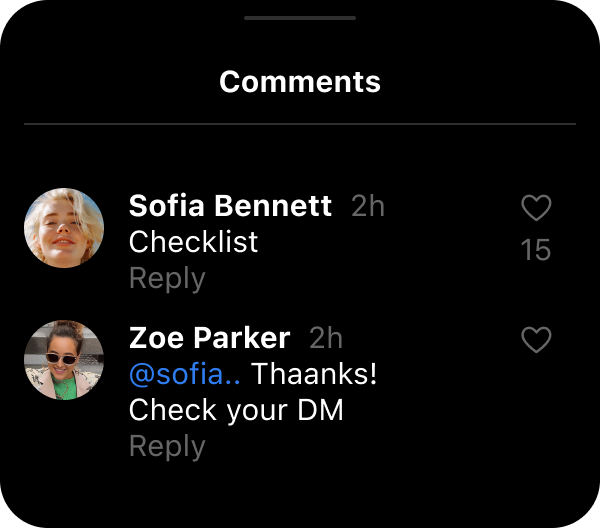
Image source: ManyChat Instagram product page
Article outline
- Is ManyChat price actually worth it?
- What you get for the money, what the plans include, and where the value shows up
- Alternatives, who should skip it, and the final verdict
Is ManyChat price actually worth it?
For the right buyer, yes. ManyChat stops feeling expensive the moment one automation starts handling the same DM question, link request, giveaway reply, or lead capture task that you were doing by hand.
That is the real payoff here. You are not paying for “chatbot software” in some abstract way. You are paying to turn comments and direct messages into something that keeps moving even when you are offline.
ManyChat looks strongest when you already have attention and need a faster way to convert it. A creator sending links manually, a brand answering the same product question all day, or a small team trying to keep up with Instagram DMs can justify the cost much faster than someone who just wants a fancy tool to experiment with.
The catch is that ManyChat pricing is no longer one neat number you can judge in isolation. The official pricing page, the billing FAQ, and the newer subscription guide all matter if you want the full picture.
Here is the cleanest way to look at it before you decide whether to try it now or wait.
See current pricingI would not judge ManyChat only by the entry price. I would judge it by how quickly it replaces slow manual work. If one automation helps you reply faster, collect emails or numbers, send people to the right offer, and keep your inbox from turning into a mess, the software starts earning its keep pretty quickly.
I also would not buy it just because $15 sounds low. The contact-based structure in the billing FAQ means the platform gets more attractive when your DMs drive business results and less attractive when you are still dabbling.
That is why ManyChat is great for some people and overkill for others. A creator, coach, ecommerce brand, or local business getting steady inbound messages can justify it much faster than someone who barely posts and only wants automation because it sounds smart.
The next part is where the decision gets easier. I am going to break down what you actually get for the money, what the trial is good for, and where ManyChat starts to feel like a smart buy instead of another tool sitting in your stack.
What you get for the money
What you can actually test before you pay
ManyChat gives you a real way to test it before you commit, but the exact starting point is a little messy right now. The public pricing page still pushes a free plan, while newer subscription docs also describe a 14-day trial on the newer plan structure.
That sounds confusing, but the buying decision is still pretty simple. You can test the core idea without taking a big risk, and that core idea is comment and DM automation that saves you from answering the same thing over and over.
The first thing I would test is a basic comment-to-DM flow. If your content gets people asking for a link, a code, a freebie, or more info, ManyChat lets you turn that into an automatic reply instead of another manual task sitting in your inbox.
Image source: ManyChat Instagram product page
ManyChat also says the trial can include things like collecting email addresses and connecting ads to a flow. That matters because it lets you test whether this tool only saves time, or whether it also helps you capture leads and move people into a real follow-up sequence.
You do not need a giant audience to learn whether it fits. You do need one clear use case, because this tool earns its price when one small automation keeps doing useful work every day.
The good stuff
ManyChat is strongest when your audience already talks to you in DMs or comments. If people ask product questions, want a link, request a lead magnet, or need a fast answer before buying, this tool can turn those moments into something organized instead of messy.
That is why ManyChat price can feel very fair for the right buyer. You are not paying for a vague automation promise. You are paying to answer faster, collect more leads, and stop wasting time on repeat conversations that should have been automated weeks ago.

Image source: ManyChat Instagram product page
The no-code setup is another big reason people stick with it. ManyChat keeps selling the idea that you can go live fast, and that matters because a tool like this becomes annoying fast if the first automation takes a week to build.
The multi-channel angle helps too, but this is where you need to stay honest with yourself. If you only care about Instagram DMs today, that may be enough reason to buy, while WhatsApp, SMS, email, and AI tools matter more once your setup gets more serious.
There are a few catches. Legacy Pro pricing is still contact-based with no flat-fee cap, some channel activity can create extra usage costs, and ManyChat AI is its own paid add-on on eligible paid plans.
Support is also better once you are paying. Free users can get started, but if you want stronger support, more advanced automation, and fewer artificial limits, the paid plans are where ManyChat starts to feel like a real operating tool instead of a test account.

Image source: ManyChat Instagram product page
ManyChat price vs cheaper or broader tools
ManyChat is not the cheapest tool in your stack unless you compare it to the cost of doing everything manually. That is the right comparison for most buyers, but it is still worth checking whether a cheaper or broader tool fits your real use case better.
If you only need post scheduling and light social management, Buffer costs a lot less. If you mainly need funnels and email on a budget, Systeme.io is easier to justify, and if you want a broader CRM and agency-style setup, GoHighLevel gives you more range at a much higher entry price.
Check the official free trialWhy you may want to get it now
ManyChat gets easier to justify once you already know people want something from your content. If you are replying manually with the same link, the same offer, or the same answer, waiting usually means you keep paying with time instead of money.
That is the part people underestimate. A cheap tool is not actually cheaper when it still leaves you doing all the work by hand.
ManyChat is a strong buy when you already have an offer, a lead magnet, appointments to book, or product questions coming in through social. It is a weaker buy when you are still at the stage where your real problem is getting attention in the first place.
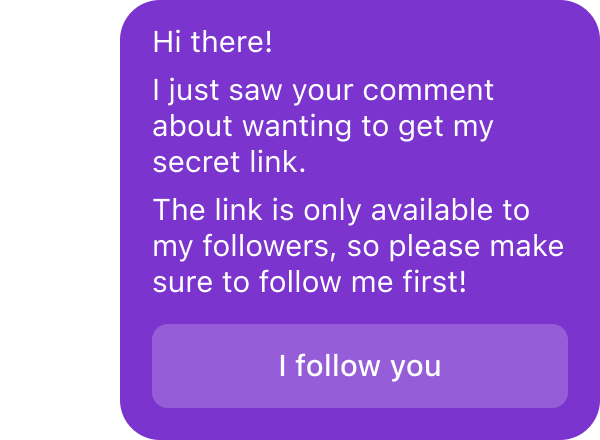
Image source: ManyChat Instagram product page
I would not tell a total beginner with no traction to rush into it. I would tell a creator, coach, local business, ecommerce brand, or service business with real inbound messages to stop dragging their feet and try ManyChat while the payoff is still obvious.
You will know pretty fast whether it is right for you. If one automation saves you time and brings in better leads, ManyChat price stops looking like a cost and starts looking like a shortcut you should have set up earlier.
Alternatives, final verdict, and the last few questions that matter
Alternatives worth looking at
ManyChat is not the only way to handle leads, follow-up, or social activity. It is the best fit when your biggest problem is turning comments and DMs into real conversations that move people toward a link, a lead form, a booking, or a sale.
That means the best alternative depends on what you are actually trying to replace. If you mostly need publishing, Buffer is cheaper. If you mainly need funnels and email on a budget, Systeme.io makes more sense. If you want a much broader CRM and automation stack, GoHighLevel gives you more range.
Image source: ManyChat
Check the official free trialChoose ManyChat if social conversations already matter in your business and you want those conversations to do more than sit in your inbox. Choose a cheaper option like Systeme.io or Buffer if your real need is pages, email, or scheduling. Choose GoHighLevel if you want a broader business system and do not mind paying more for it.
Image source: ManyChat
My honest take
ManyChat price is easy to justify when you already have people commenting, messaging, and asking for things. At that point, you are not buying another shiny tool. You are buying speed, consistency, and fewer missed opportunities.
It is not the best fit for everyone. If you are brand new, barely posting, or still guessing what offer people even want, the platform can feel like overkill because the real bottleneck is not automation yet.
The strongest buyer for ManyChat is someone with clear inbound demand. That could be a creator sending links, a coach booking calls, a local business answering repeat questions, or a store handling product questions and promo flows through Instagram or WhatsApp.
The biggest objection is price, and I get it. Contact-based billing can feel annoying once your audience grows, but that only becomes a real problem if those extra contacts are not turning into money, appointments, or useful leads.
The setup objection is fair too. ManyChat is easier than stitching together custom tools, but you still need to think through your flow. If you cannot answer what people should get, where they should click, or what happens after they reply, software will not fix that for you.
I would still lean yes for the right buyer. If your current setup feels manual and messy, and you already know people want the link, the offer, the coupon, or the answer, waiting usually just means you keep doing work that should already be automated.
Image source: ManyChat
Quick FAQ
Is ManyChat worth paying for? Yes, if it replaces manual DM work that already happens every week. No, if you still do not have traffic, replies, or an offer people care about yet.
Is ManyChat hard for beginners? It is beginner-friendly compared with heavier automation tools, but you still need a clear use case. A simple comment-to-DM flow is usually enough to tell you whether the tool fits.
Does ManyChat replace other tools? Sometimes. It can replace part of your manual inbox work and some lightweight lead capture steps, but it does not replace a full content scheduler, full funnel builder, or full CRM for every business.
Should you switch if you already use another tool? Switch when your current tool does not handle social conversation automation well. Stay where you are if your main need is publishing, email, or a full business operating system rather than DM automation.
How fast can you know if it is working? Usually pretty fast. If one automation saves time or brings in better leads within the first few campaigns, that is usually enough proof that the price makes sense.
Image source: ManyChat
Should you buy ManyChat now?
Buy it now if your inbox already proves the demand is there. That is when ManyChat starts earning its cost fast and stops feeling like “software” and starts feeling like part of your sales process.
Wait if you are still trying to figure out your offer or get basic traction. In that case, a cheaper tool like Buffer or Systeme.io may be the smarter move for now.
Go broader with GoHighLevel if you want a bigger all-in-one stack and you are ready for the higher price and heavier setup. For most creators and businesses trying to turn social attention into leads or sales, ManyChat is still the easiest recommendation here.
Get started with ManyChat Filip Konecny Enterprises