
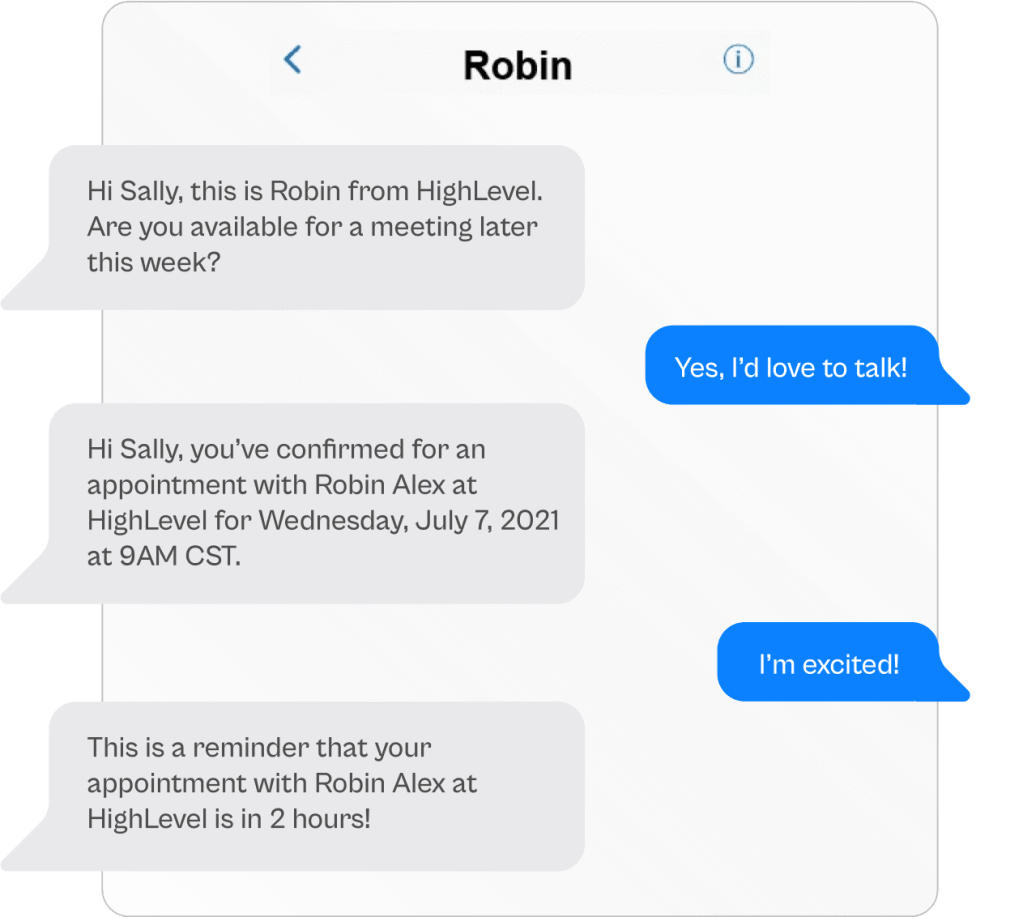
Most people comparing HighLevel vs HubSpot are not casually shopping for software. They are usually tired of stitching together a CRM, email tool, funnel builder, calendar, forms, and follow-up automation, then paying more every time the setup gets slightly more serious.
Here is the blunt version. HubSpot is easier to like at first because the free entry point is real, the interface is cleaner, and the ecosystem is massive. HighLevel gets more interesting once you care less about a polished starting point and more about replacing more tools in one shot, especially if you run an agency, sell services, or want funnels, two-way messaging, automation, and client accounts under one roof.
This comparison is here to help you decide faster. You will see where HighLevel is the smarter buy, where HubSpot still has the edge, how the pricing paths feel in real life, and whether starting now makes sense or whether you should wait until your setup is more mature.
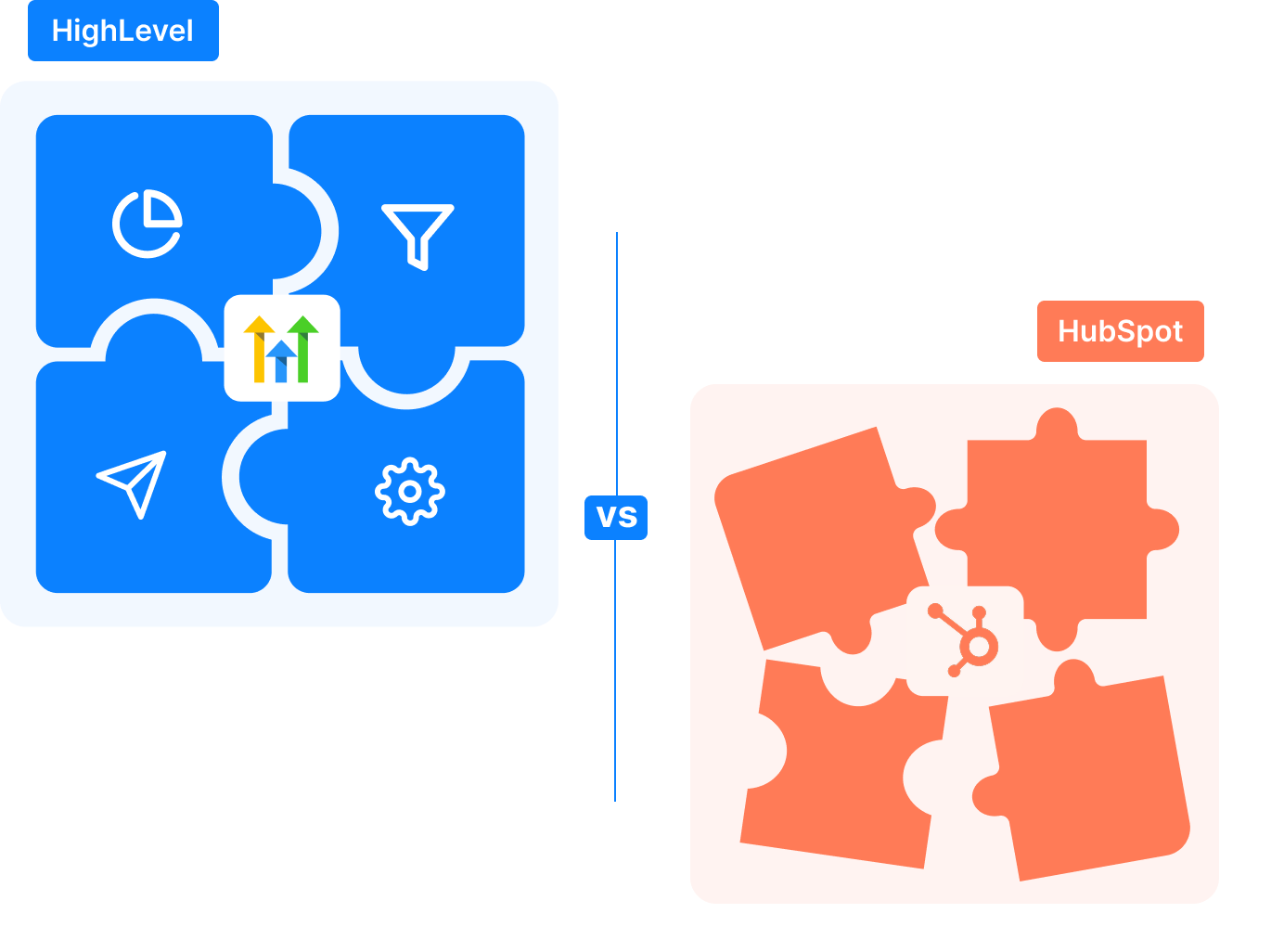
Image source: HighLevel comparison page
Quick snapshot before you read the full comparison
Check the official free trialThat table is the short version of the whole article. HubSpot is easier to enter. HighLevel is easier to consolidate around. Your decision usually comes down to whether you want a free CRM that expands outward over time, or a paid all-in-one system that tries to replace more of your stack from day one.
Article outline
This review is split into three simple stages so you can skip to the part that matches how close you are to buying. Use the page jumps below if you already know what you need answered.
Start here
This first stretch is about getting your bearings fast. You will see the quick snapshot, then move straight into what each platform gives you and which kind of buyer usually ends up happier with HighLevel instead of HubSpot.
- Quick snapshot before you read the full comparison
- What you actually get with HighLevel
- The good stuff
Look at the money and the workload
This is where the buying decision usually gets real. I will break down what the pricing path actually feels like, what HighLevel can replace, where the catch is, and why waiting sometimes just means you keep paying for a messy setup that already annoys you.
Make the final call
The last section is for the honest decision, not the hype version. You will see the best alternatives, who should skip HighLevel, who should choose a cheaper option, and who should stop overthinking and start the trial.
If you already know you want one platform to handle leads, follow-up, funnels, and client management without bolting together extra tools, the HighLevel sections are probably the ones you should read next. If you are still deciding whether a free-first CRM path makes more sense, the pricing and alternatives sections will probably save you the most time.
What you actually get with HighLevel
HighLevel gives you a real 14-day trial on any plan, not a watered-down teaser. The $97 Starter plan is the one most people should test first, and it already includes unlimited contacts, unlimited users, three sub-accounts, and the core CRM, funnel, booking, and automation stack.
That changes the feel of HighLevel vs HubSpot pretty quickly. HubSpot is easier to enter because the free tools are genuinely free, but HighLevel is easier to judge as a serious all-in-one setup because the trial lets you test the paid system you would actually use.
Starter is the best fit if you run one business, want to stop patching tools together, and mainly care about leads, follow-up, calendars, pages, and deals. Unlimited at $297 starts to make more sense when you need unlimited sub-accounts, user or agent reporting, and rebilling for phone and email usage without markup.
Agency Pro at $497 is where HighLevel shifts from business software into a resale play. SaaS Mode, automated sub-account creation, rebilling with markup, and advanced API access are not small upgrades, so that tier is mostly for agencies or operators who plan to package the software into their own offer.
HubSpot still has the cleaner first impression. HighLevel wins when you care more about how much work one login can replace than how polished the first hour feels.
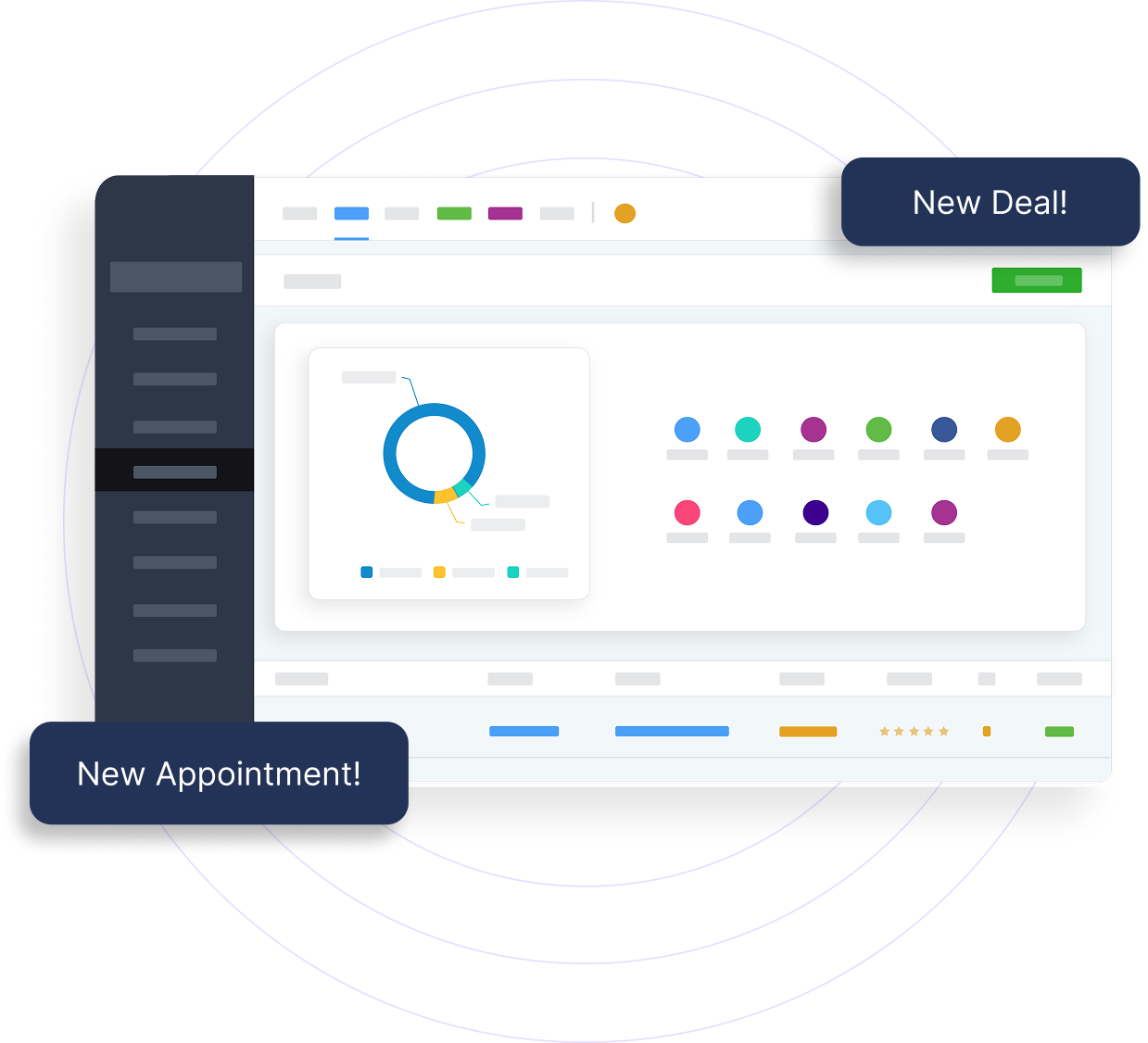
Image source: HighLevel official site
The practical upside is simple. You can use the trial to build a funnel, connect a calendar, run follow-up, move leads through a pipeline, and see whether your current stack starts to look unnecessary.
That is why HighLevel feels more decisive than HubSpot for some buyers. You are not testing one small piece of the system and guessing what the rest might cost later.
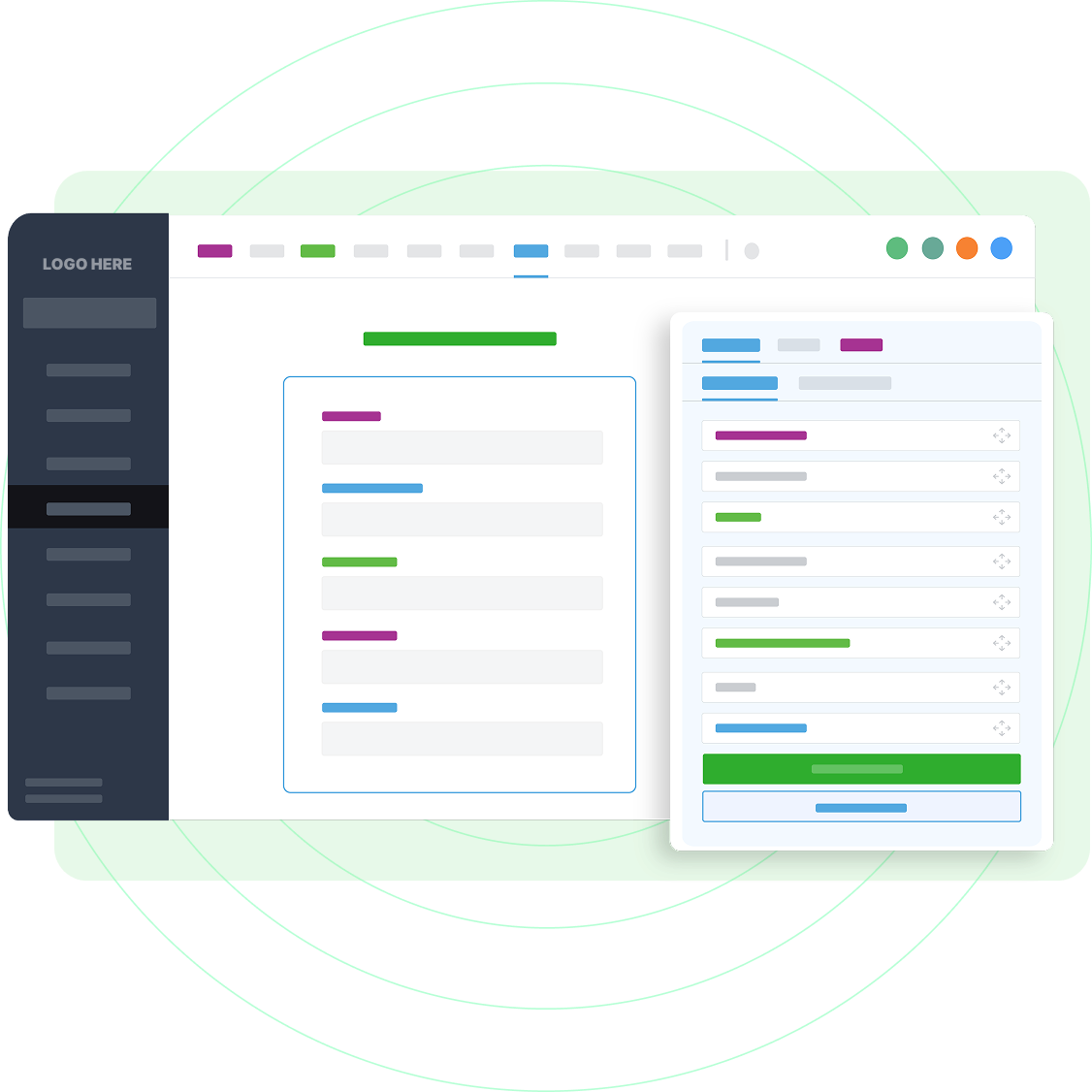
Image source: HighLevel official site
The good stuff
Flat pricing is a big deal here. HighLevel does not start feeling more expensive every time your team grows or you add more contacts, which is one of the easiest ways HubSpot gets pricey once you move beyond the free layer.
Built-in follow-up is the other reason people lean toward HighLevel. Email, two-way texting, calls, funnels, forms, calendars, and pipeline actions sit much closer together, so you spend less time babysitting integrations and more time actually responding to leads.
Agencies get the clearest upside. Sub-accounts, white-label options, and SaaS Mode make more sense than HubSpot if your business model includes managing clients, reselling software, or offering a branded system instead of just using a CRM internally.
Here is the catch. HighLevel is not the prettier tool, and HubSpot is still easier to understand on day one if all you want is a clean CRM with strong training and a huge app marketplace.
HighLevel can also be overkill. If you only need contact management, basic email outreach, and a tidy sales pipeline, HubSpot or even a cheaper tool will feel lighter and faster.
The best HighLevel buyer is already dealing with tool sprawl. If you are juggling separate landing pages, calendars, texting, forms, and automations, HighLevel starts to feel less like “another subscription” and more like a cleanup move.
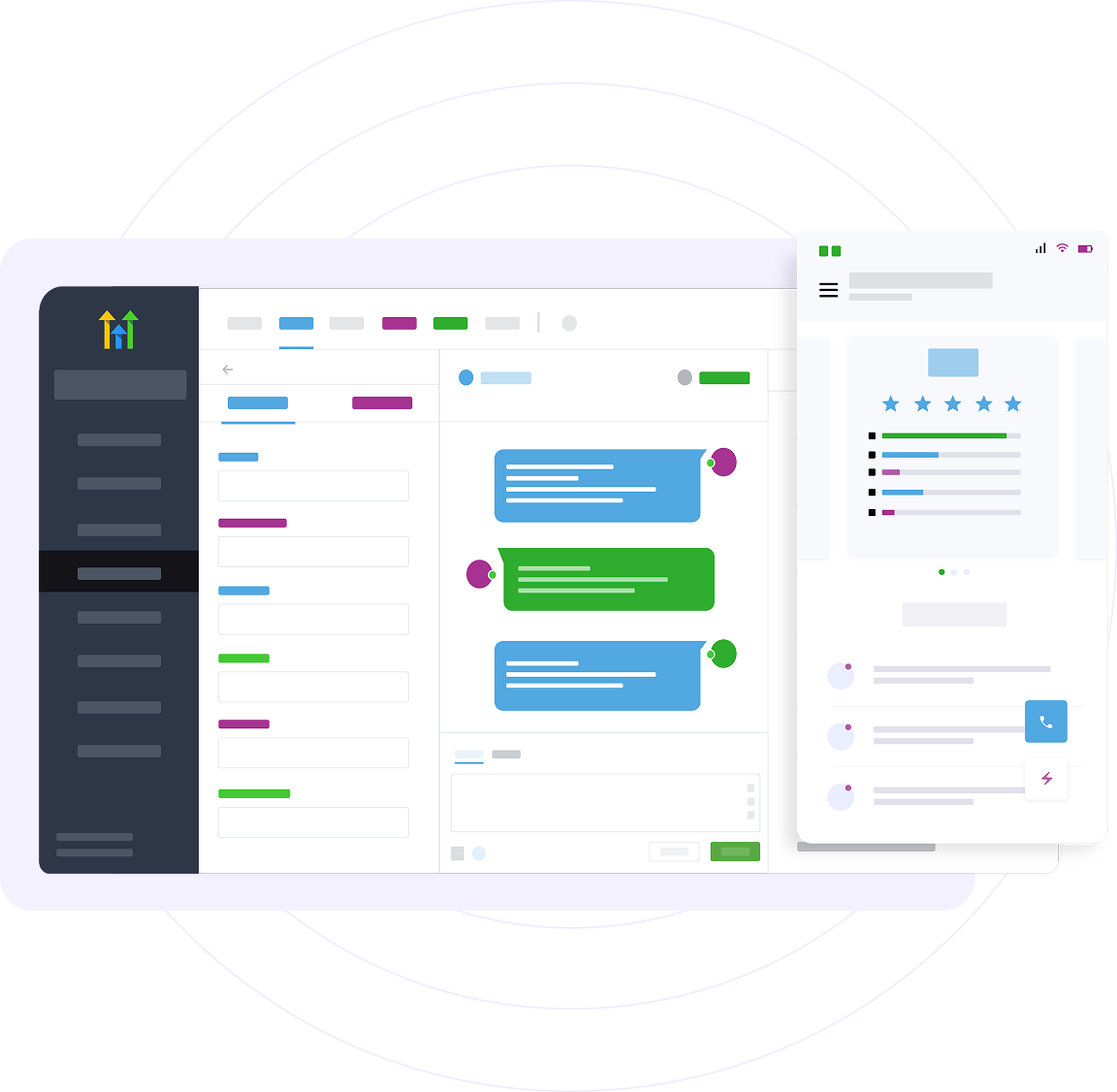
Image source: HighLevel official site
HubSpot still wins on polish, onboarding comfort, and broad recognition inside larger teams. HighLevel wins on replacing more tools sooner, especially if your business needs funnels and follow-up as much as it needs a CRM.
Image source: HighLevel official site
Pricing and value
HighLevel is easier to understand on price. Starter is $97 per month, Unlimited is $297, and Agency Pro is $497, with a 14-day free trial on each plan.
HubSpot is cheaper to enter and harder to compare cleanly because the stack splits across free tools, Starter bundles, per-seat pricing, and separate hubs. The Starter Customer Platform begins at $20 per month per seat, which sounds friendly, but HighLevel can look cheaper fast once you care about replacing more than a basic CRM.
If you want a quick gut check against other tools you can actually buy through a simpler affiliate path, this is the snapshot that matters. It shows where HighLevel earns its price and where a narrower or cheaper tool might honestly be the better move.
Check the official free trialHighLevel is not the cheapest choice in that table. It is the best value when you are trying to stop paying for a separate funnel tool, calendar tool, texting setup, CRM, and automation layer.
If you only need the funnel piece, ClickFunnels stays attractive. If you mainly need the cheapest decent all-in-one start, Systeme.io is the easier answer.
Why buying now can make sense
HighLevel is worth starting now when your offer already exists and your current setup feels messy. That buyer usually gets value fast because the problem is no longer “What should I sell?” and more “Why am I still running this through too many tools?”
Waiting can be expensive in a boring way. It usually means more missed follow-up, more messy handoffs, more duplicate subscriptions, and more time spent fixing the setup instead of building the thing that actually gets customers.
You should wait if you are still figuring out your business model, do not need funnels yet, or only need a clean CRM for a tiny team. HubSpot free tools or a cheaper option can be the smarter move until the rest of your sales process is real enough to justify the switch.
You should move now if any of these sound familiar.
- You already use separate tools for pages, calendars, email, texting, and pipeline tracking.
- You run a service business or agency and want one place to manage leads and client accounts.
- You are close to launching and need a system that helps you follow up faster instead of keeping everything manual.
For the right buyer, HighLevel is absolutely worth trying. You will know pretty quickly inside the trial whether it replaces enough of your stack to justify the price, and if your current setup already annoys you, there is a good chance it will.
Alternatives worth looking at
HighLevel vs HubSpot usually comes down to this: do you want the cleaner CRM-first experience, or do you want one paid system that replaces more of your stack right now. HubSpot is easier to like early, but HighLevel gets stronger when funnels, calendars, texting, automation, and client accounts all matter at the same time.
You should not force HighLevel if your needs are simple. A smaller business that mainly wants a polished CRM and room to add tools later may still be happier with HubSpot, while a funnel-first seller or a budget-conscious beginner may do better elsewhere.
Image source: HighLevel official site
Check the official free trialChoose HighLevel if you want the strongest “replace more tools now” option. Choose Systeme.io if price matters most, choose ClickFunnels if funnels are the whole game, and choose HubSpot if you want the cleaner CRM-first route and can live with a pricier path later.
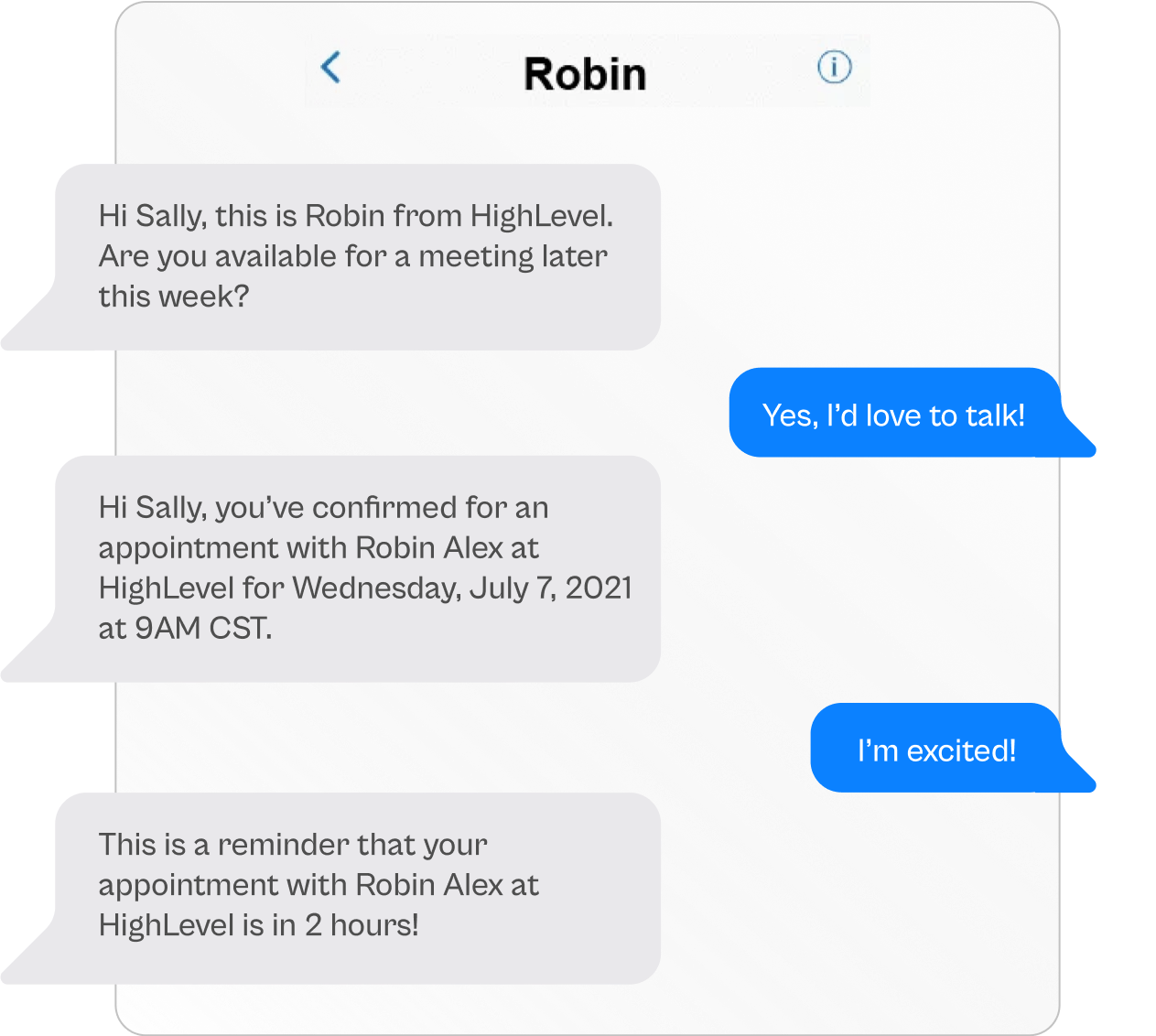
Image source: HighLevel official site
My honest verdict
HighLevel is the better choice for the buyer who is already doing real sales activity and hates juggling separate tools. It makes the most sense when leads, appointments, follow-up, funnels, and client work are already part of your week.
HubSpot is still the easier recommendation for teams that want a cleaner CRM, better onboarding comfort, and a gentler starting point. That is not a small advantage, and if you mainly care about contact management and standard sales workflows, HubSpot can be the smarter move.
HighLevel wins when you want consolidation more than polish. That is why this comparison leans toward HighLevel for agencies, consultants, local service businesses, and operators who are tired of paying for a CRM, a funnel builder, a calendar tool, a texting setup, and automation on top.
You probably should not buy HighLevel yet if you are still guessing at your offer or barely using a CRM today. You probably should buy it now if your process already works and your current stack is the thing slowing you down.
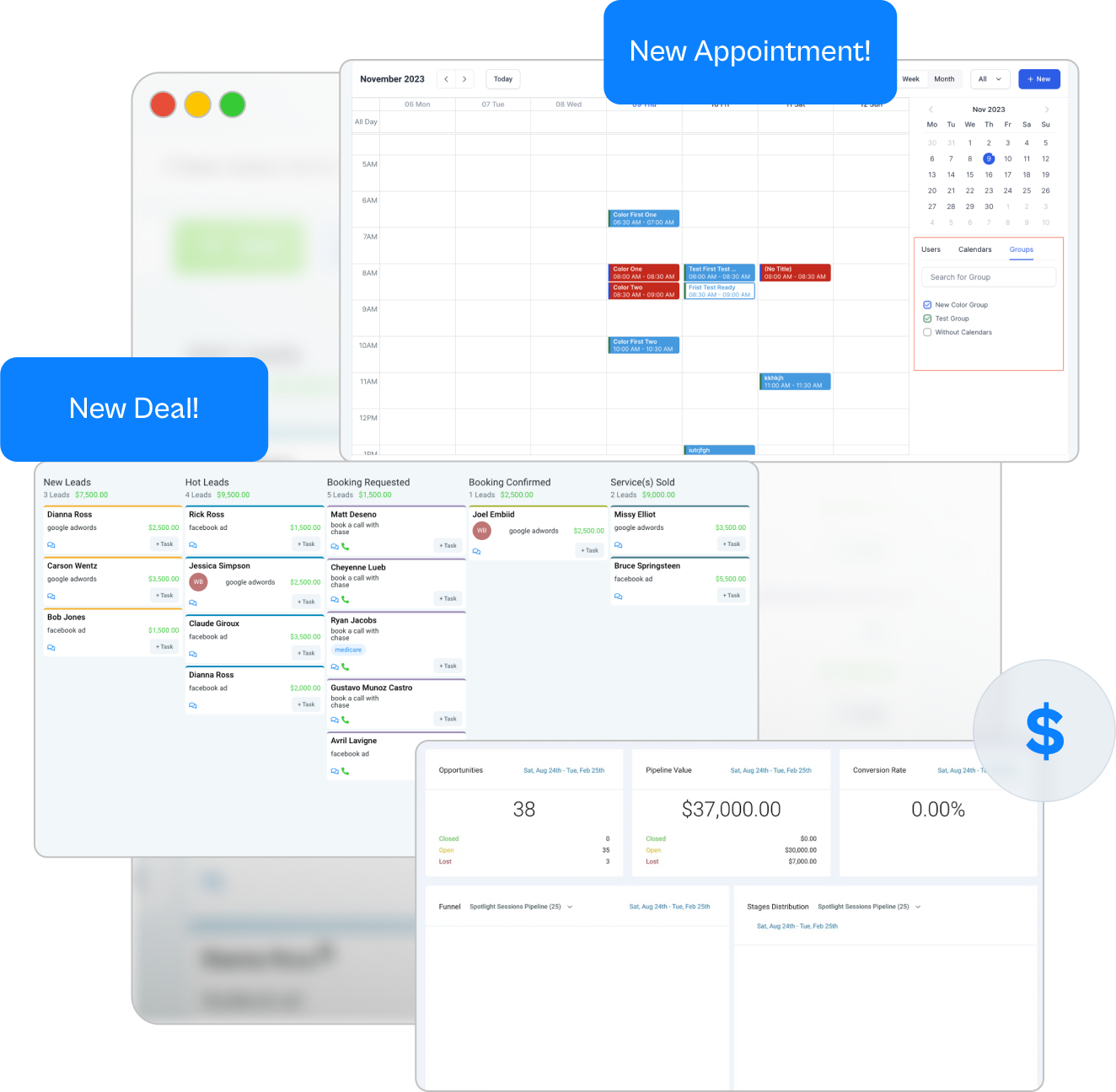
Image source: HighLevel official site
FAQ
Is HighLevel better than HubSpot?
Better for what matters to you. HighLevel is better when you want more tools under one roof, while HubSpot is better when you want a cleaner CRM-first experience and easier onboarding.
Is HighLevel too much for beginners?
Sometimes, yes. If you are very early, have no clear offer, or just need a basic CRM, HighLevel can feel heavier than it needs to.
Can HighLevel replace HubSpot completely?
For some businesses, yes. If your daily work is more about lead capture, follow-up, funnels, bookings, and client management than deep enterprise-style CRM layering, HighLevel can cover a lot of what made you look at HubSpot in the first place.
Should I start with HighLevel or a cheaper tool?
Start with a cheaper tool if cash is tight and your setup is still simple. Start with HighLevel if you already know you need automation, funnels, messaging, and a system that can replace more than one subscription at once.
Should you start the trial?
Start the trial if you already have leads coming in, appointments to book, or follow-up that keeps slipping through the cracks. That buyer usually sees the value fast because HighLevel solves a real mess, not a hypothetical one.
Wait if you are still in idea mode. Buy now if your business is already moving and your software stack feels like extra work.
Image source: HighLevel official site
For the right buyer, HighLevel is absolutely worth trying. If your current setup already annoys you, there is a good chance the official trial will make the decision much easier.
Get started with HighLevel Filip Konecny Enterprises