
Brevo looks attractive fast because the entry price is low, the free plan is real, and the platform covers more than just email. You get email marketing, transactional email, SMS, forms, segmentation, and CRM-style sales features in one place, which is exactly why a lot of small businesses end up comparing it against two or three separate tools instead of just one.
That does not automatically make it the best buy. Brevo pricing makes the most sense when you want solid email marketing without paying extra just because your contact list grows, and it makes less sense when you need the most advanced ecommerce automation or you barely send enough email to justify another monthly bill.
If you already know you want to check the live plans, see current Brevo pricing. If you want the short version first, Brevo is usually worth a real look for small businesses, service businesses, and growing brands that want better value than the usual subscriber-based email tools.
Article outline
Use these page jumps if you want to skip straight to the part that matters most to your decision.
- Is Brevo pricing worth it?
- Quick plan snapshot
- What you get in the free plan
- The good stuff
- Pricing and value
- Why buying sooner can make sense
- Alternatives
- Final verdict
- FAQ
Is Brevo pricing worth it?
For the right buyer, yes. Brevo stands out because the pricing is built around email sends instead of charging you harder just because your contact database gets bigger, and that can save real money when you have a decent-sized list but do not blast it nonstop.
That matters more than it sounds. A lot of email platforms look cheap until your contacts grow, then the monthly bill climbs even if your actual sending volume stays pretty normal.
Brevo also becomes easier to justify when your setup is messy. If you are paying separately for email campaigns, simple automation, signup forms, transactional email, and basic CRM features, Brevo can look a lot cheaper than patching tools together and hoping the integrations behave.
The catch is simple. If you only want the lightest newsletter tool possible, or you need deep ecommerce workflows like the kind bigger DTC brands use, Brevo can either feel like more platform than you need or not specialized enough in the exact area you care about most.
Quick plan snapshot
This is the fast buyer view of the current Brevo pricing structure. It is enough to tell whether you should keep reading or move on.
That gap between Standard and Professional is the first thing most buyers should notice. Brevo is very approachable at the low end, but the jump to the more advanced tier is big enough that most smaller businesses will either stop at Starter or Standard or skip to a different tool before they ever touch Professional.
Annual billing also cuts the cost by 10%, which is useful if you already know the platform fits. I would not lock in that early unless you have already tested the free plan and you know you are going to use the automation and sending volume consistently.
See current pricingMy honest read so far is simple. Brevo pricing is strongest when you want good value without graduating straight into expensive marketing software, and that is why it keeps making sense for budget-aware businesses that still want more than a bare-bones newsletter tool.
The next part is where the decision gets easier. I’ll break down what you actually get in the free plan, what starts to justify paying for Brevo, and where it beats or loses to other tools you could buy instead.
What you get in the free plan
Brevo does not do the usual short free trial. It gives you a free plan with up to 300 emails a day, which is better for cautious buyers because you can actually poke around the product instead of rushing through a seven-day countdown.
The free plan is generous in one place and tight in another. Brevo lets you store 100,000 contacts on the free plan, but only 2,000 unique contacts can enter active automations.
That means the free plan is useful for testing the interface, building forms, creating campaigns, and learning how Brevo works. It is not the plan I would choose once you are sending regularly or depending on automations to make money.
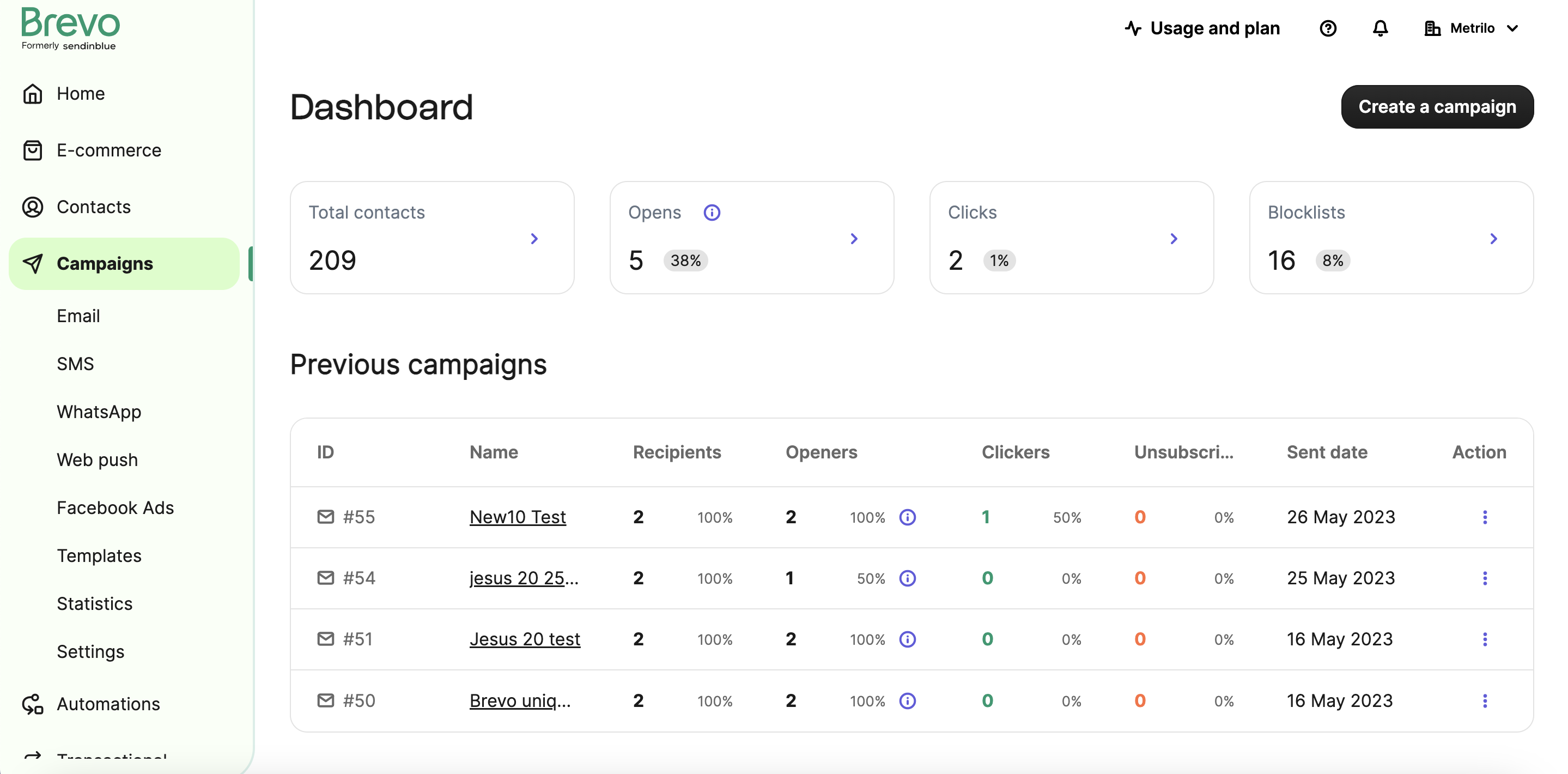
Image source: Brevo developer docs
The catch with the free plan
Brevo keeps enough on the free tier to let you test the product, but it also makes the upgrade path pretty obvious. Free emails carry Brevo branding, and Brevo’s own help docs say landing pages, popups, and A/B testing are not included on Free.
That is not a dealbreaker if you are just getting started. It becomes a problem the minute you want cleaner branding, better testing, or more serious lead capture.
Brevo also caps automations harder on the lower tiers than some buyers expect. The platform applies a 2,000-contact automation limit on Free and Starter, while Standard moves to unlimited automation contacts.
Image source: Brevo developer docs
The good stuff
Brevo gets interesting because it does more than basic newsletters without forcing you straight into enterprise pricing. The platform bundles email, SMS, forms, segmentation, transactional messaging, and a lightweight CRM-style setup in a way that feels much closer to an all-in-one stack than a simple email sender.
That matters if your current setup is messy. Instead of paying for one tool to collect leads, another to send campaigns, and another to handle follow-up emails, Brevo gives you a cleaner middle ground.
It is easy enough for beginners
Brevo’s strongest sales point is not just the price. It is that the platform still looks usable for normal people, which lines up with the ease-of-use feedback you see on public review sites and the product’s own no-code positioning on the marketing platform page.
You can build campaigns with a drag-and-drop editor, create forms, and start basic segmentation without feeling like you just bought software built for a corporate ops team. That is a real advantage over tools that are technically powerful but a pain to adopt.
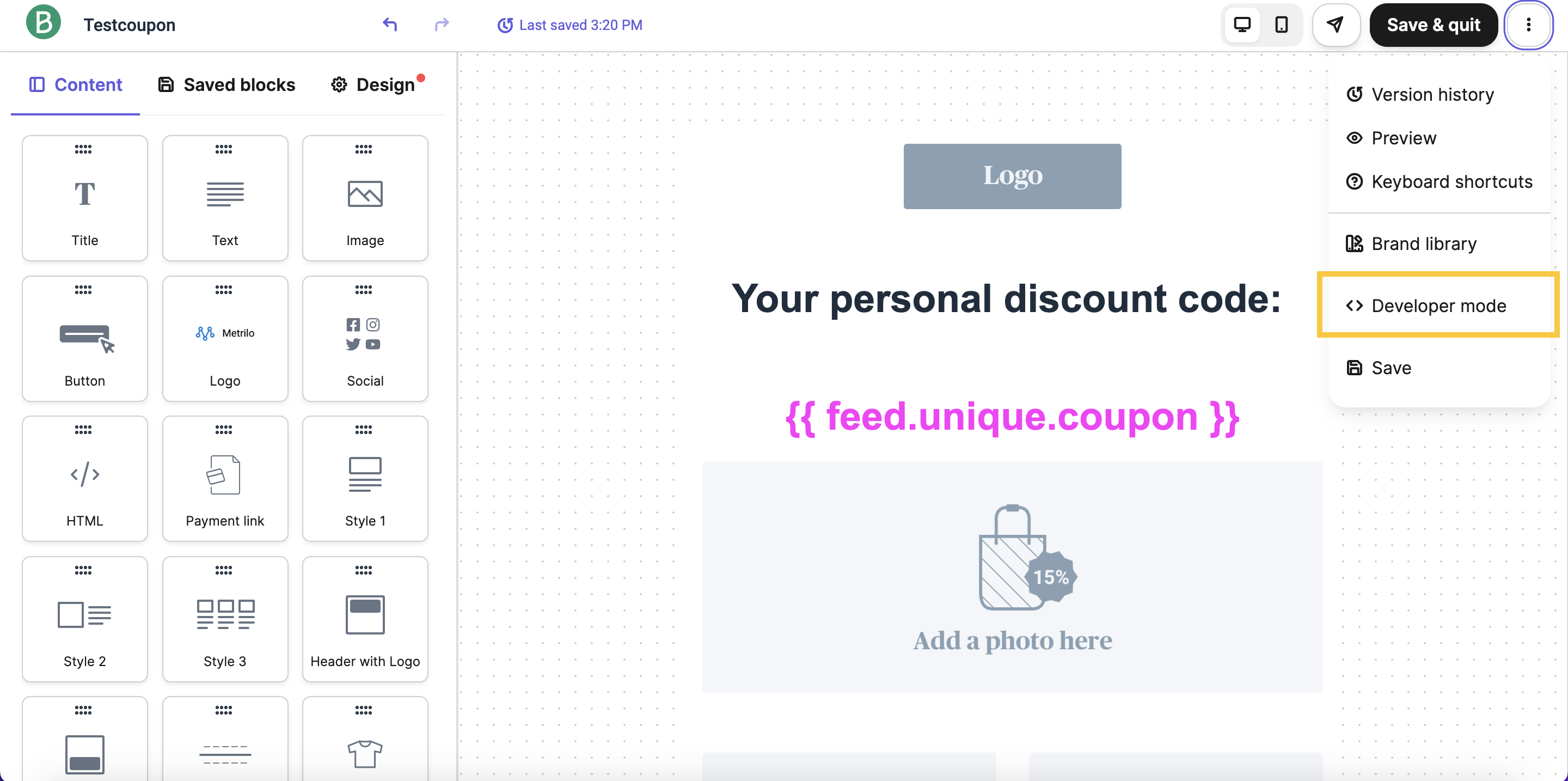
Image source: Brevo developer docs
Standard is where Brevo starts to earn its price
Starter looks cheap, but Standard is the plan that makes Brevo feel complete. Brevo lists marketing automation, A/B testing, advanced reporting, web and event tracking, and one landing page on Standard, and that is where the value jumps.
If you only send simple broadcasts, Starter is fine. If you want proper testing and automation without getting punished for list size, Standard is the tier that makes the strongest case for paying.
There is one small annoyance on the cheaper tier that buyers should know before they click. Brevo’s help docs say the Remove Brevo logo add-on on Starter costs $9 per month, so if clean branding matters, Standard often feels like the smarter buy.
Image source: Brevo developer docs
Pricing and value
Brevo pricing is best when you care more about sends than subscriber counts. If your list is growing but you are not hammering it with nonstop campaigns, that pricing model can feel a lot fairer than tools that get expensive the second your contacts grow.
The main buying decision is not Free versus paid. It is whether Starter is enough for you, or whether Standard is the better move because you need unlimited automation contacts, testing, better reports, and at least one landing page.
This is also where comparing Brevo against other affiliate-friendly tools helps. Brevo is not the cheapest path for every kind of business, and pretending otherwise would make this review less useful.
See current pricingBrevo wins this group when email marketing is still the center of the job and you want more than a basic sender. Systeme.io makes more sense for budget funnel builders, Moosend is attractive if you want a longer trial, and GoHighLevel is the better fit when you want a much broader client or sales system.
Why buying now can make sense
Brevo is worth moving on now if you already have an offer, a list, or a steady stream of leads. Waiting usually means you keep sending from a limited free setup, keep missing better automation, or keep juggling separate tools that never quite fit together.
Standard is the plan I would look at first if your business is already active. The upgrade is not just about more emails; it is about getting the testing, landing pages, tracking, and unlimited automation contacts that actually help you improve results instead of just sending more stuff.
You should wait if you barely email anyone, you do not have a real offer yet, or you need a funnel-first tool more than an email-first one. In that case, staying on Brevo Free for a bit longer or checking Systeme.io first is a more sensible move.
For the right buyer, Brevo is absolutely worth trying now. If your current setup feels patched together and you want one place to run campaigns, collect leads, and automate follow-up without jumping to agency-level pricing, Brevo is the easiest next step to explore.
Check the official free planAlternatives
Brevo is a strong buy when email marketing is the center of the job and you want more than a basic newsletter tool. It is not automatically the best choice if you mainly need funnels, a full agency CRM, or the absolute cheapest way to get online.
That is why the alternatives matter. A good Brevo pricing review should make it easier to decide whether you should buy Brevo now, wait, or go with something cheaper or broader.
Image source: Brevo
Check the official free planChoose Brevo if email is still the core job and you want fairer pricing as your list grows. Choose Systeme.io if you want the cheaper funnel-first route, choose GoHighLevel if you need a much broader CRM and automation stack, and choose Moosend if a longer trial matters more than having a permanent free plan.
Final verdict
Brevo pricing is easy to like for the right buyer. The platform gives you a real free plan, keeps contact storage generous, and becomes more compelling once you need campaigns, forms, transactional email, and basic sales tools without stacking a bunch of separate subscriptions.
Brevo is not the perfect choice for everyone. If you need the cheapest funnel builder, Systeme.io is often the smarter budget move, and if you want a full agency operating system, GoHighLevel covers way more ground.
Brevo makes the most sense when your business already has leads, a list, or something real to sell. Waiting too long usually means you keep patching together forms, follow-up emails, and campaign tools manually when one platform would be simpler.
My honest take is simple. Brevo is worth trying now if you are serious about email marketing and want solid value without paying inflated contact-based prices too early.
Image source: Brevo
Start with the free plan if you are still testing your setup. Move to paid Brevo once the daily send cap, branding limits, or automation caps start getting in the way of actual growth.
See current Brevo pricingImage source: Brevo
FAQ
Is Brevo cheaper than subscriber-based email tools?
It often is once your contact list starts growing. Brevo pricing is more attractive for businesses that keep a decent-sized list but do not want the monthly bill jumping just because they added more subscribers.
Should beginners start with the free plan or pay right away?
Start free if you are still learning the platform or barely sending campaigns. Pay sooner if you already know the daily cap, branding, or automation limits will slow you down almost immediately.
Can Brevo replace other tools?
Brevo can replace more than people expect if your main needs are campaigns, forms, transactional email, contact management, and light automation. It usually will not replace a deeper funnel builder or a full agency CRM if those are the main job.
Should you buy Brevo now, wait, or skip it?
Buy now if you already have leads, an offer, or regular campaigns to send. Wait if you are still too early to use the paid features, and skip it if your real need is a funnel-first tool like Systeme.io or a broader agency stack like GoHighLevel.
Brevo pricing is not the flashiest offer in software. It is one of the more sensible ones, and that usually matters more once you are paying for the tool every month.
If your current setup feels messy and you want a cleaner way to send campaigns, capture leads, and automate follow-up without overbuying, Brevo is a smart next step.
Get started with Brevo Filip Konecny Enterprises