
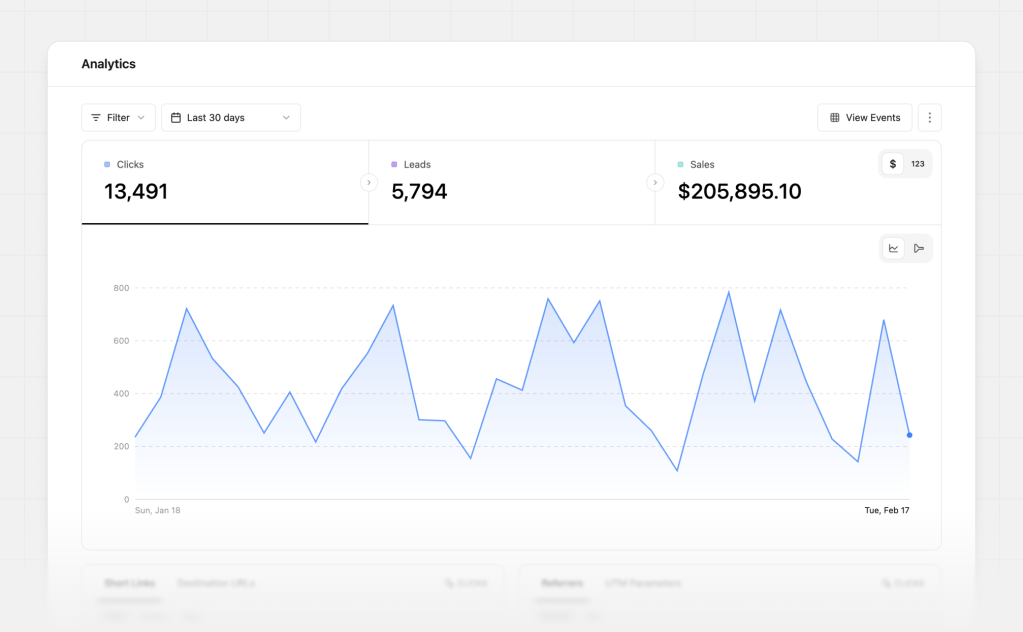
Voluum vs Dub is not a close matchup if you already know what kind of tracking problem you need to solve. Voluum is built for serious media buying, affiliate campaign optimization, fraud control, and big event volumes, while Dub is much easier to like if you care more about branded links, link attribution, conversion tracking, and running a partner program without bolting together extra software.
That split matters because a lot of people compare these two tools as if one is just a cheaper version of the other. It is not. One feels closer to a premium ad tracker for performance marketers, and the other feels closer to a modern attribution and affiliate growth tool for SaaS teams, creators, and brands that want cleaner reporting without a bulky setup.
This review is here to help you make the call fast. You will see where Voluum is still the stronger choice, where Dub is easier to justify, and whether you should buy now, wait, or pick the simpler route.
Article outline
- Quick snapshot: which one makes more sense right away
- What you get with each platform
- The good stuff
- Pricing and value
- Why buying now can make sense
- Alternatives worth considering
- Final verdict
- FAQ
Quick snapshot: which one makes more sense right away
Most buyers do not need a long theory lesson here. If you run paid traffic at scale, need deeper optimization controls, care about anti-fraud protection, and want an ad tracker built around campaign routing, Voluum looks like the stronger tool.
If you want cleaner link tracking, branded short links, conversion attribution, and a built-in way to run an affiliate or referral program, Dub is usually the easier buy. It also costs a lot less to test, which matters when you are still validating whether you even need a heavier platform.
Explore DubWhy these tools feel so different in practice
Voluum is expensive because it is trying to help you control and optimize serious traffic operations. Its pricing and feature set lean into automation, routing logic, fraud filtering, bigger event ceilings, and the kind of reporting that matters when ad spend is already high.
Dub feels more approachable because it starts with the stuff many teams actually need first: branded links, attribution, analytics retention, conversion tracking, custom domains, and a built-in affiliate layer through Dub Partners. That makes it easier to test, easier to explain to a team, and easier to justify before your traffic operation gets complex.
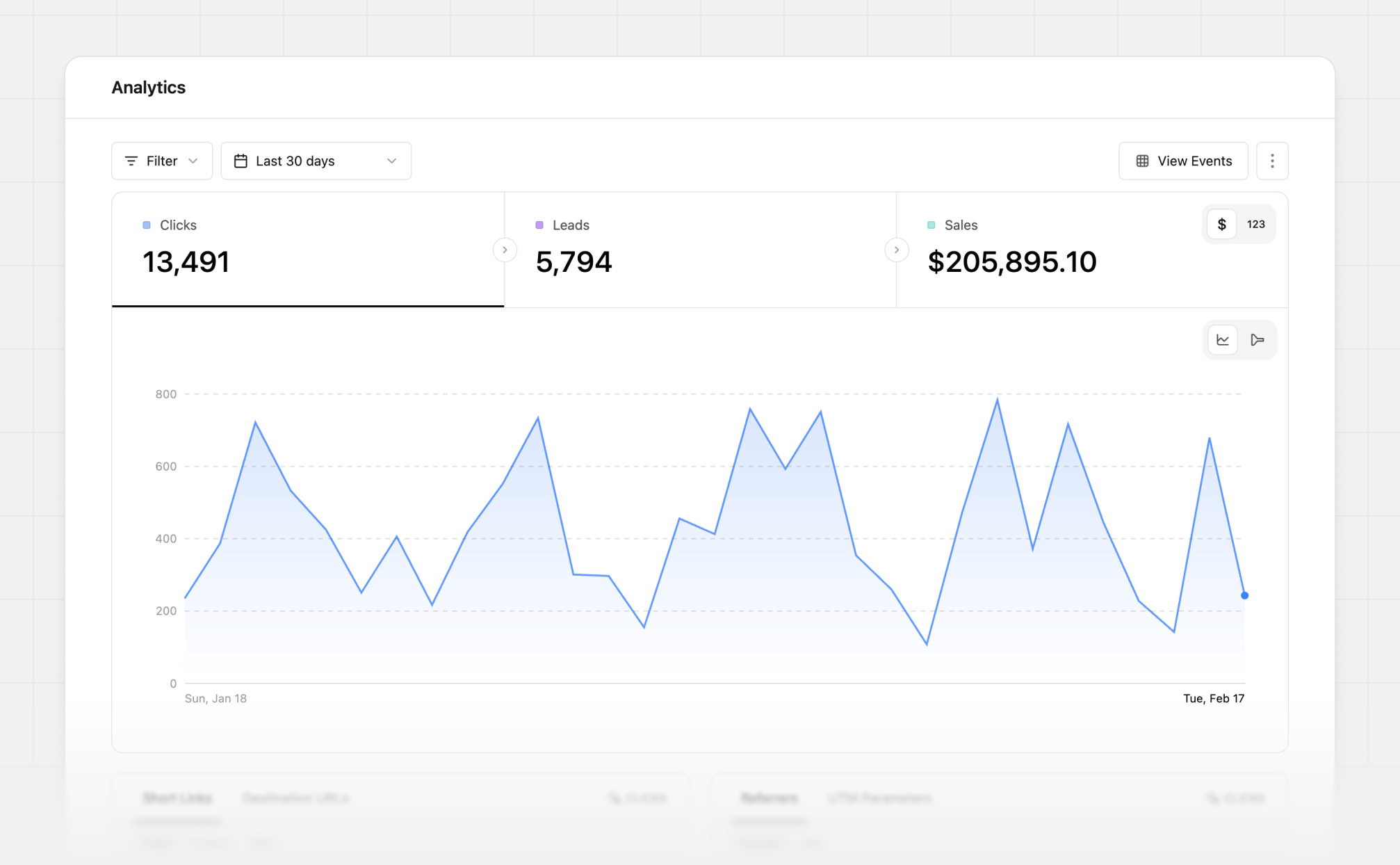
Image source: Dub
That screenshot is a good example of why Dub keeps getting attention. The product looks clean, the reporting is easy to scan, and you can see the immediate appeal for a founder, marketer, or affiliate manager who wants answers quickly instead of living inside a more technical tracker all day.
Voluum still wins when your operation is built around squeezing more profit out of paid traffic paths. Dub wins more often when you want a modern attribution layer that can also handle partner growth without making your stack heavier than it needs to be.
Who should keep reading this comparison
Keep going if you are choosing between a premium ad tracker and a lighter, more modern attribution platform, and you do not want to waste money on the wrong category. That is the real decision here.
The next section gets into the actual product experience and value. You will see what each platform gives you, where the pricing starts to make sense, and where one of these tools becomes overkill.
What you can actually test before spending real money
Dub is easier to evaluate because you can start on a free plan instead of jumping straight into a heavy monthly bill. The free tier includes 1,000 tracked events per month, 25 new links per month, 30-day analytics retention, 3 custom domains, QR codes, UTM templates, API access, and real-time analytics, which is enough to see whether the product fits your workflow.
That matters because most people comparing Voluum vs Dub are not trying to run a giant media-buying operation on day one. They want to know whether the tracking is clean, whether links are easy to manage, and whether the data makes sense without burning a few hundred dollars just to learn the interface.
Voluum plays a different game. Its pricing starts much higher, with the Individual Profit plan at $119 per month billed annually and Business plans going much higher, so the platform makes more sense once you already know you need a serious paid-traffic tracker instead of a simpler attribution layer.

Image source: Dub
That screen shows why Dub is easier to justify early. You can set the destination, control the short link, add tracking, and manage the preview without dealing with the more technical setup that comes with a tracker built mainly for performance marketers.
Paid Dub plans are also easier to map to actual needs. Pro starts at $25 per month billed yearly with 50,000 tracked events and 1 year of analytics retention, while Business moves to $75 per month with 250,000 tracked events, 3 years of retention, conversion tracking, A/B testing, customer insights, event webhooks, and access to Dub Partners.
The good stuff
Dub feels built for teams that want answers fast. The short links, conversion analytics, partner tracking, and branded domains all live in one place, so you are not patching together a link shortener, an attribution tool, and a separate affiliate platform just to see what is working.
That is the biggest reason Dub can beat Voluum for a lot of buyers. If your real goal is measuring campaigns, running branded links, and turning referrals or affiliates into revenue, Dub gets you there with less setup pain and a much lower financial commitment.

Image source: Dub
That funnel view gets right to the point. You can see how traffic turns into leads and sales instead of stopping at click counts, which is exactly what a founder, SaaS marketer, or affiliate manager usually wants when they are deciding whether a campaign is worth more budget.
Voluum is still stronger when your whole job is squeezing more profit out of paid traffic paths. Traffic Distribution AI, anti-fraud tools, bigger event limits, workspaces, and deeper campaign routing are real advantages, but they are only advantages if you will actually use them.
That is the catch. A lot of smaller teams pay for complexity they never touch, and that is where Dub starts looking like the smarter buy.

Image source: Dub
Dub also does a better job of feeling useful outside hardcore affiliate buying. QR codes, branded links, deep links, A/B testing, customer insights, and partner dashboards make sense for modern SaaS teams, newsletters, creators, and product-led brands that care about attribution but do not want an old-school tracker feel.
If you are just starting, that matters more than people admit. Cleaner setup usually means you publish faster, test faster, and learn faster.
Pricing and value
Dub is much easier to buy without overthinking it. Free gets you in the door, Pro at $25 per month is realistic for solo operators and small teams, Business at $75 per month is where the platform starts to feel serious, and Advanced at $250 per month still lands far below the kind of pricing that makes Voluum feel like a commitment.
Voluum is not overpriced for the buyer it is built for. It just becomes hard to justify when your real need is attribution, branded links, or affiliate program management instead of paid-traffic control at scale.
This is where related tools help clarify the choice. If Dub still feels like more than you need, a simpler publishing tool or a broader all-in-one system might be the better move.
See current pricingThat table makes the real buyer decision pretty obvious. Dub sits in the middle nicely: more serious than Buffer, more focused than GoHighLevel, and more polished for attribution than Systeme.io.
Why getting it now can make sense
Waiting usually does not save money if your current setup is messy. It just means more campaigns run without clear attribution, more partner traffic gets under-measured, and more time gets wasted stitching together tools that were never meant to work as one system.
Dub is easiest to justify when you already have traffic, content, or referrals happening right now. If people are already clicking links, signing up, or buying, you are better off tracking it properly than guessing which channel deserves credit.
Voluum still deserves the nod for advanced media buyers who need deeper optimization and fraud control. Most everyone else will find Dub easier to start, easier to understand, and a lot easier to defend on price.
If you are serious about attribution but not ready for a tracker that feels built for a full performance team, Dub is the smarter next step. It gives you enough power to make better decisions now without forcing you into Voluum-level commitment before you actually need it.
Get started with DubAlternatives worth looking at before you decide
Dub is the easiest recommendation for people who want branded links, conversion tracking, and partner management in one place without paying Voluum money. It is not the only option though, and that matters because the wrong tool usually feels expensive fast.
The real choice comes down to what you are trying to replace. If you need deeper paid-traffic control, Dub is not the winner. If you want a broader all-in-one marketing stack, or a cheaper tool for basic publishing, there are better fits than trying to force Dub into a job it was not built for.
Image source: Dub
That screen is why Dub keeps standing out in this comparison. You can go past vanity metrics and actually see the path from click to lead to sale without dragging five separate tools into the stack.
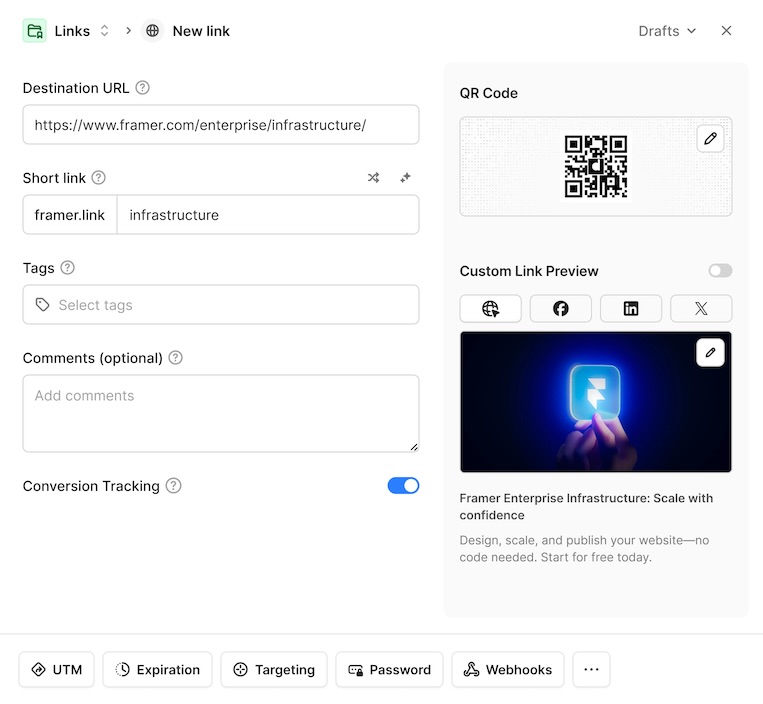
Image source: Dub
This matters if you care about speed. Dub makes it much easier to launch, tag, and track links than a heavier tracker, which is a real advantage when you want attribution without turning setup into a project.
Image source: Dub
This is also where Dub pulls away from simpler link tools. You are not just counting clicks. You are getting a cleaner read on which campaigns, channels, or partners are actually driving revenue.
Explore DubChoose Dub if you want the cleanest middle ground between basic link tools and a heavy paid-traffic tracker. Choose a cheaper option like Systeme.io or Buffer if your needs are still simple, and choose GoHighLevel if you want a much broader all-in-one business stack instead of a focused attribution tool.
My honest take
Dub is the better buy for most people searching Voluum vs Dub. Voluum still makes more sense for advanced media buyers, but it is hard to justify that price and complexity when what you really need is cleaner attribution, branded links, and a partner program that does not feel bolted on.
That does not mean Dub is perfect. If your entire business runs on aggressive paid traffic optimization, anti-fraud controls, and deep routing logic, Dub will feel too light and Voluum will still look like the stronger specialist.
For the right buyer, Dub is absolutely worth trying. It gives you enough power to track what matters, enough polish to use daily, and a low enough starting point that you can stop delaying the setup and start measuring real results now.
Image source: Dub
This is a good example of what Dub gets right. It takes something that could be clunky, like branded tracked links and QR-driven campaigns, and makes it feel usable for normal teams instead of only technical operators.
If your current setup feels messy, this will probably look a lot more attractive the moment you start mapping traffic to revenue. Waiting usually just means more clicks happen without clean attribution and more partner activity goes under-measured.
Check the official free trialFAQ
Is Dub cheaper than Voluum?
Yes, by a wide margin. Dub has a free plan and paid plans starting at $25 per month on annual billing, while Voluum starts much higher, so Dub is easier to justify if you are still validating your use case.
Is Dub enough for affiliate tracking?
For many SaaS teams, creators, and brands, yes. Dub is built to handle links, conversion attribution, and partner programs together, which is enough for a lot of referral and affiliate setups without needing a more complex tracker.
Who should skip Dub?
Skip it if your real need is advanced media-buying control at scale. Voluum is still the better fit when campaign routing, anti-fraud controls, and paid-traffic optimization are the core job.
Should you start now or wait?
Start now if traffic, referrals, or campaigns are already happening and you are still guessing what deserves credit. Wait if you have almost no traffic yet and just need the cheapest basic setup, because a lighter tool may be enough for the moment.
Get started with Dub Filip Konecny Enterprises