
Rebrandly and Dub can both shorten links, add custom domains, and give you analytics. The real decision is simpler than that: do you want a platform that leans more into branded link management, or one that pushes harder on attribution, conversion tracking, and modern workflows?
If you mainly care about clean branded links, QR codes, and a platform that feels built for marketing teams, Rebrandly still deserves a serious look. If you want stronger free-plan value, more generous custom-domain limits, and a more modern push into attribution, Dub is the one that will probably catch your eye faster.
This review is here to help you decide without wasting time. I’ll show you where each tool looks stronger, where the tradeoffs are, and which one is easier to justify right now.
Article outline
- Quick snapshot before we get into the details
- What you get in the free plan and paid plans
- The good stuff
- Pricing and value
- Who should pick which tool
- Alternatives worth considering
- My final verdict
- FAQ
Quick snapshot before we get into the details
The fastest way to separate these two is by asking what you want your link tool to do after the click. Rebrandly is strong when branding, QR campaigns, and link management are the main job, while Dub looks stronger when attribution and modern growth tracking matter more.
Dub’s current pricing page shows a free plan with 25 new links per month, 3 custom domains, QR codes, UTM templates, API access, and 30-day analytics retention. Rebrandly’s pricing page shows a free plan with 10 links per month, 10 QR codes, 1 custom domain, 1 free domain, custom back halves, and 1 link gallery, with paid plans starting lower than Dub but with tighter limits depending on the tier.
Explore DubThat table is the short version. Rebrandly is easier to justify when you mostly want a polished branded-link platform and do not need a lot of extra attribution logic, while Dub starts to look better when link tracking is supposed to feed real growth decisions instead of just reporting clicks.
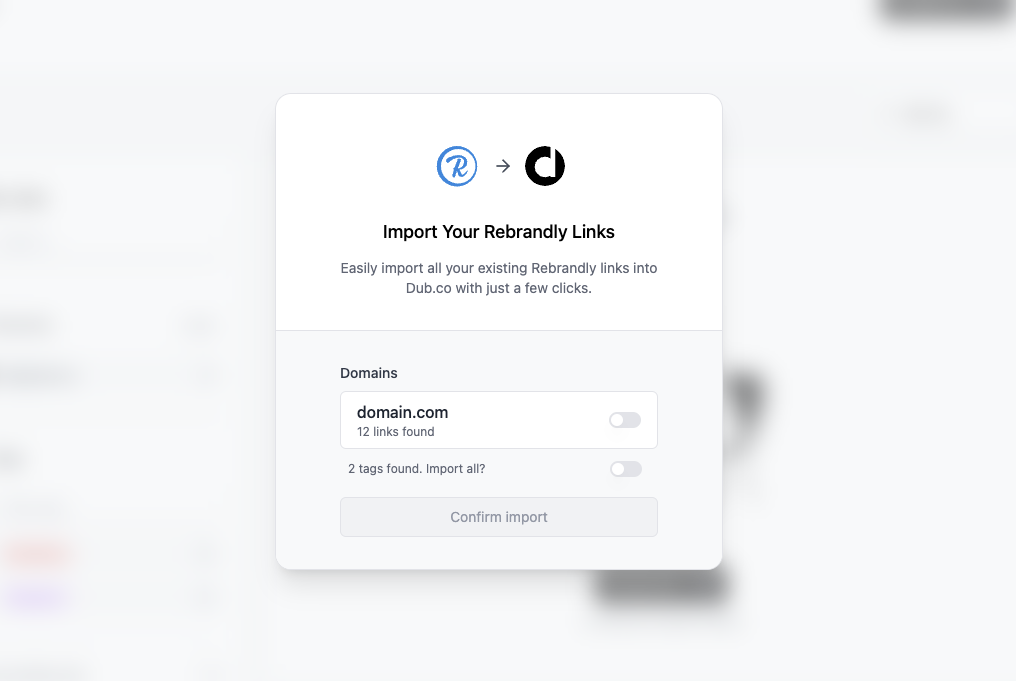
Image source: Dub migration assistants
This matters because switching link infrastructure can be annoying. Dub has publicly shown a Rebrandly migration assistant, which makes the move less painful if you already have branded links living somewhere else and do not want a manual rebuild.
Who should pick which tool
Pick Rebrandly if your main goal is brand-safe short links, domain control, QR code campaigns, and a platform that already feels established in that lane. Its pricing ladder also gives budget-sensitive buyers a cheaper paid starting point than Dub, which matters if you do not need heavy attribution yet.
Pick Dub if you care more about what happens after the click. The bigger free-plan allowance, built-in UTM templates, API access, and business-tier conversion tracking make it easier to treat links like a real measurement layer instead of just a prettier URL shortener.
Wait before buying either one if you barely publish links, do not use a custom domain, and would not look at the analytics anyway. In that case, even a basic free tool can hold you over until link management starts affecting real campaigns, reporting, or revenue.
What you get if you choose one of these
Dub gives you more room to test without paying. Its free plan includes 25 new links per month, 3 custom domains, QR codes, API access, UTM templates, and 30 days of analytics retention, which is enough to tell whether the product actually fits your workflow instead of just looking nice on a pricing page.
Rebrandly’s free plan is tighter, but it still covers the basics well. You get 10 links per month, 10 QR codes per month, 1 custom domain, 1 free domain, custom back halves, and 1 link gallery, so it works if your main goal is branded links rather than deeper tracking.
Paid plans separate these tools faster. Dub starts to earn its price once you care about longer analytics retention, higher link volume, A/B testing, customer insights, and conversion tracking, while Rebrandly makes more sense when you want a cleaner branded-link and QR-code setup without paying for a heavier attribution layer you may not use.
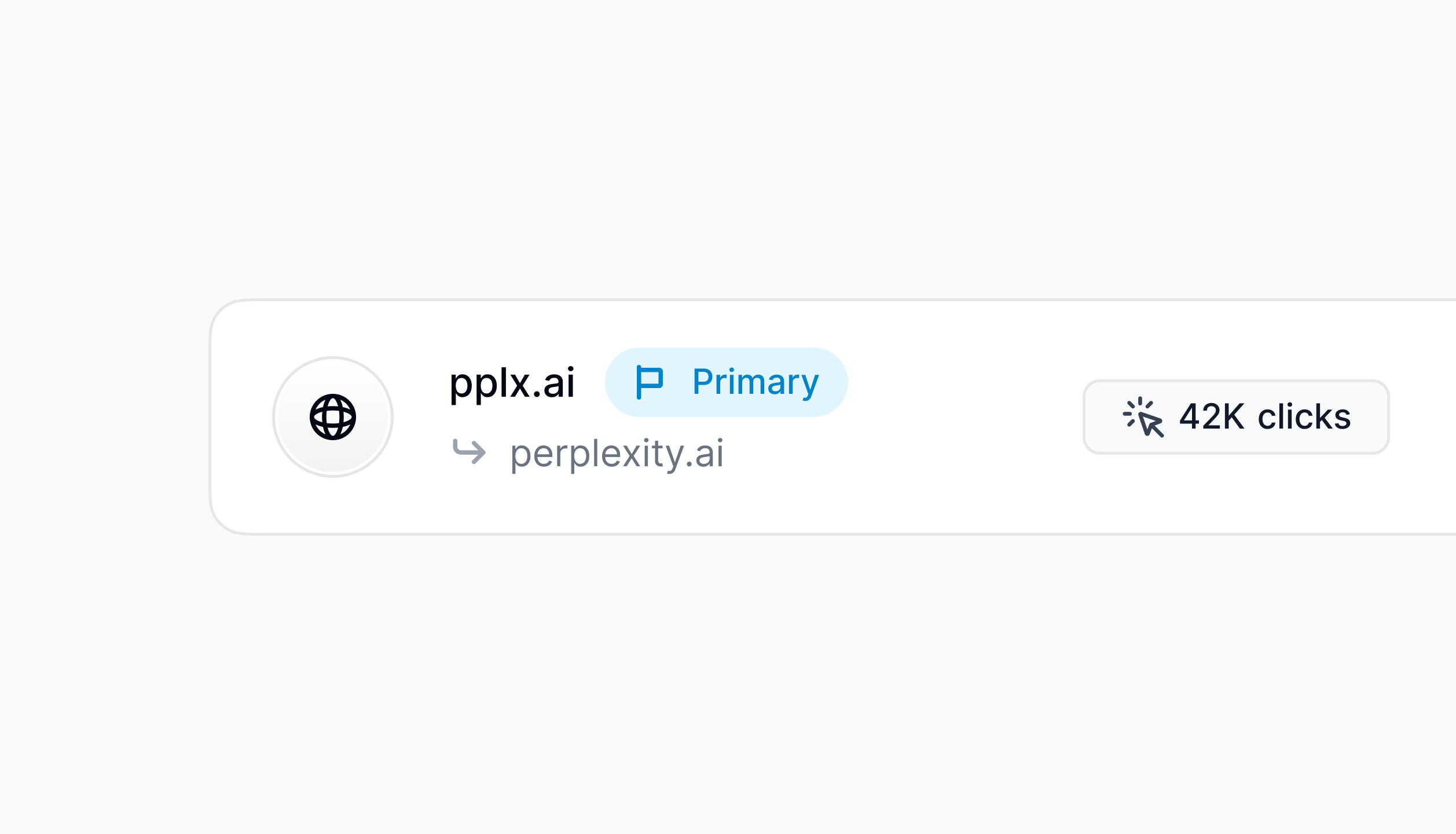
Image source: Dub
That custom-domain angle matters more than most people think. Dub leans hard into it, and the free plan giving you three custom domains is a real advantage if you manage multiple brands, client projects, or campaign-specific short links.
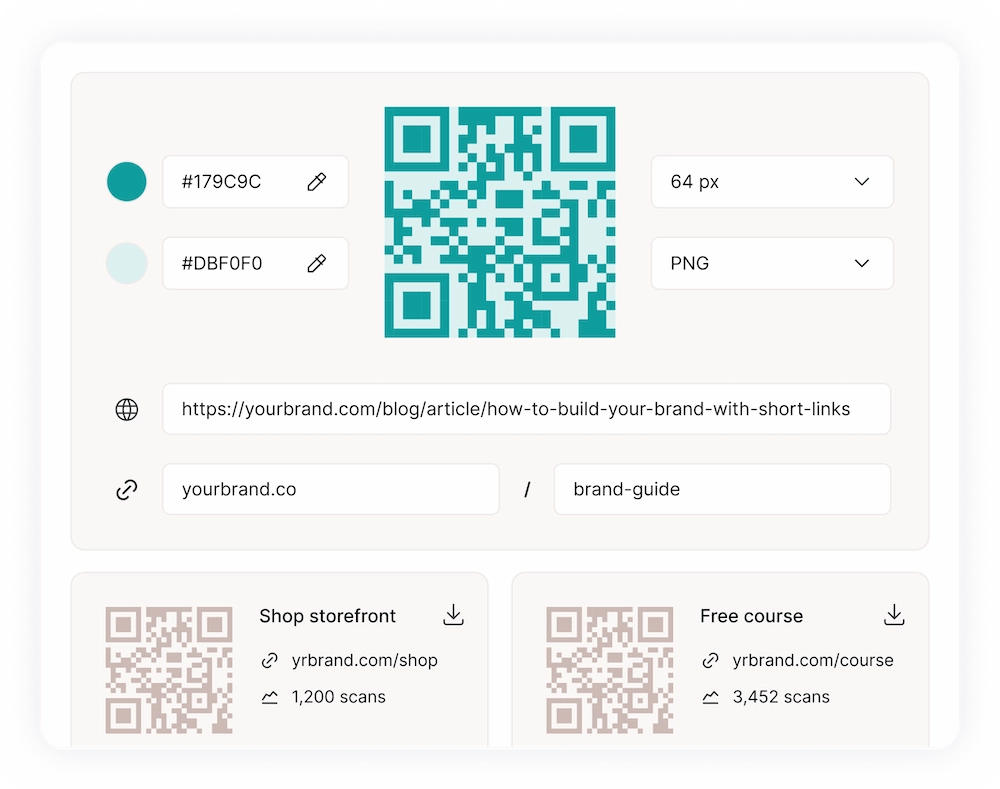
Image source: Dub
Rebrandly still looks attractive if QR codes are a big part of the job. The platform puts a lot of emphasis on editable QR destinations, branded styling, and separate scan reporting, which is exactly the stuff you care about when print, packaging, events, or offline promos are in the mix.
The good stuff
Dub feels stronger if you want links to behave like a lightweight attribution system, not just a shortener. Business plans add conversion tracking, customer insights, and A/B testing, which is a real step up from basic click counts when you are trying to connect links to revenue or signups.
Rebrandly’s advantage is focus. It stays very good at the core job: branded links, editable destinations, QR campaigns, detailed click reporting, link galleries, and the kind of domain control that makes marketing teams feel safer about what they are publishing.
Dub also looks more generous for technical teams. Free API access, UTM templates on the free plan, and better custom-domain allowances mean you can test real workflows before the price conversation gets serious.
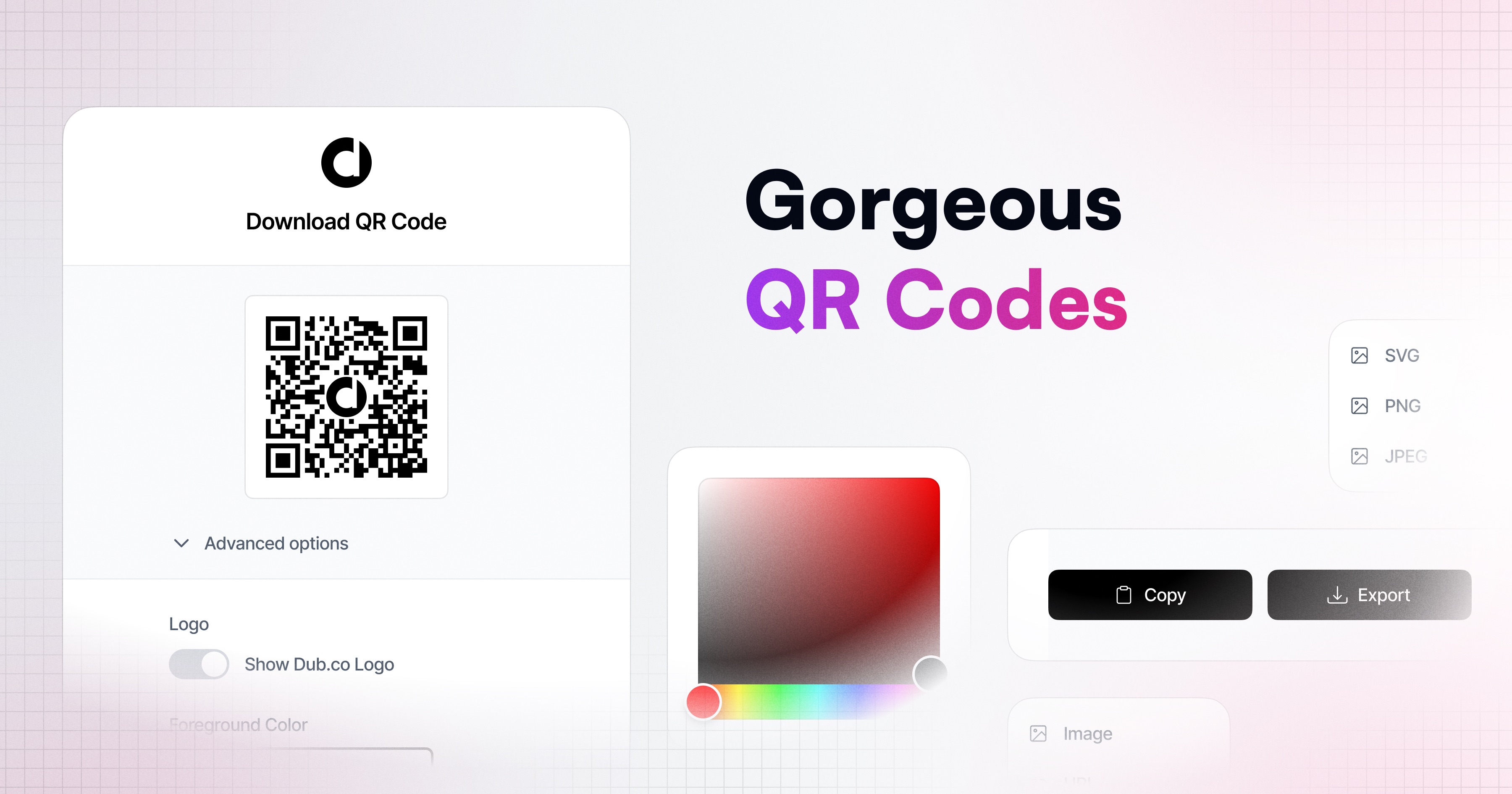
Image source: Dub
QR codes are another place where Dub keeps stacking value. Every short link gets a QR code, and that removes one more annoying step if you are constantly moving between web campaigns, print assets, event material, and social content.
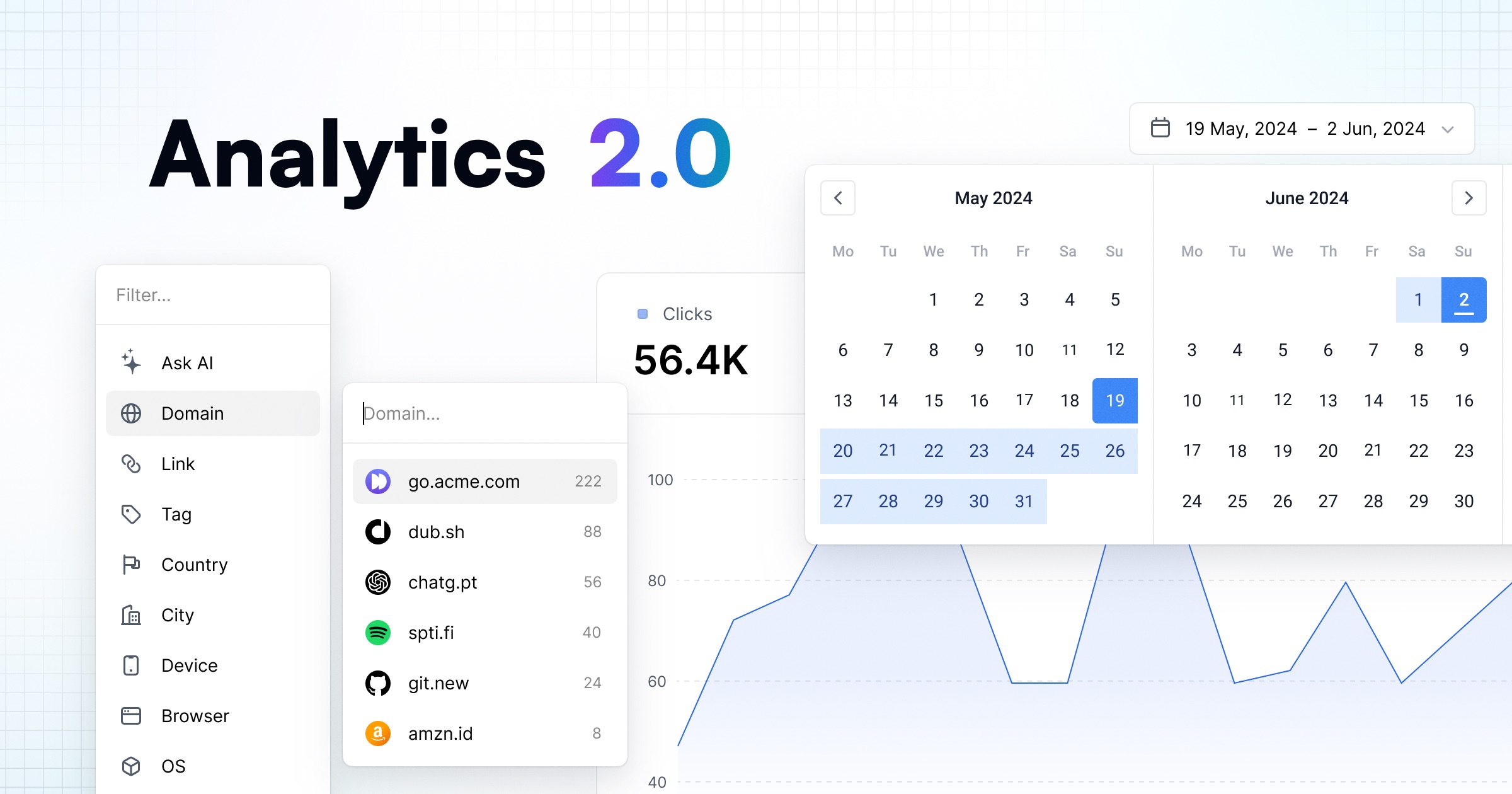
Image source: Dub
Analytics is where Dub starts to pull ahead for growth-minded buyers. If you already run campaigns and hate guessing which links, channels, or partners are actually producing results, Dub looks more like a tool you can build decisions around.
Here’s the catch. Rebrandly is easier to justify if your needs are simpler, because not everyone needs conversion events, deeper attribution, or extra analytics layers just to manage a clean branded URL setup.
Pricing and value
Rebrandly wins on cheaper entry pricing. Its Essentials plan starts at $8 per month billed yearly, then moves to Professional at $22 and Growth at $69, while Dub starts at $25 for Pro and $75 for Business.
Dub wins on free-plan value and on what paid plans are trying to do. You are paying more because the platform is moving beyond link branding into attribution, testing, and conversion measurement, so the extra spend only makes sense if that payoff matters to you.
Explore DubThat pricing gap tells you exactly who should buy what. Rebrandly is the easier yes for lighter use cases, while Dub becomes easier to justify once links are part of your reporting stack instead of just your publishing stack.
A broader tool can be smarter if you are already shopping for more than link management. GoHighLevel makes more sense if you want CRM, funnels, automations, forms, and pipeline tracking in one place, and Buffer is the better pick if your real problem is scheduling and distributing social content rather than measuring branded links deeply.
Why buying now can make sense
Link tracking usually looks optional until campaigns get messy. Once you are juggling paid traffic, creator links, QR campaigns, partner links, or multiple domains, staying manual starts costing more in confusion than the software costs in dollars.
Dub is the better move now if you already care about attribution and want one place to track links, QR scans, and conversion behavior. Waiting usually means you keep publishing links that tell you less than they should, and that slows down decisions you could already be making.
Rebrandly is the better move now if your priority is trust, brand control, and easy-to-manage short links without paying for a heavier growth stack. If that sounds like you, buying sooner is less about speed and more about cleaning up your link infrastructure before it gets annoying.
Dub is still the one I would lean toward for the right buyer. If you want the stronger upside and you are serious about measuring what happens after the click, get started with Dub and see whether the extra tracking actually changes how you run campaigns.
Alternatives worth considering
Rebrandly vs Dub stops being a close fight once you decide what job the tool needs to do. If you want cleaner branded links and QR campaigns at a lower starting cost, Rebrandly is still a very reasonable buy, but if you want links to feed attribution, testing, and better reporting, Dub is the stronger pick.
A different tool can make more sense if link management is only part of the problem. Buffer is better if social scheduling is the real job, and GoHighLevel is better if you want CRM, funnels, forms, automations, and client management in one system.

Image source: Dub
Dub looks more modern in the actual link-management view, and that matters more than it sounds. If you are inside the tool every day, the cleaner UI, stronger analytics focus, and easier migration path from Rebrandly make it easier to justify paying more.

Image source: Buffer
Buffer only belongs in this conversation if your main frustration is content publishing, not short links. If you mostly need scheduling, post queues, and lightweight social analytics, Buffer is cheaper and simpler than paying Dub or Rebrandly to solve the wrong problem.
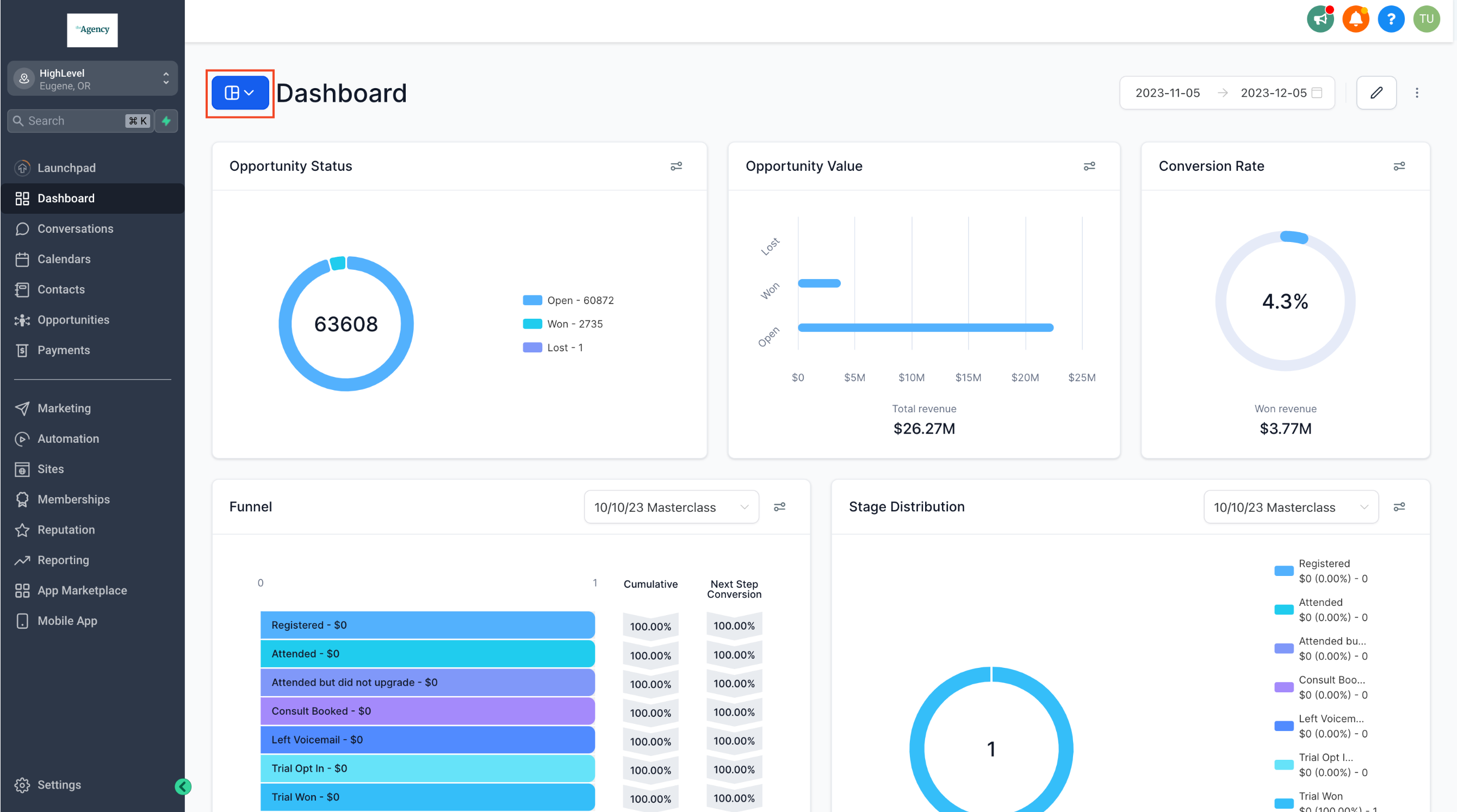
Image source: GoHighLevel
GoHighLevel is the opposite kind of alternative. It is not the cleaner dedicated link tool, but it can be the smarter buy if you are already trying to replace a stack of tools and want links, funnels, CRM, calendars, automations, and reporting under one roof.
Explore DubChoose Dub if you want the best mix of branded links and useful attribution. Choose Rebrandly if you want the cheaper dedicated option, choose Buffer if social scheduling is the actual need, and choose GoHighLevel if you want a broader revenue stack instead of a specialist link tool.
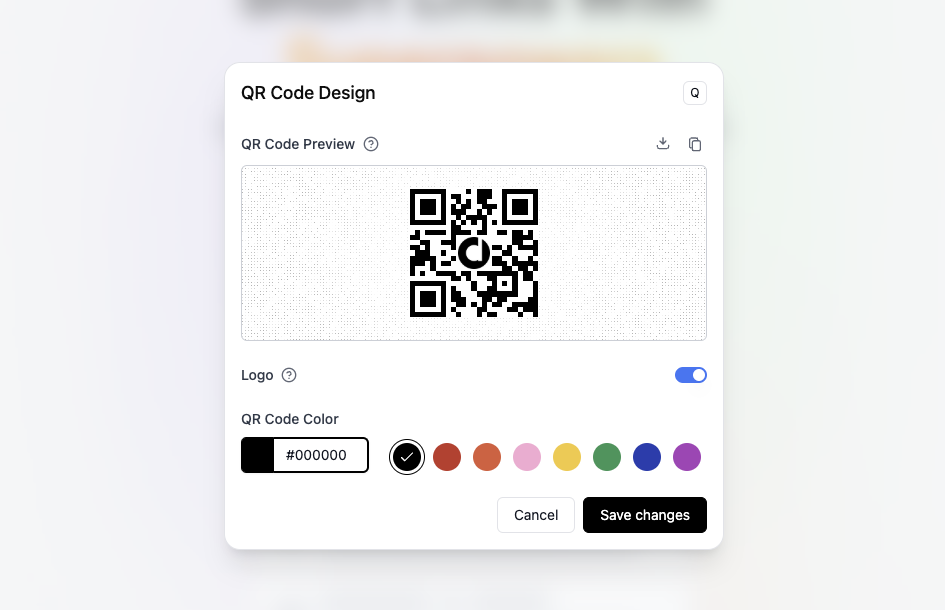
Image source: Dub
That is why Dub ends up looking like the best choice for the right buyer. It still handles the brand side well, but it gives you more upside once links stop being a cosmetic detail and start becoming part of how you measure campaigns.
My final verdict
Dub is the better pick for most people deciding between Rebrandly vs Dub today. The free plan is more generous, the analytics story is stronger, and the product feels closer to a real attribution tool than a basic branded-link utility.
Rebrandly is not a bad choice at all. It still makes sense if your budget is tighter, your main use case is branded links plus QR codes, and you do not need the extra depth Dub is charging for.
Buying Dub now makes sense if you are already running campaigns and care about what happens after the click. Waiting usually means you keep using links that look fine on the surface but tell you less than they should, and that slows down decisions that could already be clearer.
Skipping both tools makes sense if you barely publish links, do not use custom domains, and would not check the analytics anyway. In that case, save the money for now and come back once link performance actually affects your marketing.
For the right buyer, Dub is absolutely worth trying. If you want the cleaner growth-oriented option instead of the cheaper basic option, see current Dub options here and decide whether the extra reporting upside is worth it for how you work.
FAQ
Is Dub actually worth paying more for?
Yes, if you will use the analytics and attribution features. No, if all you need is a branded short link and the occasional QR code.
Is Rebrandly better for beginners?
Rebrandly can be easier to justify for beginners because the paid entry point is lower. Dub is still beginner-friendly, but the value shows up faster once you already care about measurement.
Can Buffer replace Dub or Rebrandly?
Not really. Buffer is a smarter buy if content scheduling is the main job, but it is not a dedicated branded-link attribution platform.
Can GoHighLevel replace Dub?
Sometimes, yes. If you are trying to consolidate CRM, funnels, automations, forms, and marketing operations, GoHighLevel can be the broader answer, but it is heavier and pricier if links are your main concern.
Should you choose Dub now, later, or not at all?
Choose Dub now if you already publish serious campaign links and want better decisions from better data. Wait if you are still too early to care about attribution, and skip it if a simple free shortener already covers everything you actually do.
If you are serious about tracking what your links are doing instead of just shortening them, Dub is the one I would lean toward. It gives you more room to grow into the tool instead of outgrowing it too fast.
Get started with Dub Filip Konecny Enterprises