
ManyChat and Intercom both handle customer conversations, but they are not chasing the same win. One is built to turn social DMs into leads and sales, while the other is built to help support teams manage customer service across a lot more channels.
That difference matters because plenty of buyers compare them anyway, then end up paying for the wrong kind of tool. If you want Instagram, WhatsApp, Messenger, and TikTok automation that helps you capture leads fast, ManyChat usually makes more sense. If you need a serious help desk with AI, tickets, inbox routing, and support operations, Intercom is playing a different game.
This review is here to help you stop guessing. You will see where ManyChat wins, where Intercom is stronger, and whether you should try ManyChat now, wait, or skip it.
Article outline
- The quick take
- What you get, what it costs, and where ManyChat earns its money
- Alternatives, final verdict, and who should buy
The quick take
ManyChat is the easier buy for creators, coaches, ecommerce brands, local businesses, and marketers who live inside social media. You can start free, the entry price is much lower, and the platform is built around automated conversations on Instagram, WhatsApp, Messenger, and TikTok instead of a full support stack.
Intercom makes more sense when support is the main job. It gives you a broader customer service setup with omnichannel support, AI features, help desk workflows, routing, and more structure for teams, but that also means more cost and more setup.
That is the main reason this comparison is useful. If your real goal is getting more leads or sales from social DMs, Intercom will usually feel expensive and overbuilt, while ManyChat gets you moving faster.
That table tells the story fast. ManyChat is usually the better value when your audience is already talking to you on social and you want those conversations to turn into subscribers, leads, bookings, or buyers without doing everything by hand.
Image source: ManyChat Help
Why this comparison confuses people
Both tools talk about automation, AI, and customer conversations, so on the surface they sound close. They are not close in the way most buyers need them to be.
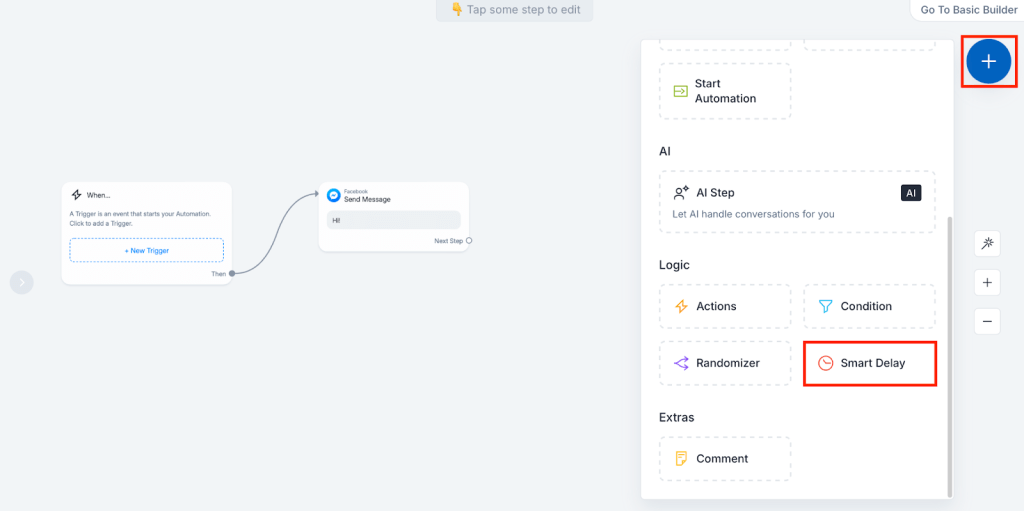
ManyChat is built around conversation-driven marketing. You set up automations that reply to comments, DMs, keywords, story mentions, and other social actions so people move into a lead flow, product flow, or booking flow without your team replying manually every time.
Intercom is built around customer service operations. It is stronger when your problem is handling support across live chat, email, phone, SMS, WhatsApp, social, tickets, and AI-assisted support workflows from one place.
That makes ManyChat feel lighter, faster, and easier to justify for smaller teams. It also makes Intercom feel stronger for larger support-heavy businesses, but that strength is not free and it is not always necessary.
Who should care about this review
You should keep reading if you are choosing between these tools because you want better conversations, more automation, and less manual follow-up. That is where the wrong choice can waste both money and momentum.
ManyChat deserves the harder look if you sell through Instagram, WhatsApp, Messenger, or TikTok and want a tool that helps you capture demand the second it shows up. That is the buyer who usually gets the clearest payoff fast, because the software helps turn attention into action instead of letting messages pile up.
Intercom deserves the harder look if your company already has a supp
What you get before you pay
ManyChat does not really win people over with a classic free trial. It gives you a free plan instead, which is usually better for the kind of buyer comparing ManyChat vs Intercom because you can start building without a credit card hanging over you.
The free plan covers up to 1,000 contacts and gives you basic automation on Instagram DMs, Facebook Messenger, and TikTok beta. You also get unlimited custom flows, basic growth tools, 10 tags, 3 keywords, 2 sequences, and one team member seat, which is enough to tell pretty quickly whether this fits how you sell.
That matters because Intercom starts as paid software and gets expensive faster once you add seats and AI usage. ManyChat lets you test the core idea first: can automated social conversations actually save you time and turn attention into leads or sales.
Image source: ManyChat
What changes when you upgrade
ManyChat Pro starts at $15 per month and scales with your contact count. That paid jump is where the tool starts feeling much more serious, because you unlock WhatsApp, SMS, Email, unlimited growth tools and keywords, unlimited tags and custom fields, analytics, integrations, and no ManyChat branding.
That is the point where ManyChat stops being a nice experiment and starts replacing manual follow-up. If your inbox gets messy, your team keeps answering the same questions, or you want comments and DMs to feed a real sales flow, Pro is where the payoff becomes obvious.
Intercom is still the stronger product for structured customer support teams. ManyChat is the stronger buy when the job is faster lead capture and social selling, not building a full support desk.
Image source: ManyChat
The good stuff
ManyChat is easier to justify because it stays close to one outcome: turning social conversations into action. You can reply to comments, send private DMs, deliver links, collect emails or phone numbers, qualify people, and keep the conversation moving without sitting in your inbox all day.
Setup looks far less intimidating than Intercom for most small teams. The visual builder is made for marketers and business owners, not just support managers, so beginners can get something useful live without feeling like they bought enterprise software by mistake.
The comment-to-DM flow is a big reason people stick with it. When someone comments on a post or reel, you can reply publicly, continue in DMs, and move that person toward a link, lead magnet, product page, or booking step while the interest is still fresh.
Image source: ManyChat
That is also why ManyChat beats doing this manually. Manual replies work when volume is tiny, but once comments, story replies, and DMs start stacking up, speed drops, leads get missed, and follow-up gets inconsistent.
ManyChat is not perfect. If you need advanced ticketing, deeper support routing, or a broader service stack for a bigger team, Intercom still has more depth there.
It is also not the best fit if you want one giant all-in-one business operating system. If you want pipelines, booking, websites, CRM-heavy workflows, and broader agency features in one place, GoHighLevel is the broader tool even though it costs a lot more.
Image source: ManyChat
How the pricing looks next to other options
ManyChat is not the cheapest tool on earth once your contacts grow and you add channels like WhatsApp, SMS, or AI features. It is still much easier to stomach than Intercom if your real goal is marketing automation on social instead of a support platform with seat-based pricing.
GoHighLevel can replace more tools, but it starts at a much higher price and makes sense for a different buyer. If you mostly want Instagram, WhatsApp, Messenger, and TikTok automation that helps you capture leads fast, ManyChat is the cleaner buy.
Check the official free planWhy you should get it now, and when you should wait
You should try ManyChat now if people are already commenting, messaging, or asking the same questions over and over. That is when the software earns its keep quickly, because every delayed reply and every missed DM is already costing you attention, leads, or sales.
You should probably wait if you do not have an offer, an audience, or a channel worth automating yet. ManyChat helps most when demand already exists and you need a cleaner system to handle it.
You should skip it if your main problem is support operations instead of marketing conversations. In that case, Intercom may be the better fit, even if it costs more.
For the right buyer, though, this is absolutely worth trying. If your current setup feels manual, messy, and slow, ManyChat is one of the easier ways to fix that without jumping straight into a much heavier tool.
Other options worth considering before you decide
ManyChat vs Intercom is not the only decision. The right choice depends on whether you want simple social automation, a full support system, or a bigger all-in-one stack that replaces more tools.
This table makes that decision easier without overcomplicating it.
Try ManyChat for freeIf your main goal is turning conversations into leads and sales, ManyChat is the easiest choice here. If your problem is support tickets, go Intercom. If you want a bigger all-in-one system, GoHighLevel fits better, but costs more and takes longer to learn.
Image source: ManyChat
My honest take
ManyChat vs Intercom is not really about which tool is “better.” It is about whether you are solving a marketing problem or a support problem.
ManyChat is the better buy for most small and mid-sized businesses because it helps you act on attention immediately. Comments turn into DMs, DMs turn into leads, and leads move into offers without you chasing every message manually.
Intercom is stronger if you already have scale, support volume, and a team that needs structure. If that is not your situation yet, it can feel expensive and unnecessarily complex.
ManyChat is not perfect. It will not replace a full help desk, and it is not trying to. But for social-driven growth, it solves a very real problem quickly.
Image source: ManyChat
FAQ
Is ManyChat cheaper than Intercom?
Yes, in most cases. ManyChat starts with a free plan and scales based on contacts, while Intercom uses seat-based pricing and add-ons that can increase costs faster.
Can ManyChat replace Intercom?
Not fully. ManyChat focuses on marketing conversations and automation, while Intercom focuses on structured customer support and help desk workflows.
Is ManyChat hard to set up?
Most users find it easier than tools like Intercom. The visual builder and templates make it possible to launch basic automations without technical experience.
Who should not use ManyChat?
Businesses that need advanced support ticketing, large support teams, or complex customer service workflows will likely find Intercom more suitable.
Image source: ManyChat
Should you try it now?
If you are already getting comments, DMs, or inbound messages, waiting usually means missed leads and slower follow-up. That cost is invisible, but it adds up fast.
If you have nothing to automate yet, you can wait. If you already have attention but no system, this is one of the easier upgrades you can make.
For the right buyer, this is absolutely worth trying. You can start simple, see if it fits your workflow, and only upgrade once it proves useful.
Get started with ManyChat Filip Konecny Enterprises