
Most HighLevel reviews fall into two bad camps. They either act like HighLevel is a miracle machine that fixes everything, or they complain about the learning curve without explaining why people still stick with it.
That is not very helpful when you are the one deciding whether to move your CRM, funnels, automation, calendars, messaging, and client management into one platform. You do not need more hype. You need to know whether HighLevel will save you time, replace enough tools to justify the cost, and make your setup easier instead of more complicated.
This review is built to answer that. I am going to show you where HighLevel looks like a smart buy, where it feels like overkill, what you actually get when you start, and when a cheaper alternative makes more sense so you can decide whether to start now, wait, or skip it.
Article Outline
Use these page jumps if you want to skip straight to the part that matters most to your decision.
- Is HighLevel worth trying at all?
- What you get in the trial
- The good stuff
- Pricing and value
- Why you might want to start now
- Alternatives to consider
- My final verdict
- FAQ
Is HighLevel worth trying at all?
For the right buyer, yes. HighLevel gets interesting when your business is already piecing together too many tools for leads, follow-up, booking, texting, email, funnels, reporting, and client accounts.
That is the real appeal here. You are not paying for one shiny feature. You are paying for the chance to stop duct-taping half your business together and run more of it in one place.
That also explains why some people love it and some people bounce off it fast. If you only need a simple funnel builder or a basic email tool, HighLevel can feel like far more software than you need.
If you run an agency, manage multiple clients, sell marketing services, or want to build a more centralized system for your own business, it starts to make a lot more sense. The bigger your mess of tools already is, the stronger HighLevel tends to look.
Price is the first objection most people have, and that is fair. HighLevel is not the kind of tool you buy just to “play around” with unless you already know what you want to build.
The better question is whether it replaces enough paid tools and enough manual work to earn that price back. That is where many HighLevel reviews miss the point, because this is usually not a direct one-tool purchase. It is more like a stack replacement decision.
Ease of use is the second big objection. HighLevel is usable, but it is not the kind of platform where absolute beginners should expect everything to feel obvious in the first hour.
You are dealing with funnels, automations, pipelines, calendars, forms, messaging, and client settings in one system. That is powerful, but it also means there is more to learn than there is with a lighter tool built for only one job.
That does not automatically make it a bad buy. It just means you should be honest about what stage you are in.
If you already have an offer, clients, leads, or a working sales process that needs better systems, HighLevel can be a smart next step. If you are still trying to figure out what you even want to sell, a simpler and cheaper tool may be the better move for now.
This is also why waiting is not always the safe option people think it is. When your current setup is scattered across too many tools, delay usually means more manual follow-up, more missed leads, more messy reporting, and more time lost moving between platforms.
That does not mean everyone should rush in today. It means the right buyer should stop treating software decisions like neutral admin work, because the platform you use changes how fast you can launch, follow up, and sell.
So my starting take is pretty simple. HighLevel is worth a serious look if you want one platform to handle a big chunk of your sales and marketing operations, and it is much less compelling if you only need one small piece of that puzzle.
The rest of this review is where that gets clearer. Next, I am going to break down what you actually get when you start, what stands out once you are inside, where the pricing feels fair or frustrating, and who should pick HighLevel over cheaper alternatives.
What you get in the trial
The free trial is better than a watered-down demo. HighLevel gives you 14 days on the tier you choose, and the pricing page says you get full access to that tier so you can build funnels, set up automations, and test the system before paying.
That matters because this is not a tool you understand from a landing page alone. You need to see whether your forms, calendars, pipelines, emails, and follow-up logic can actually live in one place without turning into a mess.
The trial also works best for buyers who are already close to action. If you already have an offer, a lead source, or client work to plug in, 14 days is enough to tell whether this feels like a real upgrade or just more software to babysit.
If you are still figuring out your niche, your offer, or your sales process, the trial can feel short. HighLevel is easier to judge when you know what you want it to do.
Month-to-month billing helps here too. There is no long contract, which lowers the risk if you want to test it seriously instead of debating it forever.
That is why I would not treat the trial like a casual look-around. Use it to build one live funnel, one automation, one booking flow, and one follow-up sequence, then you will know pretty fast whether the platform earns its price.
If you want to skip the back-and-forth and see the current offer, check the official free trial.
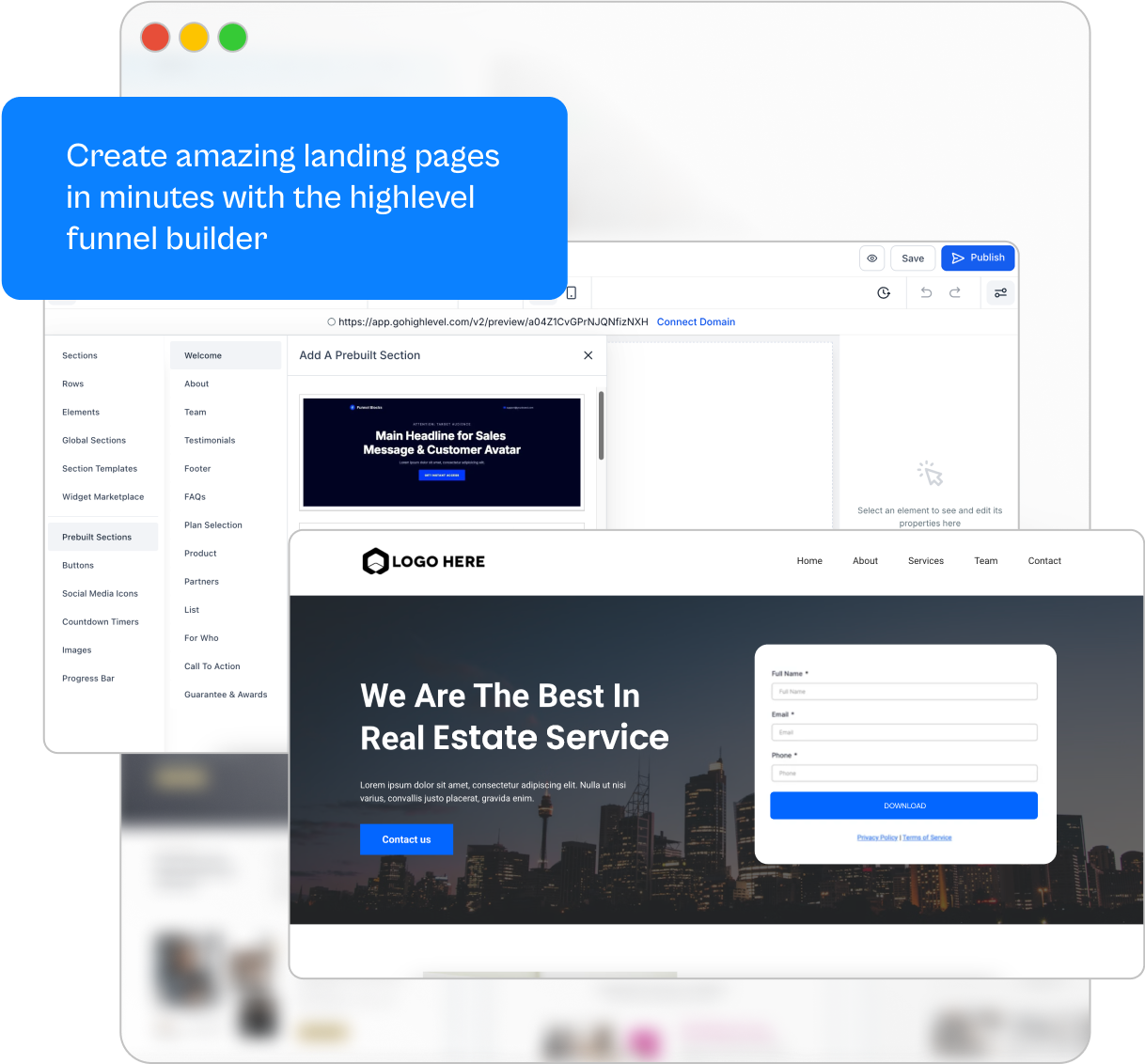
Image source: HighLevel homepage
The good stuff
HighLevel starts to look strong when you stop judging it like a single-purpose app. The platform combines CRM, funnels, forms, calendars, automation, messaging, reputation tools, courses, and client account management in one system, which is exactly why it appeals to agencies and service businesses.
The big payoff is not just having more features. The payoff is that your lead can fill out a form, land in your pipeline, get tagged, receive an email or text, book a call, and trigger follow-up without you stitching together a bunch of separate tools.
That is where a lot of positive HighLevel reviews are coming from. G2 feedback repeatedly talks about centralizing outreach, automations, and client communication, which lines up with the product’s real positioning instead of sounding like generic praise.
Sub-accounts are another big reason people pay for it. Starter gives you 3 sub-accounts, while Unlimited opens that up for agencies that need to manage multiple clients without paying more every time they onboard someone new.
White-label and SaaS options are where HighLevel separates itself from lighter tools. If you want to resell the software, create client accounts automatically, and rebill usage with markup, that is built into the higher plans instead of being some awkward workaround.
Support for bookings, reminders, and follow-up also makes this easier to justify for local businesses and agencies. A lead can move from inquiry to scheduled appointment to reminder flow without you paying for another calendar tool and another follow-up tool on top.
The catch is still the learning curve. HighLevel gives you a lot, and that means setup takes longer than a lighter funnel builder or a cheap beginner platform.
That does not make it a bad buy. It just means the platform rewards people who want a real operating system more than people who want the fastest possible beginner setup.
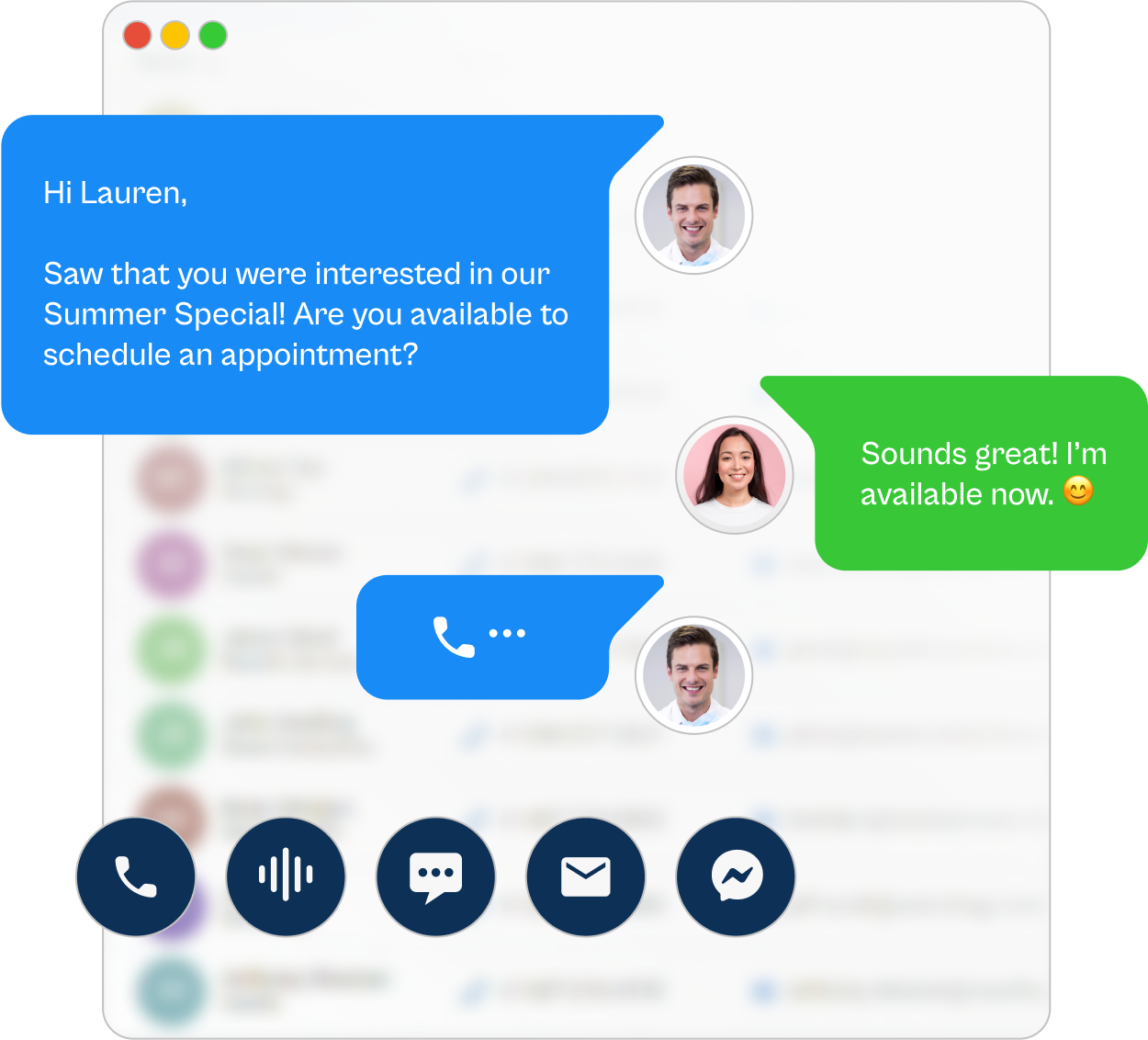
Image source: HighLevel homepage
Pricing and value
HighLevel’s base pricing is simple enough to understand. Starter is $97 per month, Unlimited is $297 per month, and Agency Pro is $497 per month.
Starter is for a solo operator or small business that wants the core system without needing unlimited client accounts. Unlimited is the plan where agencies usually start paying for scale, because that is where unlimited sub-accounts and rebilling for phone and email without markup kick in.
Agency Pro is the plan for people who want to turn the software into their own offer. SaaS Mode, automated sub-account creation, rebilling with markup, and advanced API access are the real reasons to move up.
Extra costs are real, and you should know that before buying. HighLevel’s help docs make it clear that phone, email, AI, and some add-ons use wallet or usage-based pricing, so this is not one flat bill if you go heavy on communication or add-ons.
That does not bother me as much as hidden feature gates would. Usage-based pricing is easier to accept when it replaces outside providers and when higher plans let agencies rebill those costs to clients.
Check the official free trialCompared with ClickFunnels, HighLevel usually wins when you need more than funnels. ClickFunnels is easier to justify if your whole business is basically pages, offers, checkout, and a cleaner funnel-first workflow.
Compared with Systeme.io, HighLevel is the more serious agency tool, but also the harder sell for someone protecting every dollar. Systeme.io is easier to recommend when budget is the main issue and you can live without the deeper client-account, white-label, and SaaS-style pieces.
That is why HighLevel pricing feels fair for the right buyer and expensive for the wrong one. If it replaces enough of your stack and enough manual work, the price makes sense fast.
Why starting sooner can make sense
Waiting sounds safe, but it often keeps the exact same problems in place. More leads slip through, more follow-up gets missed, and more of your time goes into bouncing between tools instead of building the system once.
HighLevel is easiest to justify when your current setup already feels messy. If you are paying for a funnel tool, a calendar tool, a texting tool, email software, and a CRM, delay usually means you keep paying for overlap while still doing extra manual work.
The platform also makes more sense when you already sell something. A live offer, active leads, or client campaigns give you a real test case, which makes the trial and the monthly price much easier to judge honestly.
Beginners should be more careful. If you have no offer, no sales process, and no traffic, HighLevel will not magically solve that, and a simpler tool may be the better place to start.
For agencies, though, the logic is stronger. Unlimited sub-accounts, rebilling, client management, and the option to move into SaaS Mode can change the economics of how you deliver services.
That is the main reason I would not overthink this forever. If your business already needs tighter follow-up and a more central system, HighLevel is worth testing now instead of dragging the same clunky setup into another quarter.
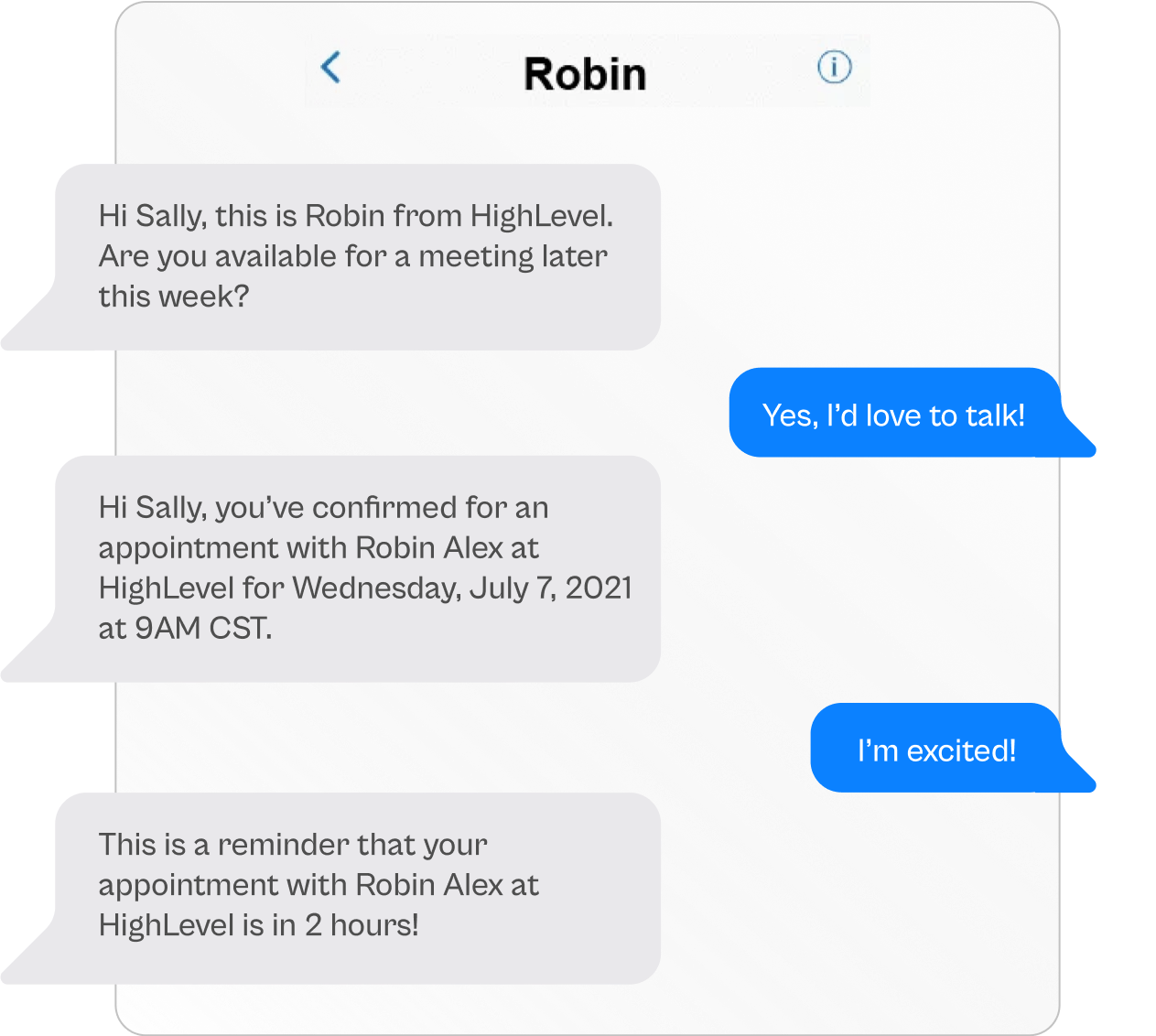
Image source: HighLevel homepage
Alternatives worth looking at before you buy
Most HighLevel reviews get more useful once you stop asking whether it is “good” and start asking whether it is the right kind of tool for you. HighLevel is strongest when you want one system for funnels, CRM, follow-up, booking, messaging, and client management instead of a smaller tool that only does one job well.
That also means there are real cases where another platform is the better buy. ClickFunnels makes more sense for a funnel-first business, Systeme.io is easier on the wallet, and Brevo is a cleaner fit when email and lightweight CRM are the main priorities.
Image source: HighLevel homepage
Check the official free trialChoose HighLevel if you want one place to build funnels, manage leads, run automations, and handle client work without paying for a pile of separate tools. Choose a cheaper option like Systeme.io if money is tight and you do not need the agency depth yet, or choose a narrower tool like ClickFunnels or Brevo if your main need is much more specific.
That is the honest split. HighLevel is not the cheapest and not the easiest, but it usually gives the most upside when your business has already outgrown simple tools.
Image source: HighLevel homepage
My honest take
HighLevel is absolutely worth trying for the right buyer. That buyer is usually an agency, consultant, local service business, or operator who already has leads and offers coming in but is tired of bouncing between too many disconnected tools.
The biggest reason to buy is not that HighLevel has a long feature list. The real reason is that it can move your funnels, follow-up, CRM, calendars, messaging, and client delivery closer together so your business feels less patched together.
That payoff gets easier to feel once you already have something moving. If you are already selling, already booking, or already managing clients, HighLevel can save time fast and make your process easier to scale.
Here is the catch. HighLevel will not rescue a weak offer, a broken sales process, or a business that is still guessing what it wants to sell.
That is why I would not push it on absolute beginners. If you are just starting and every dollar matters, Systeme.io is easier to justify, and ClickFunnels makes more sense if funnels are the main thing you care about.
For agencies and service businesses, though, HighLevel is usually the smarter long-term bet. Unlimited contacts, unlimited users, client accounts on higher plans, rebilling, and SaaS-style options give it a ceiling that simpler platforms do not really match.
So my recommendation is simple. If your current stack feels messy and you already have real work to run through the system, start the trial now and judge it on an actual funnel, an actual automation, and an actual lead flow.
If you are not there yet, wait. You will make a better decision once you have an offer and a clearer reason to use a tool this deep.
Image source: HighLevel homepage
FAQ
Is HighLevel too much for a small business?
Sometimes, yes. If you only need a simple funnel or a basic email tool, HighLevel can feel like overkill, but a small business with booking, follow-up, and lead management needs can still get real value from it.
Can beginners use HighLevel?
Beginners can use it, but that does not mean they should always start there. The platform is easier to justify once you already know your offer and have a real sales process to build around.
Does HighLevel replace ClickFunnels?
For a lot of buyers, yes. HighLevel can handle funnels, but it also goes further into CRM, messaging, scheduling, automation, and agency workflows, which is why it often feels like a broader replacement instead of a direct clone.
Are there extra costs beyond the subscription?
Yes. Phone, email, AI, and some add-ons can bring usage-based charges, so you should not treat HighLevel like one fixed bill if you plan to use those features heavily.
Is the Unlimited plan worth it?
Unlimited makes the most sense for agencies or anyone managing multiple client accounts. Starter is easier to justify for a solo business that does not need unlimited sub-accounts yet.
Do you have to lock into a long contract?
No. HighLevel runs month to month, so you can test it seriously without signing up for a long commitment.
Should you start the trial?
Start it if you already have leads, clients, or an offer and you want to replace a messy stack with something more centralized. Wait if you are still in the “figuring everything out” stage, because cheaper and simpler tools will probably fit better right now.
If you are the right buyer, dragging this decision out usually just means more manual follow-up, more tool overlap, and more wasted time. Get started with HighLevel and judge it on real work, not on guesses.
Setup feels intimidating for a lot of people, so do not ignore the extra help. See the free HighLevel bootcamp if you want a smoother way to get moving.
Get started with HighLevel Filip Konecny Enterprises