
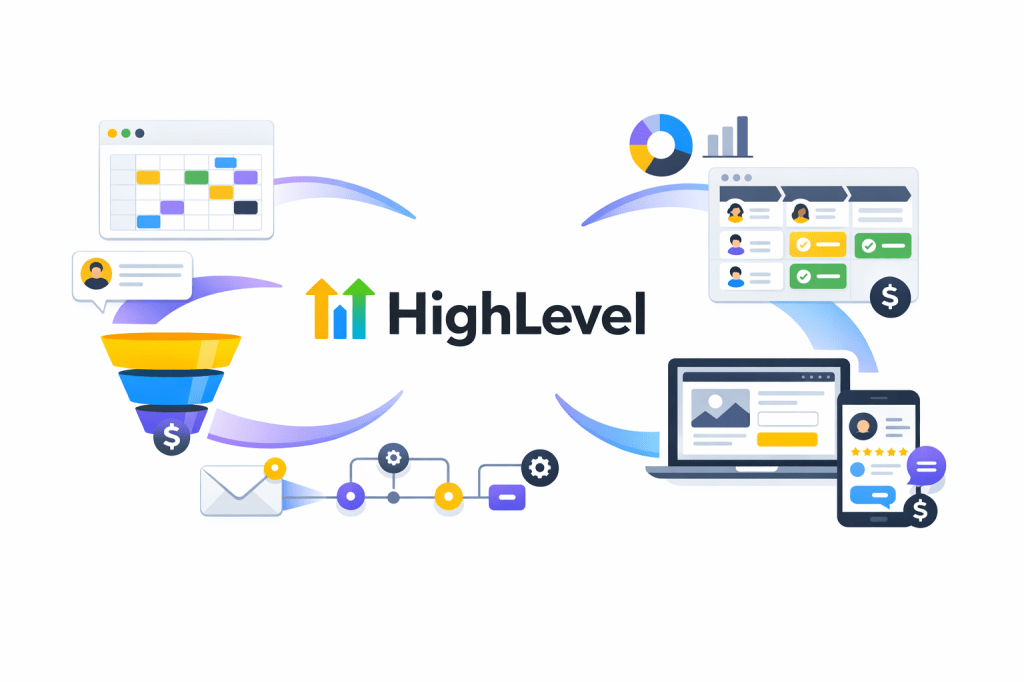
HighLevel is one of those tools that looks amazing on paper because it tries to replace a stack of software at once. For the right buyer, that is exactly why it is worth a serious look.
If you run an agency, manage leads for clients, sell services, or want your CRM, funnels, forms, calendars, follow-up, and messaging in one place, HighLevel can save a lot of duct-tape work. If you only need a simple funnel builder or a basic email tool, this can feel bigger and more expensive than it needs to be.
This review is here to help you make the actual decision: should you try it now, wait until your business is more ready, or skip it and use something simpler. You can check the official free trial while you read, but I would only do that if you already have a real use for it.
Is HighLevel actually worth trying?
My short answer is yes for agencies, service businesses, and operators who are tired of paying for separate tools that barely talk to each other. HighLevel becomes easier to justify when you are already doing lead capture, follow-up, appointment booking, and pipeline tracking on a regular basis.
The catch is simple: this is not the cheapest or easiest option for someone who is still figuring out their first offer. HighLevel gives you a lot, but that also means more setup, more moving parts, and a bigger learning curve than a lighter tool.
That does not make it a bad buy. It just means you should treat it like a business operating system, not a cute little side tool you sign up for and magically master in an hour.
Check the official free trialWhat this review will cover
I split this review into three simple parts so you can jump straight to the section that matters most. If you are already leaning toward trying HighLevel, the pricing and buyer-fit sections will probably matter more than the feature list.
- Is HighLevel actually worth trying?
- What you get in the trial
- The good stuff
- Pricing and value
- Why people end up buying it
- Alternatives worth looking at
- Final verdict
- FAQ
The next part gets into what you can actually test during the trial, what HighLevel does well, where it starts to get expensive, and why some buyers still gladly pay for it. That matters more than a giant feature dump because most people do not need more software facts, they need a clear reason to buy or walk away.
My view going in is pretty straightforward. HighLevel is strongest when your business already has moving parts and you are losing time switching between tools, chasing leads manually, or trying to manage client work in a messy setup.
If that sounds like your situation, waiting usually keeps the mess in place longer. You can explore HighLevel here, then move to the next section and see whether the trial gives you enough room to test it properly before paying.
What you get in the trial
The standard HighLevel offer gives you a 14-day free trial, and that is enough time to tell whether this tool fits your business. You do not need two weeks to admire the dashboard. You need two weeks to build one real workflow and see if it saves you time.
That matters because HighLevel is not a tool you judge by clicking around for ten minutes. It starts to make sense when you build a page, connect a form or calendar, push leads into a pipeline, and automate the follow-up that usually gets forgotten.
If you go into the trial with no plan, you will probably leave thinking it is bloated. If you go in with one offer, one lead source, and one sales process you want to clean up, you will know pretty fast whether the free trial is worth starting.
The main things worth testing are the funnel and website builder, forms and surveys, booking calendars, pipelines, email and SMS follow-up, and workflow automation. Those are the pieces that justify the price when they replace tools you are already paying for.
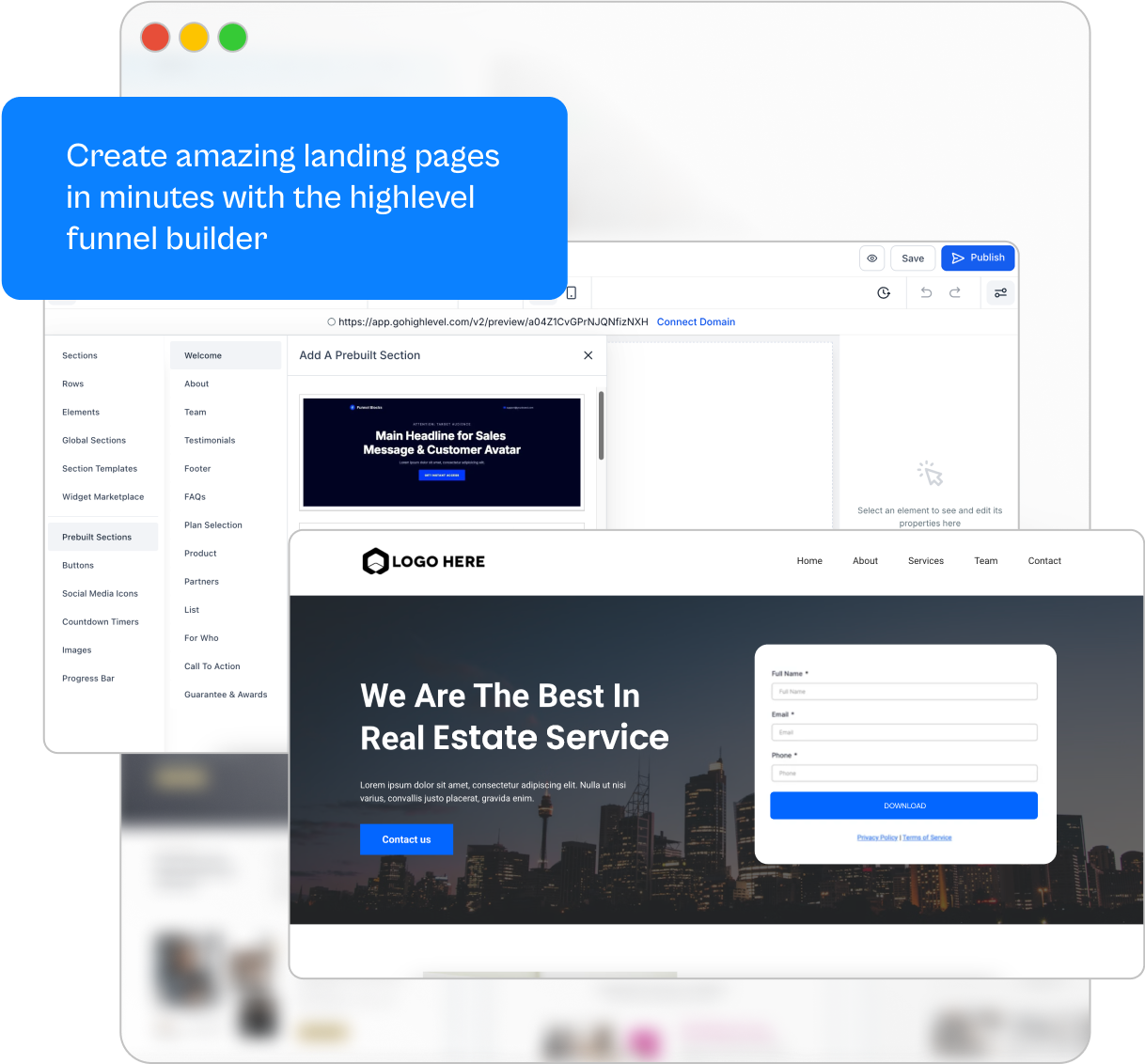
Image source: HighLevel homepage
Two weeks is also enough to spot the catch. HighLevel gives you a lot of power, but it does ask you to think more like an operator than a casual app user. If you hate setup, hate testing, and only need a single landing page, a lighter tool will probably suit you better.
The good stuff
The biggest reason people pay for HighLevel is not one shiny feature. It is the handoff between features. A lead can come through a page or form, land in the CRM, trigger a workflow, get messages, book a call, move through a pipeline, and stay visible in one system.
That sounds obvious until you compare it with a messy stack. Once you are bouncing between a page builder, calendar tool, CRM, email tool, SMS tool, and Zapier glue, HighLevel starts looking a lot more practical than theoretical.
Agencies get even more value because HighLevel is built around sub-accounts, which are basically separate workspaces for different businesses or clients. That matters when you need to keep accounts clean, hand access to clients, and avoid turning your backend into a mess.
The automation side is also a real selling point. HighLevel workflows are not there just to look smart in a demo. They matter when you need leads to get a reply, reminder, task, tag, or follow-up without relying on someone remembering to do it manually.
Calendars and pipeline management deserve more credit than they usually get in reviews. Plenty of tools can build a page. Fewer tools help you get the booking, keep the conversation moving, and show where the deal actually sits after the lead comes in.
The agency upside is where HighLevel really separates itself from funnel-first tools. White-label options, client workspaces, and agency-focused account structure make a lot more sense for service businesses than a tool designed mainly around selling your own offer.
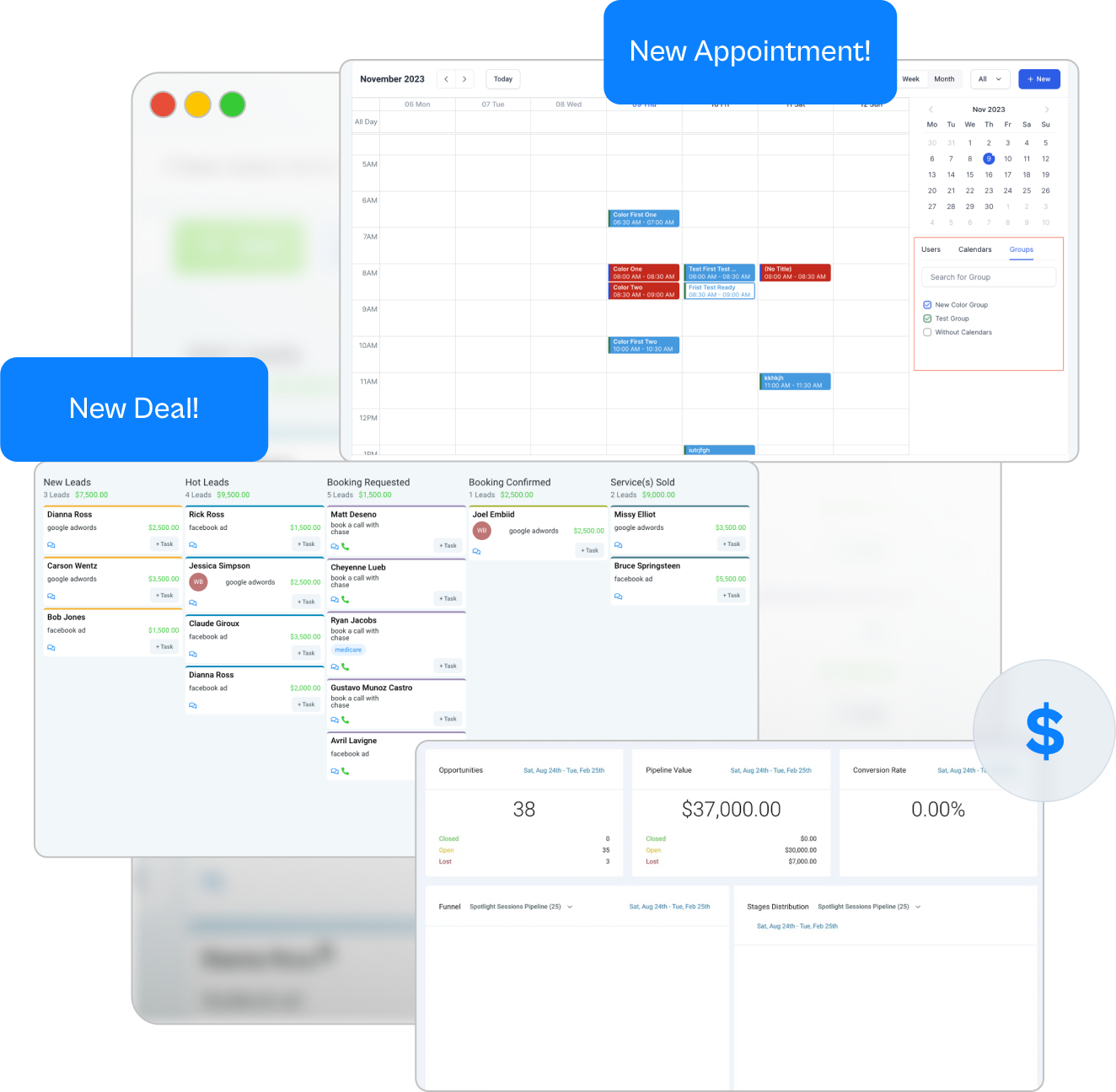
Image source: HighLevel homepage
Here is the honest downside. HighLevel can feel like overkill when your business is still simple. If you do not have regular leads, appointments, or client delivery to manage yet, you may end up paying for capability you are not ready to use.
The learning curve is real too. Reviews on major software sites keep coming back to the same tradeoff: people like the breadth and automation, but setup takes effort. That does not kill the value, but it does mean you should not buy it expecting instant magic.
Pricing and value
HighLevel starts at $97 per month, which is not cheap if you compare it with beginner tools. It gets easier to justify when that $97 is replacing several subscriptions instead of sitting on top of them.
The jump to $297 per month is where agency buyers start paying attention. Unlimited sub-accounts changes the math fast if you manage multiple client accounts, and the $497 Pro plan is aimed at agencies that want SaaS Mode and rebilling options.
See current pricingThe main cost objection is fair. HighLevel is not just the monthly plan. You can also run into usage-based costs for things like SMS, phone numbers, email volume, and some AI features, so the headline price is not always the full bill.
That still does not automatically make it expensive. If your current setup already includes a funnel builder, calendar app, CRM, email tool, texting tool, and automation tool, HighLevel can look cheaper than it first appears.
If you want a more focused funnel tool, ClickFunnels starts at the same $97 level and is easier to understand if your main job is selling through funnels. It makes less sense when you want agency sub-accounts, deeper client operations, and more built-in lead management under one roof.
If price is your biggest issue, Systeme.io is the obvious cheaper option. It gives you a free plan and low-cost paid plans, which makes it a better fit for solo creators or people still validating an offer.
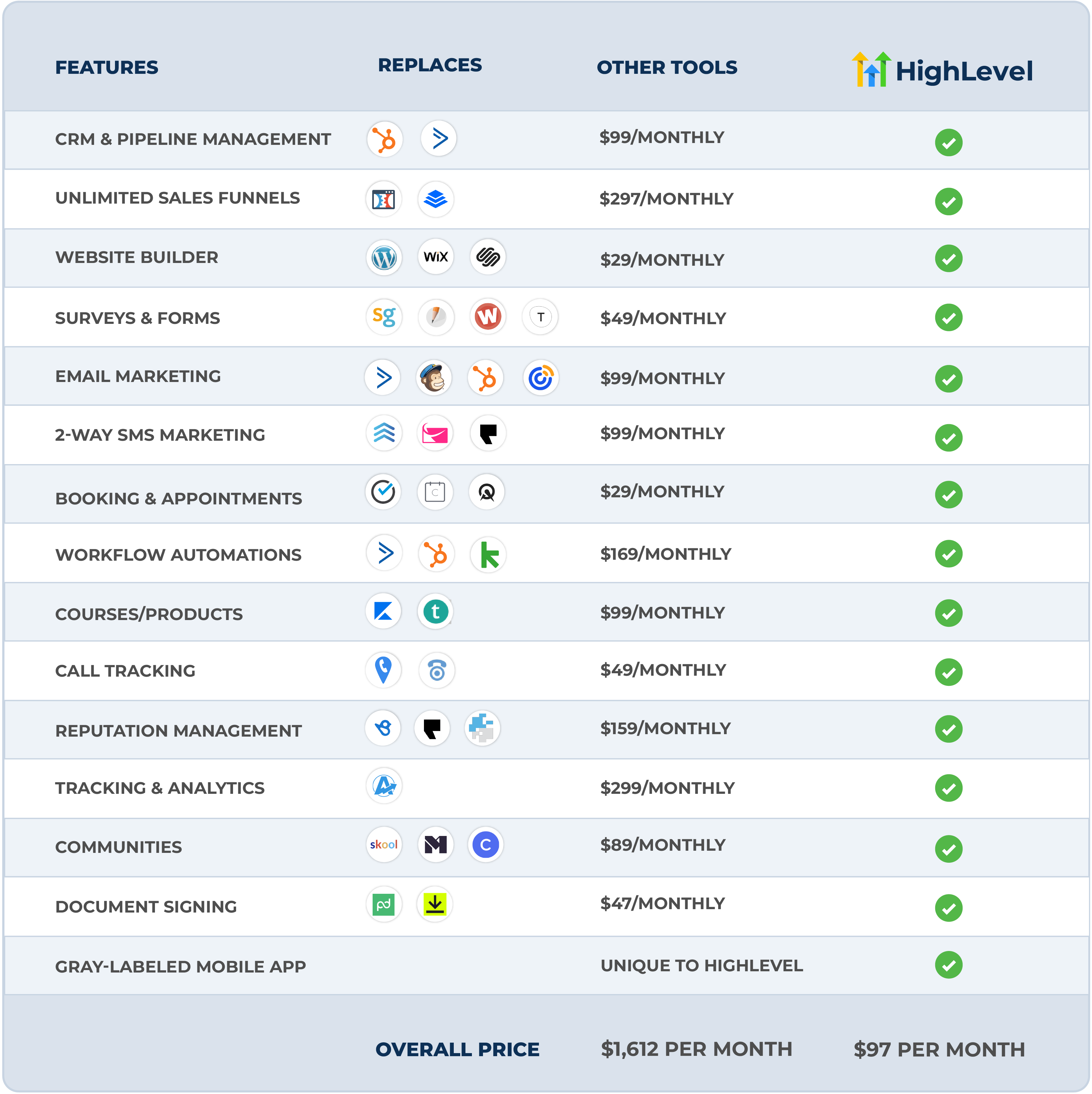
Image source: HighLevel homepage
Why people end up buying it
People usually buy HighLevel when their business stops being simple. Leads are coming in, follow-up is slipping, clients want visibility, and the stack starts feeling patched together instead of reliable.
That is when HighLevel starts earning its price. You are not paying for software in the abstract. You are paying to stop losing time, stop missing follow-up, and stop managing your business through six tabs and three integrations.
Waiting makes sense if you are still figuring out what you sell. Waiting does not make much sense if you already have leads or clients and your current setup is slowing you down every week.
For the right buyer, this is absolutely worth trying now. If you already have an offer, appointments, or client work to run through it, get started with HighLevel here and use the trial to test one real revenue process instead of casually poking around.
Alternatives worth looking at
HighLevel is not the only tool worth considering. It is the best fit when you want one system to run lead capture, follow-up, booking, pipeline management, and client workspaces without stitching everything together yourself.
That does not mean everyone should buy it. Some people will do better with a cheaper option, and some will be happier with a more focused funnel tool that feels easier on day one.
Image source: HighLevel homepage
This is the cleanest way to look at it. Pick the tool that matches how your business actually works, not the one with the longest feature list.
Check the official free trialChoose HighLevel if you want the broader all-in-one route and you are already dealing with leads, appointments, follow-up, and client work in a real business. Choose Systeme.io if price matters more than depth, and choose ClickFunnels if your whole world revolves around building funnels and selling through them without the agency-heavy extras.
Image source: HighLevel homepage
My honest take
HighLevel is worth it for the right buyer. That buyer usually already has leads coming in, already needs follow-up to happen automatically, and already feels the pain of using too many separate tools.
That is where this starts to earn its price. You only really understand the value when you see how much it can cover at once: pages, forms, calendars, CRM, messaging, automations, pipelines, and client workspaces.
Beginners should be careful here. If you do not have an offer, do not have traffic, and do not know your sales process yet, HighLevel will not magically fix that and may feel heavier than it needs to.
Agencies and service businesses are a different story. If you are managing leads, booking calls, and trying to keep client delivery organized, HighLevel looks a lot stronger because it solves operational problems, not just page-building problems.
The learning curve is the main objection, and it is fair. You will need setup time, and some of the value only appears after you build real workflows instead of treating it like a simple plug-and-play app.
Switching makes sense when your current stack is already slowing you down. If you are paying for several tools and still missing follow-up or dealing with messy handoffs, waiting usually means you keep paying for the same chaos longer.
Waiting also makes sense in one specific case. If your business is still tiny and you are mostly trying to prove that anyone wants what you sell, a cheaper tool is the smarter move until you need more depth.
My recommendation is simple. Start HighLevel now if you already have an offer, already handle leads or clients, and want one system that can carry more of the business for you.
Hold off if you are still in the idea stage. Go cheaper if cash is tight, and go more focused if funnels are the only thing you actually care about.
Image source: HighLevel homepage
For the right buyer, this is absolutely worth trying. If your business already needs better follow-up and cleaner operations, explore HighLevel here and stop judging it like a toy funnel builder.
FAQ
Is HighLevel good for beginners?
Yes, but only if beginner means new to the tool, not new to business. If you are brand new to selling and still figuring everything out, a cheaper and simpler tool is usually the better first step.
Is HighLevel better than ClickFunnels?
It is better if you need more than funnels. HighLevel wins when CRM, automations, calendars, pipelines, and client accounts matter, while ClickFunnels is easier to justify when your main goal is selling through funnels.
Does HighLevel replace other tools?
That is the main reason people buy it. It can replace several categories at once, but the exact savings depend on what you are already paying for and whether you will actually use the deeper features.
Should you start the trial now or wait?
Start now if you already have an offer and a real process to test inside the platform. Wait if you are still guessing what you sell, because the trial works best when you use it to fix a live business workflow.
Get started with HighLevel Filip Konecny Enterprises