
HighLevel looks amazing when you first see the pitch. You get CRM, funnels, websites, automations, calendars, email, SMS, payments, and even white-label SaaS tools under one roof, which sounds a lot better than juggling five or six separate apps.
That promise is also the catch. HighLevel can save a lot of time and money for the right business, but it can also feel like too much software, too much setup, and too much monthly cost if you only need one or two simple jobs done.
This review is built to help you make the call fast. You will see where HighLevel earns the money, where the friction shows up, and whether you should start the trial now, wait until you are more ready, or skip it for something simpler.
The screenshot below gets at the main appeal. HighLevel tries to keep lead tracking, appointments, and deal movement in the same place so you are not bouncing between a calendar tool, a CRM, and follow-up software all day.
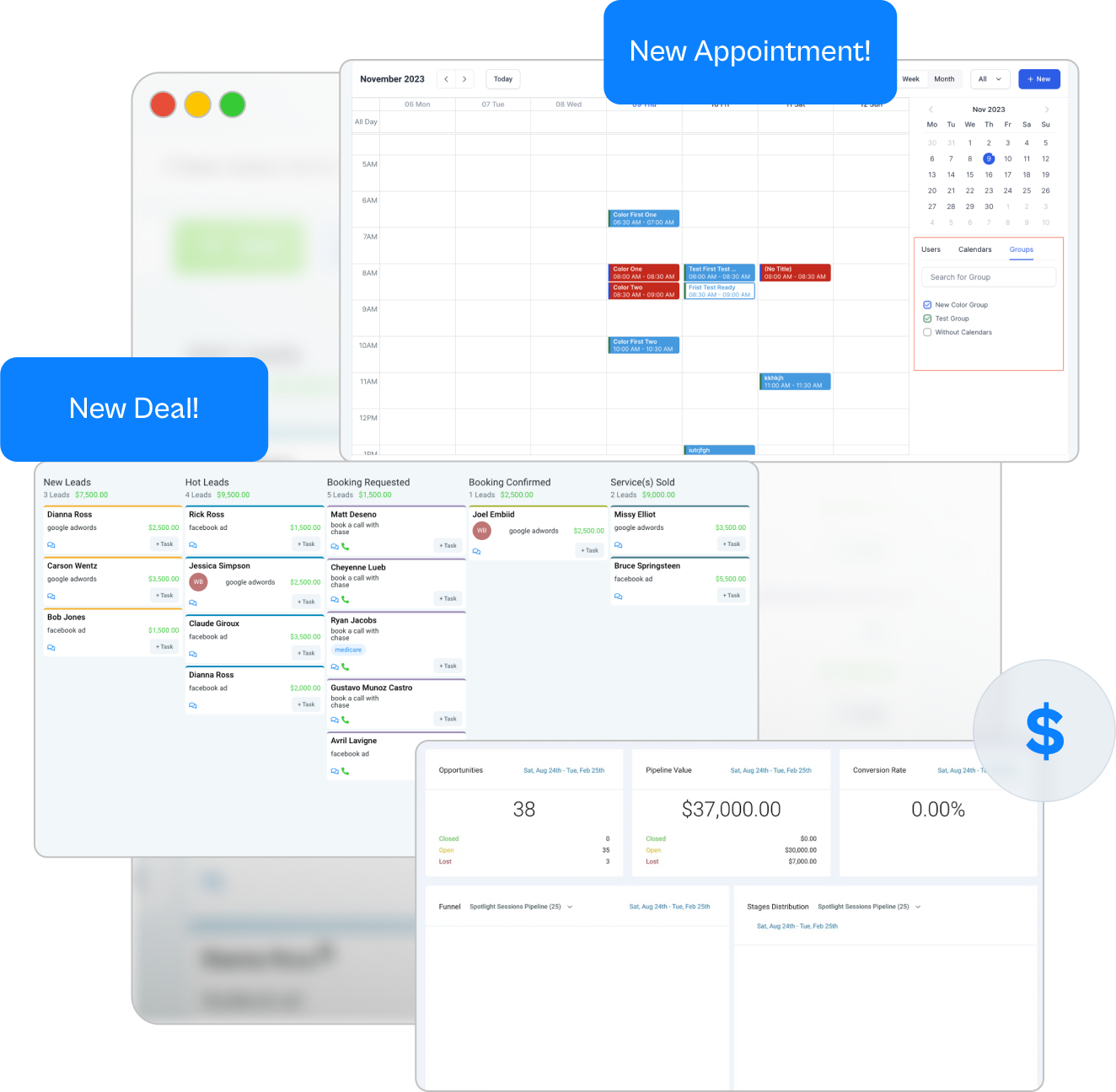
Image source: HighLevel homepage
Quick facts before you start
HighLevel gets more interesting once you stop thinking about it like a single tool. The pricing only feels reasonable when you are actually going to use the platform to replace other subscriptions or speed up work that is currently manual.
The upside looks strong on paper, and a lot of users clearly like the all-in-one setup. The recurring complaint is that setup can feel heavier than expected, especially when text messaging, automations, or agency-specific features enter the picture.
That does not make HighLevel a bad buy. It just means this is not a casual software choice, and you will get the best value when you already have an offer, leads, or client work to plug into it instead of opening the account and hoping inspiration shows up later.
Check the official free trialArticle outline
I am breaking this review into three simple chunks so you can jump straight to the decision point that matters most. The goal is not to praise the platform for no reason, but to help you figure out whether HighLevel fits the way you actually work.
Start with the fit check
This first part is about avoiding the wrong purchase. You will see what HighLevel includes, how much room the trial gives you to test it properly, and whether the platform already looks too big for your current stage.
Look at the value next
This is where the real buying decision happens. I will get into the features that actually matter, the reasons people stick with HighLevel once they are set up, and the cost questions you should answer before pulling out your card.
Finish with the alternatives
This last section is for the final yes, no, or not yet. If HighLevel is too advanced, too agency-focused, or just more software than you need, that will be clear by the end.
What you get in the trial
HighLevel gives you a 14-day free trial on its main plans, and that is enough time to make a real decision if you use it properly. You can test the funnel builder, CRM, booking calendars, workflows, email and SMS setup, pipelines, and the general day-to-day feel without paying first.
The trial is not long enough to master every corner of the app. It is long enough to answer the question that matters more, which is whether this can replace enough of your current setup to justify the monthly bill.
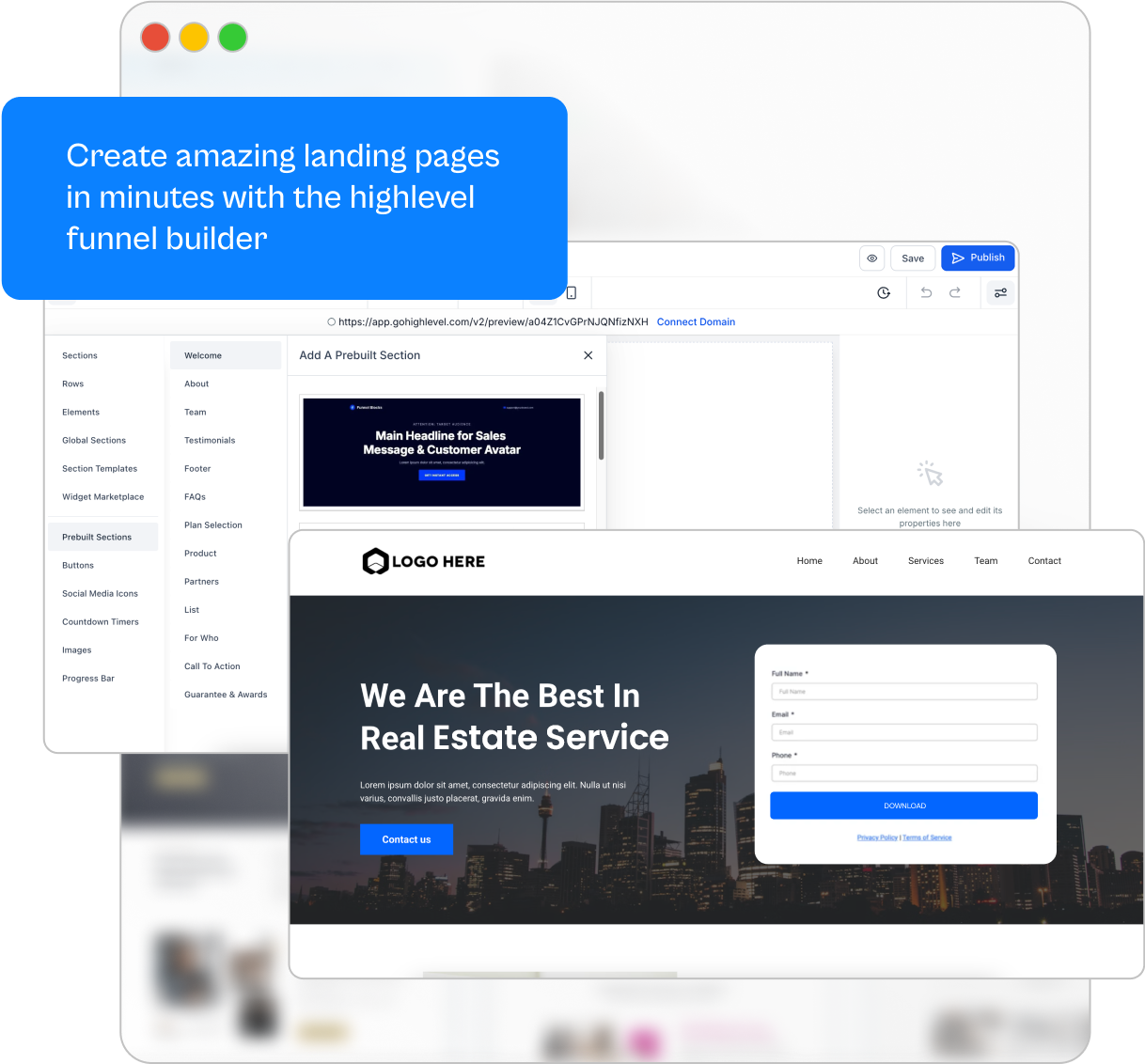
Image source: HighLevel product page
The trial is easier to judge when you build one simple workflow instead of poking around randomly. Create one landing page, connect one form, push leads into one pipeline, and set one follow-up sequence so you can feel how the pieces work together.
Here is the catch. HighLevel says billing starts automatically at the end of the free trial unless you cancel, and usage-based telecom or third-party charges can still show up depending on what you turn on.
That does not make the trial bad. It just means you should go in with a plan instead of treating it like a casual signup you will sort out later.
Check the official free trialThe good stuff
HighLevel gets strong fast when your current setup feels messy. You can build the page, capture the lead, book the appointment, move the deal, and automate the follow-up without stitching together a funnel tool, a CRM, a calendar app, and a separate automation tool.
That is the biggest reason people stick with it. The value is not one flashy feature, but how much work disappears once the core system is set up properly.
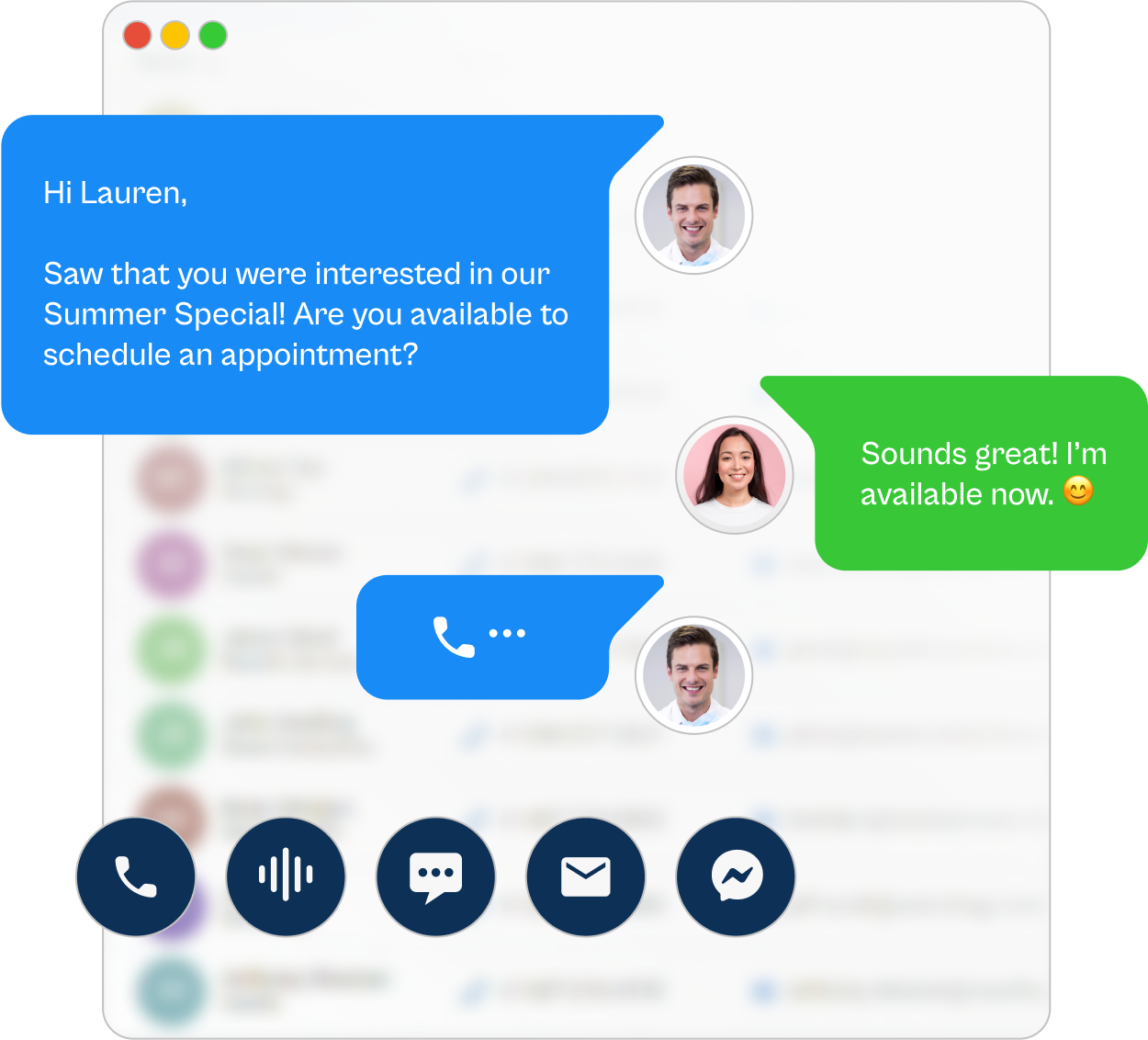
Image source: HighLevel product page
The multi-channel side is a real selling point. HighLevel puts email, SMS, calls, and other conversations into one flow, which is far more useful than having leads scattered across inboxes and disconnected tools.
The automation depth is another major plus. User feedback keeps circling back to the same idea: people like how much they can automate once they understand the system, even if the setup feels heavy at first.
Agencies get more upside than most solo businesses. Unlimited sub-accounts on the $297 plan and SaaS Mode on the $497 plan make the platform much more attractive when you manage multiple clients or want to resell software under your own brand.
Image source: HighLevel product page
Reporting, pipelines, and booking tools are where HighLevel starts feeling like more than a funnel builder. If you sell services, book calls, or need lead tracking after the opt-in, that broader setup matters a lot.
The downside sits right next to the upside. HighLevel can feel overwhelming if you only need a quick landing page tool or a basic email platform, and that is why some users love it while others bounce off it early.
Pricing and value
HighLevel starts at $97 per month for Starter, jumps to $297 for Unlimited, and goes to $497 for Agency Pro. Starter includes 3 sub-accounts, unlimited contacts, unlimited users, 24/7 support, and core features, while the higher plans add unlimited sub-accounts, rebilling, API access, and SaaS-specific features.
The price feels fair when HighLevel replaces enough other tools. It feels expensive when you buy it too early, use ten percent of it, and still pay separately for things you never bothered to migrate.
See current HighLevel trialClickFunnels is the better fit when funnels are the whole game. Systeme.io is the better fit when budget matters more than depth, but HighLevel becomes the smarter buy once you need client accounts, automation depth, rebilling, and a CRM that does more than hold contacts.
Optional add-ons matter too. HighLevel lists extra costs for things like AI Employee, WhatsApp, dedicated email IPs, branded apps, HIPAA compliance, and WordPress hosting, so the real monthly number can climb if you switch on everything at once.
Why you might want to start now
Waiting makes sense if you are still figuring out what you sell. Waiting usually does not make sense if your business already runs on scattered tools, manual follow-up, missed leads, and a booking process that leaks money every week.
HighLevel is worth a serious look when you are past the idea stage. If you already have an offer, clients, or an active lead flow, the platform can pay for itself faster because you are solving real operational mess, not imaginary future problems.
That is the real answer behind most HighLevel pros and cons discussions. The pros get stronger as your business gets more real, and the cons feel heavier when you are still early enough that a cheaper tool could do the job.
For the right buyer, this is absolutely worth trying. If your current setup feels patched together and you are serious about consolidating funnels, follow-up, calendars, and client management, starting the trial now is a smarter move than delaying the cleanup for another month.
Get started with HighLevelAlternatives worth looking at
HighLevel is not the only smart option. The better question is whether you need an all-in-one client system, a funnel-first tool, or the cheapest way to get moving without drowning in setup.
HighLevel pulls ahead when you care about client accounts, automation depth, bookings, CRM, and white-label resale. If you mainly want to launch a funnel fast or keep costs low, the alternatives start looking a lot more attractive.
Image source: HighLevel homepage
That white-label angle is a big reason agencies stick with HighLevel. ClickFunnels and Systeme.io can help you sell, but HighLevel is the one that feels built for agencies that want to package software, fulfillment, and client management together.
Check the official free trialChoose HighLevel if you want the broader all-in-one setup and you are ready to use it seriously. Choose Systeme.io if budget is your biggest concern, and choose ClickFunnels if selling through funnels matters more than running a deeper client or CRM stack.
That is the cleanest way to read the HighLevel pros and cons. HighLevel wins on depth and consolidation, while the alternatives win when you want less setup, less cost, or a more focused use case.
Image source: HighLevel homepage
Final verdict
HighLevel is worth it for the right buyer. That buyer already has something real to sell, needs follow-up that actually happens, and wants one system instead of five disconnected tools held together with hope.
It is not the best move for everyone. If you are brand new, short on budget, or only need a simple funnel, you can get results faster with a lighter tool and come back to HighLevel later.
The real payoff is not just features. You are paying for fewer missed leads, fewer manual handoffs, fewer forgotten follow-ups, and a setup that can handle the sales process after the form submission instead of stopping at page design.
The real cost is not just the monthly bill either. You have to invest time into setup, and that only feels worth it when you use the CRM, pipelines, calendars, workflows, and client-account side instead of treating HighLevel like a fancy landing page builder.
- Buy now if you already have leads, appointments, or client work and your current setup feels messy, manual, or spread across too many tools.
- Wait a bit if your offer is still not clear and you would just be opening an account without knowing what you are building first.
- Skip it for now if a cheaper tool can handle your current stage without creating a bigger learning curve than your business actually needs.
Image source: HighLevel homepage
That screenshot gets at the whole argument. HighLevel starts making a lot more sense once your business needs pages, appointments, deal tracking, and reporting to work together instead of living in separate apps.
For the right buyer, this is absolutely worth trying now instead of later. Delaying usually means you keep living with the same operational mess that made you look at HighLevel in the first place.
Get started with HighLevelFrequently asked questions
Is HighLevel hard to learn?
Yes, it can be if you try to learn the whole app on day one. It gets much easier when you start with one funnel, one pipeline, one calendar, and one workflow instead of clicking every menu just because it is there.
Is HighLevel worth it for a solo business?
Sometimes, yes. Solo service businesses and appointment-based offers can justify it sooner than creators with a very simple funnel and no real need for CRM depth.
Does HighLevel replace ClickFunnels?
It can, but that is not the whole point. HighLevel is broader, while ClickFunnels is usually easier to justify when funnels and selling online are the main priorities.
Should beginners start with HighLevel or something cheaper?
Most beginners should start cheaper unless they already know why they need the extra depth. Systeme.io is usually the smarter first step when money is tight and simplicity matters more than agency features.
Is HighLevel overkill for simple businesses?
Yes, it can be. If you only need a landing page, a checkout, and a few emails, HighLevel will probably feel bigger and heavier than necessary.
Should you start the trial?
Start it if you already have an offer and want to see whether HighLevel can replace enough tools to make the monthly price feel easy to justify. Skip the trial for now if you are still guessing what you want to sell, because software will not solve that part for you.
See current HighLevel trial Filip Konecny Enterprises