
HighLevel gets talked about like it can replace half your stack, and in a lot of cases that is exactly why people buy it. The harder question is whether the best HighLevel features are useful for your business or whether you would just be paying for more software than you need.
This review is built for that decision. I am going to focus on the features that actually change the buying decision, the places where HighLevel earns its price, and the spots where a simpler tool can still be the better call.
HighLevel makes the most sense when you want leads, follow-up, booking, pages, and client management in one place. If that is where you are right now, the official 14-day free trial is a practical way to see whether it feels like a real upgrade or just another login.
Article outline
I am keeping this review tight and decision-focused. You can jump straight to the part you care about most.
- Quick fit check and the feature snapshot that matters most
- What you get in the trial, the good stuff, pricing and value, and why buying now can make sense
- Alternatives, the final verdict, and the FAQ
Is HighLevel actually worth looking at?
The CRM page and the live pricing page make the pitch pretty clear: one system for capturing leads, following up, booking appointments, taking payments, and tracking deals. That is appealing because disconnected tools are usually where time gets wasted and leads get dropped.
I would not call it a must-buy for every business. If you only need newsletters, simple landing pages, or a lightweight scheduler, HighLevel can feel heavier and more expensive than it needs to be.
I would take it seriously if you run lead generation, manage a pipeline, sell services, or work with multiple client accounts. That is where the platform starts to look less like software bloat and more like a cleaner operating system for the stuff you are already doing manually.
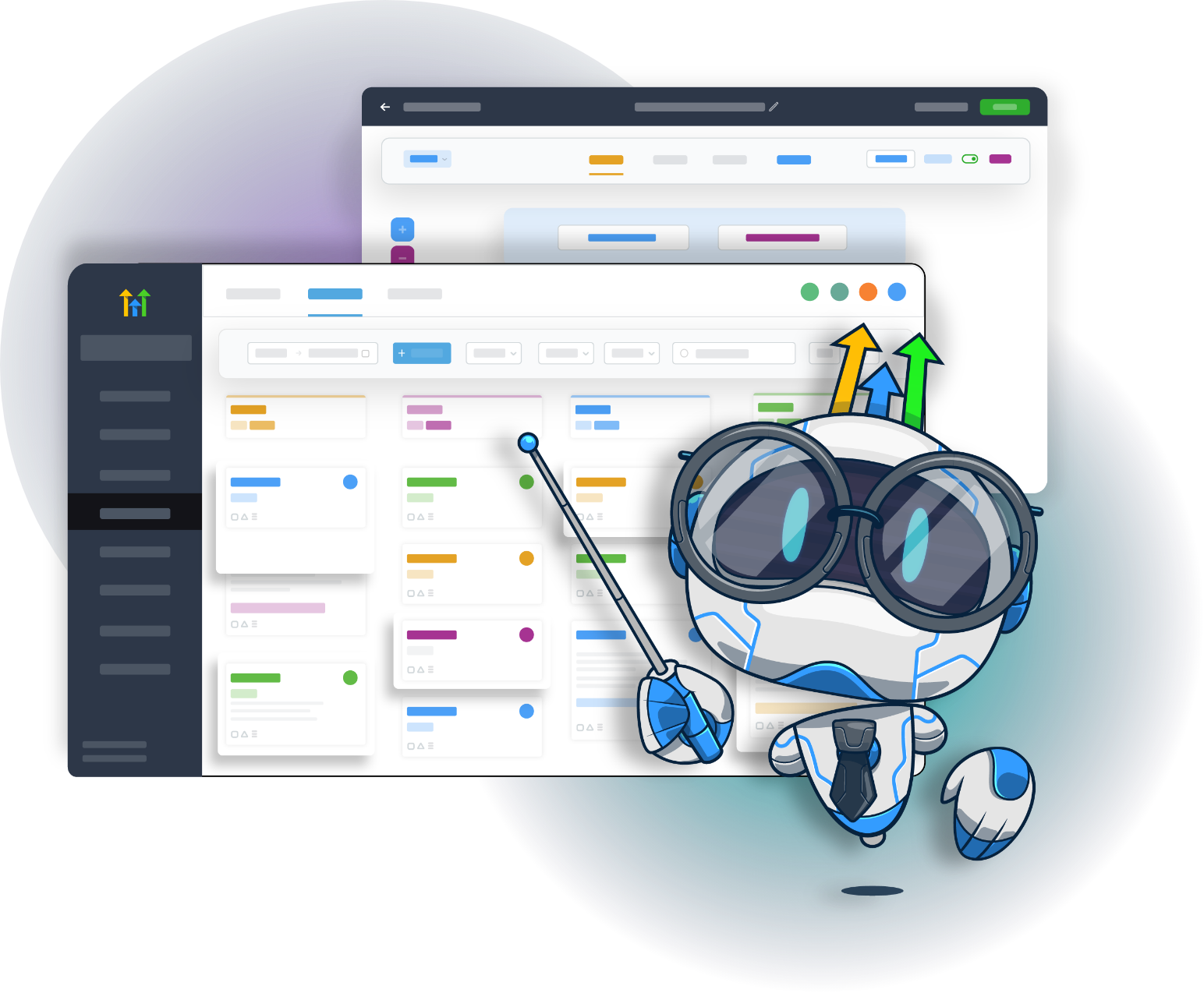
Image source: HighLevel CRM page
The features worth paying attention to first
Not every feature deserves equal weight. The best HighLevel features are the ones that shorten the path from new lead to booked call, sale, or retained client.
The table below is the fast filter I would use before spending hours inside the platform. If most of these rows match what you need, HighLevel is probably worth a real look instead of another round of patching tools together.
The biggest strength here is not one flashy feature on its own. It is how the page builder, the CRM, and the client account structure start making more sense when they live in one place.
The catch is simple. The more of HighLevel you use, the more valuable it becomes, and the less sense it makes as a cheap one-feature purchase.
Next, I am getting into what you actually receive in the trial, because that is where hesitation usually disappears or gets confirmed fast. You can also view plans and features now if you already want to compare tiers before going deeper.
What you get in the free trial
HighLevel gives you a 14-day free trial, and the useful part is that you get full access to the tier you choose. That gives you enough room to build a real test instead of clicking around aimlessly for ten minutes and pretending you learned something.
Use the trial to answer three questions fast. Can you capture a lead, can you automate the follow-up, and can you keep the whole thing inside one system without hating the workflow.
That matters because the best HighLevel features only start to make sense when they connect. A page, a form, a calendar, a pipeline, and a workflow are much more convincing together than they are as isolated demos on a sales page.
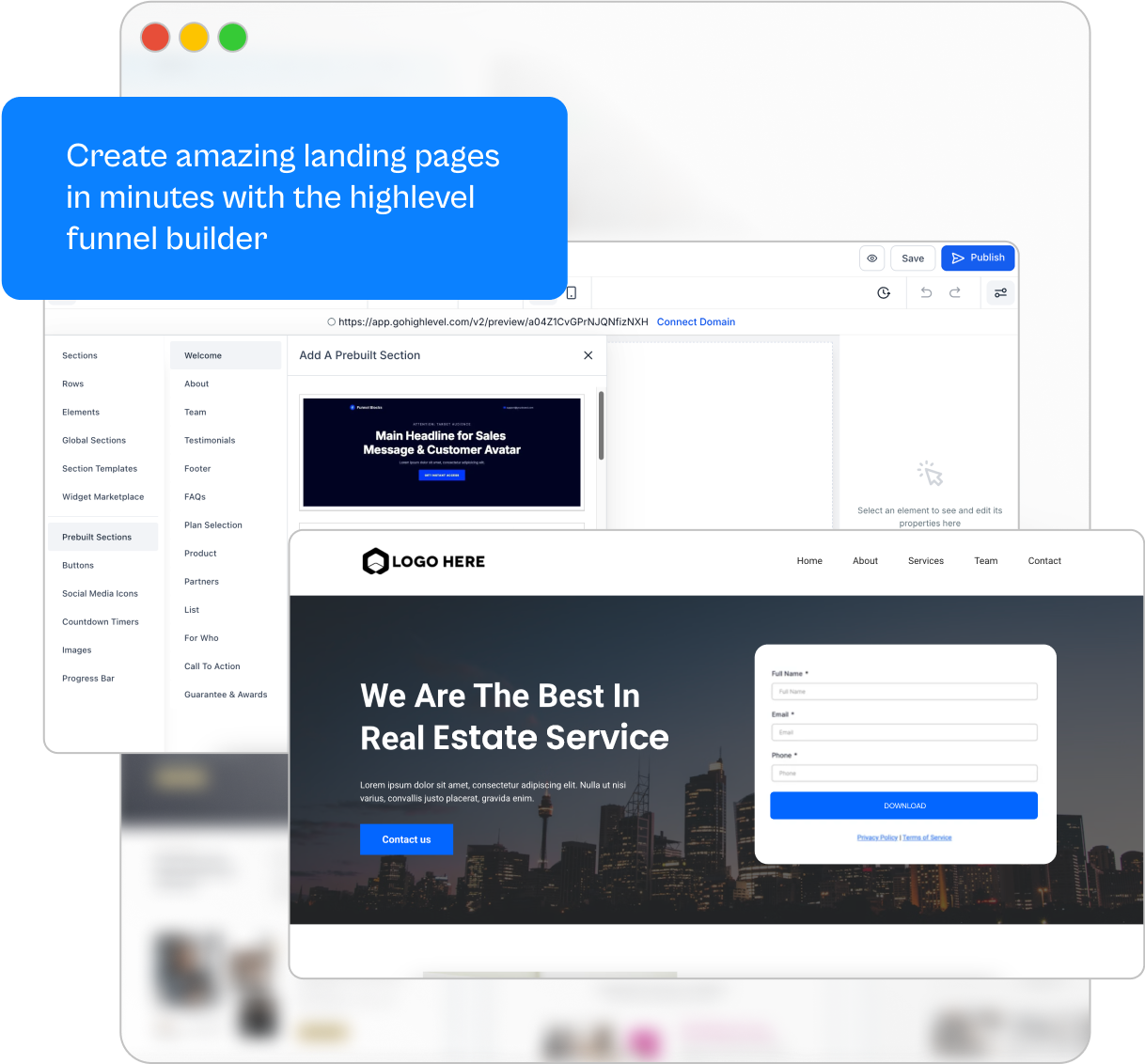
Image source: HighLevel homepage
What I would test first
Build one simple lead flow. Set up a landing page or form, connect a calendar, create one pipeline, and add one workflow that follows up after a submission or missed call.
That test tells you almost everything you need to know. If that flow feels clean, HighLevel is probably a serious option for you.
If it already feels too big at that stage, pay attention to that too. HighLevel is great for some people and unnecessary for others, and the trial is supposed to expose that early.
The good stuff
Automation is the main reason people stick with it
Workflows are where HighLevel starts earning its price. They let you trigger follow-up from form fills, bookings, pipeline changes, calls, tags, and other actions without forcing your team to remember every next step manually.
That is a bigger deal than it sounds. Manual follow-up is where a lot of leads go cold, and HighLevel gets much stronger once email, SMS, calls, and pipeline activity all live in the same place.
This is also where it pulls away from lighter tools. ClickFunnels is still attractive if your main job is building and selling through funnels, and Systeme.io is easier on the budget, but HighLevel is better once your follow-up needs more depth than a basic email sequence.
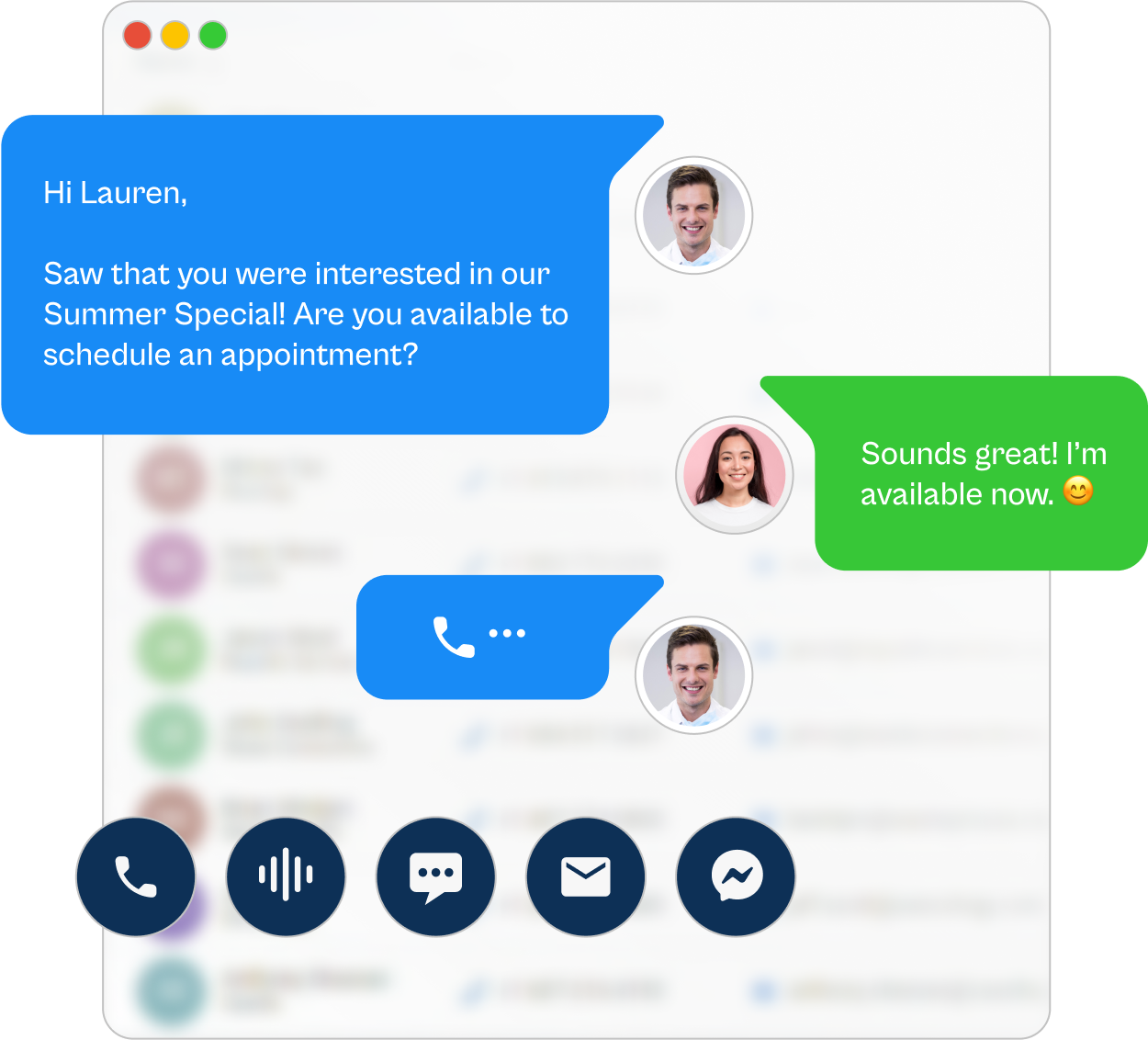
Image source: HighLevel homepage
Sub-accounts and snapshots make it much more useful for agencies
Starter can work for one business or a very small setup, but Unlimited is where HighLevel starts to feel different from funnel-first tools. Unlimited sub-accounts, reusable snapshots, and white-label options on higher tiers are built for people managing more than one brand or more than one client account.
That matters because repeating setup work is expensive. If you serve multiple clients, the ability to clone proven setups and keep accounts organized is one of the most valuable parts of the platform.
A beginner with one offer may not care about that yet. An agency or operator managing several pipelines usually will.
Booking and pipeline tracking save more time than most people expect
HighLevel gets more appealing when a lead can fill out a form, get followed up with automatically, book an appointment, and move through a pipeline without your team bouncing between tools. That is the kind of boring operational improvement that actually changes day-to-day work.
This is also one of the clearest reasons to pay for it instead of doing everything manually. The monthly fee can look expensive until you compare it with dropped leads, missed follow-up, and the time spent patching together separate calendars, CRMs, and messaging tools.
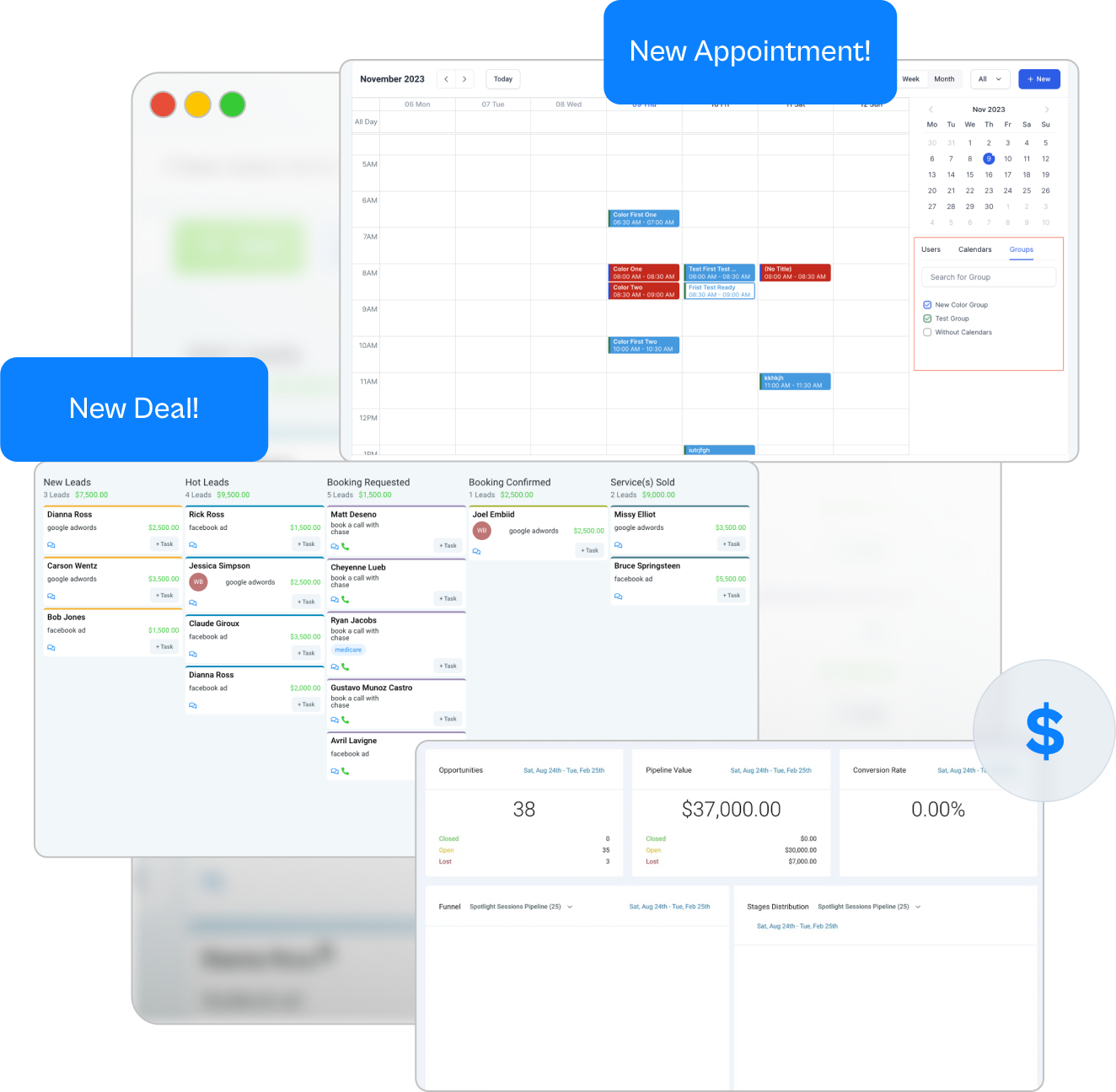
Image source: HighLevel homepage
HighLevel pricing and value
HighLevel starts at $97 per month for Starter, moves to $297 for Unlimited, and $497 for Pro. Starter includes 3 sub-accounts, Unlimited removes that cap, and Pro adds SaaS Mode for people who want to resell the platform as software.
Here is the catch. The subscription price is not always the whole bill because phone, SMS, email, and some AI usage can add usage-based costs on top.
That does not make it overpriced by default. It means HighLevel is easiest to justify when it replaces enough tools or supports enough revenue activity to cover the extra spend.
Check the official free trialHighLevel is not the cheapest option, and it is not trying to be. It is the smarter buy when you need more than funnels and email and you want fewer moving parts across your sales process.
If price is your biggest concern, Systeme.io is easier to say yes to. If your whole business revolves around funnel building and offers, ClickFunnels can still be the cleaner fit.
Why starting now can make sense
If you already have leads coming in, waiting usually means more manual follow-up, more disconnected tools, and more chances for leads to slip through the cracks. At some point, keeping the system messy costs more than the software does.
HighLevel is much easier to justify when you already run appointments, manage a sales pipeline, or serve multiple accounts. That is when the platform stops looking expensive and starts looking like a faster way to run the business.
You should probably wait if you are still figuring out your offer or you only need a very simple funnel. You do not need this much software just to feel productive.
For the right buyer, though, this is absolutely worth trying now. If your current setup feels patched together and you are serious about fixing that, HighLevel’s free trial is a practical next step instead of another month of duct-taping your process together.
Alternatives worth looking at before you commit
HighLevel is not the only smart option here. The right move depends on whether you want a broader operating system for leads and client management, a cleaner funnel tool, or the cheapest path to getting pages and emails live.
That is why the best HighLevel features matter most for agencies, consultants, and service businesses. If you mainly want one sales funnel or a lighter email setup, a cheaper tool can be the better buy.
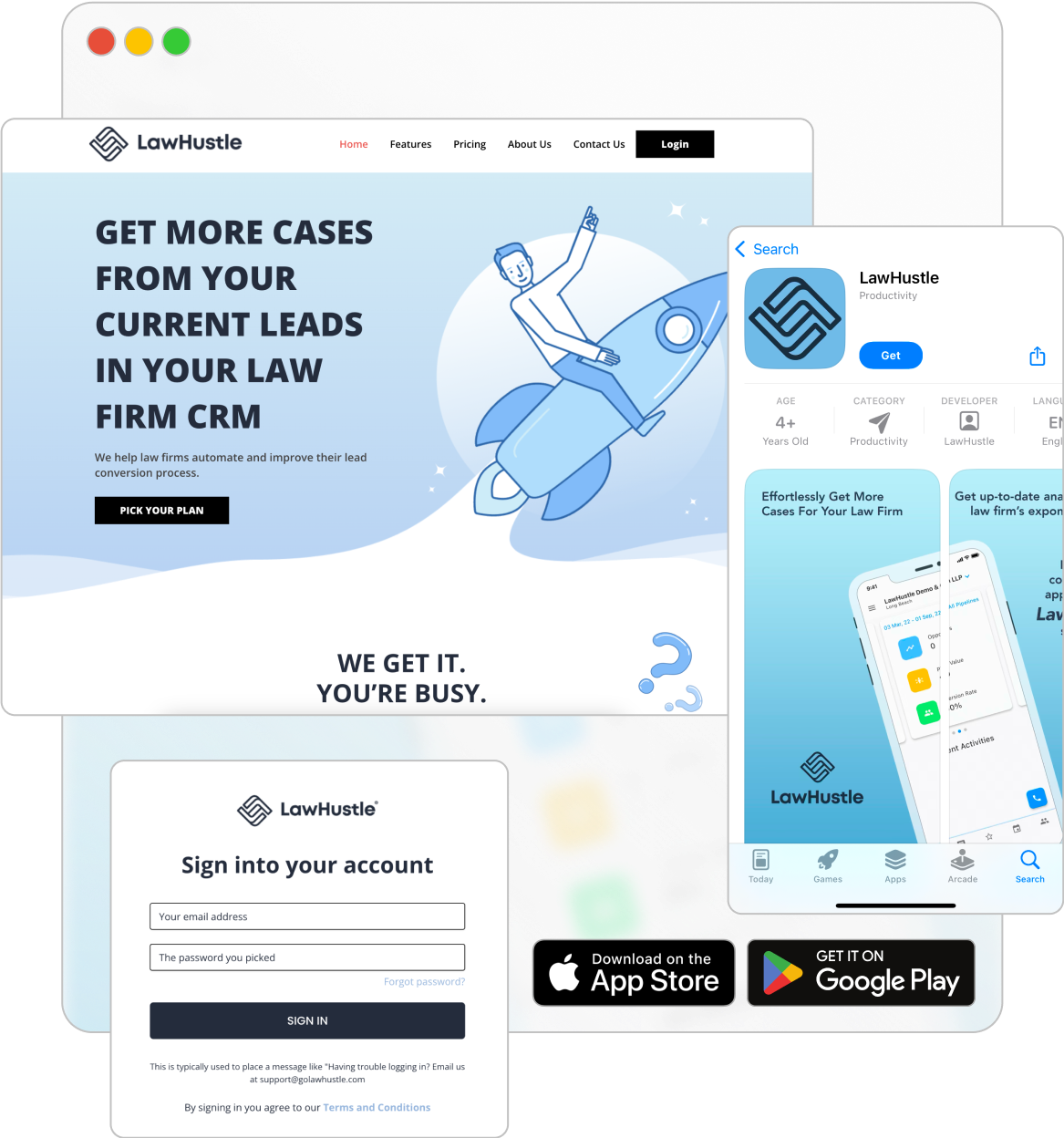
Image source: HighLevel homepage
Check the official free trialChoose HighLevel if you want the broad all-in-one option and you will actually use the CRM, automations, calendars, pipelines, and client account structure together. Choose Systeme.io if you want a cheaper starting point, and choose ClickFunnels if your main job is building funnels that sell.
Choose Brevo if your business mostly lives in email and SMS and you do not need the heavier agency and operations side. That is the cleanest way to avoid overbuying.
Image source: HighLevel homepage
My honest take
HighLevel is worth it for the right buyer. That buyer usually already has leads coming in, appointments to book, clients to manage, or multiple accounts to run.
The best HighLevel features are not just the funnel builder or the CRM on their own. The value shows up when the page, the form, the messages, the booking flow, and the pipeline all work together without five separate subscriptions and five separate points of failure.
This is where HighLevel starts to justify the price. If your current setup feels patched together, the software can save time fast and make the monthly cost feel a lot more reasonable.
Here is the catch. HighLevel can be overkill if you are still testing your offer, building your first funnel, or trying to keep software costs as close to zero as possible.
I would not push a beginner with no real workflow to buy this just to feel productive. A cheaper tool makes more sense when you do not yet need the extra depth.
Image source: HighLevel homepage
I would start the trial now if you are already selling, booking calls, or managing clients and your tools feel messy. I would wait if you still do not know what you are selling or you only need one simple page and a few emails.
I would skip it if you already know you will never use the CRM, automation, booking, or multi-account parts. Paying for HighLevel without using those pieces is how people talk themselves into software they never really needed.
FAQ
Is HighLevel too much for a solo business?
Sometimes, yes. A solo operator can justify it when leads, bookings, follow-up, and pipeline management all matter, but it is too much if you only need a simple funnel or newsletter tool.
Can beginners use HighLevel?
Beginners can use it, but that does not automatically mean they should. If your offer is not clear yet, a lighter tool is usually easier to learn and easier to justify.
Is it worth switching from ClickFunnels?
It can be, especially if you want more than funnels. HighLevel makes more sense when you want the CRM, calendar, pipeline, automation, and agency-style account structure in the same system.
Do you need the $297 plan right away?
Not always. Starter works if you only need a few sub-accounts, while Unlimited makes more sense once you are managing more clients and want the extra room to scale.
How fast can HighLevel start paying off?
It usually pays off faster when you already have real traffic, leads, or clients to run through it. If nothing is coming in yet, the software cannot fix that by itself.
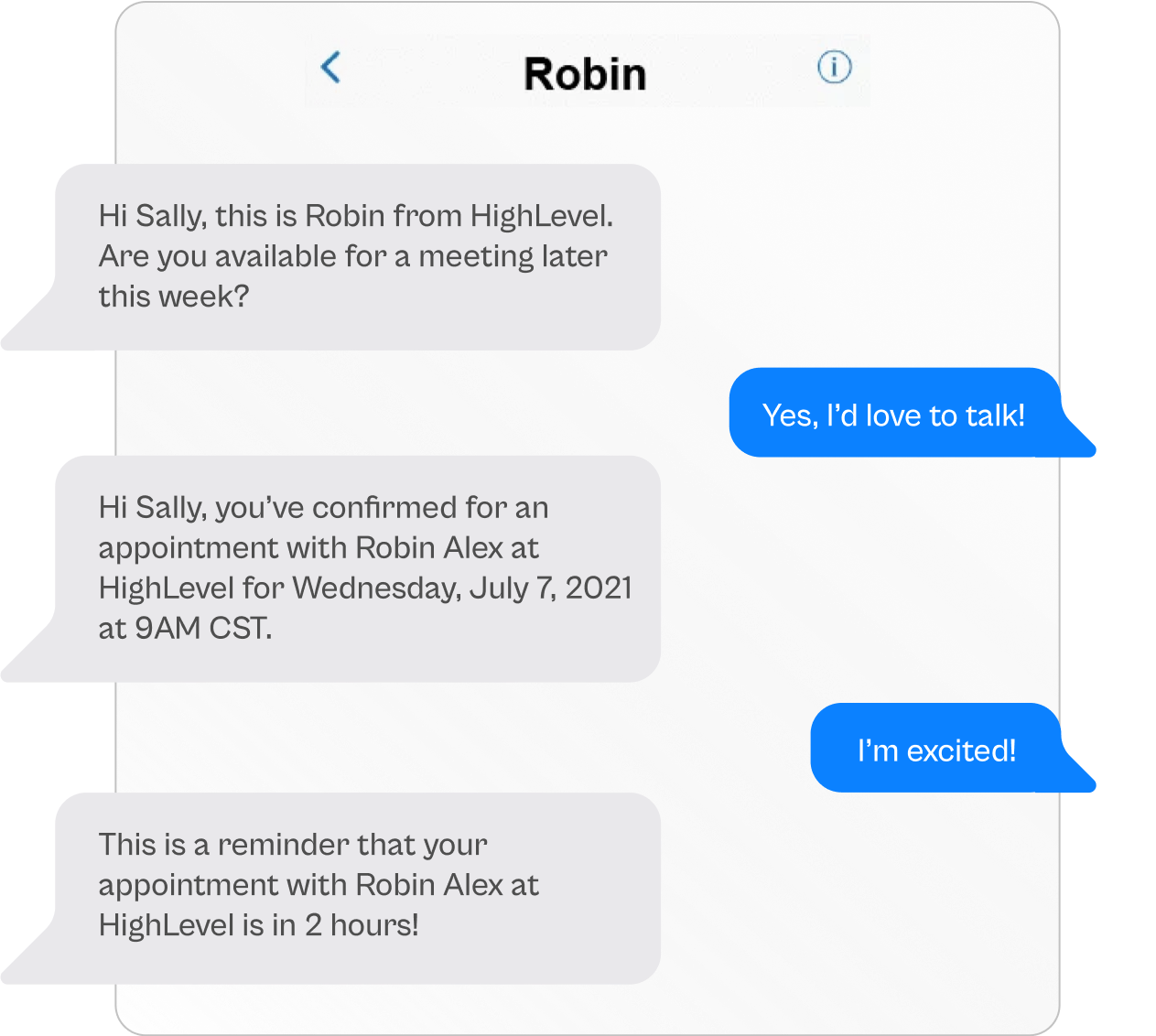
Image source: HighLevel homepage
Should you start the trial?
Start it if you are close to action and you want a real answer fast. The trial is long enough to build one working flow and see whether HighLevel feels like a smart upgrade or an unnecessary layer.
For the right buyer, this is absolutely worth trying. If you want to stop stitching together separate tools and move faster with one system, the next step is simple.
Get started with HighLevel Filip Konecny Enterprises