
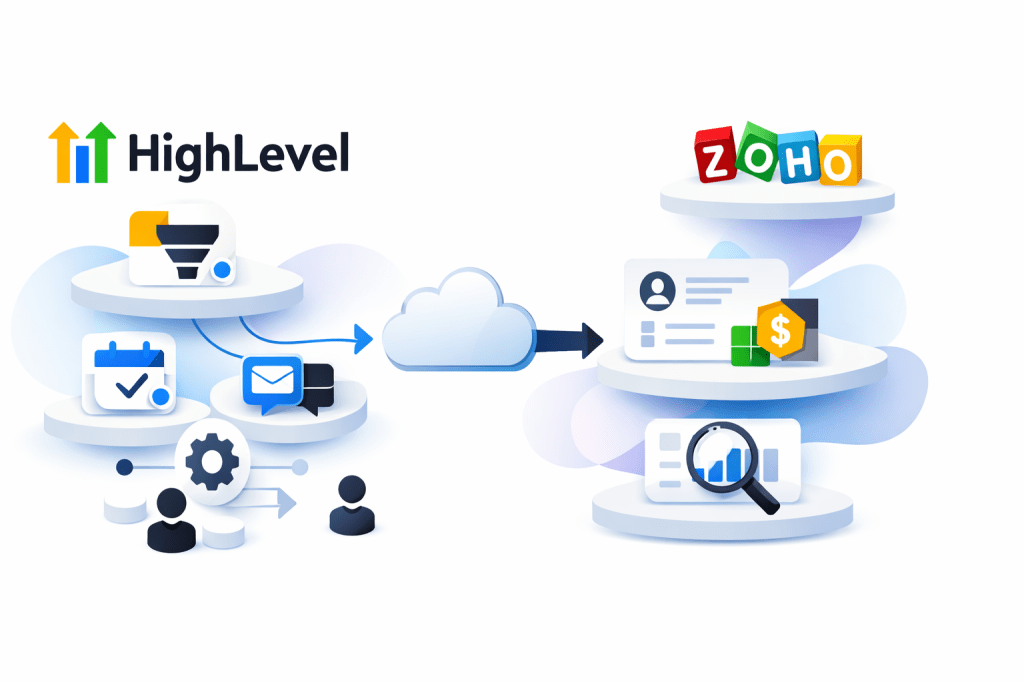
If Zoho CRM feels solid but a little too CRM-only for the way you actually sell, HighLevel is the alternative worth looking at first. It makes more sense when you want leads, follow-up, booking, funnels, and pipeline management in one place instead of stacking extra tools around your CRM.
That does not mean HighLevel is automatically the better buy. Zoho CRM still wins on low-cost entry and makes more sense when you mainly want a sales database, reports, and automation without paying for a broader marketing stack.
This review is here to help you decide which camp you are in before you spend hours setting things up. If you already have an offer, run a service business, or want to test the official HighLevel free trial, the difference matters fast.
Article outline
I broke this review into three simple chunks so you can jump straight to the part that matters most to your decision.
- First: my quick take up front, a fast comparison snapshot, and who this is best for.
- Next: what you get in the HighLevel trial, the good stuff, pricing and value, and why buying now may make sense.
- Last: alternatives, the final verdict, FAQ, and whether you should start the trial now or wait.
My quick take up front
HighLevel is the better Zoho CRM alternative when your problem is not just contact management. It becomes much more attractive when you also need landing pages, forms, calendars, follow-up automation, texting, and a client-friendly setup without buying a separate funnel builder.
Zoho CRM is still the easier answer for teams that want a more traditional CRM path and care a lot about price. If you do not need client sub-accounts, white-label options, or an all-in-one marketing setup, Zoho can easily be the smarter move.
The reason HighLevel keeps getting pulled into this conversation is simple. It is not trying to be just another pipeline tool, which means the extra money can start to make sense once your current setup feels patched together.
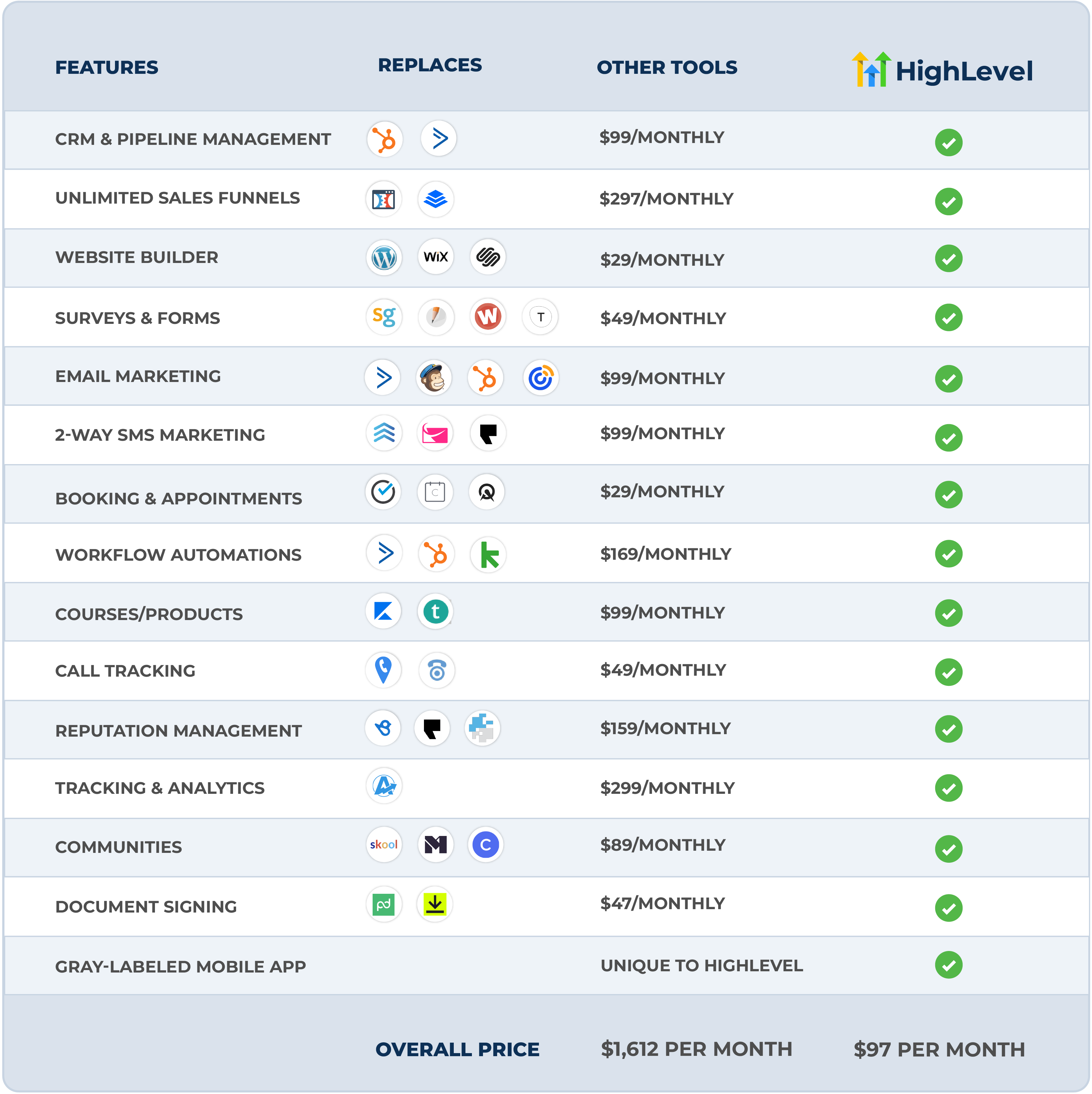
Image source: HighLevel homepage
Quick decision snapshot
Check the official free trialThat table is the simplest way to frame the choice. HighLevel is usually the better pick when you are replacing a messy stack, while Zoho CRM is usually the better pick when you are mostly solving for CRM structure and lower cost.
Who this is best for
Pick HighLevel first if you sell appointments, leads, or recurring services and you are tired of stitching together a CRM, landing page builder, calendar tool, texting tool, and automation platform. That is the buyer who usually looks at Zoho CRM, likes the price, then realizes they still need more pieces around it.
HighLevel also starts to pull away when you manage multiple brands, locations, or clients. The built-in sub-account structure and white-label path make it feel much closer to an operating system for service businesses than a basic CRM subscription.
Pick HighLevel if these sound like you
- You want your CRM and lead capture tools in the same platform.
- You plan to automate follow-up across more than one channel.
- You care more about replacing tools than getting the absolute cheapest entry plan.
- You want room to grow into client accounts, white-labeling, or a broader marketing stack.
Stick with Zoho CRM if these sound more like you
- You mainly need a sales CRM and do not care much about funnels or landing pages.
- You are extremely price-sensitive right now and want a free entry point.
- You already like your separate website, email, and scheduling tools.
- You would rather keep the setup narrower than learn a bigger all-in-one platform.
That last point matters more than people admit. HighLevel can save time fast for the right buyer, but it can also feel like overkill if all you wanted was better pipeline tracking.
The next section is where the decision gets easier. Once you see what you actually get inside the HighLevel trial, you can tell pretty quickly whether the extra breadth is useful or just more software than you need.
What you get in the HighLevel trial
HighLevel gives you a 14-day trial on any plan, which is better than a stripped-down demo if you are seriously comparing it to Zoho CRM. You can test Starter, Unlimited, or Agency Pro instead of guessing whether the extra breadth is worth paying for later.
Starter is the plan most people should judge first. It is $97 a month, includes unlimited contacts, unlimited users, 3 sub-accounts, and all core features, which is a lot more generous than the usual per-seat CRM model.
- Starter: $97 a month, unlimited contacts, unlimited users, 3 sub-accounts, and all core features.
- Unlimited: $297 a month, unlimited sub-accounts, user and agent reporting, and phone or email rebilling without markup.
- Agency Pro: $497 a month, SaaS Mode, automated sub-account creation, phone and email rebilling with markup, and advanced API access.
That matters because a HighLevel alternative to Zoho CRM only makes sense if you are replacing more than a contact database. You need enough room to test the pipeline, lead capture, scheduling, follow-up, and the client-facing side of the product in one real setup.
Starter already goes past classic CRM territory. You are getting booking, websites, pipelines, custom objects, and a branded desktop app before you even move into the agency-heavy plans.
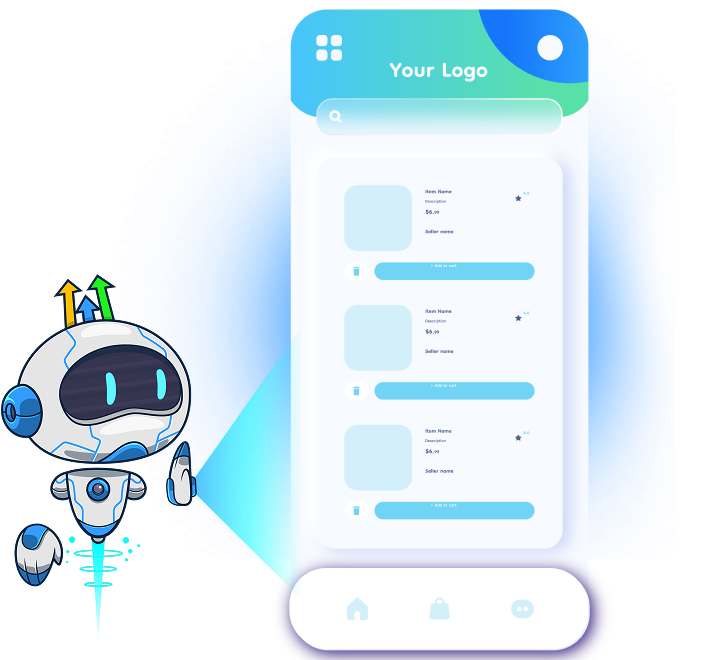
Image source: official HighLevel free trial
The trial is only useful if you treat it like a real test. Build one pipeline, one calendar, one form, and one simple automation, and you will know much faster whether HighLevel fits better than staying with Zoho and bolting on extra tools.
The good stuff
HighLevel gets interesting once you stop looking at it as just another CRM. The real payoff is that leads do not just sit in a database, because the same platform also handles capture, routing, follow-up, booking, and client access.
Unlimited users and unlimited contacts on Starter is a big deal. If Zoho looks cheap at first but you know you are going to add people, clients, and more moving parts, HighLevel starts looking a lot less expensive than it did on first glance.
Built-in communication tools help here too. When messaging, scheduling, and team notes live close to the CRM, you spend less time bouncing people between disconnected systems and more time actually moving deals forward.
Image source: HighLevel official site
Automation is the part that makes HighLevel feel like a real Zoho CRM alternative instead of a side-grade. A form submission can create a lead, assign a task, and send the next step without you touching three different tools.
That saves time fast if you already have traffic, inbound leads, or appointment flow. It also makes missed follow-up less likely, which is one of the most common reasons simple CRM setups feel fine on paper and weak in practice.
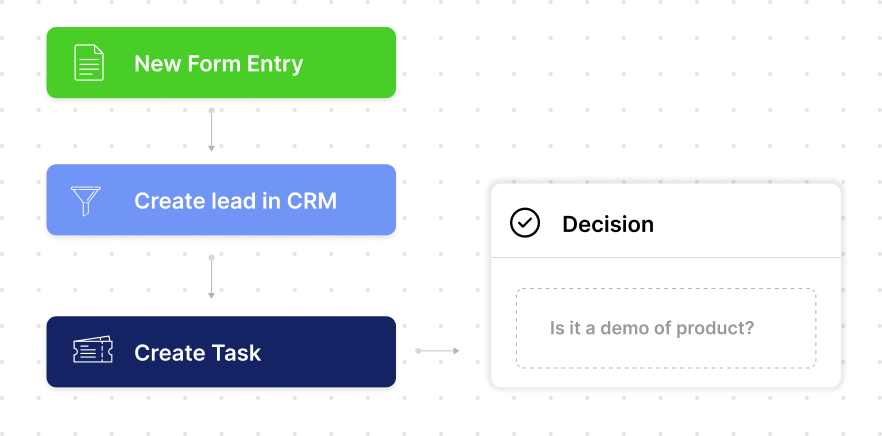
Image source: HighLevel official site
The white-label side is another reason HighLevel keeps beating Zoho CRM for agencies and consultants. If you want to invite clients into a branded system or turn the software into part of your offer, HighLevel gives you a much clearer path.
This is also where I would be blunt about the catch. If you only want sales tracking, notes, and basic workflows, HighLevel can feel like too much software and Zoho CRM can still be the cleaner buy.
Image source: HighLevel official site
Pricing and value
HighLevel loses the price argument if you compare it only to Zoho CRM’s free edition or low per-user entry tiers. HighLevel wins that argument more often when your real stack also needs pages, forms, calendars, funnel building, texting, and follow-up automation.
That is why a cheaper tool is not always the cheaper decision. At some point, the monthly software line item matters less than the time you waste patching together a CRM and several other tools that were never built to feel like one system.
Check the official free trialThat table is the cleanest way to think about it. If you mainly want the cheapest starting point, Systeme.io is hard to ignore, and if you mainly care about online selling funnels, ClickFunnels can be a cleaner fit. If you want a stronger HighLevel alternative to Zoho CRM that also swallows more of the rest of your tool stack, HighLevel is the one that keeps making the strongest case.
Why buying now can make sense
Starting HighLevel now makes the most sense when you already have something to sell and your current setup feels messy. Waiting usually means more manual follow-up, more tool-hopping, and more time lost before leads ever get a proper next step.
That does not mean everyone should rush in. If you are still figuring out your offer, still pre-revenue, or only need classic CRM basics, HighLevel is probably more platform than you need right now.
Buy when the extra breadth will actually get used. That usually means you want your pages, forms, scheduling, lead tracking, and follow-up living together instead of spread across Zoho CRM and a pile of extra subscriptions.
If that sounds like your situation, the safest move is not overthinking it for another month. Start the HighLevel free trial, build one real workflow, and decide from something concrete instead of staying stuck in comparison mode.
Alternatives worth looking at before you commit
HighLevel is not the only answer here. It is the strongest answer when you want a real HighLevel alternative to Zoho CRM that also replaces a bunch of other tools, but that does not automatically make it the best fit for every budget or workflow.
The fastest way to decide is to stop asking which tool is “best” in general and ask which one matches the way you actually sell. If your current problem is scattered follow-up, lead capture, and client management, HighLevel usually wins that conversation.
Image source: HighLevel official site
Check the official free trialChoose HighLevel if your current stack feels patched together and you want one system to handle capture, follow-up, booking, and pipeline work. Choose Systeme.io if money is tight and you need the cheapest all-in-one option, and choose Zoho CRM or Copper if you mostly want a simpler CRM without the extra platform weight.
Image source: HighLevel official site
Final verdict
HighLevel is absolutely worth trying for the right buyer. That buyer is not someone casually browsing CRMs, but someone who already knows the real problem is not just tracking contacts and needs better lead handling, faster follow-up, and fewer disconnected tools.
Zoho CRM still makes more sense if you want a cheaper, more classic CRM path. HighLevel makes more sense when you are ready to stop babysitting a stack of separate apps and want a stronger operating system for how your business actually acquires and closes leads.
That is also where the price becomes easier to justify. Paying more for one tool hurts less when it replaces enough other tools and saves enough setup friction to help you move faster.
Here is the catch. HighLevel can be overkill if you are brand new, have no clear offer yet, or only need a place to store deals and notes.
- Buy now if you already have traffic, appointments, or client work and your current setup feels messy.
- Wait a bit if your offer is still unclear and you are not ready to build real workflows yet.
- Skip it if you only want a simple CRM and know you will never use the extra breadth.
For agencies, consultants, local service businesses, and operators selling appointments, HighLevel is the better bet more often than not. It is not the cheapest route, but it is usually the cleaner one once you are serious about using it properly.
Image source: HighLevel official site
FAQ
Is HighLevel actually better than Zoho CRM?
It is better when you want more than CRM. If you need funnels, automation, booking, follow-up, and client accounts in the same place, HighLevel is usually the stronger pick.
Is HighLevel too much for beginners?
Sometimes, yes. If you are just learning how you sell and do not have a real workflow to build yet, Zoho CRM or Systeme.io may be easier places to start.
Can HighLevel replace enough tools to justify the price?
For the right setup, yes. That is the whole point of the product, and the value gets much clearer once you compare it against paying separately for a CRM, calendar tool, funnel builder, texting tool, and automation stack.
Is the 14-day trial enough to decide?
It is enough if you test one real use case instead of clicking around randomly. Build one pipeline, one booking flow, and one automation, and the answer usually becomes obvious.
Should you start the trial?
Start it now if you already have an offer, already get leads, and already feel the pain of a messy tool stack. Waiting usually just means more manual follow-up and more delays before your system gets better.
Hold off if you know you are not ready to build anything yet. HighLevel is easier to justify when you can use the trial to test a real workflow instead of browsing features with no plan.
If you are close to action, this is the point where the platform makes the most sense. Try HighLevel while you are actually motivated to build, not after another month of putting the decision off.
Get started with HighLevel Filip Konecny Enterprises