
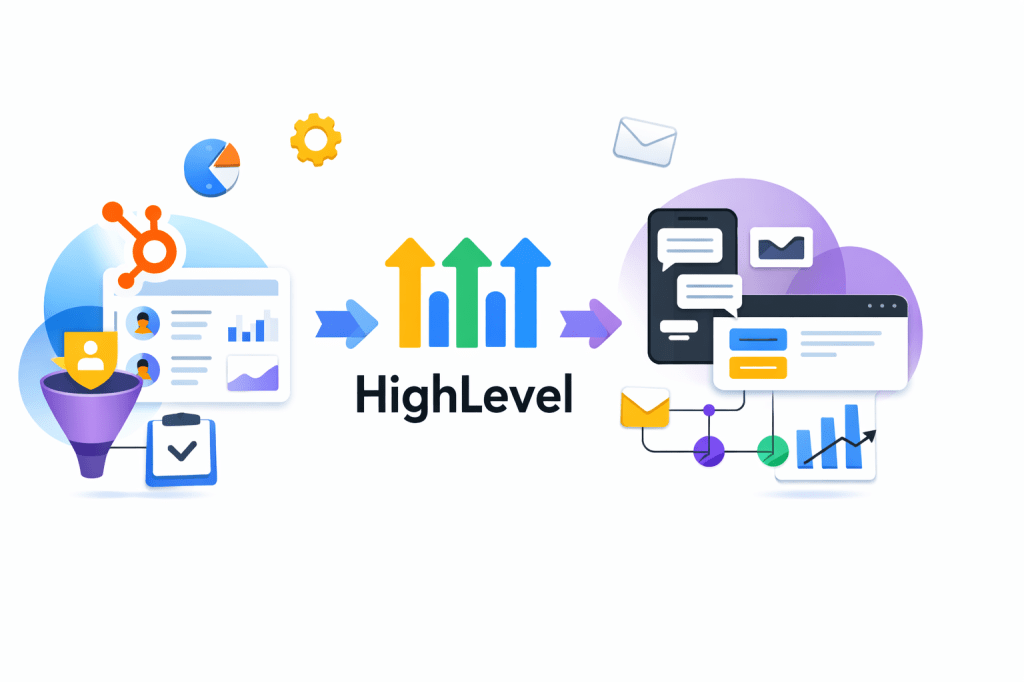
If you searched for a HighLevel alternative to HubSpot, you are probably not looking for another vague CRM roundup. You are trying to figure out whether HighLevel can replace enough of your stack to justify the switch, or whether HubSpot is still the safer buy. That is the real decision here.
HighLevel usually looks better when you want CRM, funnels, two-way messaging, calendars, automation, and client management in one place. HubSpot still looks better when you want a cleaner free starting point, easier onboarding, and a platform that feels more polished right away. Those are very different buyers, and mixing them up is where people waste money.
My take this early is simple. For agencies, consultants, and service businesses already trying to generate leads and close deals, HighLevel is a serious option worth testing now with the official free trial. For very early teams that mainly want a free CRM before they add serious marketing tools, HubSpot can still be the easier first move.
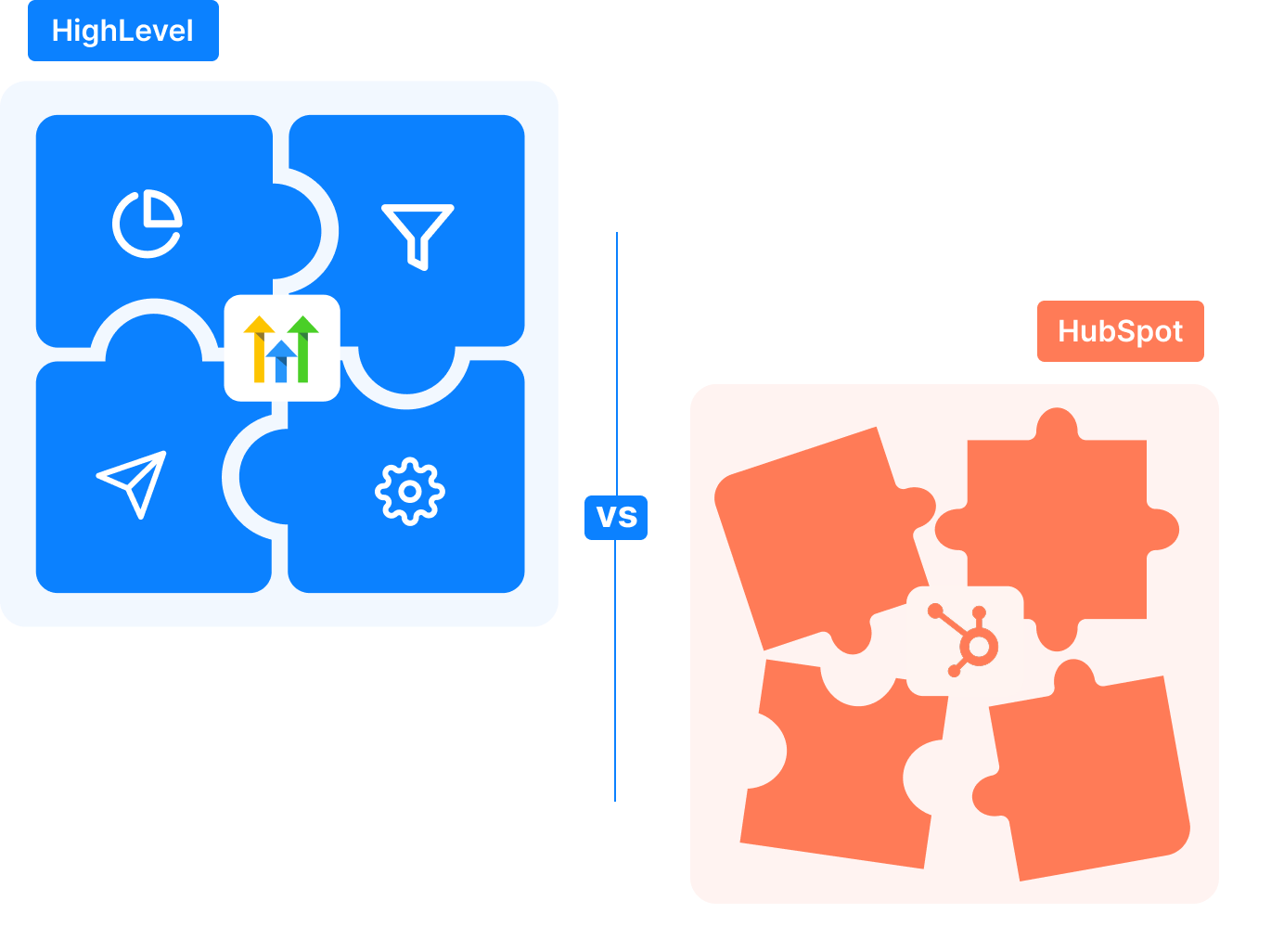
Image source: HighLevel vs HubSpot
Article outline
This review is built to answer one question fast: is HighLevel actually worth choosing over HubSpot for your kind of business? I split it into three clear sections so you can jump straight to the part that matters most.
- First: is HighLevel actually a good HubSpot alternative? This section gives you the quick decision, the trade-off, and the buyer fit.
- Next: what you get, what it costs, and why people switch. I will break down the trial, the standout features, the good stuff, and whether the price is justified against other tools.
- Last: the alternatives and the final verdict. That is where I will show when HighLevel is the best pick, when a cheaper option makes more sense, and whether you should buy now, wait, or skip it.
Is HighLevel actually a good HubSpot alternative?
Yes, but only for the right buyer. HighLevel is not a lighter HubSpot clone. It is a more aggressive all-in-one built for people who want to replace separate tools with one monthly platform.
The pricing structure is a big part of the appeal. HighLevel starts at $97 per month, includes a 14-day free trial, and leans hard into unlimited users and unlimited contacts on its plans, while HubSpot gives you a real free CRM entry point and then moves into seat-based paid pricing as you grow. That alone makes the two tools feel very different once your business gets more serious.
The recent review pattern is also pretty clear. HighLevel keeps getting praised for putting CRM, automation, messaging, and lead handling in one place, while the common complaint is the learning curve. HubSpot gets credit for ease of use and a cleaner experience, but buyers keep running into higher costs once they want more advanced features.
Check the official free trialThat table is the whole story in a nutshell. HighLevel asks you to pay sooner, but it starts earning that price once you would otherwise be paying for separate CRM, funnel, scheduling, follow-up, and messaging tools. HubSpot is easier to justify at the very beginning, but it stops feeling cheap once your needs stop being basic.
Who should lean toward HighLevel
HighLevel is the stronger buy when you are already trying to sell, book, follow up, and automate inside one system. Waiting usually just means you keep duct-taping more tools together and delaying the setup you were going to need anyway.
- You run an agency or manage multiple clients, locations, or sub-accounts.
- You want funnels, calendars, forms, CRM, texting, and automation under one roof.
- You care more about replacing tools than getting the prettiest interface.
- You are willing to spend time setting it up because the payoff is fewer moving parts later.
Who should keep HubSpot or wait
HubSpot is still the safer choice for buyers who mainly want a clean CRM foundation and do not need the heavier all-in-one side yet. HighLevel can feel like overkill if you are still figuring out your offer, your sales process, or whether you even need advanced automation.
- You want a true free CRM before paying for anything serious.
- Your team values ease of use and fast adoption more than all-in-one depth.
- You do not need built-in funnels, white-label options, or agency-style account management.
- You are still early enough that a simpler setup will probably get used more consistently.
The next section gets into the part that usually decides the purchase. I will break down what you actually get inside HighLevel, what the trial lets you test, and why the platform starts to look much more attractive once you compare it to paying for several separate tools.
What you get with HighLevel
The official free trial is enough to answer the only question that matters here: can HighLevel replace enough of your HubSpot stack to make the switch worth it. If you can capture a lead, automate follow-up, book appointments, and move deals through a pipeline inside the trial, you will know pretty fast whether this is a real fit.
HighLevel’s standard offer is a 14-day trial, and the main plans currently start at $97 for Starter, $297 for Unlimited, and $497 for Pro. The big reason people look at it as a HighLevel alternative to HubSpot is that the platform stacks CRM, funnels, automation, calendars, messaging, websites, and client account management into one monthly system instead of spreading that across separate add-ons.
What you can actually test in the trial
The trial is not some watered-down teaser. HighLevel lets you test real core functionality, which matters because this kind of software only makes sense when you can see your own workflow inside it.
- Lead capture with pages, forms, surveys, and calendars
- CRM pipelines for tracking deals and follow-up
- Automation for email, SMS, calls, and task routing
- Booking flows for appointments and service businesses
- Website, funnel, and course-building tools in the same login
Starter is the plan most people should test first. It gives you the core stack, unlimited contacts and users, and up to three sub-accounts, which is already enough to tell whether HighLevel can handle your business or your first few client accounts.
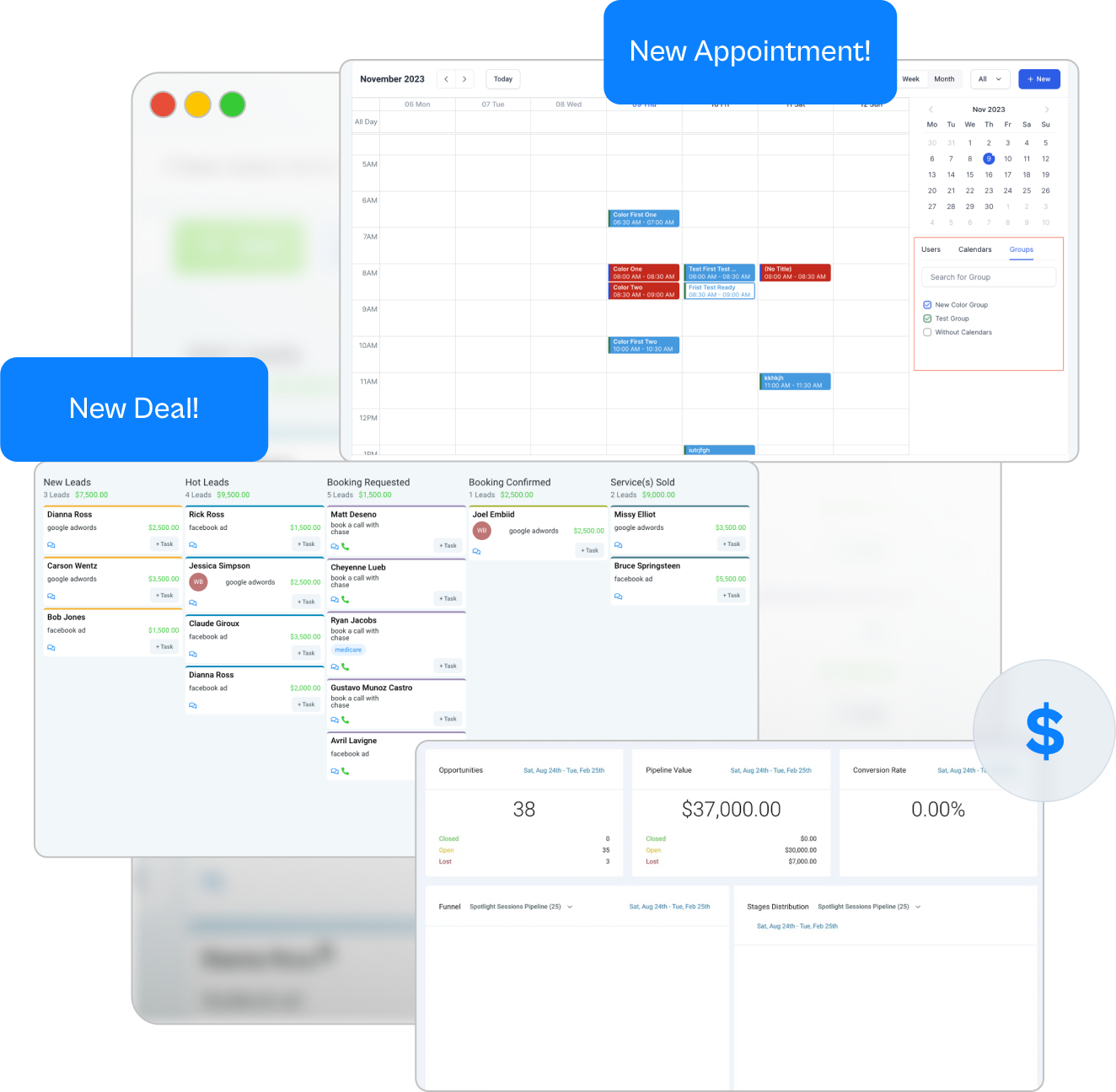
Image source: HighLevel free trial
Unlimited is where HighLevel starts pulling away from HubSpot for agencies and multi-location businesses. You get everything in Starter plus API access, unlimited sub-accounts, and a branded desktop app, which makes the platform much easier to justify once you are managing more than one business unit or more than one client.
Pro is more specific. It adds SaaS mode, rebilling with markup, split testing, and more advanced API access, so it only makes sense if you want to resell the software or build recurring client packages around it.
The good stuff
HighLevel earns its price by replacing categories of tools, not by being prettier than HubSpot. If your current setup feels like CRM here, landing pages there, calendar somewhere else, and follow-up held together by Zapier, HighLevel starts looking a lot more practical.
The funnel and page builder is a big part of that. You can build lead capture pages, booking pages, and sales funnels in the same account where the contact record, pipeline stage, and automation already live, which cuts down a lot of manual handoff work.
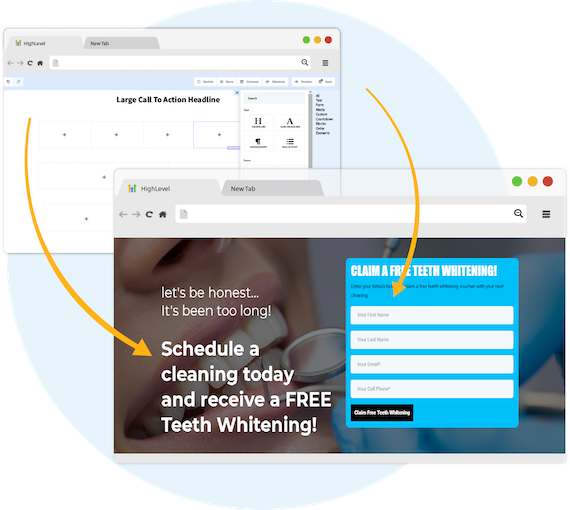
Image source: HighLevel homepage
The automation side is where the platform becomes more than a CRM. HighLevel is built around the idea that a new lead should not just sit there waiting for someone to remember the next step, and that matters a lot more than people think when they are comparing software on a feature checklist.
The membership and course tools also help if you sell onboarding, training, paid communities, or digital products. HubSpot can connect to that kind of setup, but HighLevel tries to keep it under the same roof.
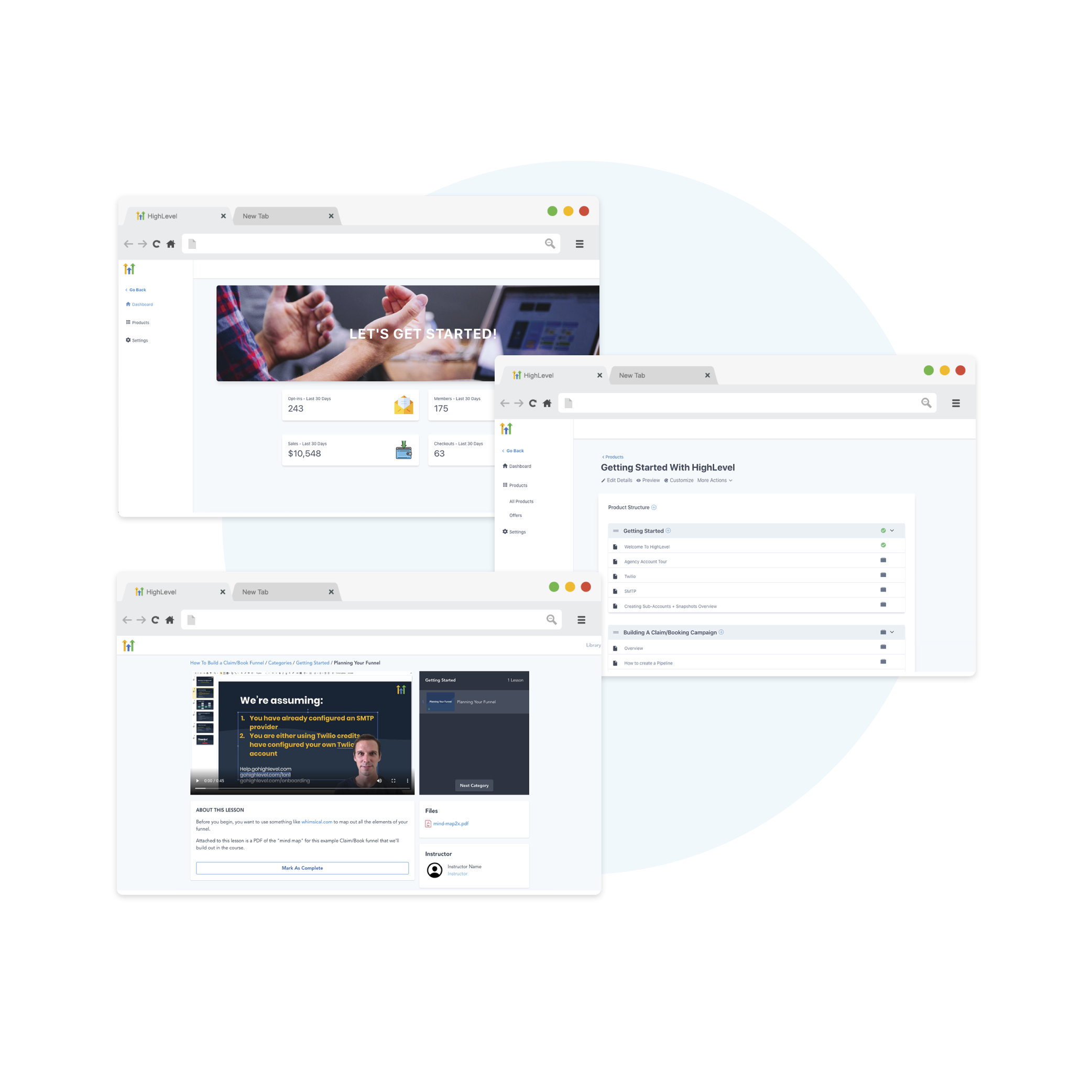
Image source: HighLevel homepage
Here is the catch. HighLevel is not the easier tool. HubSpot is cleaner, more polished, and less intimidating for teams that mainly want a CRM and some light marketing. HighLevel asks you to think in systems, which is great if you are ready for that and annoying if you are not.
Usage costs matter too. The platform fee is one thing, but messaging and similar services can add variable charges based on what you actually use, so you should not read the base plan price as your total forever cost.
Pricing and value next to cheaper options
This is where buyers either get convinced or walk away. HighLevel is not the cheapest tool in this category, but it often becomes the more rational buy when the alternative is paying for a CRM, a funnel builder, a scheduling tool, automation, and client management separately.
See current pricing and start the free trialSysteme.io and Brevo are easier to justify if price is your whole decision. HighLevel becomes the better buy when you already know you need serious automation, client accounts, and more than one core growth tool under the same login.
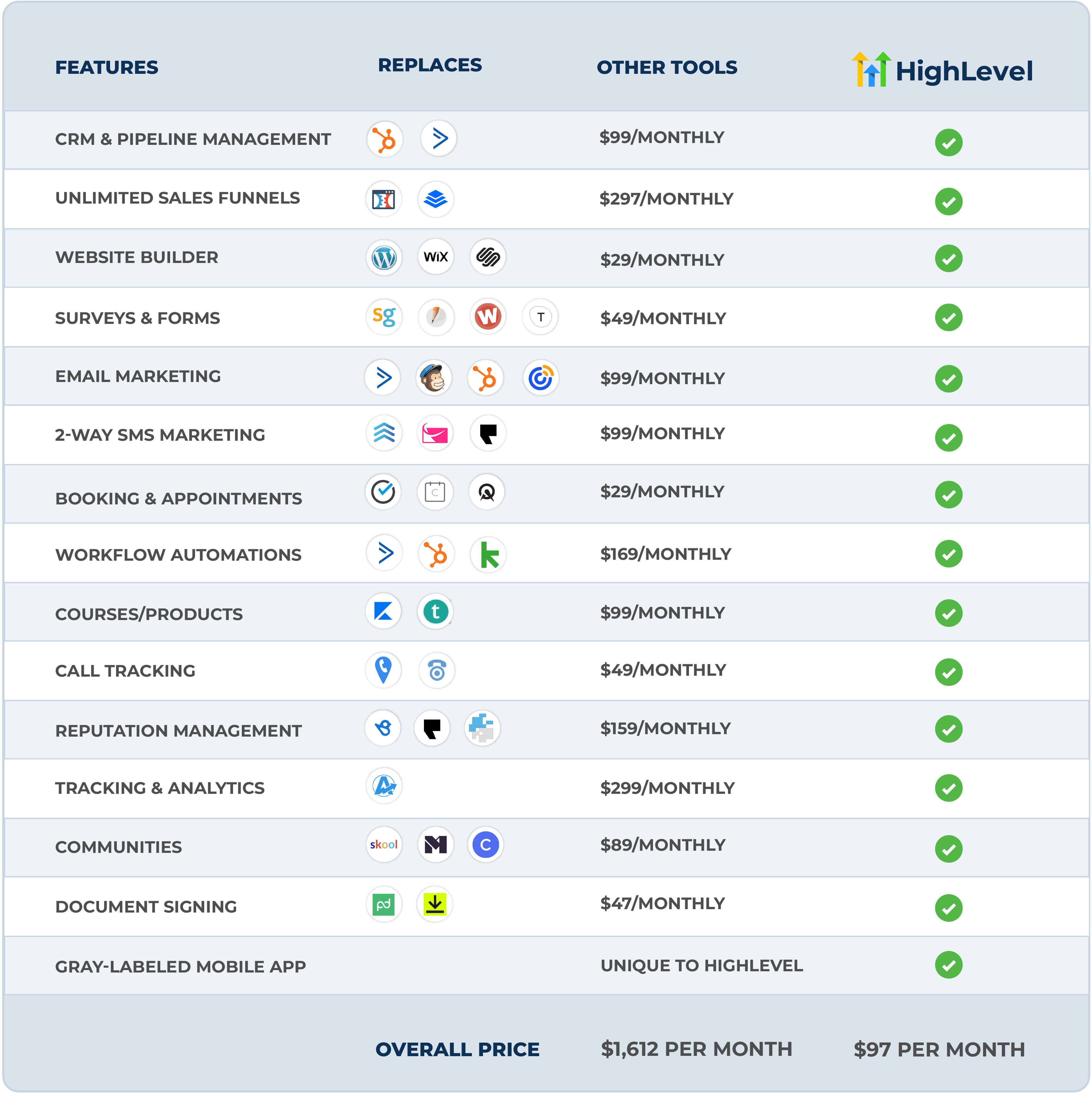
Image source: HighLevel homepage
Why you should start now instead of keep patching tools together
Waiting only makes sense if you are still too early to use it. If you already have an offer, leads to follow up with, and a sales process that feels messy, waiting usually means you stay stuck with the same fragmented setup for another month.
HighLevel is not for everyone. If you are just using HubSpot as a simple free CRM and barely touching automation, you probably do not need to switch yet.
HighLevel is for the buyer who is already trying to move faster. If that sounds like you, getting started with HighLevel makes more sense now than later, because the platform only starts paying you back after the system is built.
Alternatives worth looking at
HighLevel is not the automatic winner just because it does a lot. The better question is whether you need an all-in-one that can replace parts of HubSpot, your funnel builder, your scheduler, and your follow-up stack at the same time.
That is why a HighLevel alternative to HubSpot is not really a one-tool comparison. You are choosing between a more polished CRM-first setup, a funnel-first setup, or a more aggressive all-in-one that asks for more setup but can replace more tools once it is running.
Image source: HighLevel free trial
Check the official free trialChoose HighLevel if you want one system that can run lead capture, follow-up, booking, sales tracking, and client delivery without stitching together a bunch of separate tools. Choose Systeme.io if price matters more than depth, and stick with HubSpot if you want the cleaner broader platform experience and you are fine paying more as your setup grows.
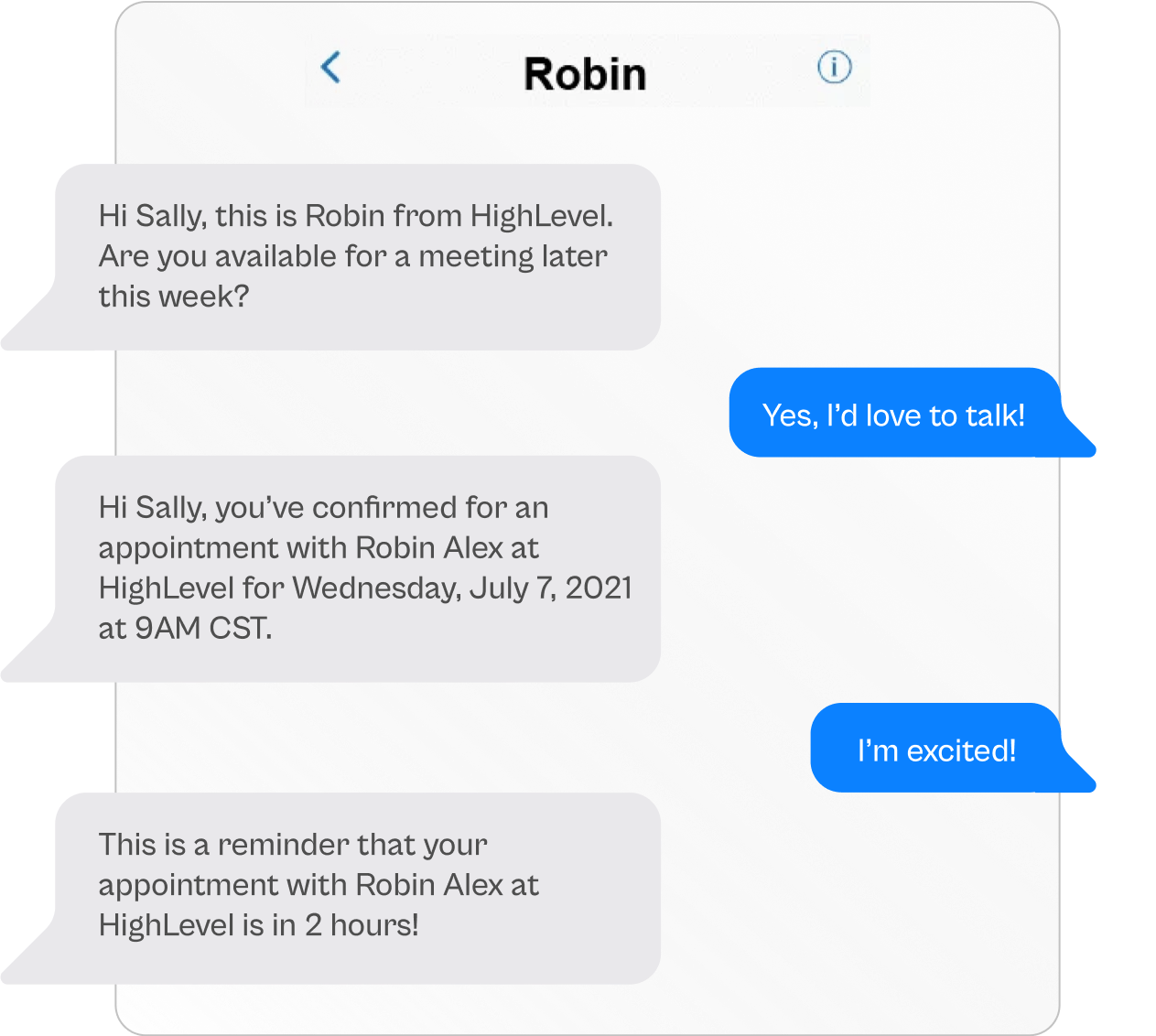
Image source: HighLevel AI
My honest take
HighLevel is worth it for the right buyer. That buyer is already selling something, already following up with leads, and already annoyed by how many tools are involved.
HubSpot still wins on simplicity. If your team mainly needs contact management, light sales process help, and a cleaner interface, HubSpot is easier to live with and easier to hand off to less technical users.
HighLevel wins when your current setup feels messy. You only really understand the appeal once you picture your funnel pages, automation, calendars, messaging, pipeline, and reporting living under one login instead of across five subscriptions.
There is a catch. HighLevel does not magically fix a weak offer, no traffic, or a broken sales process. It helps you move faster once those basics already exist.
Switching from HubSpot also makes more sense for some people than others. If you are deep into HubSpot’s content, reporting, and multi-hub ecosystem, the move is bigger. If you mainly use HubSpot for pipeline tracking, forms, and follow-up, HighLevel is much easier to justify.
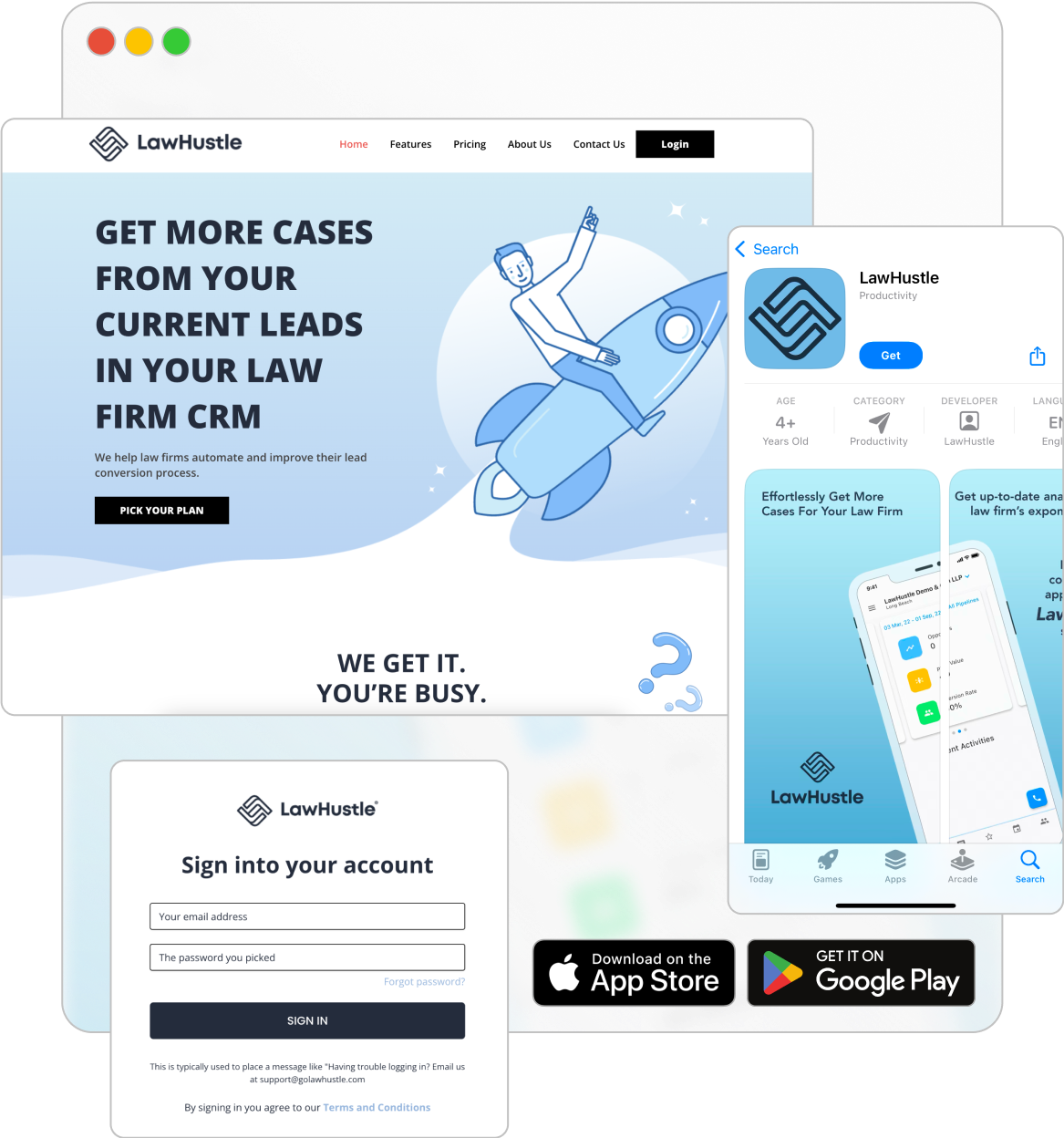
Image source: HighLevel SaaS upgrade
Final verdict
If you want a HighLevel alternative to HubSpot because HubSpot feels too limited on the free side or too expensive once you start adding serious marketing tools, HighLevel is absolutely worth a real look. It is not the easiest option, but it can be the smarter one once you need more than a basic CRM.
If you are an agency, consultant, coach, or service business with active lead flow, I would lean toward trying HighLevel now instead of waiting. Waiting usually means you keep paying for a scattered stack and keep delaying the system you were going to need anyway.
If you are brand new, still validating your first offer, or mostly want a simple CRM with almost no setup friction, wait or pick something lighter. HighLevel is great for some people and overkill for others, and pretending otherwise is how people buy software they never use properly.
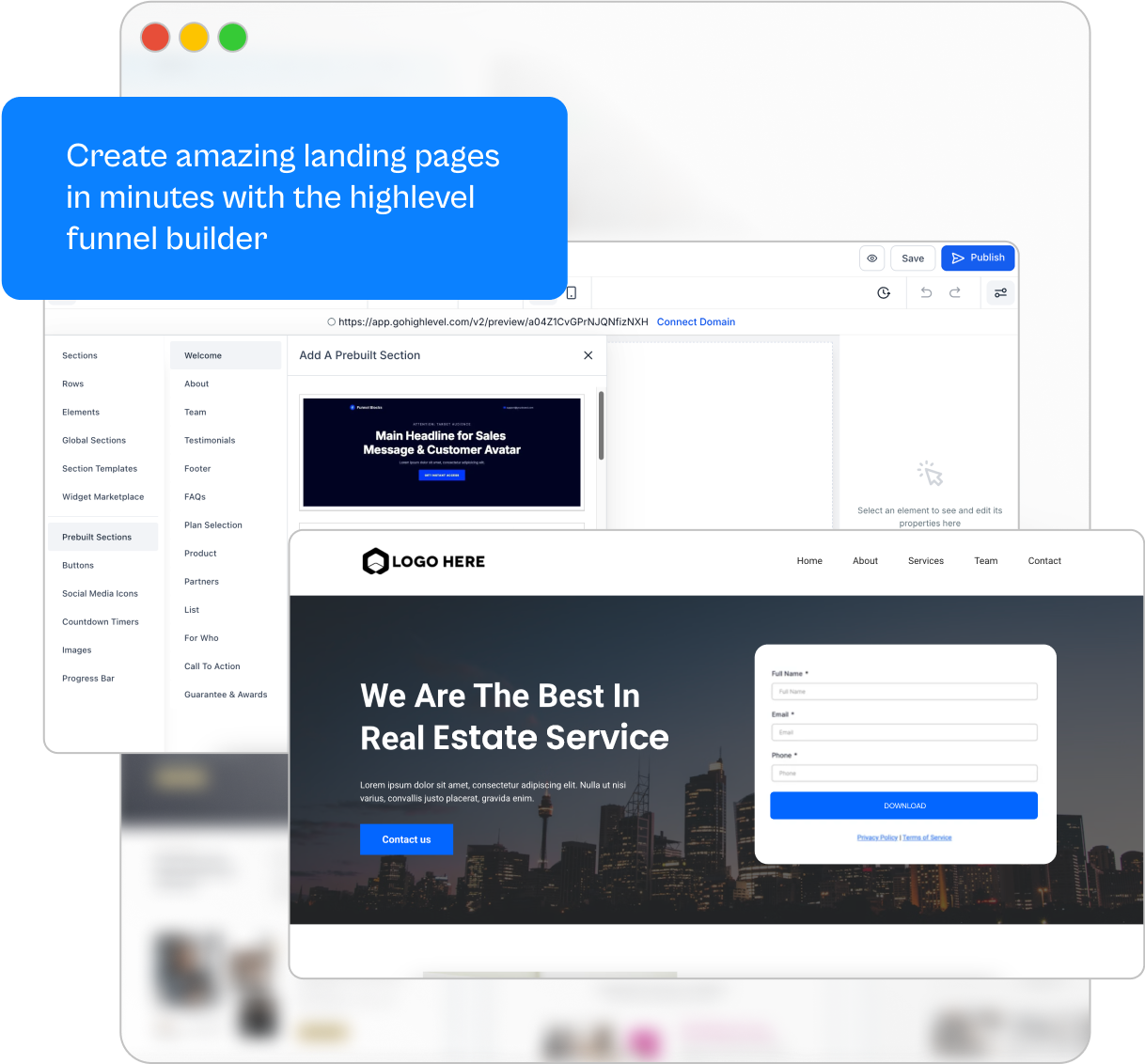
Image source: HighLevel homepage
Common questions
Is HighLevel easier than HubSpot?
No. HubSpot is usually easier to understand right away. HighLevel asks for more setup, but it gives you more control once you want funnels, automation, booking, and client delivery in the same place.
Can HighLevel replace HubSpot?
For some businesses, yes. If you mainly need CRM, follow-up, funnels, calendars, messaging, and automation, HighLevel can replace a lot. If you rely heavily on HubSpot’s broader hub ecosystem, the answer is more mixed.
Is HighLevel too much for beginners?
Sometimes, yes. Beginners can use it, but it makes more sense after you already know what you are selling and how your lead process should work. Otherwise a cheaper and simpler option is usually the better first move.
Should you switch now or later?
Switch now if you already have offers, leads, and a messy stack you want to clean up. Wait if you are still figuring out the basics, because software will not do that part for you.
Should you start the trial?
Start the trial if you are close to action and want to see whether HighLevel can replace enough of your current setup to earn its price. That is the fastest way to tell whether this is the right move or whether you should stay with HubSpot a bit longer.
Get started with HighLevel Filip Konecny Enterprises