
If you just need a basic shortener, both of these tools can do the job. The real difference is what happens after the click, because Dub pushes harder into attribution, conversion tracking, and partner tracking, while Short.io leans more into affordable link management and generous usage limits.
That matters more than most people think. A lot of teams buy a link shortener, then realize a few weeks later they also need better analytics, cleaner reporting, a nicer dashboard for clients, or a way to prove which links actually influenced revenue.
My early take is simple. Dub looks like the better pick if marketing attribution is the main goal, while Short.io makes more sense if you care most about raw link volume, custom domains on the free plan, and a lower-friction starting point.
Quick take before you scroll
You do not need to read 3,000 words to know whether this comparison is relevant to you. If you run campaigns, track partner links, or want one place for short links and conversion-focused reporting, Dub is the one that stands out faster.
Short.io is easier to justify if budget comes first and you want a stronger free starting point on paper. Its free plan includes more custom domains and a much bigger monthly tracked click allowance, so it will naturally look attractive to solo users, small teams, and anyone who mainly wants branded links without paying early.
The catch is that cheap does not always mean better. If your current setup is messy and you are already trying to connect short links with campaign performance, signups, or sales, waiting too long usually means you keep working around the problem instead of fixing it.
Explore DubThat snapshot already tells you a lot. Short.io gives you more room on the free side, but Dub starts making more sense when links are not just links anymore and you actually want them tied back to campaigns, revenue, or partnerships.
That is why this comparison is worth reading before you pick one and build around it. Switching later is possible, but it is still annoying when your tracking setup, reporting habits, and branded links are already spread across live campaigns.
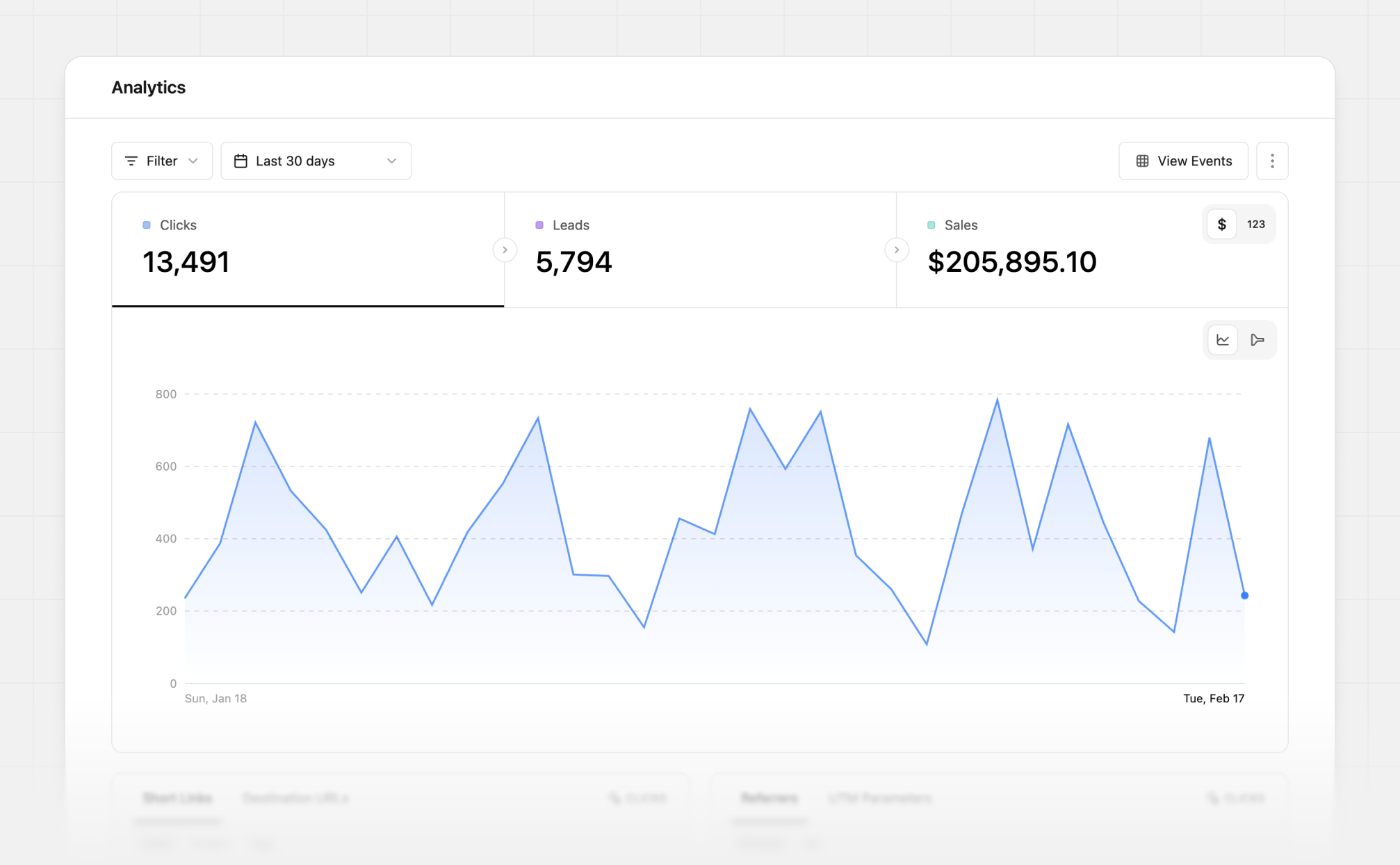
Image source: Dub analytics overview
Article outline
I structured this review to answer the buying questions that actually matter. You are probably not asking which tool can shorten a URL, because both can; you are asking which one is worth building your workflow around.
- Quick take before you scroll — the fast answer if you already know your main goal and want a rough direction in under a minute.
- What you get — a closer look at the core feature set, what feels useful right away, and where one tool gives you more value without extra setup.
- The good stuff — the real strengths, not padded marketing language, so you can see what each tool genuinely does well.
- Pricing and value — where the cost starts to make sense, where it feels heavy, and which buyer is most likely to feel good about paying.
- Why you might want to start now — whether buying now actually saves you time and friction, or whether you should hold off until you are more ready.
- Alternatives — the trust-building section, because sometimes the smartest move is a cheaper tool or a broader one depending on your setup.
- Final verdict — the blunt recommendation based on who should choose Dub, who should choose Short.io, and who should wait.
- FAQ — short answers to the objections most readers usually have right before they click or leave.
The next section is where this comparison gets more practical. I am going to break down what you actually get from each platform so you can judge whether Dub earns the extra attention or whether Short.io is enough for what you need right now.
What you actually get
Dub gives you more than a branded link generator. The jump from a basic shortener to a tool that can track clicks, leads, sales, QR scans, partner activity, and deeper reporting is the main reason people end up paying for it.
Short.io covers the classic link-management job really well. You get branded links, custom domains, QR codes, real-time analytics, API access, and a much stronger free plan if your main goal is to shorten, organize, and monitor links without paying early.
The practical difference is simple. Short.io feels stronger for volume on a budget, while Dub feels stronger when clicks need to connect to actual business outcomes.
Image source: Dub analytics overview
Dub’s free plan is not huge, but it is focused. You get 1 user, 3 custom domains, 25 new links per month, real-time analytics, API access, QR codes, UTM templates, and 1,000 tracked events per month, which is enough to see whether the product fits your workflow before you spend money.
Short.io gives you more room immediately. Its free plan includes 1 user, 5 custom domains, 1,000 branded links total, 1,000 automations, and 50,000 tracked clicks per month, so it is easier to recommend to someone who mainly wants branded links and does not care much about attribution yet.
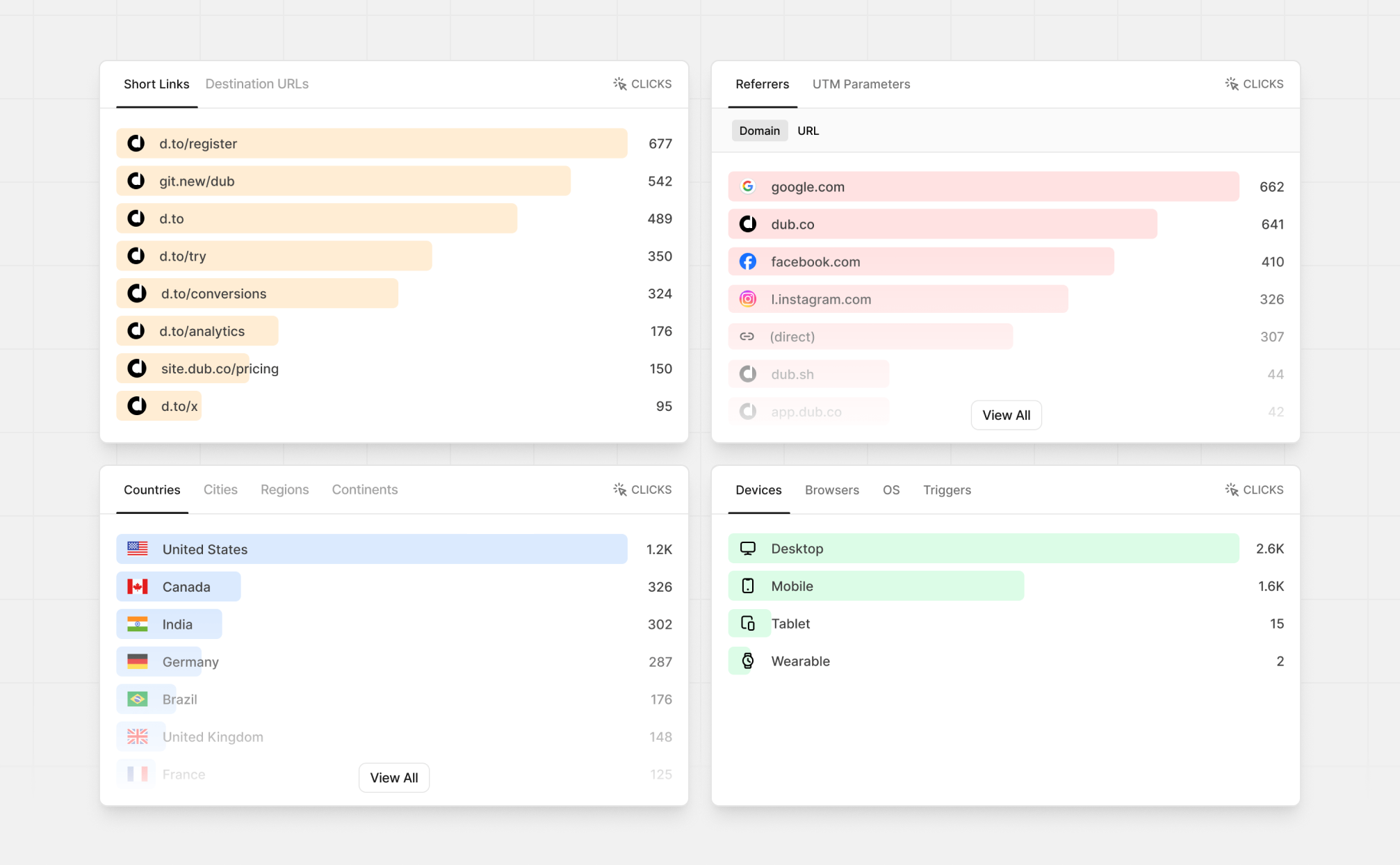
Image source: Dub analytics overview
Paid Dub plans are where the product starts to separate itself. Pro begins at $25 per month billed yearly, then Business jumps to $75 per month billed yearly and adds the stuff performance-focused teams usually care about more, including conversion tracking, A/B testing, customer insights, webhooks, and much higher event limits.
Short.io’s paid plans are easier to swallow if cost is the first objection in your head. The official pricing page also says every paid plan includes a 7-day free trial, which makes it friendlier for cautious buyers who want to test the workflow before committing.
The good stuff
Dub looks like a smarter buy when your current setup is already messy. If you are tired of having one tool for short links, another for analytics, another for partner tracking, and then a spreadsheet trying to connect the dots, this is where Dub starts to justify the higher price.
The analytics side is not just prettier. Dub’s own product pages and help docs make a big deal out of real-time reporting, shareable analytics, event streams, conversion tracking on Business and above, and the ability to filter data across links, tags, folders, partners, countries, cities, devices, and more.
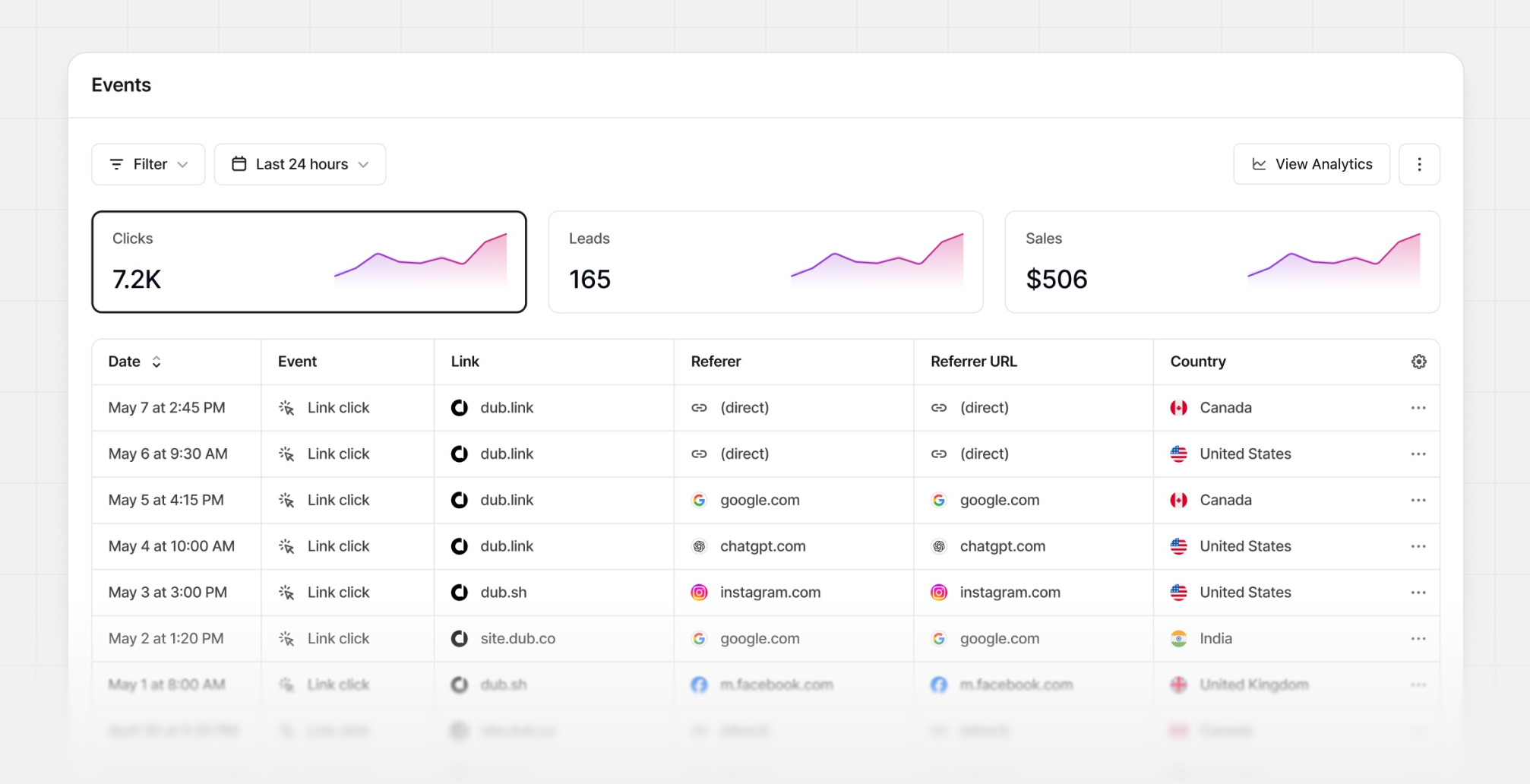
Image source: Dub analytics overview
That matters if you are running campaigns that need more than vanity metrics. Seeing clicks is nice, but seeing whether those clicks turned into leads or sales is what makes a tool feel useful instead of decorative.
Short.io still deserves credit because it does a lot well for less. Custom domains, QR codes, API access, geo targeting on higher tiers, link expiration, password protection, cloaking, detailed click analytics, folders, tags, and team features make it a serious product, not a toy free shortener.
Short.io also wins a clear value point on the free side. If you are a solo creator, a small business, or an agency assistant who just needs branded URLs and decent reporting, its bigger free allowance is hard to ignore.
Image source: Dub analytics overview
Dub is not automatically better for everyone. If you are just shortening links for social bios, newsletters, or light campaign use, the deeper attribution layer may be more than you need right now.
That is the real tradeoff in Dub vs Short.io. Dub gives you a cleaner path into serious measurement, while Short.io gives you a cheaper path into high-volume branded link management.
Pricing and value
The easiest way to compare value is to look at what each free entry point lets you do before you pay. That shows pretty fast whether you need a lightweight shortener or a more marketing-heavy setup.
See current pricing for DubThat table is the cleanest summary of the value gap. Short.io wins the “I want more for free” argument, but Dub wins the “I need this to support real campaign decisions” argument.
If your current stack already includes paid analytics tools, partner software, or custom reporting workarounds, Dub can actually save money by replacing part of that mess. If you do not have that problem yet, Short.io will probably feel more sensible for now.
Why you might want to start now
Waiting makes sense if you barely use branded links today. It does not make much sense if you already run campaigns and keep guessing which channels, creators, or placements are doing the real work.
That is the buyer case for Dub. You move faster when your links, tracking, and attribution are already in the same place instead of being patched together later.
Short.io is still the better answer for some readers, especially if your budget is tight and you mainly need branded links at scale. But if you already have traffic, offers, or partnerships in motion, Dub looks more like a smart next step than an unnecessary upgrade.
That is why the choice in Dub vs Short.io usually comes down to maturity, not just price. Short.io is easier to justify first, but Dub is easier to justify once performance and proof actually matter.
For the right buyer, I would not drag this decision out. If your current reporting feels messy, exploring Dub now is more useful than spending another month managing links manually and still not knowing what is working.
Alternatives worth looking at
Dub is not the automatic winner just because it looks more modern. In Dub vs Short.io, the better pick depends on whether you need deeper attribution now or just a reliable branded link tool that costs less.
Short.io is still the most direct alternative because it stays focused on link management and gives you a lot more room on the free plan. Bitly and Rebrandly also matter here because they are two of the names most buyers compare before they commit to a long-term setup.
Image source: Dub analytics overview
Explore DubChoose Dub if you want links tied to campaign performance, conversion events, or partner growth without bolting extra tools together. Choose Short.io if you want the cheaper and simpler route, and choose Bitly or Rebrandly if their brand, QR extras, or branded-link focus fit your setup better than deeper attribution.
My honest take
Dub is the better buy for the right person. That person is not somebody who just wants to shorten a few URLs and move on.
Dub makes more sense when a click is only the start of the story. If you care about where traffic came from, which links turn into leads, which partners actually produce revenue, or how to make sense of campaign data without another messy spreadsheet, it is easier to justify the price.
Short.io is still easier to recommend to beginners, solo users, and anyone with a tight budget. Its free plan is stronger, its paid entry point is lower, and it covers the basic branded-link job really well.
Image source: Dub analytics overview
That is the cleanest way to think about Dub vs Short.io. Short.io is the better value if you mostly need link management, while Dub is the better value if you want your links to feed real marketing decisions.
I would not push every reader toward Dub. I would push the right reader toward it, because that is where the product earns its cost.
If you already have traffic, offers, paid campaigns, or partner activity running, waiting usually means you keep flying half blind. If that sounds familiar, getting started with Dub is a smarter move than trying to patch the same problem for another month.
Image source: Dub analytics overview
FAQ
Is Dub better than Short.io?
Dub is better if you care about attribution, conversion tracking, and deeper analytics around campaigns or partner activity. Short.io is better if you want cheaper branded-link management and stronger free limits without paying for extra depth you may not use.
Is Dub overkill for beginners?
It can be. If you are just starting and only need a few branded links, Dub may feel like more product than you need right now, which is exactly why Short.io can be the smarter first step for some buyers.
Can Dub replace other tools?
For some teams, yes. The appeal is that short links, analytics, conversion tracking, QR support, and partner features can sit together instead of being split across separate tools and manual reporting.
Should you switch now or wait?
Wait if you barely use branded links and do not care about attribution yet. Switch sooner if your current setup already feels messy and you are tired of guessing which links, channels, or partners are actually working.
Is Dub worth the higher price?
It is worth it for buyers who will actually use the extra reporting and tracking. It is not worth it if you only want a basic shortener and would ignore the deeper features after signing up.
Image source: Dub analytics overview
That is why my recommendation leans one way but not blindly. If you want the cheaper and simpler answer, Short.io is still a solid call, but if you want the more capable answer and you are ready to use it properly, Dub is the one I would look at first.
Check the official Dub plans Filip Konecny Enterprises