
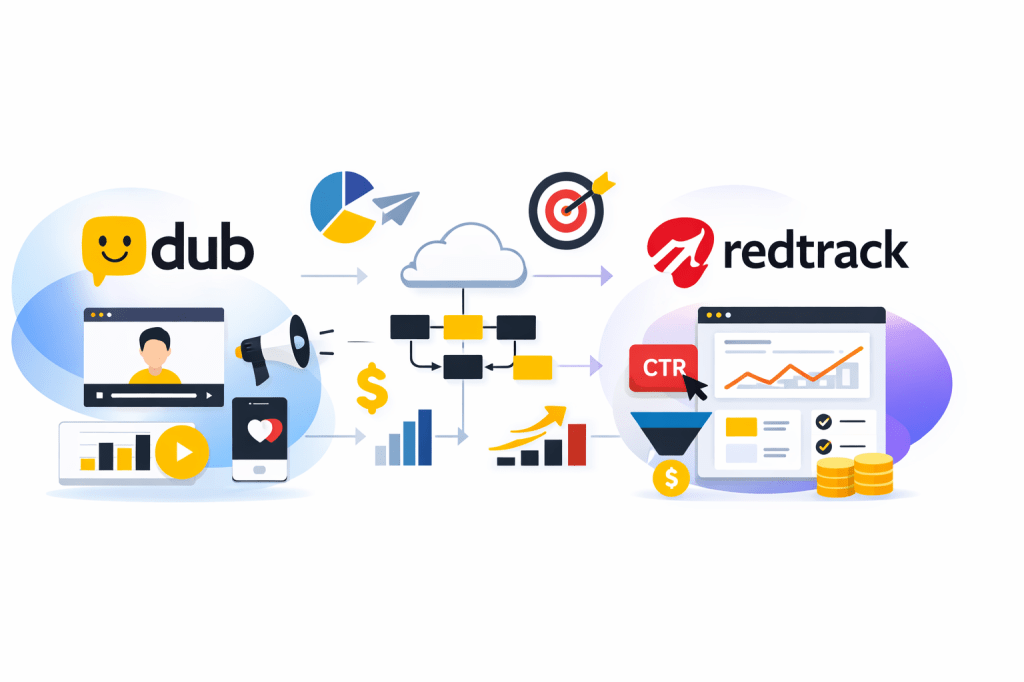
Dub and RedTrack solve a similar problem on the surface, but they do not feel built for the same buyer. If you are trying to decide between them, the real question is not which one has more features on a checklist. It is which one matches the way you actually acquire customers and track revenue.
Dub looks more appealing if you want branded links, attribution, partner tracking, and a cleaner day-to-day experience without dragging a complicated tracker into your stack. RedTrack looks stronger if your world revolves around paid traffic, media buying, ad account automation, and squeezing better signal out of large-scale performance campaigns.
This review is here to help you make that call fast. You will see where Dub is easier, where RedTrack goes deeper, where the price gap starts to matter, and which tool is more likely to feel worth it once you actually start using it.
Article outline
- Quick verdict
- Fast comparison before you go deeper
- What you get with Dub
- The good stuff
- Pricing and value
- Why buying now can make sense
- Alternatives to consider
- Final verdict
- FAQ
Quick verdict
If you run a SaaS product, creator business, or partner program and you want link tracking plus affiliate infrastructure in one cleaner package, Dub is the easier tool to like. It has a free plan, a much lower paid starting point, built-in short links, conversion tracking, partner features, and a product experience that feels more modern and less intimidating.
RedTrack makes more sense when you are already deep into paid acquisition and care about ad-level attribution, server-side tracking, conversion API workflows, automation rules, and multi-account campaign control. That power is useful, but it also makes RedTrack feel like more software to manage, more setup to handle, and more cost to justify.
My early lean is simple. Dub is the better fit for more buyers reading a comparison like this, while RedTrack is the stronger pick for serious media buyers who know they need the extra depth and will actually use it.
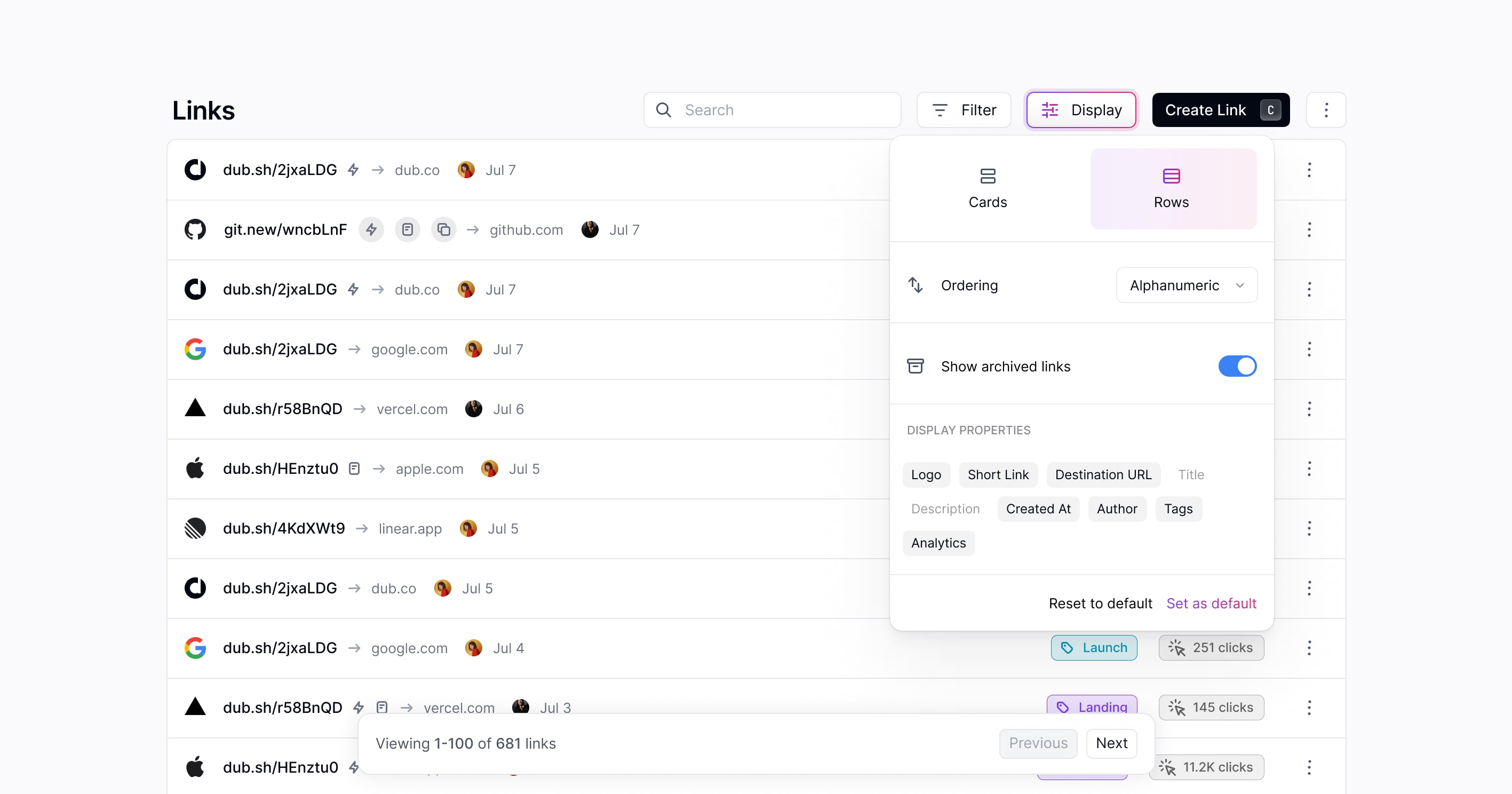
Image source: Dub
Fast comparison before you go deeper
The easiest way to avoid wasting time is to make the first cut by use case, not hype. Dub is easier to justify when you want a practical attribution and partner stack without enterprise-style complexity. RedTrack becomes easier to justify when your paid traffic operation is already advanced enough that missing data and manual optimization are costing real money.
Explore DubHow I would make the choice fast
Pick Dub if you want speed, cleaner usability, and fewer moving parts. That matters more than people admit, because software that feels easier to understand usually gets implemented faster, and faster implementation usually means you actually launch instead of sitting in setup mode for two more weeks.
Pick RedTrack if you already know you need the heavier tracking stack. If you are running multiple ad accounts, leaning hard on server-side tracking and conversion APIs, and making buying decisions from paid traffic data every day, RedTrack has a stronger case even with the higher price.
Skip both for now if you barely have traffic, no partner motion, and nothing meaningful to attribute yet. In that situation, more software will not save you. It will just give you another dashboard to check before you have enough volume for the data to matter.
That is also why Dub feels like the safer recommendation for most readers. The cost of being slightly early with Dub is manageable, while the cost of being too early with RedTrack can feel like paying enterprise-style money before your business is ready to benefit from it.
What you get with Dub (and how it actually compares to RedTrack)
Dub focuses on doing a few things really well instead of trying to be everything at once. You get branded link shortening, click tracking, conversion attribution, and built-in partner tracking without needing to bolt together multiple tools.
That matters more than it sounds. Instead of juggling a link shortener, analytics tool, and affiliate platform, you can manage everything from one place, which cuts down setup time and removes a lot of friction when you start scaling.
RedTrack does more on the tracking side, especially for paid ads, but you pay for that depth with complexity. If you don’t need advanced campaign automation or deep ad attribution, Dub feels much easier to justify.

Image source: Dub
What stands out immediately
- Branded links and tracking in one place – no need for separate tools just to shorten links
- Partner and affiliate tracking built in – useful if you plan to grow through referrals
- Clean UI – easier to understand compared to traditional tracking platforms
- Lower barrier to entry – you can start for free and scale later
RedTrack still wins on advanced attribution, but most people don’t actually need that level on day one. If your main goal is understanding where clicks and conversions come from without overcomplicating things, Dub gets you there faster.

Image source: Dub
The good stuff (and where Dub actually beats RedTrack)
Dub feels like a product built for speed. You can set it up quickly, start tracking links immediately, and understand what is happening without digging through complicated dashboards.
That alone is a big deal. Tools that are easier to understand usually get used more, and tools that get used more tend to deliver better results over time.
Where Dub wins
- Faster setup – you can go from zero to working links in minutes
- Cleaner interface – less learning curve compared to RedTrack
- Better for non-media buyers – SaaS, creators, and founders benefit more
- Built-in affiliate tracking – no need for a separate platform
RedTrack wins if you are managing serious ad spend and need deep control over attribution models. But that same strength makes it feel like overkill if your setup is still simple.
This is the part most people miss. A more powerful tool is not always the better choice if it slows you down or adds complexity you don’t need yet.

Image source: Dub
Pricing and value (this is where the gap gets obvious)
Pricing is where Dub becomes much easier to justify for most buyers. You can start for free and upgrade gradually, while RedTrack jumps straight into higher monthly costs.
That difference changes how risky the decision feels. Trying Dub costs almost nothing upfront, while trying RedTrack feels like a commitment from day one.
See current pricing for DubThat price difference changes how you think about the tool. Dub feels like something you can test, learn, and grow into. RedTrack feels like something you commit to once you already know you need it.
Why starting now can actually make sense
Waiting usually means you keep guessing where your traffic and conversions come from. That guesswork costs more over time than most people realize, especially once you start running campaigns or working with partners.
Dub removes that uncertainty early. You can start tracking links properly, understand what is working, and build better decisions from actual data instead of assumptions.
If you already have traffic or any kind of offer live, starting sooner makes sense. If you are still figuring out what you are selling, then yes, you can wait. But once things start moving, having tracking in place early saves you from rebuilding everything later.
Image source: Dub
If you are even slightly serious about tracking performance or building a partner channel, this is where Dub starts to feel like a smart move instead of just another tool sitting in your stack.
Get started with DubAlternatives to consider before you pick one
Dub is not the automatic winner for everyone. It wins when you want branded links, clean attribution, partner tracking, and a setup that does not feel like a technical side project.
RedTrack is stronger for serious paid acquisition teams. GoHighLevel makes more sense if you want a much broader all-in-one stack, and Systeme.io is the cheaper pick if budget matters more than deep attribution.

Image source: Dub
Check out DubChoose Dub if you want the cleanest path to branded links, attribution, and partner management without jumping into a more expensive paid-media tool. Choose Systeme.io if you need the cheaper option, and choose GoHighLevel if you want a much broader operating system for an agency or service business.
Pick RedTrack only when you already know you need deeper ad attribution. If that is not obviously true for your business today, Dub is usually the safer buy.
My honest take
Dub is the better choice for more people comparing Dub vs RedTrack. It gets you the important stuff faster, costs much less to start, and feels more realistic for startups, SaaS teams, creators, and lean marketing teams.
RedTrack is still the stronger specialist if paid traffic is your entire game. But a lot of buyers end up paying for that extra power before they are ready, which makes the software feel harder to justify month after month.

Image source: Dub
Dub makes the most sense when you already have traffic, links, or a partner motion worth tracking. That can be a SaaS signup flow, creator links, affiliate referrals, or a simple growth team that wants attribution without hiring a tracking specialist.
It makes less sense if you barely have any traffic yet or if your whole business depends on squeezing every possible signal out of paid acquisition data. In that case, wait or go straight to RedTrack instead of forcing Dub into a role it is not trying to own.
For the right buyer, this is absolutely worth trying now. Waiting usually means you keep using messy spreadsheets, mixed tools, and gut-feel decisions longer than you need to.
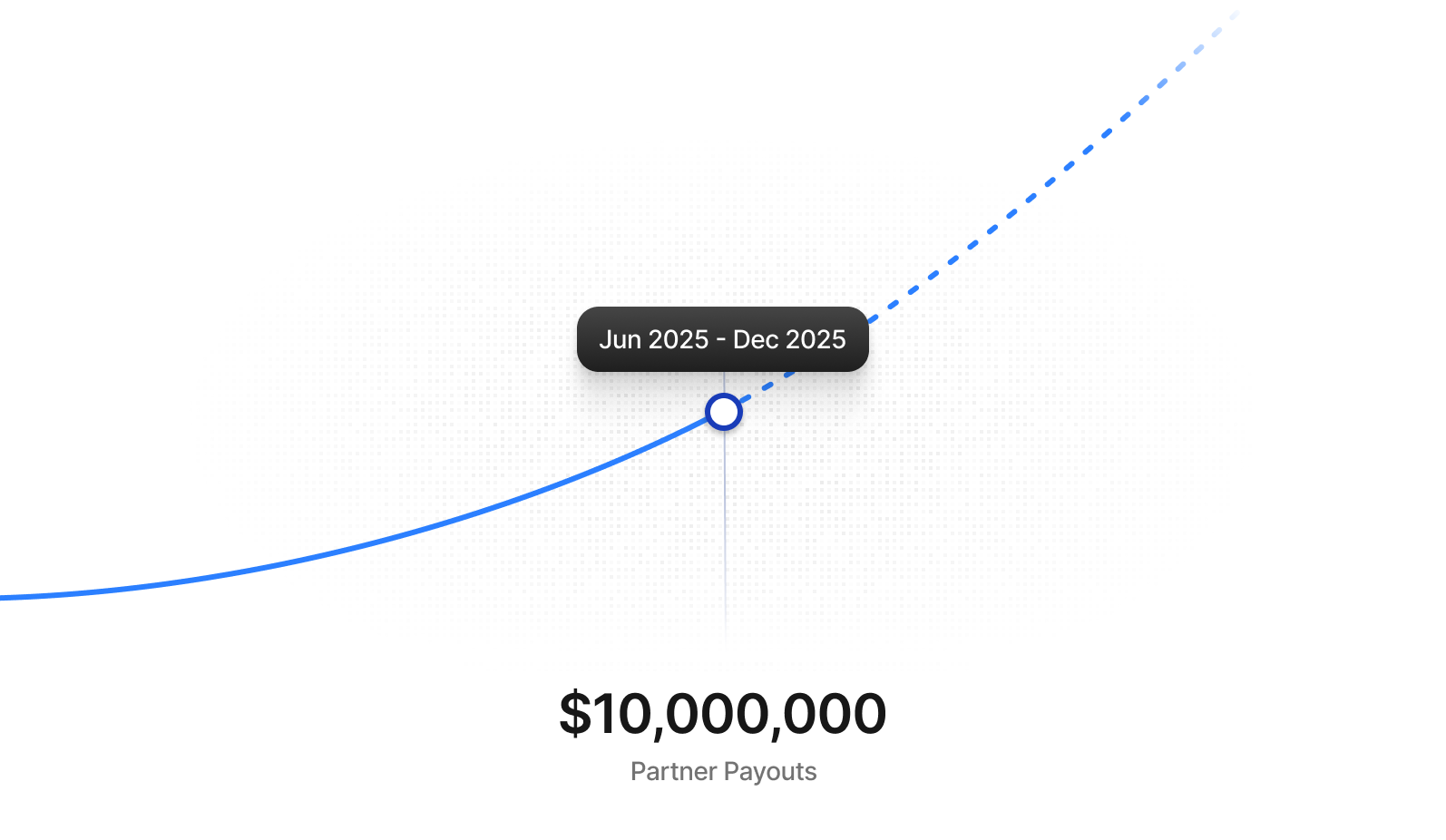
Image source: Dub
The partner side also gives Dub more weight than a simple link shortener. When a tool can handle links, attribution, and partner workflows in one place, it starts replacing real operational mess, not just adding another dashboard.
FAQ
Is Dub better than RedTrack?
Dub is better for buyers who want a cleaner and cheaper way to handle branded links, attribution, and partner tracking. RedTrack is better for teams that live inside paid media and need deeper ad-tracking controls.
Is Dub good for beginners?
Yes, as long as you already have something worth tracking. If you are starting from zero and mostly need cheap funnels or a basic all-in-one tool, Systeme.io is the easier budget play.
Should agencies pick Dub or GoHighLevel?
Pick Dub if attribution and partner tracking are the main need. Pick GoHighLevel if you want CRM, automations, funnels, and client account management in one broader system.
Should you try Dub now or wait?
Try it now if you already have traffic, campaigns, or partners and your current setup feels messy. Wait if you still do not have a real offer, real traffic, or a reason to care about attribution yet.
My recommendation is simple. If you want the cleaner, lower-risk option in Dub vs RedTrack, start with Dub and only move heavier if you truly outgrow it.
Get started with Dub Filip Konecny Enterprises