
If you only need branded short links and QR codes, Rebrandly makes a lot of sense. If you care about attribution, conversion tracking, partner links, and seeing what your links actually do after the click, Dub is the stronger tool.
That does not mean Dub is the automatic winner for everyone. Dub gives you more depth, but Rebrandly is cheaper to enter, simpler for basic link management, and easier to justify when you are not trying to connect links to real revenue.
This comparison is here to help you make that call fast. You will see where Dub pulls ahead, where Rebrandly is the smarter buy, and whether you should start with Dub now or save money and keep things simpler.
My quick take
Dub feels built for marketers, SaaS teams, and creators who want more than a pretty short link. Rebrandly feels better when your main goal is branded links, QR codes, destination edits, and basic campaign management without paying for attribution features you may never use.
The screenshot below shows why Dub stands out so quickly. Its analytics view is not just a click counter; it is built around filters, conversion events, and a cleaner reporting layer that makes link performance easier to act on.

Image source: Dub analytics update
Explore DubArticle outline
I split this comparison into three simple stages so you can jump to the part that matches where you are in the buying process.
- Start here: my quick answer, then jump to what you get in the free plan and core features if you are still figuring out what each tool actually gives you.
- Go next to pricing and value if your main question is whether Dub’s higher price is justified or whether Rebrandly’s lower entry price is the better move.
- Finish with alternatives and better fits, then the final verdict if you want a blunt recommendation on whether to buy now, wait, or choose something else.
Who this comparison will help most
This is for you if you are choosing between a basic branded link platform and a more advanced attribution tool. That usually means you are already sharing links in email, social, partnerships, paid campaigns, creator campaigns, or affiliate traffic and you want to stop guessing which clicks matter.
Dub looks more attractive the moment link data starts affecting money. If you are trying to measure leads, sales, partner performance, or campaign ROI, waiting usually means you keep stacking manual work on top of a tracking setup that still leaves blind spots.
Rebrandly stays attractive when you do not need all that depth yet. If you mainly want cleaner branded URLs, a reliable QR code workflow, and lower starting cost, paying extra for Dub too early can be overkill.
What you should expect from the rest of this review
The next section gets practical fast. I will break down what you actually get on the free plans, where Dub gives you more upside, and where Rebrandly keeps the decision easier and cheaper.
After that, I will get into pricing, value, and who should spend more without hesitation. The final section will compare better-fit alternatives and end with a clear recommendation so you are not left with a vague “it depends” answer.
What you get in the free plan and core features
The next part looks at the free plans first, because that is where most people test whether a tool feels worth deeper commitment.
Pricing and value
After that, I will show where the price gap is justified, where it is not, and which buyer actually gets enough return from paying more.
Alternatives and better fits
The final section compares Dub and Rebrandly against a few realistic alternatives, then closes with the clearest recommendation possible.
Final verdict
By the end, you should know whether Dub is the smart move now, whether Rebrandly is enough for what you need, or whether you should hold off and choose a cheaper tool entirely.
What you get before paying
Dub does not push you straight into a paid plan. Its free tier gives you 1,000 tracked events a month, 25 new links a month, 3 custom domains, QR codes, API access, UTM templates, and 30 days of analytics retention, which is a pretty generous starting point if you actually want to test attribution instead of just shorten a few links.
Rebrandly starts smaller on volume but cheaper on the upgrade path. Its free plan gives you 10 links a month, 10 QR codes a month, 1 custom domain, 1 free domain, custom back-halves, and 1 link gallery, so it feels more like a branded-link starter kit than a serious attribution setup.
That difference matters more than it looks. Dub lets you test whether link tracking can help you make better decisions, while Rebrandly mainly lets you test whether branded links and QR codes fit your workflow.
Dub looks built for people who care where the click went
Dub earns attention because the product is not just about making links shorter. Its analytics layer, conversion tracking, and event flow are built for teams that want to connect clicks to signups, sales, and partner performance without patching together separate tools.
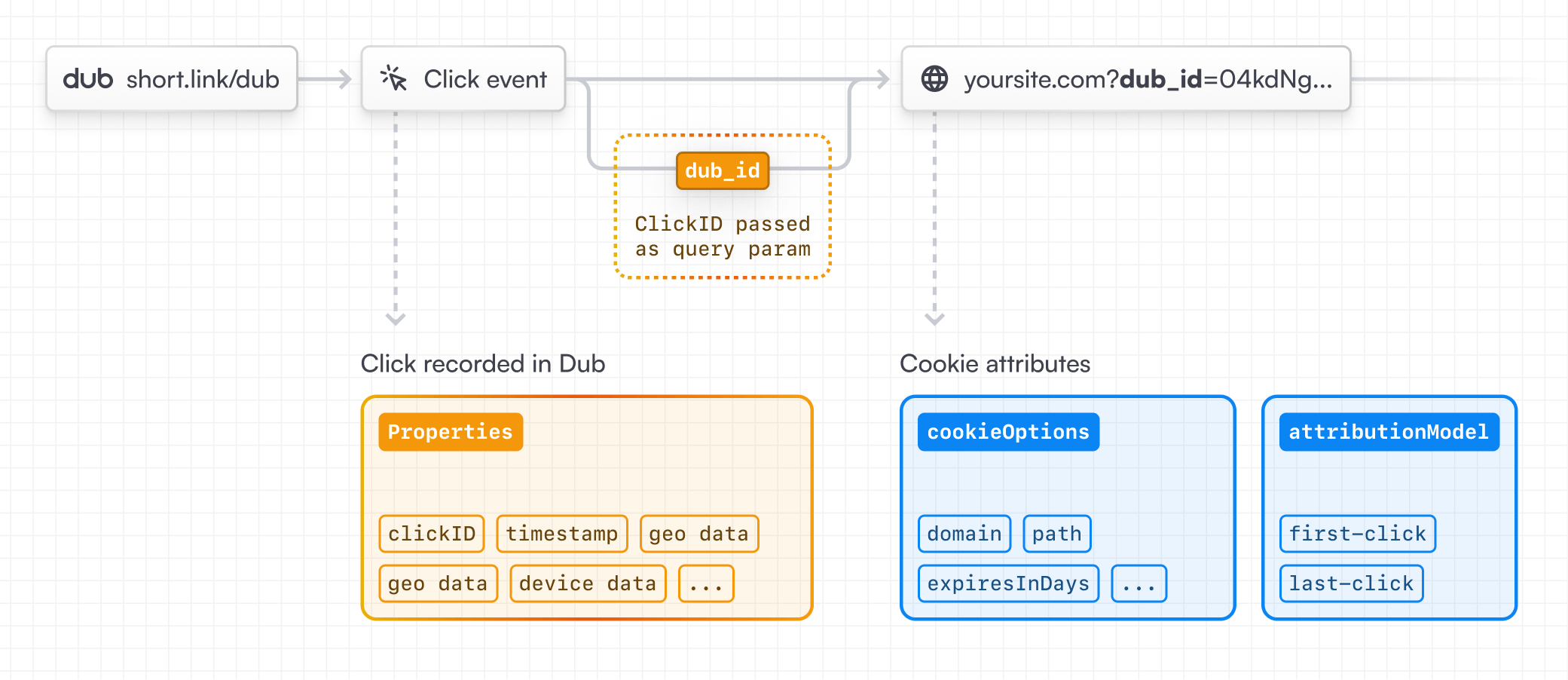
Image source: Dub attribution guide
That is the biggest reason Dub can justify its higher price. When you start caring about attribution windows, first-click versus last-click credit, or partner commissions tied to real conversions, Rebrandly starts feeling light and Dub starts feeling a lot more serious.
If you are only sharing links in bios, newsletters, or social posts, that depth may not matter yet. If you run paid campaigns, creator partnerships, or affiliate programs, it matters fast.
The reporting is stronger than a basic link dashboard
Dub also goes deeper on reporting than most people need at the beginning and that is both a strength and a warning. It gives you real-time analytics, filtered reporting, and a real-time events stream, which is great if you want to spot what is happening now instead of waiting for broad summaries.

Image source: Dub events stream update
That sounds nerdy until you need it. The moment you want to check whether a partner campaign is sending traffic right now, whether a QR code is actually getting scanned, or whether a launch link is pulling clicks from the right country or device, a deeper events view saves time.
Rebrandly still covers the basics well. You get click tracking, geography, device data, QR code scans, and campaign-level visibility, but it feels more like good link analytics than full attribution reporting.
Both do QR codes, but they are not trying to win in the same way
Rebrandly is very good at making branded links and QR codes easy to create, edit, and roll out across campaigns. That makes it attractive for marketers, local businesses, events, printed materials, and teams that mostly want control, branding, and clean reporting without a bigger setup.
Dub gives you QR codes too, including customization on paid plans, but the pitch is broader. The QR code is part of a bigger attribution and growth system, not the whole reason to buy.

Image source: Dub QR code feature page
That is why the better pick depends on what result you want. If you want polished branded links and QR codes first, Rebrandly still feels easier to justify; if you want those things plus attribution and partner tracking, Dub gives you more headroom.
Why Dub is worth getting for the right buyer
Dub is worth paying for when links are tied to revenue, not just traffic. If you are serious about partner programs, creator campaigns, SaaS referrals, or proving which links actually drive signups and sales, this is where Dub starts to earn its price.
Waiting usually means you keep tracking the hard stuff by hand. That gets old fast once campaigns multiply, and it is usually more expensive in lost clarity than the monthly cost of the tool.
If you already have offers to promote and traffic to measure, Dub is worth a real look now. If you are still at the stage where you mostly want pretty branded links and editable QR codes, Rebrandly is easier to justify and easier to keep simple.
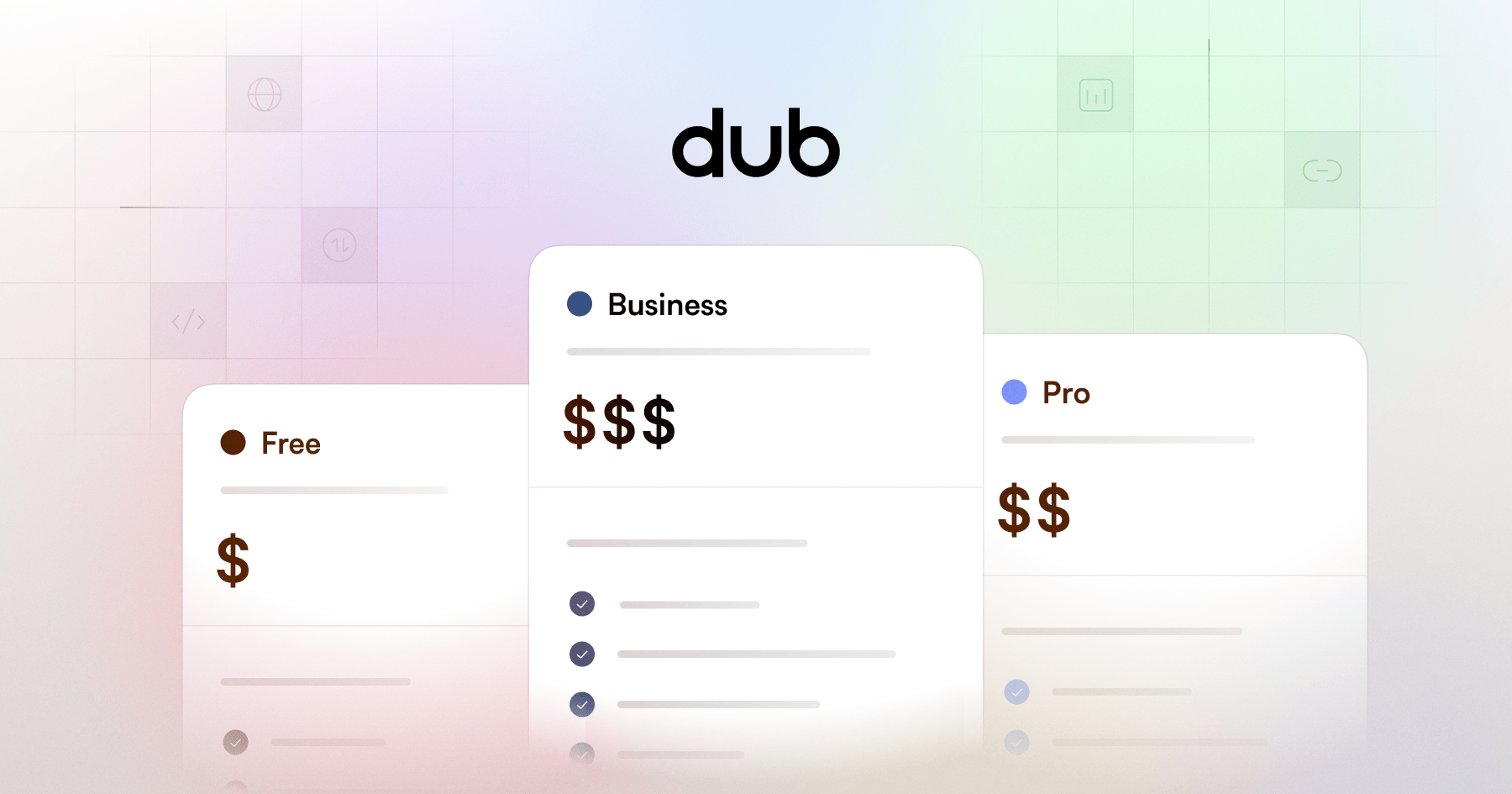
Image source: Dub pricing update
My honest verdict
Dub is the better buy for the right buyer. It gives you more visibility into what happens after the click, and that alone makes it much easier to justify if links play a serious role in growth, partner marketing, or revenue tracking.
Rebrandly is still a good choice, just for a narrower job. It is the better fit if you want branded links and QR codes without paying for a deeper analytics layer you may never use.
I would not tell a beginner with no real traffic to rush into Dub. I would tell anyone already running campaigns, partnerships, or measurable offers that waiting too long usually means they keep guessing when they should be tracking.
Image source: Dub QR codes
Dub also has more room to grow with you. That matters because switching link infrastructure later is annoying, and it is even more annoying when you finally need attribution but your current setup was only designed for shortening URLs.
If your current setup feels messy, Dub is worth a real look now. If you mostly want branded presentation and lighter campaign control, staying cheaper with Rebrandly is completely reasonable.
FAQ
Is Dub better than Rebrandly for beginners?
Not always. Rebrandly is easier to justify for beginners who mainly want branded short links and QR codes, while Dub makes more sense once you need attribution, deeper analytics, or partner tracking.
Is Dub worth the higher price?
Yes, but only when better tracking changes decisions you care about. If you want to connect clicks to leads, sales, or partner performance, Dub earns its price much faster than a basic link tool.
Should you switch from Rebrandly to Dub?
Switch when branded links are no longer the main goal and measurement becomes the bigger problem. If you are asking harder questions about attribution, revenue, and campaign quality, Dub is the more natural next step.
What if you need more than a link tool?
That is where GoHighLevel can make more sense. It is broader, heavier, and more expensive, but it is the better call if you want CRM, funnels, automations, and client management in one place.
Should you start now?
Start Dub now if your links already support real campaigns, partner traffic, or offers that deserve better tracking. Wait if you are still so early that branded presentation matters more than attribution, or go cheaper with Rebrandly if that is honestly where you are.
Get started with Dub Filip Konecny Enterprises