
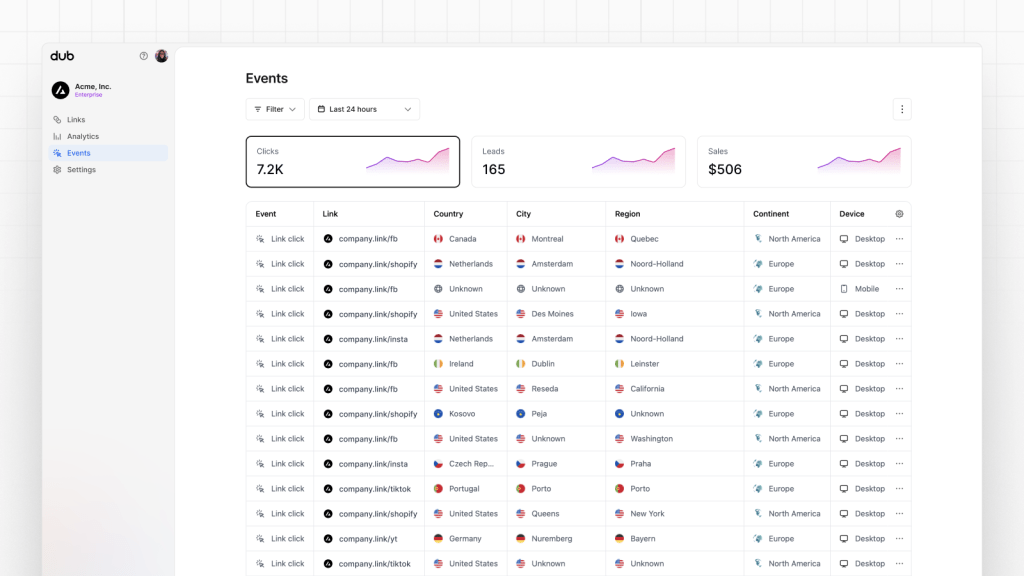
If you searched for the Dub trial, you probably do not want a long lecture on link tracking. You want to know whether Dub is actually worth opening, whether it will save you time, and whether it gives you enough value to justify moving past a basic shortener.
My take is pretty simple: Dub looks strong for people who care about attribution, branded links, and partner tracking in one place. It looks a lot less compelling if all you need is a cheap way to shorten a few URLs and move on.
That gap matters because Dub is not trying to be a throwaway link tool. It is trying to be the platform you use when you want to see what happened after the click, not just count the click and hope for the best.
Article outline
- Is the Dub trial worth trying?
- What you get in the trial
- The good stuff
- Pricing and value
- Alternatives
- Final verdict
- FAQ
Is the Dub trial worth trying?
Yes, for the right buyer it is worth trying now. Dub makes the most sense when you already care about clean branded links, better analytics, campaign attribution, or affiliate and referral tracking without stitching together a mess of separate tools.
The biggest reason to pay attention is that Dub sits in a more serious category than the average short-link tool. The platform combines short links, real-time analytics, conversion tracking on higher plans, partner program support, customer insights, and integrations with tools like Stripe, Shopify, HubSpot, Zapier, and Google Tag Manager.
That can save you time fast if your current setup feels patched together. Building your own tracking stack is possible, but it usually means more setup, more maintenance, and more room for broken attribution.
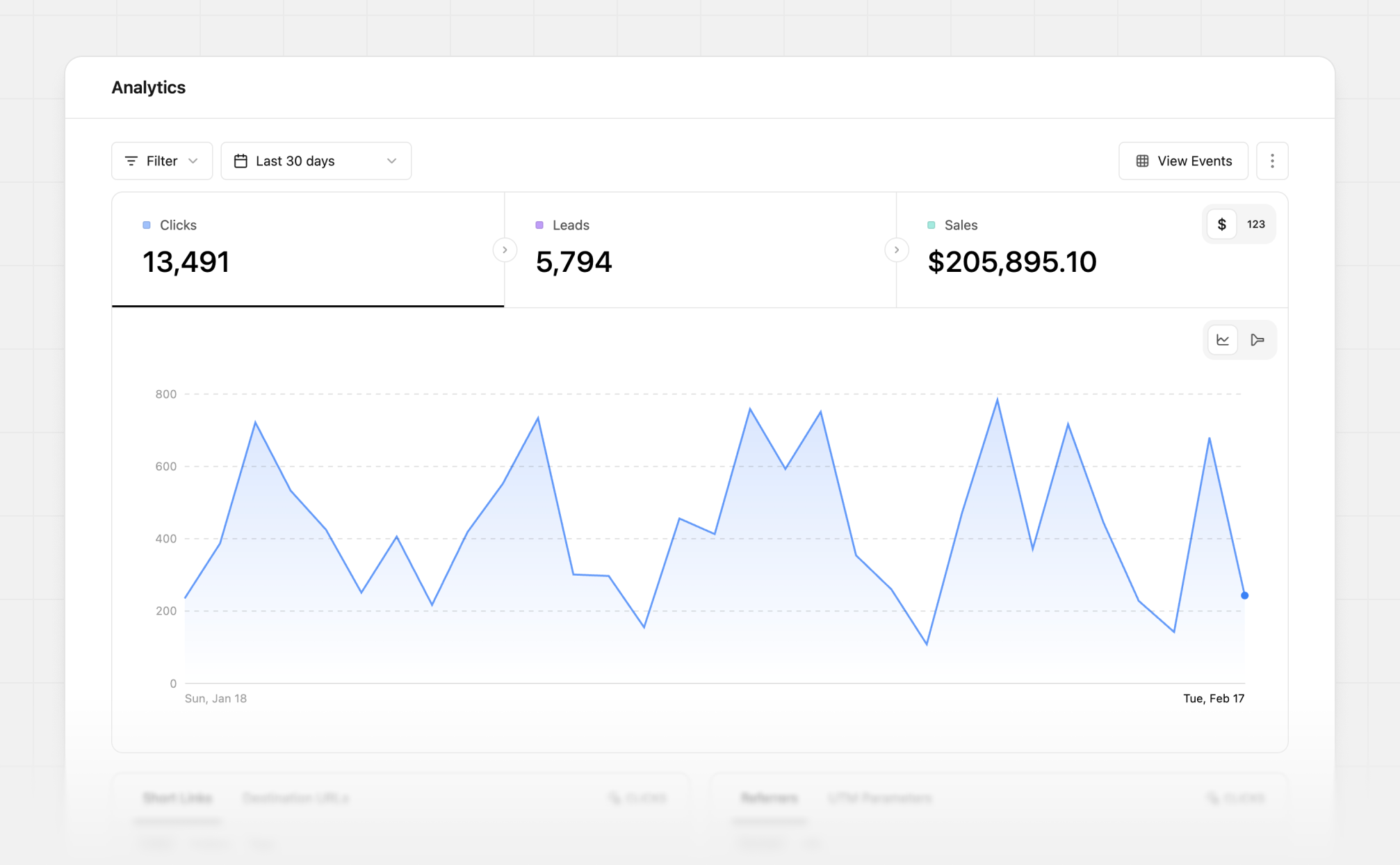
Image source: Dub analytics overview
Dub also feels easier to justify than some tools because you can start without a big commitment. The free entry point is generous enough to get a real feel for the product, which is more useful than a fake demo where you never touch live links.
Here is the catch. If you are a solo creator who only needs a basic branded shortener, Dub can be more tool than you need, and paying for deeper attribution too early may not move the needle for you yet.
That does not make it overpriced. It just means the payoff gets much better once you already have traffic, campaigns, partnerships, or a product funnel worth measuring properly.
Dub at a glance before you click
That table tells the story pretty well. Dub is easy to start, but the real value shows up when you move from simple link sharing into actual campaign measurement and partner-driven growth.
I also like that Dub does not seem built around vanity metrics alone. The platform pushes beyond click totals into leads, sales, customer insight, and revenue attribution, which is exactly where a lot of cheaper tools stop being enough.
Who should pay attention right away
Start the Dub trial now if you already run paid traffic, content campaigns, partner programs, or a product funnel where link performance actually affects revenue. In that situation, waiting usually means you keep guessing which channel is working and keep losing time in the process.
Wait if you are still at the stage where you barely publish links and have nothing meaningful to measure yet. Dub can still work later, but the odds of you using the deeper features properly are much lower today.
Skip it if you know you will never care about attribution, integrations, or partner tracking. There are cheaper tools for basic link shortening, and forcing Dub into that tiny role would be paying for headroom you are not going to use.
So the fast answer is this: Dub looks worth trying when you want more than a shortener and less than a DIY analytics headache. If that sounds like you, the next step is simple.
Check the official free trialWhat you get in the Dub trial
Dub handles the “trial” a little differently than a lot of SaaS tools. Instead of a short countdown that pressures you to rush, it starts with a free plan and no credit card, which is honestly a better way to judge whether you will keep using it.
That free entry point is not useless either. Dub’s pricing page lists 1,000 tracked events per month, 25 new links per month, 3 custom domains, API access, UTM templates, QR codes, real-time analytics, and 30 days of analytics retention on the free plan.
That is enough to answer the question most buyers actually care about: does this feel better than the random shortener or spreadsheet setup I am using now? If you only need a handful of branded links and want to see the reporting before paying, the free plan gives you room to do that.
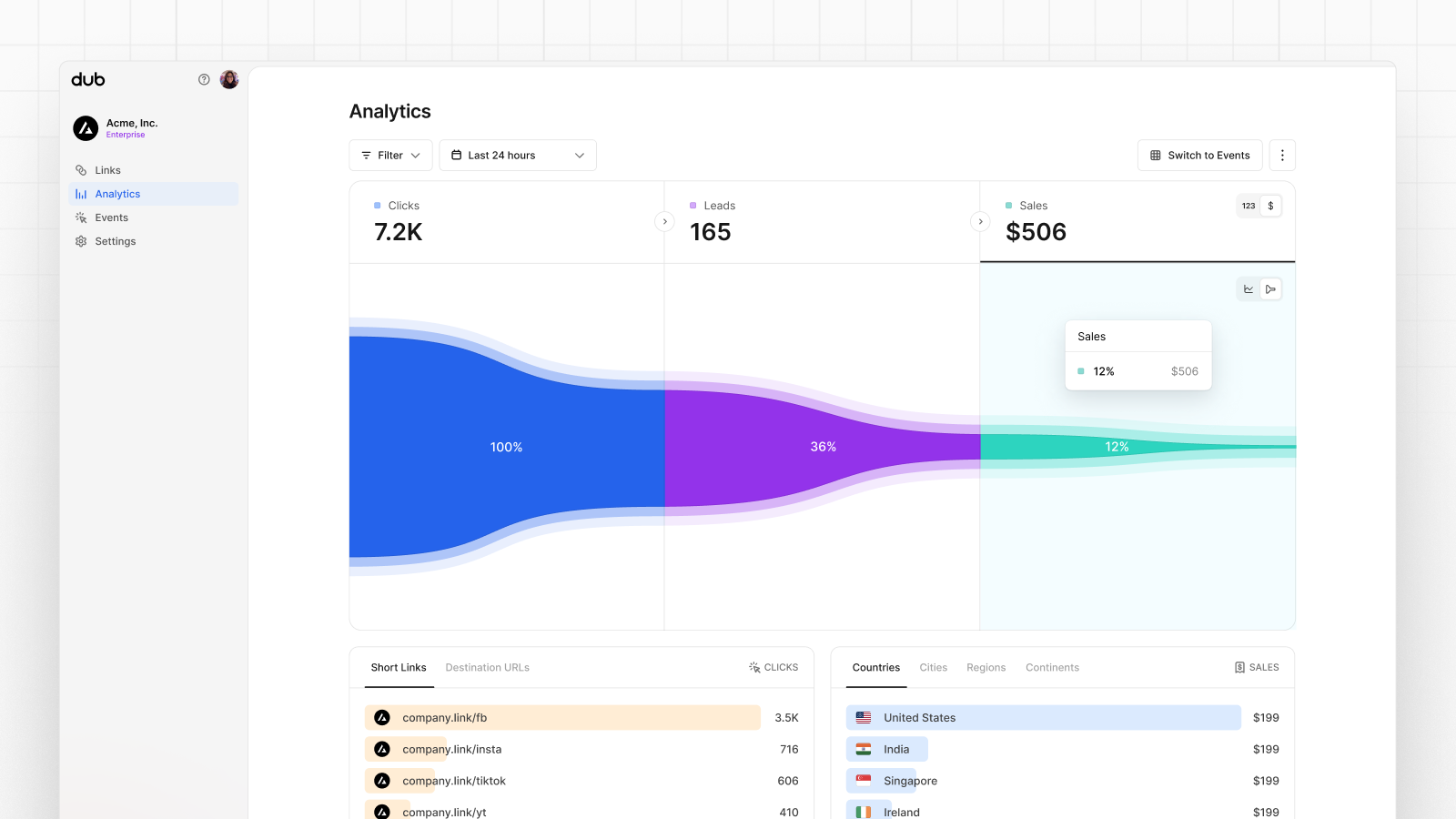
Image source: Dub conversion tracking guide
The limit you will hit first depends on how serious your marketing already is. Small creators will probably notice the new-link cap first, while teams running campaigns will care more about tracked events and retention.
The bigger point is that Dub lets you test the product on live traffic instead of a fake sandbox. That matters because link tools look similar on a feature list, but the real difference shows up when you need attribution that does not fall apart the moment a campaign gets busy.
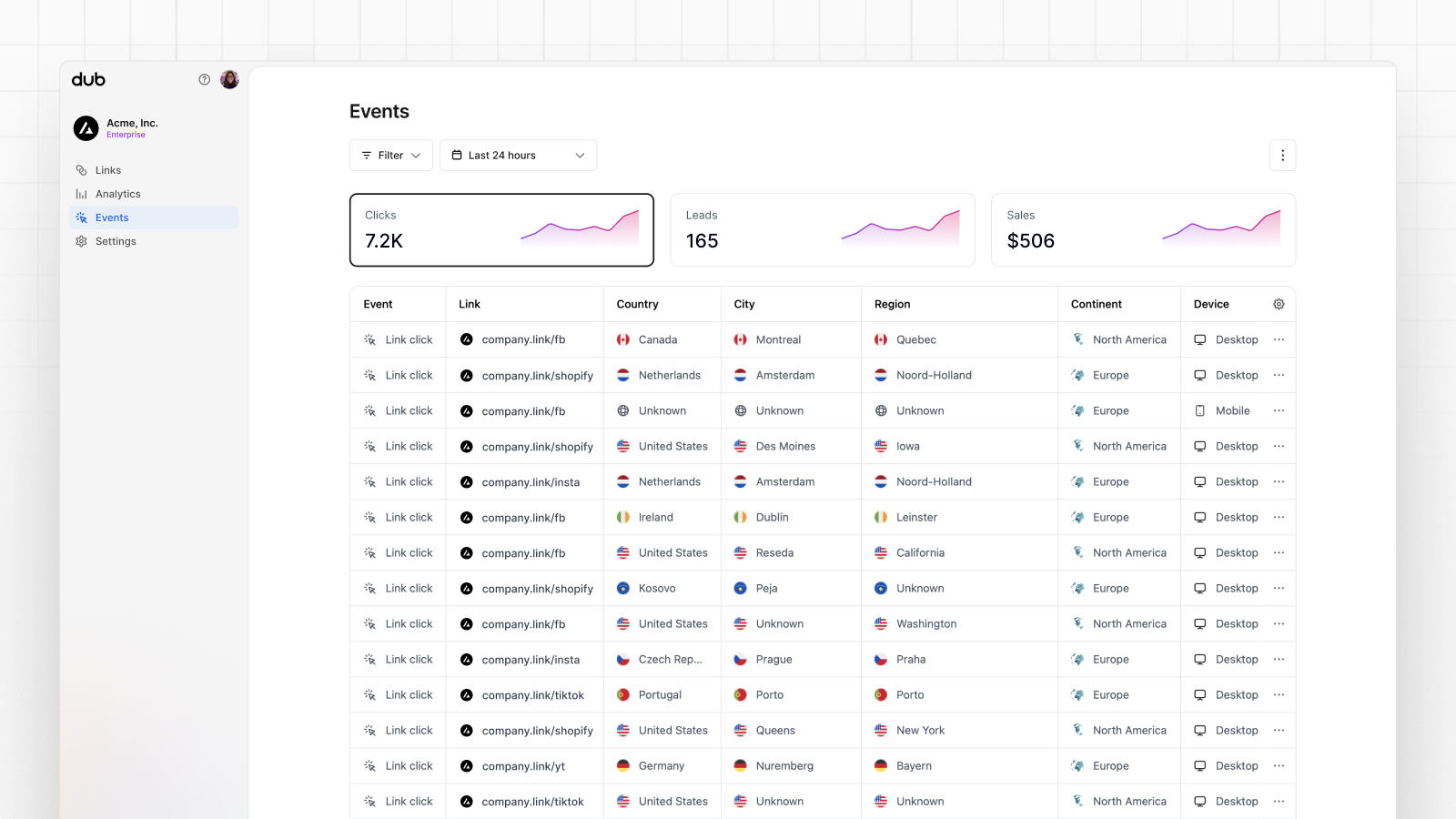
Image source: Dub events stream example
Free users do need to stay realistic. Business-only features like conversion tracking, customer insights, and Dub Partners are where the platform gets much more powerful, so the free plan is a real test drive, not the full experience.
That is not a deal breaker. It just means the free plan is best for checking the workflow, link management, branding, and baseline reporting before you decide whether deeper attribution is worth paying for.
The good stuff
Dub gets more interesting once you stop thinking of it as a link shortener. The product starts to earn its price when you want to see which links created leads or sales instead of just staring at click totals.
That is the clearest advantage over cheaper tools. Dub’s own analytics and help docs show conversion tracking on Business plans, customer objects for lead tracking, event streams, and integrations that connect clicks to signups, orders, and revenue.
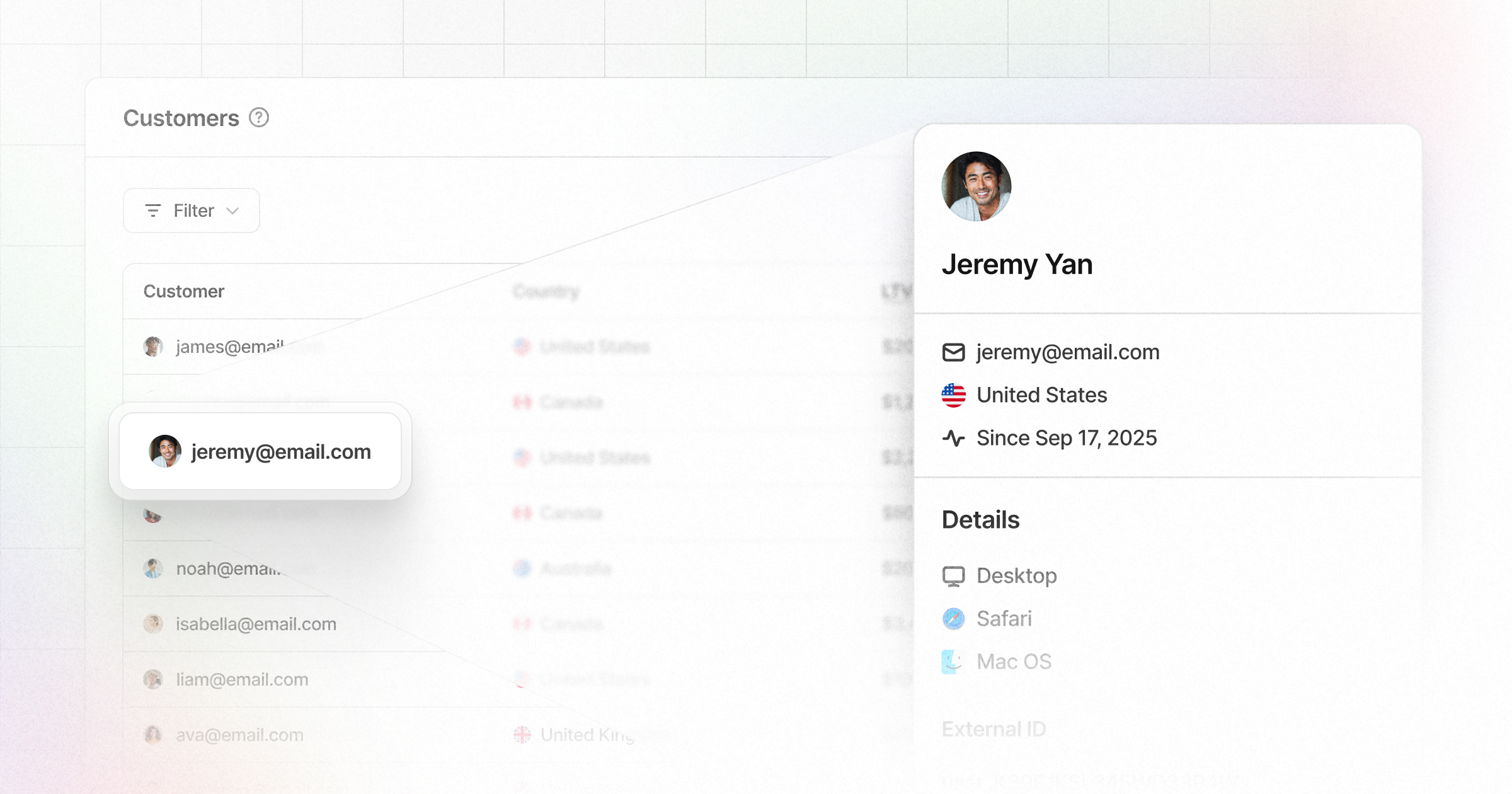
Image source: Dub customer insights overview
That payoff is practical, not theoretical. If you run paid traffic, newsletter sponsorships, creator campaigns, or referral pushes, Dub gives you a cleaner way to tie the click to the outcome without building your own reporting stack.
I also like the integrations story here. Dub’s integrations page highlights Stripe, Shopify, Google Tag Manager, Zapier, Slack, Segment, WordPress, and HubSpot-related workflows, which makes the product easier to plug into the tools you already use.
That helps with a common objection buyers have: “Am I adding another dashboard for no reason?” If your current setup already lives across payment, CRM, analytics, and automations, Dub looks less like extra software and more like the layer that connects the attribution pieces properly.
Dub Partners is another reason the platform can justify itself for the right company. Business plans and above add tools for recruiting, managing, tracking, and paying partners, which is a much bigger offer than basic branded links.
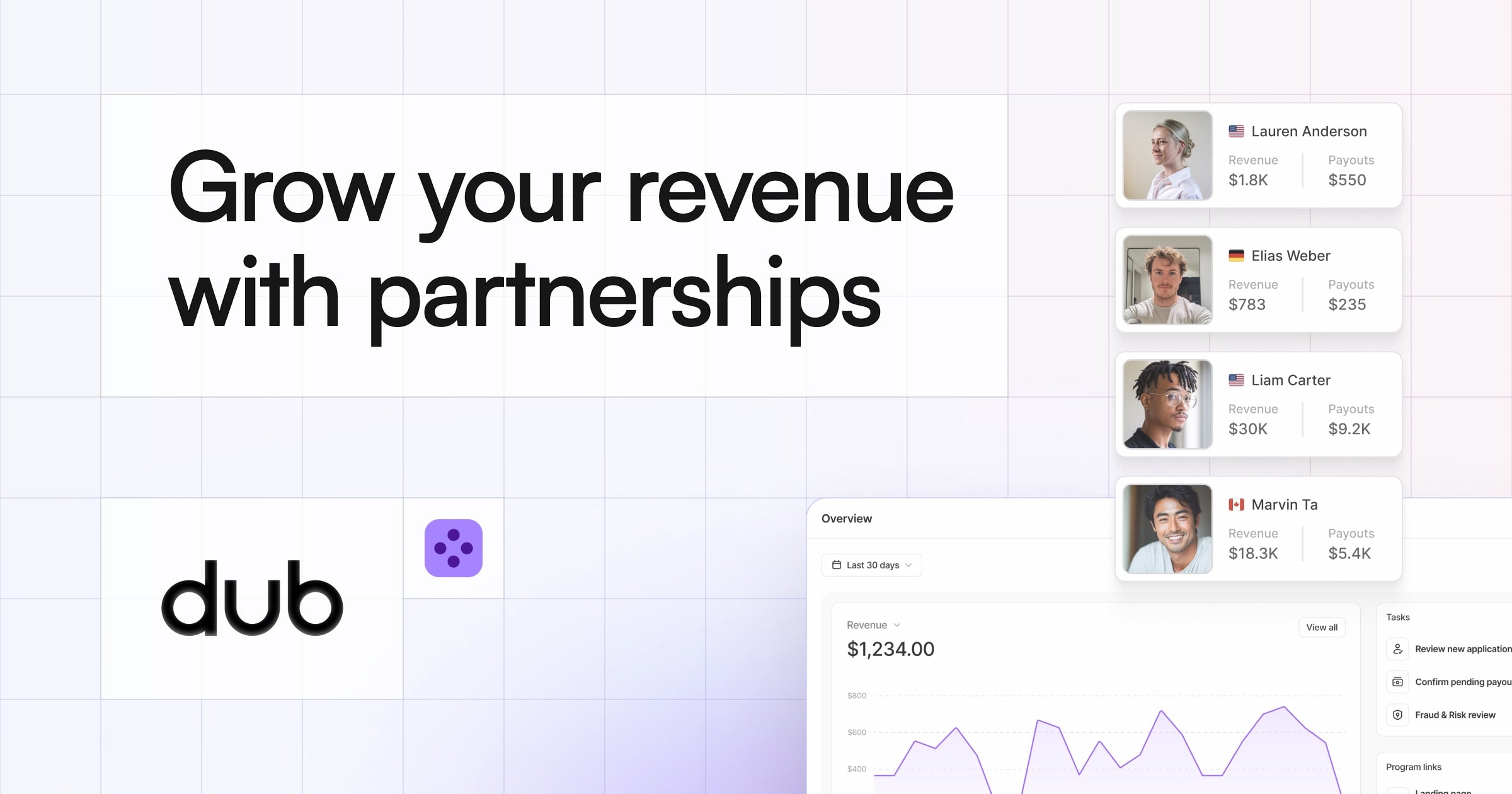
Image source: Dub Partners overview
That feature alone makes Dub much more appealing for SaaS teams, affiliate-led products, and brands that already know partnerships can move revenue. If you are in that camp, waiting too long usually means you keep tracking partner performance in a way that is harder to trust and harder to scale.
Beginners should still keep expectations in check. Dub looks easy to start, but the deeper value only shows up when you already have enough traffic, conversions, or partner activity to measure.
That is why I would not pitch it as a must-buy for everyone. I would pitch it as a smart next move for marketers and founders who are done guessing which links are actually doing the work.
Pricing and value
Dub’s pricing is pretty clean. The official pricing page shows a free plan, Pro at $25 per month, and Business at $75 per month before you get into higher-volume plans.
The jump from free to Pro is not hard to justify if you need more tracked events, more links, and longer analytics retention. The jump from Pro to Business is the one you should think about more carefully, because that is where you are paying for conversion tracking, customer insights, event webhooks, and access to Dub Partners.
See current pricingCompared with broader tools, Dub can actually look cheap. Systeme.io starts free and grows into a full funnel stack, ClickFunnels pushes toward full funnel building, and GoHighLevel is a much broader CRM and automation play.
Those tools make sense when you want pages, funnels, CRM, messaging, and automations in one place. Dub makes more sense when your problem is attribution, branded links, partner tracking, and clean performance reporting instead of replacing your whole stack.
That is why price objections need context. Dub is not expensive if it replaces messy reporting, manual UTM work, and half-trusted link data, but it is overkill if you just want a basic shortener and nothing else.
Why you should get it
Get Dub now if you already have traffic worth measuring. The platform is easiest to justify when you have active campaigns, affiliate pushes, newsletter placements, or product signups that deserve cleaner attribution than “we think this link worked.”
Wait if you are still building your first offer or barely send links at all. In that case, a cheaper or broader tool like Buffer for publishing or Systeme.io for early-stage funnels may be easier to justify first.
For the right buyer, though, this is absolutely worth trying. If your current setup feels messy and you are serious about tracking what happens after the click, Dub looks like a smart buy instead of another subscription you forget about.
Check the official free trialAlternatives
Dub is not the automatic best choice just because the free plan is easy to start. It wins when you care about attribution, branded links, and partner tracking more than you care about replacing your entire marketing stack.
That means the right comparison is not only “what other link tool exists?” It is also “would I be better off with a simpler tool, a cheaper funnel tool, or a broader all-in-one system instead?”
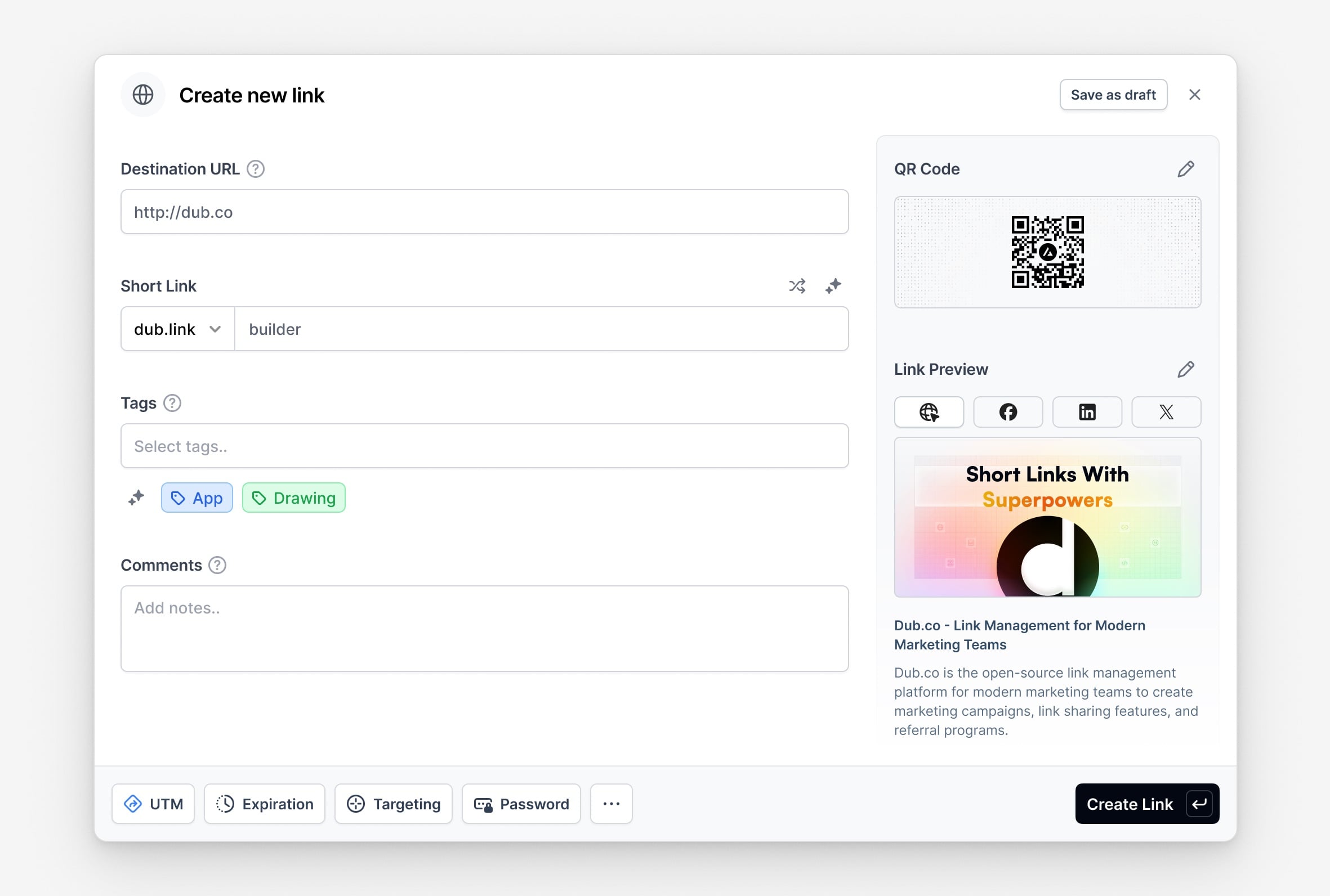
Image source: Dub Links overview
This is where Dub makes a strong case for itself. You can create the branded link, track the click, tie it to leads or sales on higher plans, and even run partner programs without trying to duct-tape five separate tools together.
Still, not everybody needs that. If you are earlier in the game, a cheaper tool may be smarter for now, and that is exactly why this comparison matters.
Check the official free trialChoose Dub if you already have meaningful traffic and want better answers than “this link got clicks.” Choose a cheaper option like Systeme.io or Buffer if you are still getting your basics in place, and choose GoHighLevel if your bigger problem is CRM and automation, not link attribution.
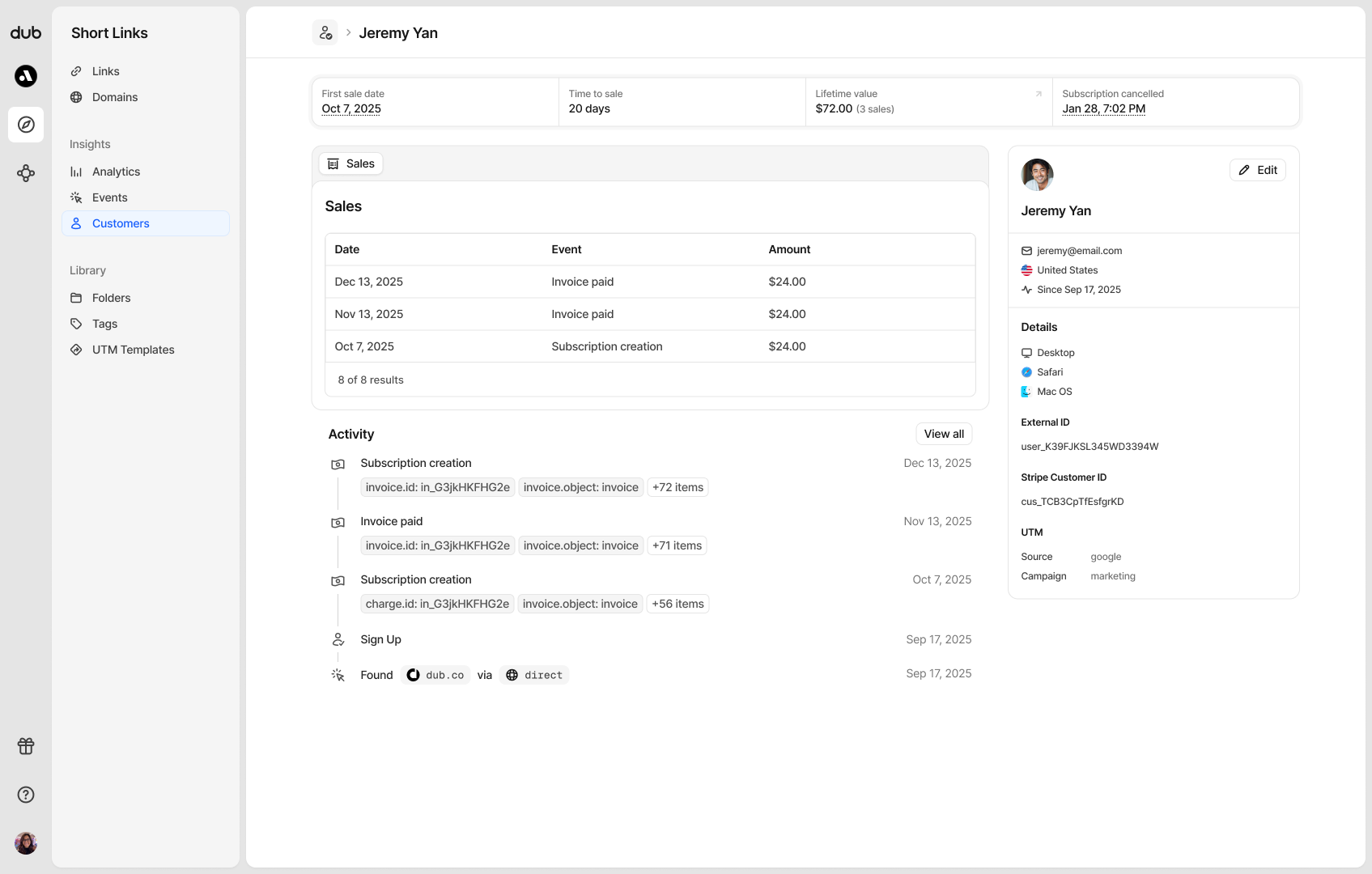
Image source: Dub customer insights
That customer view is a big reason Dub stands out. Once you can see which link brought the person in, how long it took them to buy, and what they are worth, the subscription starts to feel a lot more justified.
Manual reporting can give you fragments of that story. Dub is more appealing because it gives you the whole thread in one place instead of forcing you to piece it together later.
Final verdict
Dub is worth trying if you already care about what happens after the click. That is the cleanest way to think about it.
If you just need a cheap link shortener, skip it for now. If you need branded links, stronger analytics, conversion tracking, and partner management without building a messy stack yourself, Dub looks like a smart buy.
The free entry point makes the decision easier because you can test the workflow before paying. The paid plans make more sense once your campaigns are active enough that bad attribution is already costing you time or money.
Image source: Dub Partners overview
That is also why waiting is not always neutral. If your links already influence signups, sales, or partner payouts, delaying usually means you keep running campaigns with weaker visibility than you should have.
My honest take is simple. Dub is not for everyone, but for founders, marketers, and SaaS teams that want attribution they can actually trust, it is absolutely worth a real look.
Get started with DubFAQ
Is the Dub trial really free?
Dub starts with a free plan, not a short credit-card-first trial. That is actually better for most buyers because you can test live links and reporting without rushing.
Is Dub good for beginners?
Yes, if you are comfortable making links and reading analytics. No, if you are still so early that you have almost nothing to track yet.
When should I pay for Dub instead of staying on the free plan?
Pay when tracked events, analytics retention, or link limits start getting in your way. Business makes the most sense when you want conversion tracking, customer insights, or Dub Partners.
Can Dub replace a funnel builder or CRM?
No, not fully. Dub is stronger as an attribution and partner-tracking layer, while tools like Systeme.io or GoHighLevel are better if you need pages, automations, or CRM depth.
Should you start the Dub trial now?
Start now if you already run campaigns, partnerships, or product funnels and want better attribution. Wait if you are still at the stage where a simple free tool would do the job.
Explore Dub Filip Konecny Enterprises