

Dub is one of those tools that looks very attractive the moment your links start doing real work for your business. If you want branded short links, cleaner attribution, conversion tracking, and partner program support in one place, Dub starts to look a lot more like a serious growth tool than a basic link shortener.
It is not automatically the right buy for everyone, though. If all you need is a quick way to shorten URLs and check a few click numbers, Dub can feel like more platform than you need, and paying for extra depth too early is rarely smart.
This review is here to help you make that call fast. You will see where Dub earns its price, where it feels like overkill, and whether starting now makes sense or whether you should wait until your tracking needs are more serious.
Article outline
- Is Dub worth trying if you care about more than short links?
- What you get in the plan lineup
- The features that make Dub stand out
- Pricing, value, and where the cost starts making sense
- Alternatives worth looking at before you buy
- My honest verdict
- FAQ
Is Dub worth trying if you care about more than short links?
Yes, for the right buyer it is. Dub makes the most sense when a link is not just a link anymore, and you need to see what happened after the click instead of stopping at vanity metrics.
That is the real reason this platform is interesting. The mix of branded links, real-time analytics, conversion tracking, custom domains, QR codes, API access, and partner-program features makes it easier to keep attribution and growth work under one roof instead of stitching together separate tools.
The catch is simple. If you are still very early, have no real campaign volume, and mainly want a tidy short URL, Dub may be better later than right now.
Check current pricingDub’s free plan is generous enough to test the product properly instead of guessing from the homepage. You get 1,000 tracked events per month, 25 new links per month, 3 custom domains, API access, QR codes, and 30 days of analytics retention, which is enough to see whether the workflow feels useful before you pay.
Paid plans are where Dub starts to feel like a serious business tool. Pro starts at $25 per month, Business at $75, and Advanced at $250, so this is not a casual purchase once you move past free, but the price makes a lot more sense when Dub replaces separate tools for links, tracking, domain management, and some partner attribution work.
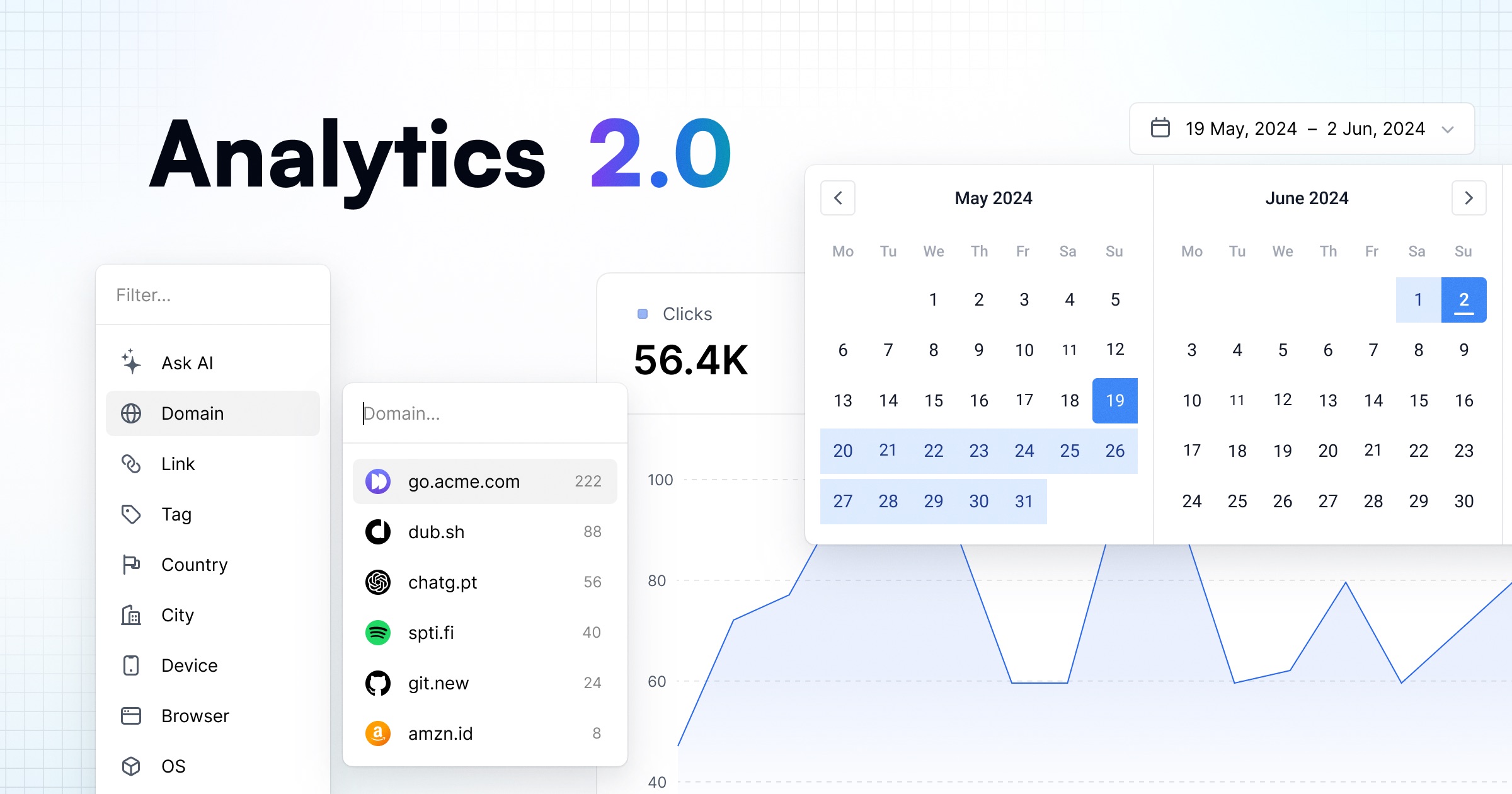
Image source: Dub Analytics 2.0
That dashboard image matters because it shows what Dub is really selling: more control over what happens after someone clicks. Filters, attribution views, and cleaner reporting are a much bigger deal than they sound when you are running campaigns and need to know which links are actually moving leads or sales.
My early take is simple. Dub looks worth trying now if your current setup feels messy, your team cares about branded links and tracking accuracy, or you are starting to run partnerships and want cleaner measurement before things get harder to untangle later.
You should probably wait if you are still validating your offer, barely sending traffic, or do not yet need anything beyond a straightforward shortener. In that case, paying too soon just adds another subscription before you are ready to use the depth you are buying.
What you actually get when you start using Dub
Dub is not just a link shortener with a nicer interface. It is built around tracking what happens after the click, which is the part most basic tools ignore.
Even on the free plan, you get custom domains, analytics, QR codes, and API access. That alone already puts it ahead of simple shorteners that stop at counting clicks.
Paid plans expand on that with higher limits, longer data retention, and more advanced tracking. That is where Dub starts feeling like a real growth tool instead of a utility.

Image source: Dub custom domains
Custom domains matter more than most people think. Branded links improve trust, and they also give you control if you ever need to change destinations without breaking campaigns.
If you are running ads, partnerships, or content funnels, this becomes less of a “nice extra” and more of a requirement.

Image source: Dub link builder
The link builder is where Dub starts separating itself. You can add tracking parameters, organize links, and manage everything in one place instead of juggling spreadsheets or messy UTM setups.
That saves time quickly if you are running multiple campaigns at once.

Image source: Dub QR codes
QR codes are included without needing a separate tool. That sounds small, but if you do offline campaigns, events, or packaging, having it built-in removes another step.
Everything stays tied to the same analytics, which is the real advantage.
The good stuff (and where Dub actually earns its price)
The biggest win is visibility. You are not guessing which links work anymore, you are seeing patterns and results clearly.
The analytics dashboard is clean and usable. Filters, time ranges, and event tracking make it easier to answer simple but important questions like which campaign is actually converting.
This matters if you are spending money or time driving traffic. Without that clarity, you are basically flying blind.

Image source: Dub event tracking
Event tracking is another strong point. You can track conversions, not just clicks, which changes how useful the data becomes.
This is where Dub starts replacing parts of other analytics tools, especially for simple funnels or link-driven campaigns.
Another advantage is how clean everything feels. The interface is modern, and you do not need hours to understand where things are.
That lowers the barrier for beginners while still giving enough depth for advanced users.
Pricing, value, and when it actually makes sense to pay
The free plan is good enough to test properly. You can build links, track activity, and use custom domains without paying upfront.
Paid plans start at $25/month and go up depending on usage limits and features. That is not cheap for a link tool, so the value depends entirely on how you use it.
If Dub replaces multiple tools or saves you time on tracking and reporting, the price is easy to justify. If it is just shortening links, it is not.
Try Dub hereThis comparison makes the decision easier. Dub is focused and clean, while tools like Systeme.io or GoHighLevel try to do everything.
If you want a dedicated link tracking and attribution tool, Dub wins. If you want funnels, CRM, and automation in one place, those alternatives might make more sense.
The real question is how complex your setup is right now. If you are already juggling tools, Dub can simplify things fast.
Waiting too long usually means you keep patching together tracking with spreadsheets and guesswork. At some point, that costs more time than the subscription itself.
Alternatives worth looking at before you buy
Dub is not the automatic winner for everyone. It wins when you care most about branded links, attribution, conversion tracking, and keeping link analytics clean without buying a bloated all-in-one stack.
Some people need a cheaper entry point. Others need a broader tool that also handles funnels, CRM, scheduling, or social publishing, and that is where the alternatives become worth a real look.
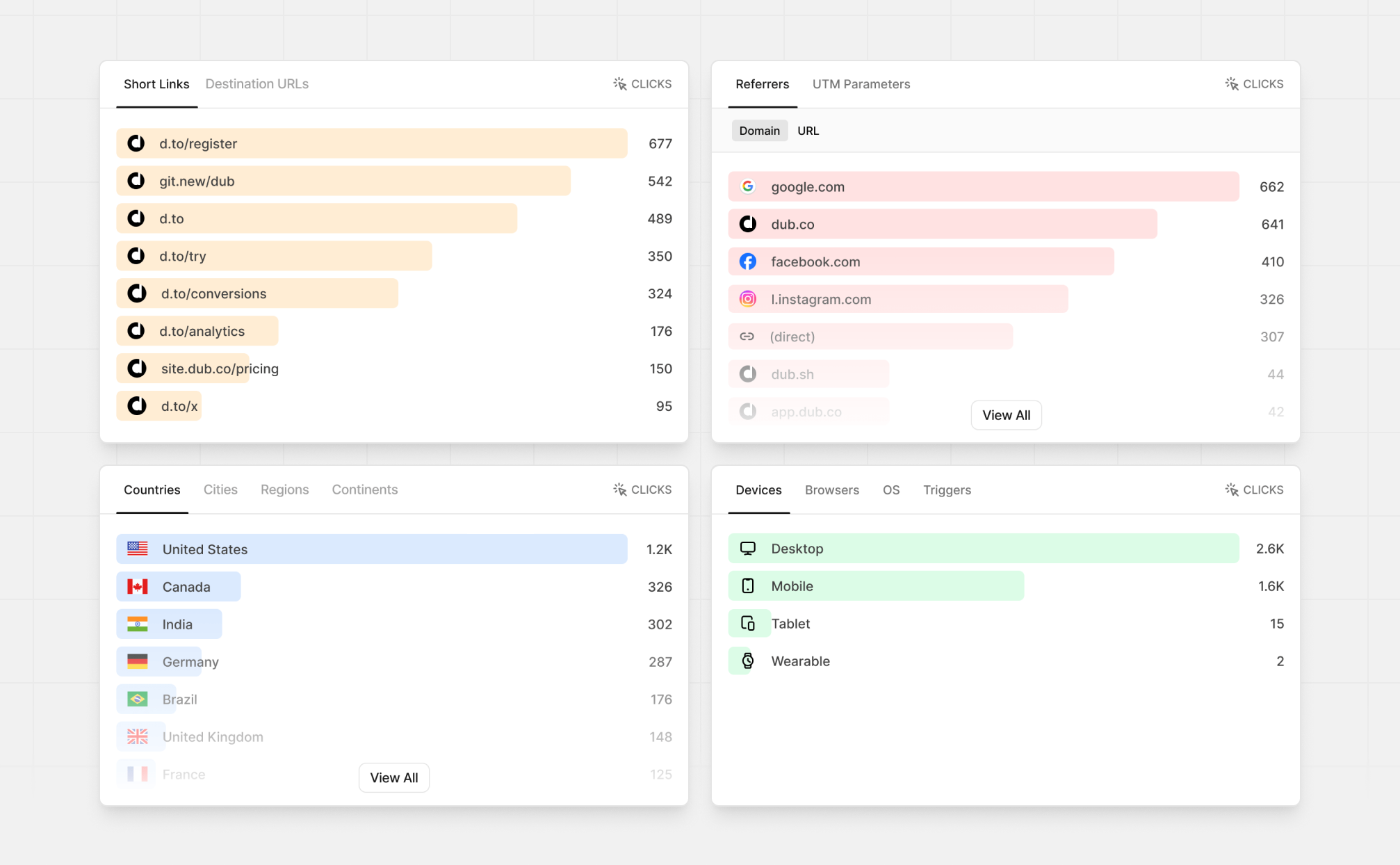
Image source: Dub analytics overview
That screenshot shows the kind of visibility Dub is really selling. If that level of breakdown would help you make better decisions fast, Dub is in the right conversation; if not, a simpler or broader tool may fit better.
See current pricingChoose Dub if you already care about attribution and want a cleaner setup than spreadsheets, weak shorteners, or cobbled-together reporting. Choose Systeme.io if price matters most and you need broader selling tools, and choose GoHighLevel if you want a much bigger business stack and do not mind extra complexity.
Choose Buffer if your real problem is publishing content, not link attribution. That is the cleanest way to decide without overbuying.
My honest verdict
Dub is worth trying for the right buyer. It looks strongest when links are tied to campaigns, partnerships, content distribution, or sales activity that you actually need to measure properly.
The product makes less sense if you are still at the “I just need shorter URLs” stage. Paying for better tracking before tracking matters is how subscriptions pile up for no good reason.
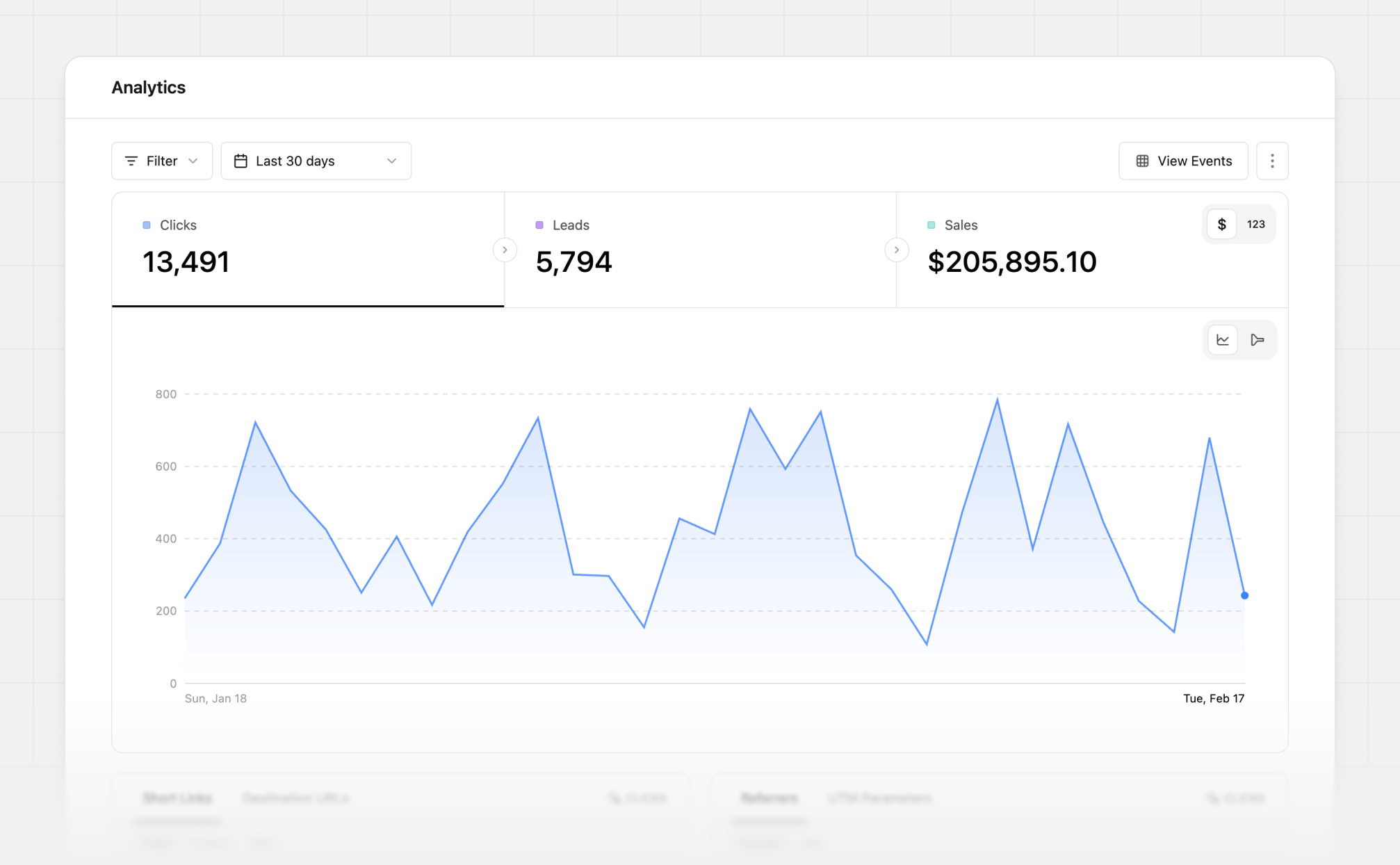
Image source: Dub analytics overview
That chart is a good summary of why Dub is appealing. It helps you connect traffic to outcomes instead of staring at raw clicks and guessing whether your campaigns are doing anything useful.
I would put it this way. If your current setup feels messy, manual, or too shallow, Dub is a smart next step; if you are early and barely using the data yet, waiting is fine.
The strongest case for buying now is speed. Cleaner analytics, branded links, and event tracking can stop you from wasting weeks on campaigns that look busy but are not producing real results.
The biggest limitation is scope. Dub is focused, which is good for clarity, but it will not replace CRM, email marketing, or funnel builders the way broader tools can.
Get started with DubFAQ
Is Dub good for beginners?
Yes, if the beginner already understands why tracking matters. No, if the beginner just wants a cheap shortener and is not going to use the analytics depth yet.
Does Dub replace other tools?
It can replace basic shorteners, QR code tools, and some light reporting workflows. It does not replace a full CRM, email platform, or funnel builder, so you should not buy it expecting that.
Is Dub expensive?
It is affordable if you use the tracking and attribution seriously. It feels expensive only when you treat it like a basic link shortener, because then you are paying for depth you are not using.
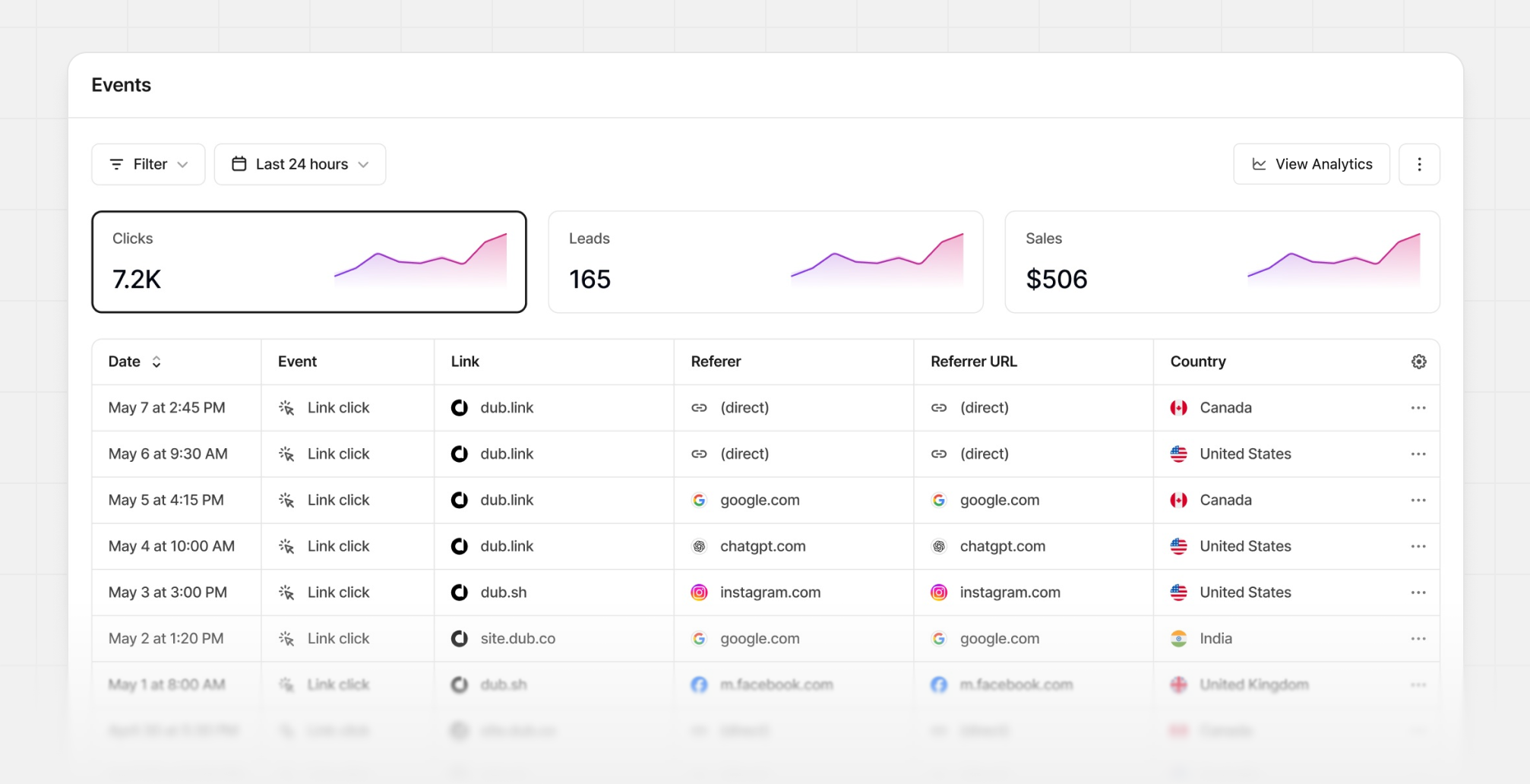
Image source: Dub real-time events stream
Can Dub track more than clicks?
Yes. Dub supports event and conversion tracking, which is one of the main reasons it stands out from simpler link tools.
Should you start now or wait?
Start now if links already play a real role in your marketing and you want better visibility fast. Wait if you are still validating your offer and do not yet need branded links, events, or attribution reports.
Dub reviews usually come down to one practical question: are your links important enough to deserve better tracking? If the answer is yes, Dub is one of the cleaner options to look at right now.
Explore Dub Filip Konecny Enterprises