
Dub looks like one of those tools that can either feel obvious in five minutes or unnecessary until you actually need cleaner tracking, branded links, and better attribution. If you are still pasting ugly links into campaigns or trying to piece together clicks, conversions, and partner performance across multiple tools, Dub is exactly the kind of product that gets your attention fast.
The bigger question is whether the price makes sense for you right now. A tool like this is easy to like on the surface, but a good review has to answer the harder stuff too: who gets real value from it, where it can feel like overkill, and whether you should start now or wait until your traffic or offers are further along.
My take up front is simple: Dub is most appealing when links are tied to revenue, not just vanity clicks. If you care about attribution, partner programs, or branded tracking that looks more professional than a generic shortener, Dub is worth a serious look.
Article outline
- Is Dub worth trying in the first place?
- What you get, what it costs, and why people upgrade
- Alternatives, final verdict, and whether you should buy now or wait
Is Dub worth trying in the first place?
For the right buyer, yes. Dub is not just a basic link shortener with a prettier dashboard. The product is built around short links, conversion analytics, and affiliate program management, which matters because those things usually end up spread across separate tools once a business starts growing.
That is the real selling point here. You are not paying only to shorten links. You are paying to understand what happens after the click, keep branding consistent with custom domains, and in some setups even manage partner-driven growth without patching together another platform later.
Dub gets more compelling when your current setup feels messy. If you already run paid campaigns, creator partnerships, SEO pages, newsletters, or product referrals, a cleaner attribution layer can save time fast and make your numbers easier to trust.
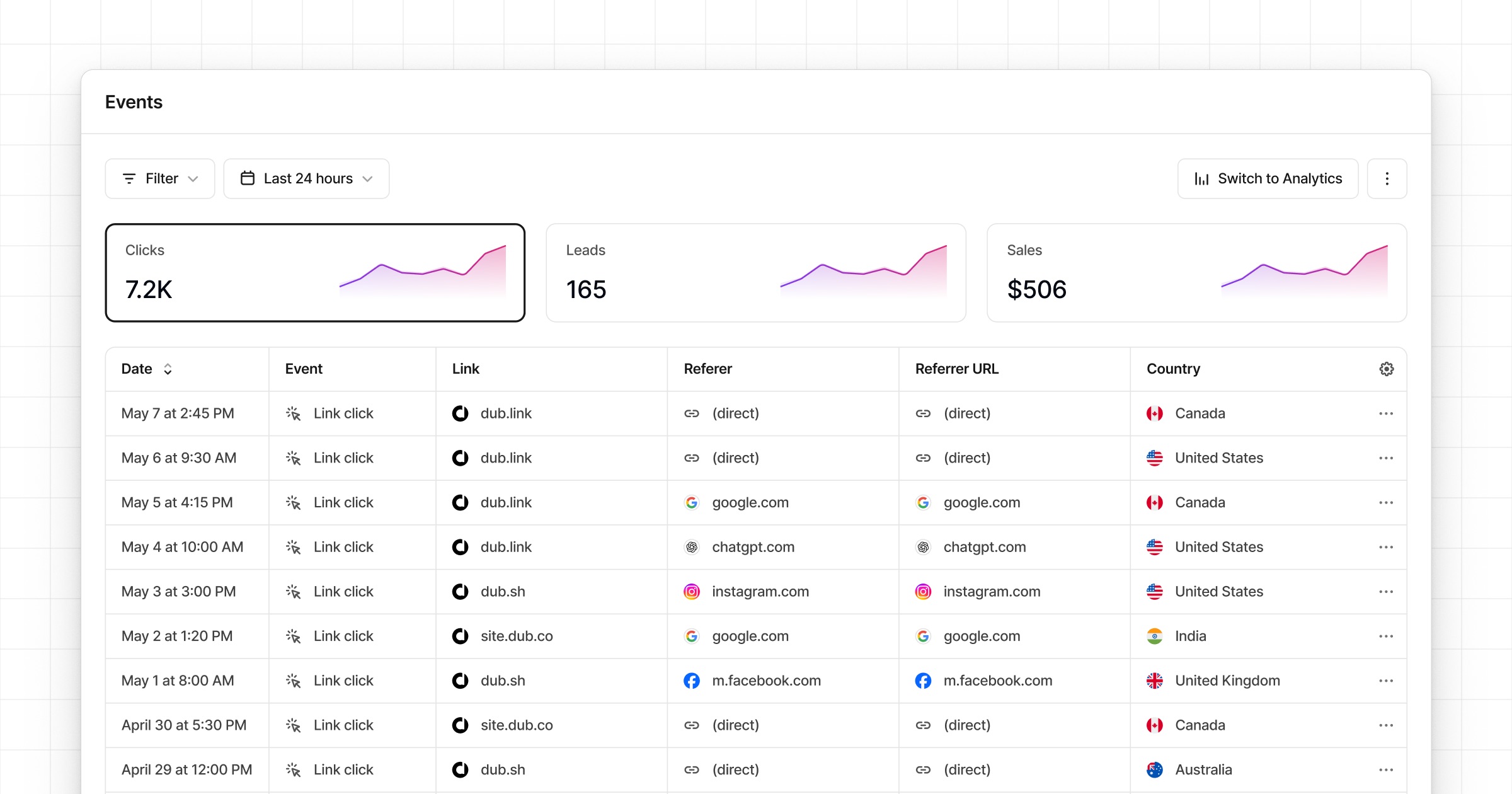
Image source: Dub comparison article
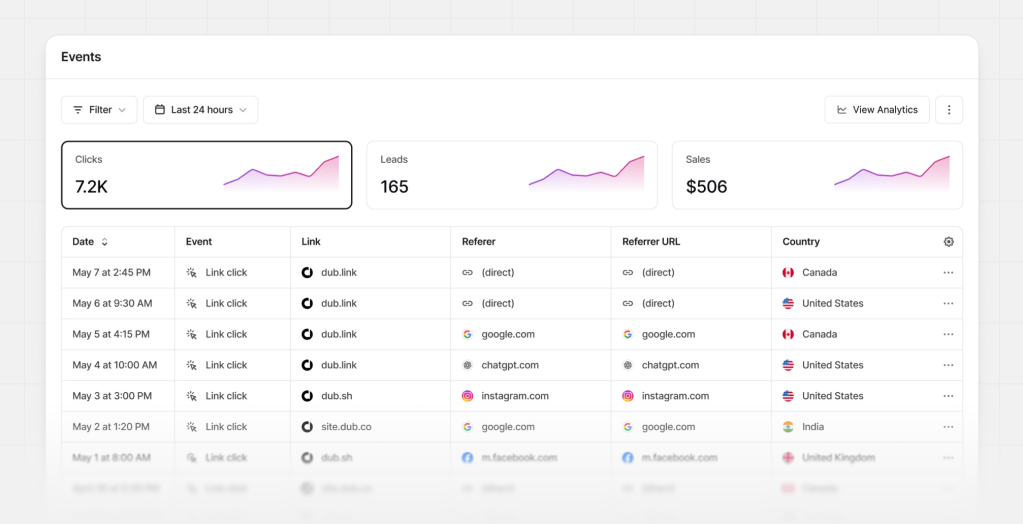
The screenshot above helps explain why people move beyond simple link tools. Dub is built to show clicks, leads, sales, referral sources, and event-level activity in one place, which is a lot closer to buying intent than a bare-bones click counter.
You should still be honest with yourself before jumping in. If you only need a few short links per month and you do not care about attribution, partner programs, or reporting depth, Dub can be more tool than you need. In that case, free or simpler options may be enough for now.
Dub at a glance
Check the official Dub free planThat snapshot tells you most of what matters before getting into the deeper comparison later. Dub has a low-friction way to start, but it is clearly designed for people who want more than a quick redirect link. The minute you care about attribution quality, event tracking, or a more serious branded setup, the product starts making a lot more sense.
The generous free setup also lowers the risk of trying it. Dub says the free plan includes up to 3 custom domains, along with API access and core analytics features, which is enough to see whether the workflow clicks for you before spending real money.
That does not mean everyone should jump in today. If you do not have a live offer, a campaign worth measuring, or links that already matter to revenue, you may not feel the payoff yet. If you do have those things, waiting usually means you keep losing clarity you could already be using to improve campaigns and partner performance.
The next section is where the buying decision gets easier. I am going to break down what you actually get, how the pricing stacks up, and where Dub starts to justify paying instead of staying manual.
What you get before paying, and what the paid plans change
Dub does not force you into a short, annoying test window. The entry point is a free plan, which is better for most people because you can actually build links, connect domains, and see whether the workflow fits before paying for anything.
That matters because this is not the kind of tool you judge in two minutes. You need to create a few links, check the analytics, and decide whether the extra attribution is useful enough to replace the scrappier setup you are using now.
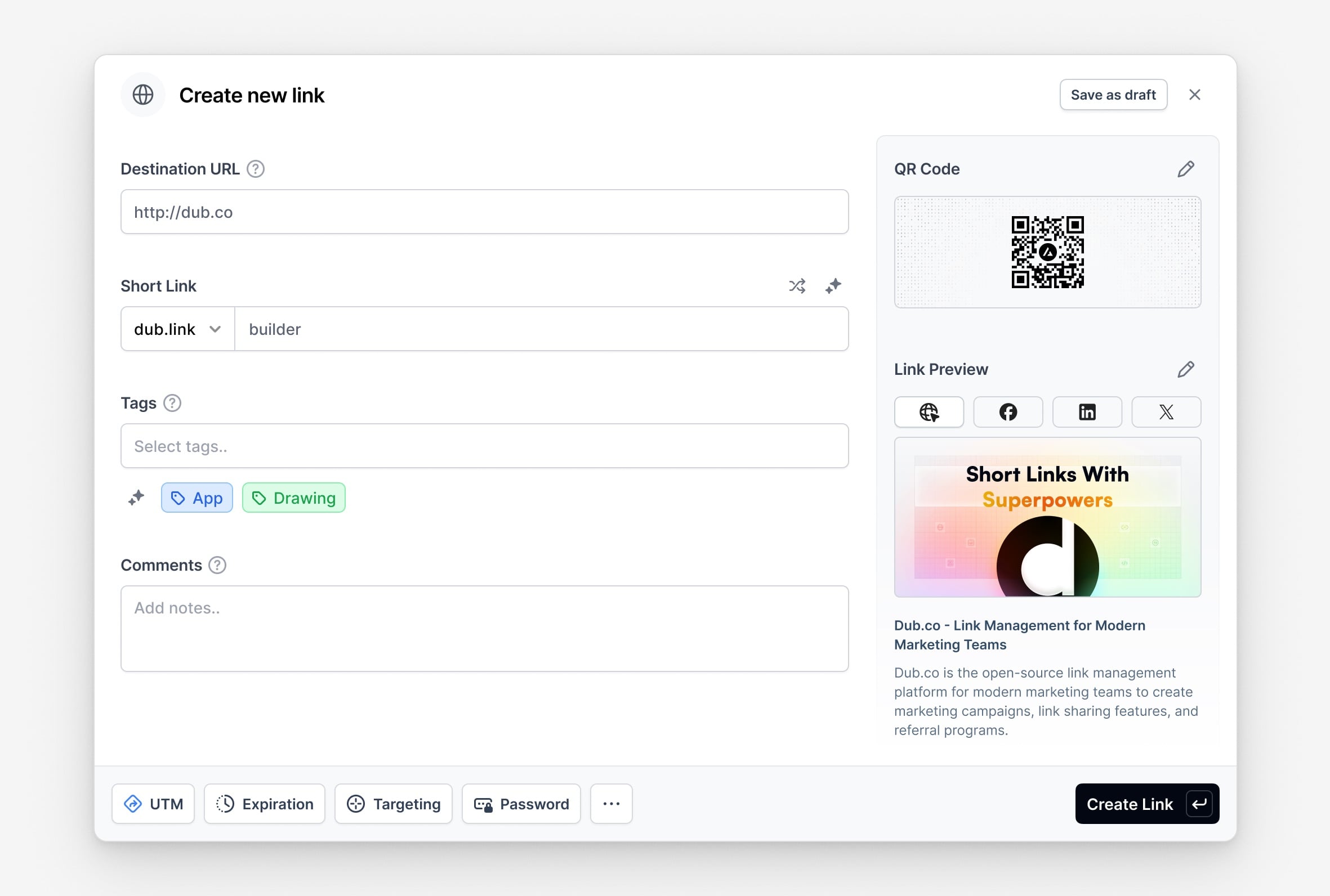
Image source: Dub
The free plan is generous enough to make a real decision. Dub lists 1,000 tracked events per month, 25 new links per month, 3 custom domains, API access, QR codes, UTM templates, and 30-day analytics retention on the free tier.
That is enough for a creator, small brand, or early SaaS team to see the payoff. If all you need is a prettier short link once in a while, you can stay free and move on.
Paid plans start making sense when the volume goes up or when the data starts affecting revenue. Dub’s Pro plan is listed at $25 per month billed yearly, Business at $75, and Advanced at $250, with bigger event limits, more new links, more custom domains, and much longer analytics retention.
See current Dub pricingPro is where Dub starts to feel like a real business tool instead of a neat free utility. You get 50,000 tracked events, one year of retention, 10 custom domains, conversion tracking, customer insights, and the real-time events stream, which is enough for most growing brands before they need Business.
The catch is obvious. If your links are low-volume and you do not care about attribution beyond clicks, $25 per month can still feel unnecessary.
The good stuff
Dub looks strong because the product is focused. It is trying to be excellent at branded links, attribution, and partner-driven growth instead of pretending to be your email tool, funnel builder, CRM, scheduler, and chatbot at the same time.
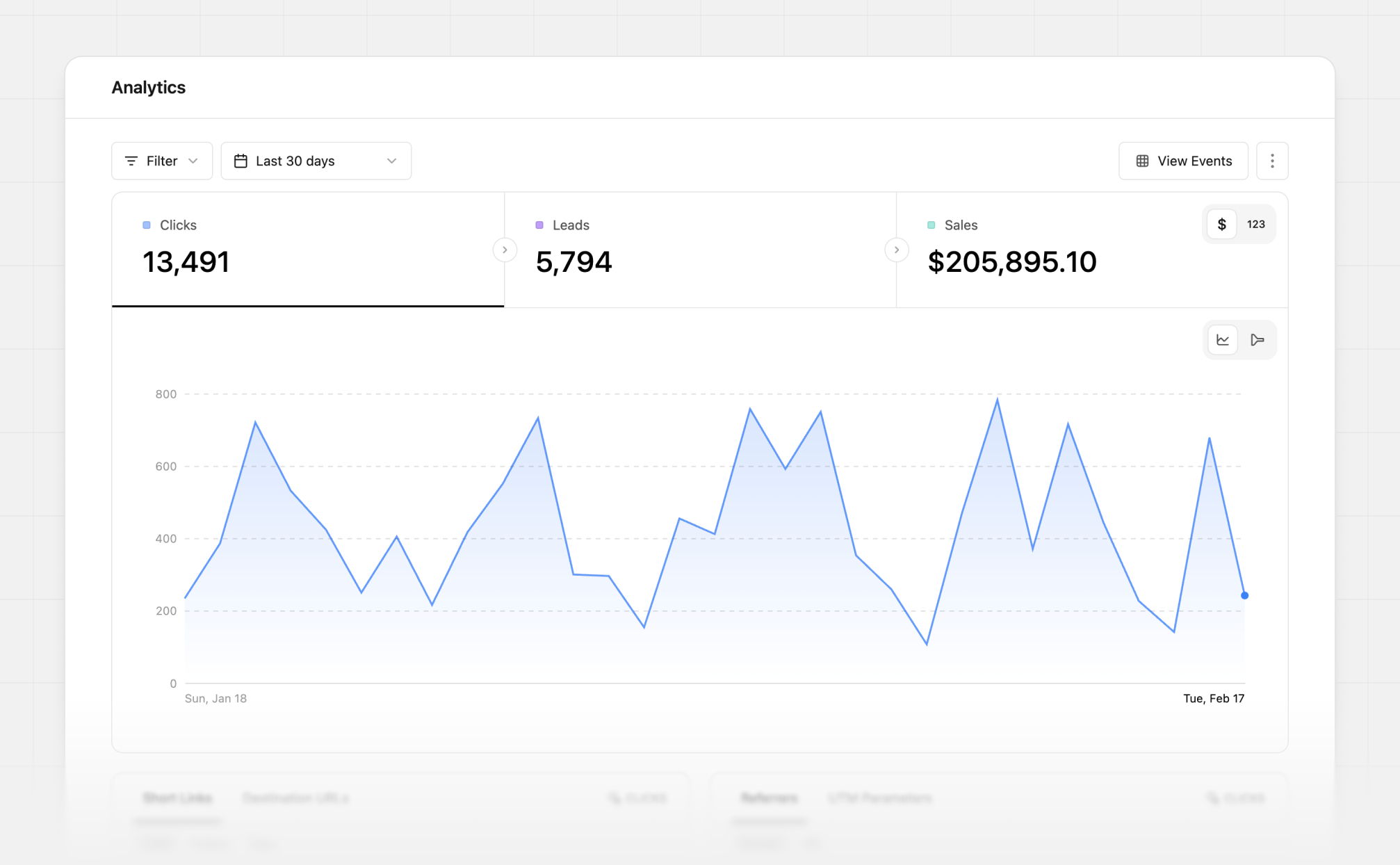
Image source: Dub
The analytics are the clearest reason to pay. Dub shows time-series data, top links, referrers, countries, cities, devices, conversion tracking, and customer insights, which is the kind of data that helps you stop guessing which channels and links actually deserve more budget.
Custom domains are another big plus because they make your links look more trustworthy and more on-brand. Dub also lets free users add up to 3 custom domains, which is unusually generous and makes the upgrade decision easier because you can start with a branded setup before paying.
The link builder is more useful than it sounds on paper. You are not just shortening a URL; you are controlling UTM parameters, previews, QR codes, targeting, tags, expiration, and other details that usually get messy when handled manually.
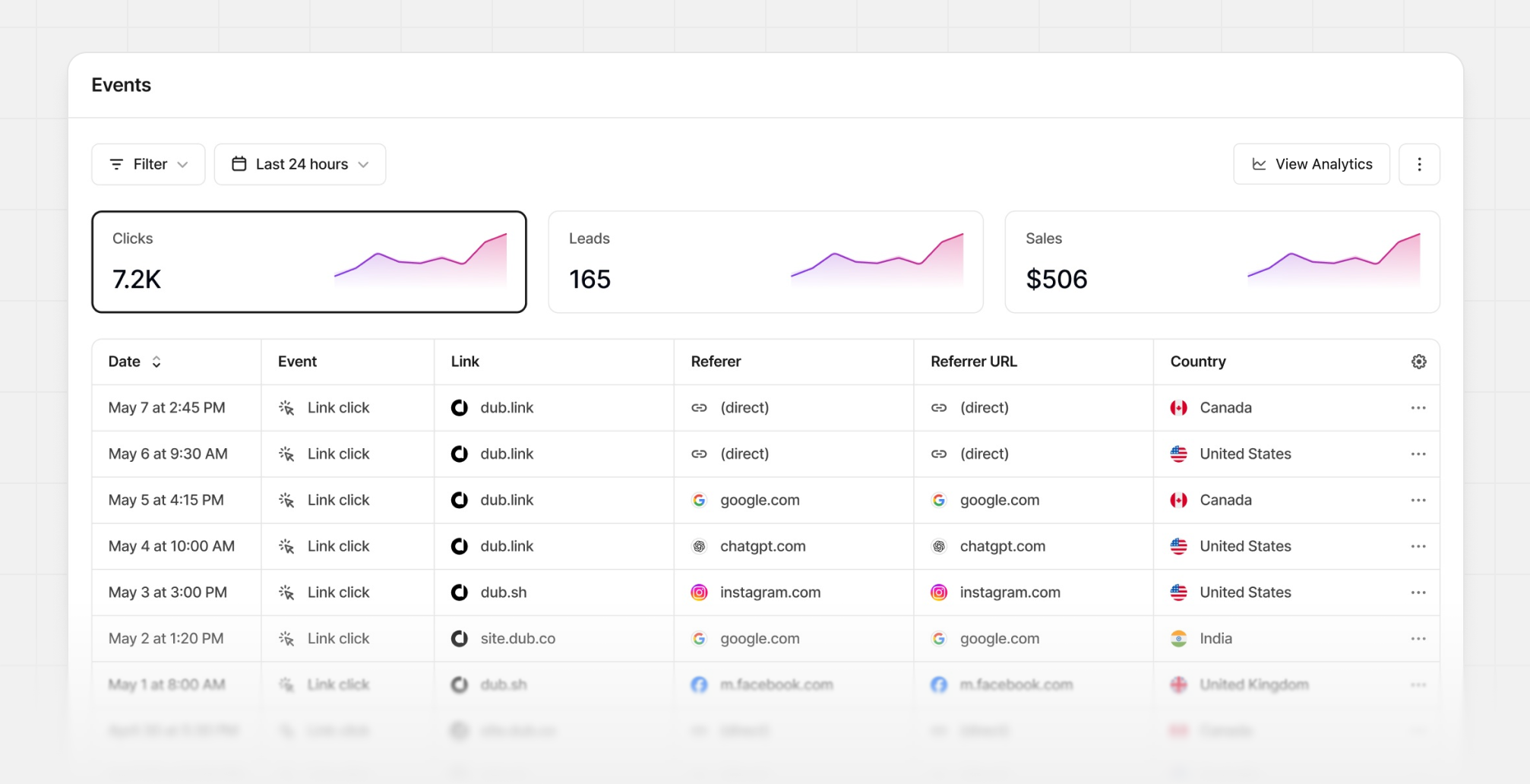
Image source: Dub
The real-time events stream is the kind of feature that sounds minor until you need it. Watching clicks, leads, and sales appear with referral details makes Dub a lot more useful for active launches, partner programs, and campaigns where timing matters.
People also seem to like how easy the product is to use. Recent G2 reviews describe Dub as clean, fast, and simple to set up, which matters because a tool like this loses a lot of appeal if the dashboard feels bloated or the data is hard to trust.
Dub is still not perfect for everyone. If you want an all-in-one system that also handles funnels, CRM, email, SMS, and broader sales ops, GoHighLevel is the broader buy, even though it is a very different beast and can feel heavier.
If your main job is social publishing and you only care about basic link management inside a social workflow, Buffer can be the simpler option. Dub wins when links are part of attribution and revenue tracking, not just content scheduling.
Why getting it now can make sense
Dub makes the most sense when your current setup already feels patched together. If you are bouncing between a shortener, a spreadsheet, UTM builders, and weak attribution inside other tools, the cost of staying manual adds up faster than most people want to admit.
That does not mean everyone should buy today. If you are still validating an offer or barely sending traffic, the free plan is enough and you can wait before upgrading.
The right buyer usually knows it pretty quickly. If you already have links tied to affiliate revenue, partnerships, campaigns, SEO pages, or product signups, Dub is easier to justify because cleaner attribution helps you make better calls sooner.
That is also why waiting can be expensive in a quiet way. Bad data usually does not scream at you, but it does make you keep spending on channels, pages, or partners that are underperforming without noticing fast enough.
For that buyer, Dub is not just another software expense. It is a cleaner way to see what is working, keep your links branded, and avoid building a messy tracking system you will probably replace later anyway.
If you already have traffic and something to measure, get started with Dub. If you are still early, start free first and upgrade only when the volume makes the extra data worth paying for.
Dub alternatives and when they make more sense
Dub is not trying to be everything. That is a strength, but it also means some people will be better off with a different tool depending on what they actually need.
If you want funnels, CRM, automation, and messaging in one place, Dub will feel too narrow. If you only want simple links for social posts, it might feel like overkill.

Image source: Dub
This is where comparison actually helps. You can quickly see if Dub is the right level of tool or if something simpler or broader fits better.
Try Dub freeChoose Dub if links are tied to money. Choose Buffer if links are just part of content. Choose GoHighLevel if you want a full system. Choose Systeme.io if budget matters more than tracking depth.

Image source: Dub
My honest take on Dub ratings
Dub ratings are strong for a reason. The product solves a specific problem well, and it does not try to pretend it is something else.
The biggest strength is clarity. You stop guessing which links, partners, or campaigns are working, and that alone can justify the price if you are already spending money or driving traffic.
The main limitation is scope. Dub does not replace your funnel builder, CRM, or email tool, so you still need other tools unless you choose something broader instead.
That tradeoff is actually what makes the product good. It stays focused and does not become bloated.
For the right buyer, this is absolutely worth trying. For the wrong buyer, it will feel unnecessary no matter how polished it is.

Image source: Dub
FAQ
Is Dub worth paying for?
Yes if your links are tied to revenue or growth decisions. No if you only need occasional short links without caring about attribution.
Is Dub beginner friendly?
Yes. The interface is simple enough to start quickly, especially on the free plan. The more advanced features only matter once your usage grows.
Does Dub replace other tools?
It replaces link shorteners and some tracking workflows. It does not replace funnels, CRM, or email platforms.
Should you start now or wait?
Start now if you already have traffic, campaigns, or partners to track. Wait if you are still figuring out what you are selling.
Should you try Dub right now?
If you are serious about tracking what actually works, Dub is one of the cleaner ways to do it without building a messy system yourself. The free plan removes most of the risk, so you can test it properly instead of guessing.
If you already have something to measure, waiting usually just delays clarity. If you are not there yet, you can still set it up early and grow into it.
Get started with Dub Filip Konecny Enterprises