
Most link tools look cheap until you realize you still need better analytics, branded domains, and a cleaner way to see what actually drove the click. Dub gets interesting because its free plan is generous enough to test seriously, and the paid plans start making sense fast if you use links for campaigns, affiliate traffic, or content you actually care about tracking.
That does not mean every Dub plan is a smart buy. If you only need a basic shortener for the occasional link, paying monthly is probably unnecessary, but if your current setup feels scattered, Dub’s current plans are worth a real look because the jump from “simple short links” to “real attribution” happens pretty quickly here.
This first part is here to help you answer the big question before you waste time comparing every checkbox: is Dub even the kind of tool you should be considering, or should you stay on a free setup and wait. The short version is simple: Dub looks strongest for marketers, SaaS teams, creators, and partner-driven brands that want real-time analytics, branded links, and cleaner reporting without building a stack around a basic shortener.

Image source: Dub’s links dashboard update
Article outline
I split this review into three simple sections so you can jump straight to the part that matters most. The flow is built around the buying decision, not generic background filler.
- Dub plans at a glance — the quick read on whether Dub is worth your attention at all
- What you get in the free plan — whether the free tier is enough or just a teaser
- The good stuff — the features that make Dub feel better than a bare-bones shortener
- Pricing and value — where the paid tiers start earning their cost
- Alternatives worth checking — when a cheaper or broader tool may fit better
- Final verdict — who should start now, who should wait, and who should skip
- FAQ — the last objections people usually have before buying
Dub plans at a glance
Dub’s lineup is pretty easy to understand once you stop looking at it like a generic URL shortener. The free plan is a serious entry point, Pro is for solo operators and lean teams that need more room, Business is where the platform starts acting like a true attribution and partner tool, and Enterprise is for teams that need security, scale, and procurement-friendly buying.
The free tier is better than most people expect. Dub gives you 3 custom domains on free, plus analytics, QR codes, API access, and 1,000 monthly tracked events, which is enough to tell whether the platform will actually help you or just look nice in screenshots.
The real buying line usually sits between Pro and Business. Pro is the safer pick if you mainly need higher limits and longer data retention, while Business is the one to watch if you want conversion tracking, A/B testing, customer insights, event webhooks, or Dub Partners for referral and affiliate workflows.
That split matters because it tells you whether Dub will replace enough manual work to justify the cost. If you just want prettier short links, start free and stay there until your limits hurt; if links are already tied to revenue, attribution, or partner growth, waiting too long usually means you keep guessing instead of measuring.
Dub vs the main alternatives
Dub is not the cheapest option, and that is exactly why this comparison matters. If you only need a basic link in bio, a simple shortener, or a broad all-in-one business tool, you should know that before you pay for features you will barely touch.
Dub wins when links are tied to real decisions. Its paid plans start making more sense once you care about conversion tracking, customer-level insight, partner payouts, and longer analytics retention instead of just shortening URLs.

Image source: Dub conversions launch post
Check the official free trialChoose Dub if your links already affect revenue and you are tired of vague reporting. Choose Systeme.io if budget matters more than analytics depth, and choose GoHighLevel if you need a much broader agency stack than Dub is trying to be.

Image source: Dub Partners launch post
My honest take
Dub is a strong buy for the right person. That person is already sending traffic somewhere important and wants better answers than “this link got clicks.”
The free plan is good enough to test properly, which removes a lot of risk. The paid plans become easier to justify once you need more tracked events, longer retention, A/B testing, customer insights, or partner payouts without building a messy workaround.
This is not the best fit for everyone. If you are brand new, have almost no traffic, or just need a cheap all-in-one to build funnels and email campaigns, Dub will probably feel more specialized than necessary.
This is a smart next step if you already market seriously and your current setup keeps hiding where results came from. In that situation, paying for Dub is often easier to defend than continuing with a cheaper setup that saves money while costing clarity.
The best Dub plan for most buyers is usually Pro or Business. Pro is the safer move when you mainly need more usage and longer analytics history, while Business is where Dub starts to earn its price harder because conversion tracking, A/B testing, customer insights, and partner tools can replace a lot of manual guesswork.
Image source: Dub dashboard update
FAQ
Is Dub free to start with?
Yes. Dub has a free plan with 1,000 tracked clicks per month, 25 new links per month, 3 custom domains, 30-day analytics retention, QR codes, API access, and real-time analytics, so you can test the product without paying first.
Which Dub plan is best for most people?
Pro is the safest default if you are a solo operator or small team that mainly needs more volume and longer retention. Business makes more sense once attribution, conversions, A/B testing, and partner workflows are part of your actual marketing job.
Is Dub worth it for beginners?
Beginners can absolutely use the free plan, but paid Dub plans are easier to justify after you already have traffic or campaigns worth measuring. If you are still choosing your offer, building your first funnel, or learning email marketing, a cheaper all-in-one like Systeme.io may be the simpler place to start.
Can Dub replace a basic shortener like Bitly?
For many buyers, yes. Dub is more compelling when you want branded domains, richer analytics, conversion tracking, and partner features instead of a simple short link with lighter reporting.
Does Dub support custom domains?
Yes, and that is one of the stronger parts of the offer. Even the free plan includes 3 custom domains, which makes Dub easier to take seriously than tools that lock branded links behind a paid wall.
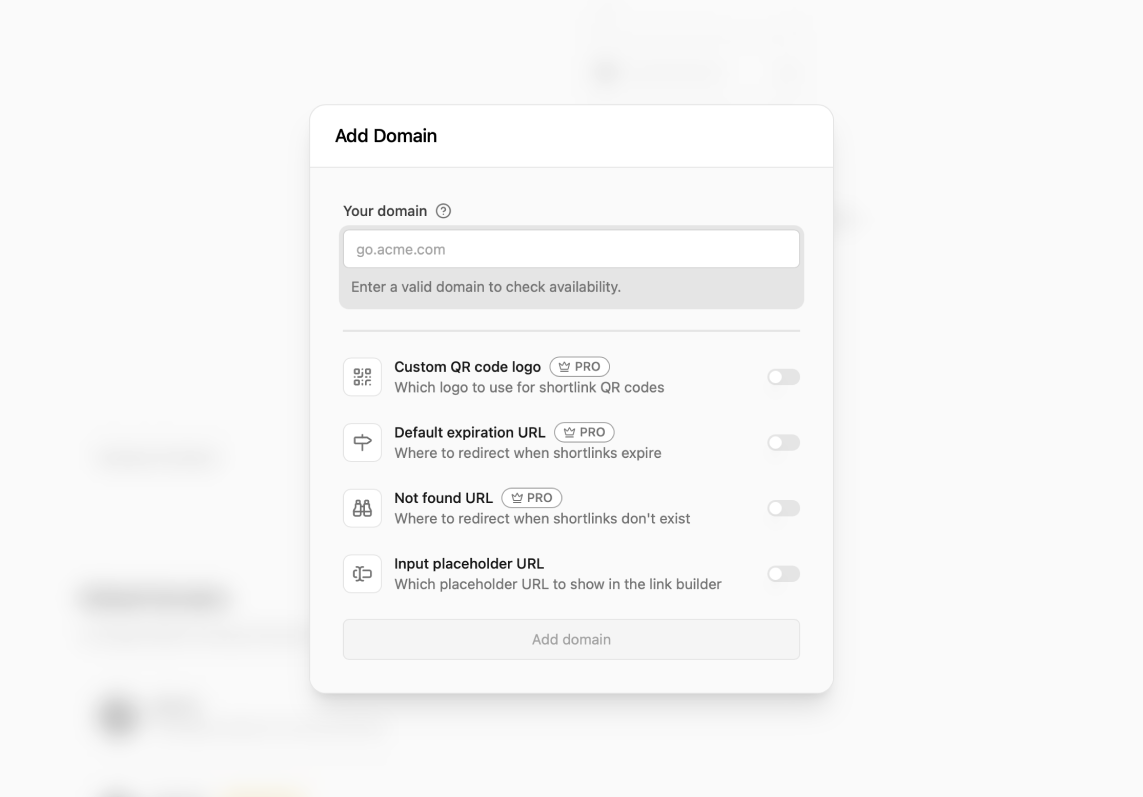
Image source: Dub custom domain help page
If you already have traffic and you want better answers from your links, Dub is worth trying now instead of later. If you are still early and mainly need cheap funnel or email software, wait or start with a broader low-cost tool first.
Get started with Dub Filip Konecny Enterprises