
Dub looks sharp, the feature set is stronger than most basic link shorteners, and the analytics side is clearly built for people who care about attribution instead of just shortening URLs. That also means the real question is not whether Dub is good, but whether its limits line up with what you actually need before you explore Dub.
Some of the biggest Dub limitations are not dealbreakers at all. They only become a problem when you want deeper analytics history, team access, advanced conversion tracking, or a cheaper setup that does not push you toward a higher plan.
This review is here to help you make that call fast. You will see where Dub feels generous, where it gets restrictive, and who should try it now versus wait until the platform makes more financial sense.
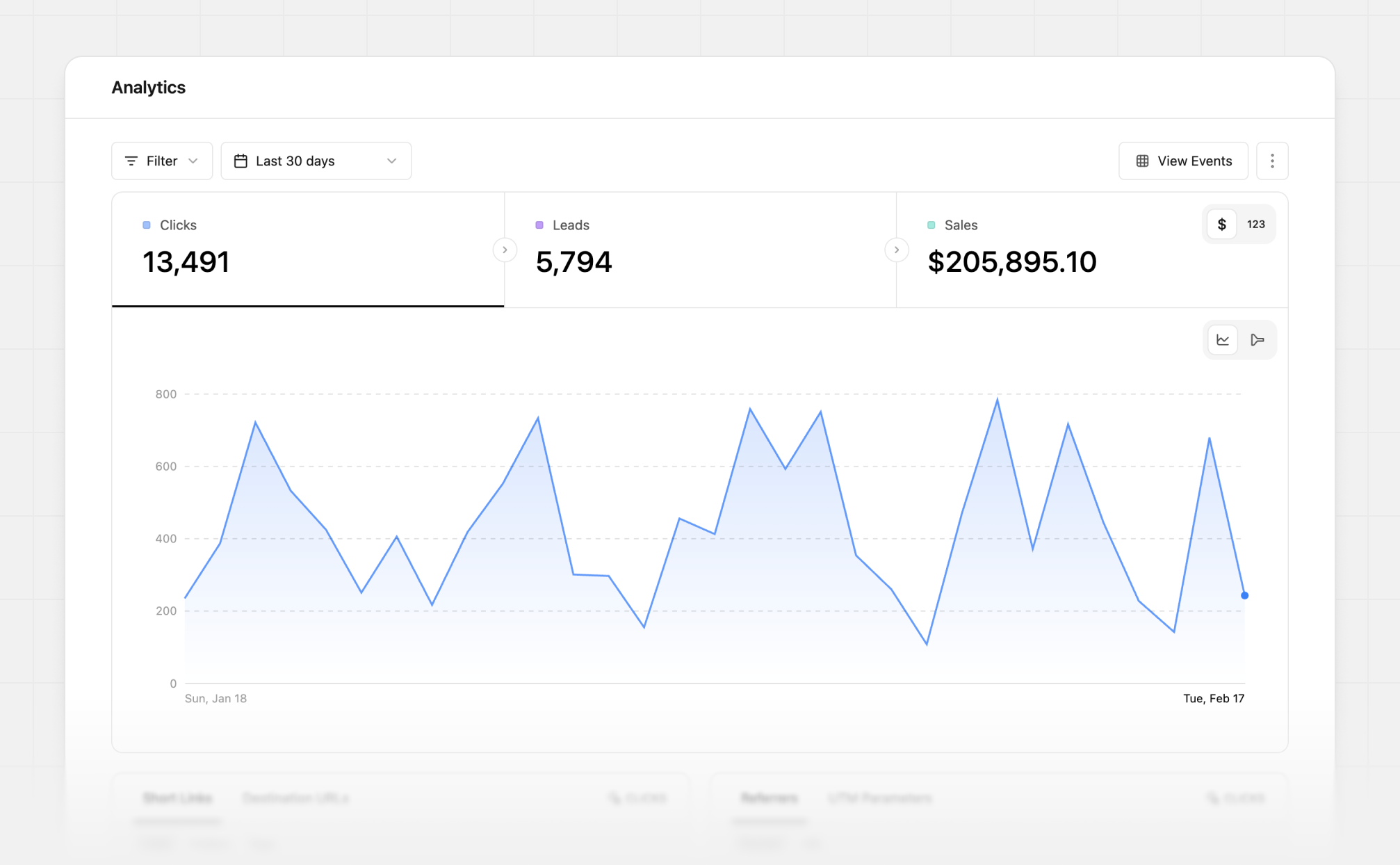
Image source: Dub analytics overview
Article outline
Use these page jumps if you want to skip straight to the part that matters most to your buying decision.
- Is Dub worth trying if you already know link tracking matters to you?
- The limits you should know before you sign up
- What you get in the free trial or free plan
- The good stuff that makes Dub appealing
- Pricing and whether Dub earns the extra spend
- Alternatives worth looking at before you buy
- My honest final verdict
- FAQ
Is Dub worth looking at in the first place?
Yes, for the right buyer. Dub makes the most sense when plain short links are no longer enough and you want one place to manage branded links, watch clicks in real time, connect attribution data, and potentially run partner or referral tracking without piling on more tools.
It makes less sense if you only need occasional short links and do not care about attribution depth. In that situation, Dub can feel more premium than necessary, and one of the cheaper alternatives later in this review may fit better.
The biggest reason people keep considering Dub anyway is that the platform is not trying to be a throwaway URL shortener. The official product docs and feature pages show a product built around attribution, integrations, and partner growth, which is exactly why the limitations matter more than usual.
The limits you should know before you sign up
Dub is easy to like when you look at the interface and the positioning. The catch is that several meaningful capabilities sit behind higher tiers, so the free plan is best treated as a serious test drive, not a complete long-term setup for growing teams.
That table tells the real story. Dub is not limited in a weak-product way, but in a deliberate-product-tiering way, which is very different if you are deciding whether the spend is justified.
If you already have campaigns running, the paid plans may feel reasonable fast. If you are still guessing what you want to track, the limits can feel like a nudge to pay before you have squeezed enough value out of the platform.
What comes next in this review
The next section breaks down what you actually get before paying, including where Dub is generous and where the free access runs out quickly. After that, I will get into the strongest parts of the platform, the pricing tradeoffs, and whether paying now makes sense or whether waiting would be smarter.
The final section compares Dub against a few alternatives so you can decide whether you should buy now, test it later, or skip it. That is where the article shifts from “these are the limitations” to “is Dub still the best fit for your setup anyway.”
What you actually get before paying
Dub’s free plan is not meant to carry your business long-term. It is designed to show you how the system works and push you toward upgrading once you start caring about attribution seriously.
You get link shortening, branded links, basic analytics, and a clean dashboard. That is enough to test whether Dub fits your workflow before you try Dub here.
The limits show up quickly if you are active. 25 links per month and 30 days of analytics history disappear fast if you are running campaigns, sharing content daily, or testing different funnels.

Image source: Dub homepage
This is why the free plan works best for one of two situations. You are either testing if Dub fits your stack, or you only need occasional links and do not care about long-term data.
If you already know you want tracking tied to revenue or conversions, you will hit the limits quickly and start looking at paid plans almost immediately.
The good stuff that makes Dub stand out
Dub feels different from most link tools because it is not just about shortening URLs. The focus is on tracking performance in a way that actually connects to business outcomes.
You can see clicks, leads, and sales in one place, which is the real payoff. Instead of guessing which link worked, you get a clearer picture of what is driving results.

Image source: Dub events tracking docs
The dashboard is clean and fast. That matters more than it sounds because most analytics tools become annoying to use once you have multiple campaigns running.
Custom domains are included early, so your links look branded instead of generic. That small detail makes a difference if you care about trust and click-through rates.

Image source: Custom domains guide
Another strong point is that Dub can grow with you. The developer docs and integrations make it usable beyond simple marketing, especially if you want to connect it to internal tools or build something custom.
That said, these strengths only matter if you actually use them. If you just need a basic short link, you will not feel most of this value.
Pricing and whether it actually earns the cost
Dub pricing starts free, but the real value sits in the paid tiers. The Starter plan removes most early limits, while Business unlocks the features that actually tie links to revenue.
Here is a quick snapshot that helps you decide whether Dub makes more sense than sticking with a cheaper tool or switching to a broader platform.
Check the official Dub plansDub sits in an interesting position. It is more focused than all-in-one tools, but more advanced than basic link shorteners.
If you compare it to something like Systeme.io, Dub loses on breadth but wins on clean, dedicated tracking. If you compare it to GoHighLevel, Dub feels simpler but far more focused.
This is why the price debate depends entirely on your use case. If tracking links properly helps you make better decisions, Dub pays for itself quickly. If not, it feels unnecessary.
Why you might want to get this sooner rather than later
Delaying tools like Dub usually means you keep guessing what works. You keep posting links, running campaigns, and hoping something sticks without clear attribution.
Once you start tracking properly, you stop wasting time on channels that do not convert. That shift alone can justify the cost faster than expected.
If you already have traffic, offers, or partnerships running, starting earlier gives you better data sooner. That is the real advantage, not just having another tool in your stack.
If you are still figuring out what you want to sell, you can wait. But if you already care about performance, this is one of those tools that becomes more valuable the earlier you start using it.
Alternatives worth looking at before you buy
Dub is strong when you care about attribution more than tool sprawl. If you want broader marketing features, a cheaper all-in-one, or an agency-heavy setup, another tool may fit better.
That does not make Dub weak. It just means the Dub limitations matter more when your real need is funnels, CRM, email, or client management instead of link-level attribution.
Image source: Dub
This is where comparison matters. You should not pay for Dub just because it looks polished if a broader tool would solve more of your stack for roughly the same money.
Check the official Dub free trialChoose Dub if your biggest problem is not building pages or sending emails, but understanding which links, campaigns, and channels actually produce leads and sales. Choose Systeme.io if price matters most and you want a broader beginner-friendly stack, and choose GoHighLevel if you need a bigger all-in-one system for CRM and agency workflows.
Image source: Dub
My honest verdict
Dub is worth it for the right buyer. If you already have traffic, links, creators, affiliate partners, or campaigns running, the platform gives you a cleaner way to see what is working without stitching together a mess of tools.
The biggest Dub limitations are easy to live with if you are already serious about attribution. They become harder to justify if you are still very early, only share a few links per month, or mainly need broader business software instead of link-focused analytics.
That is the decision in plain English. If you need better visibility into clicks, leads, sales, and customer paths, Dub looks like a smart buy. If you mainly need funnels, email marketing, or CRM, you will probably get more value elsewhere.
For the right person, I would not overthink it. The free plan is enough to see whether the workflow clicks for you, and paid plans start making more sense once your tracking needs are real instead of hypothetical.
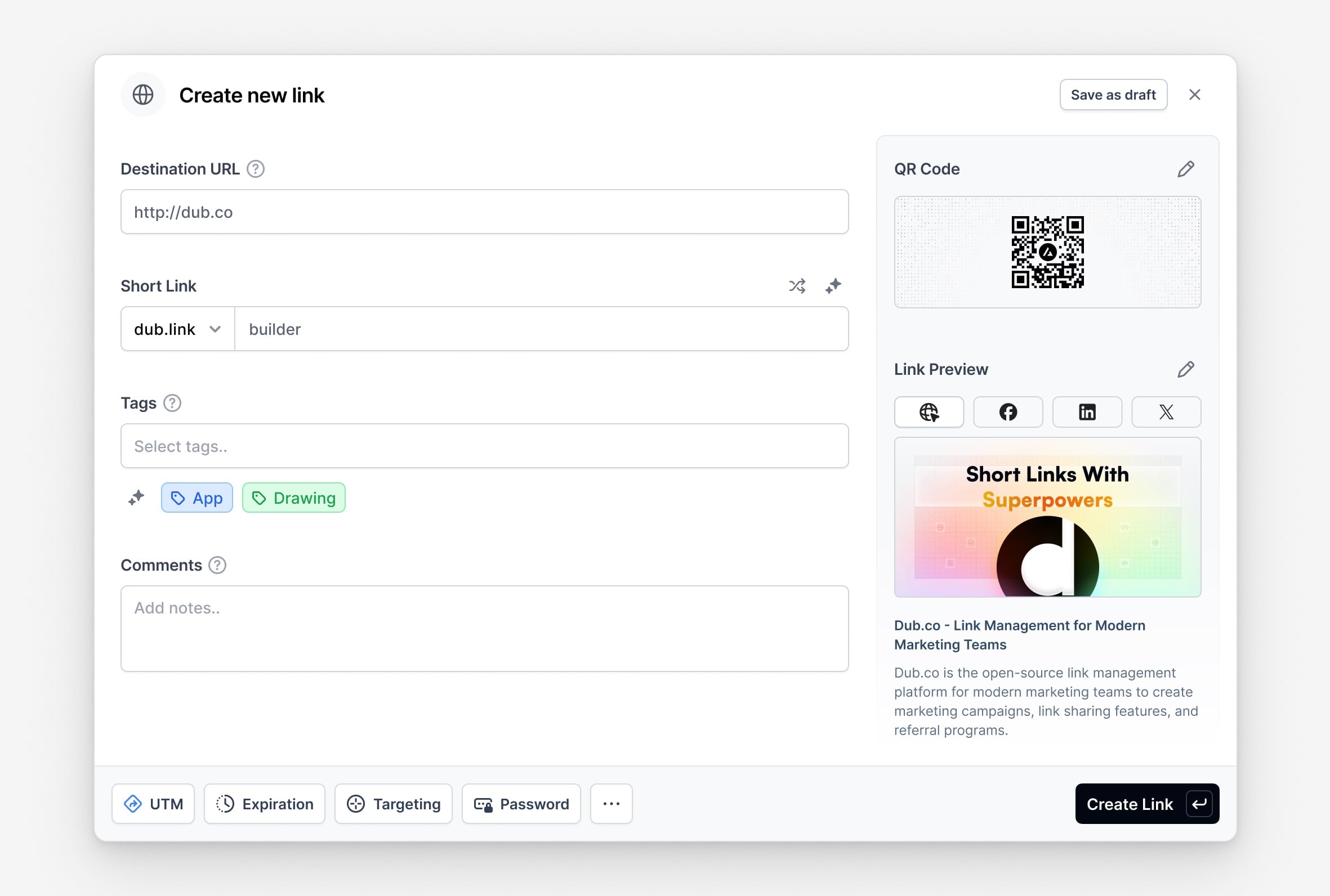
Image source: Dub
FAQ
Are Dub limitations a dealbreaker for most people?
No. They are mostly a dealbreaker for people who want a lot from the free plan or who need a totally different kind of tool.
Is Dub too advanced for beginners?
Not really, but beginners may not need it yet. The interface is clean enough, though the value becomes much clearer once you already have campaigns or offers worth tracking.
Does Dub replace an all-in-one marketing platform?
No. Dub is much more focused than that, which is part of its appeal and part of its limitation.
Should you start with Dub now or wait?
Start now if you already care about attribution and can make use of the tracking data quickly. Wait if you are still at the stage where a cheaper all-in-one will move you further, faster.
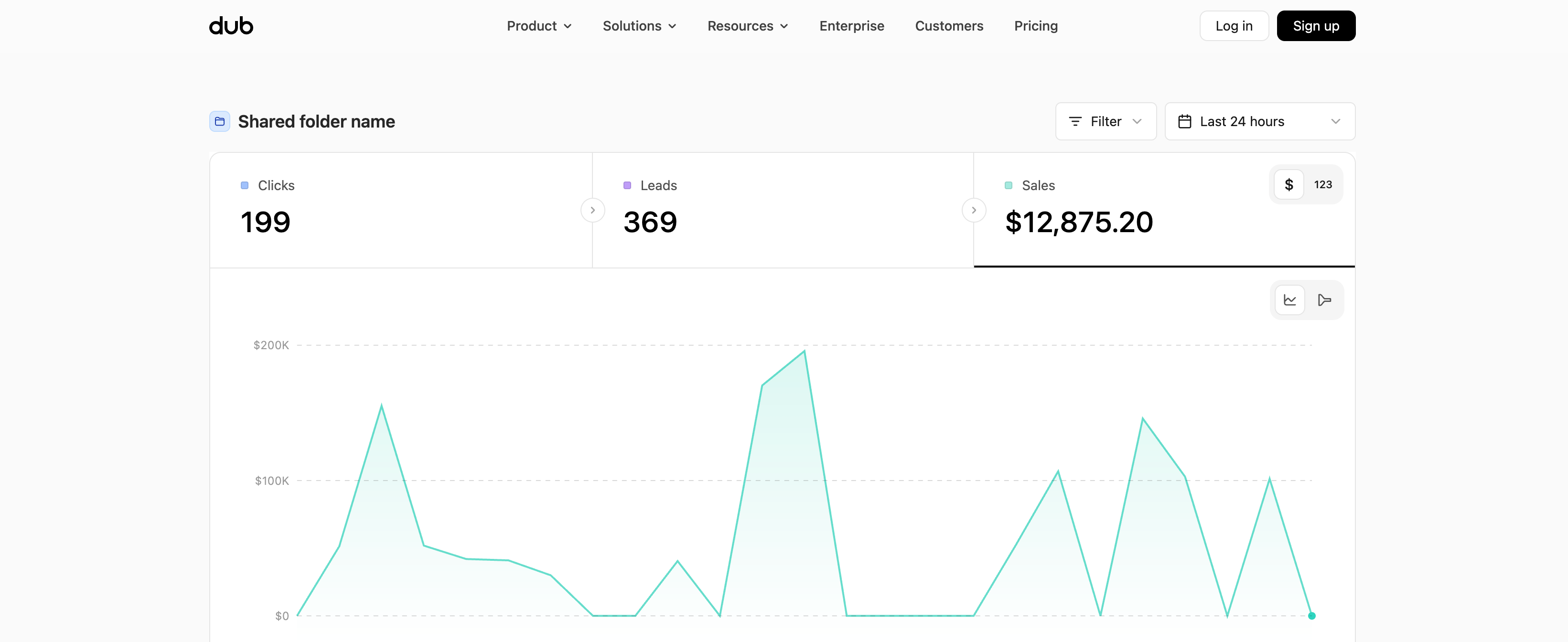
Image source: Dub
If your current setup feels messy and you want clearer attribution without buying an oversized platform, Dub is absolutely worth a look. If you are close to buying already, the easiest next step is to check the plan details and see whether the free tier is enough or whether one of the paid plans is where the real value starts.
Get started with Dub Filip Konecny Enterprises