
Dub looks like a smart buy when you need more than a basic link shortener. It starts making sense when you want branded links, cleaner attribution, and partner tracking in one place instead of patching together Bitly, spreadsheets, payout workflows, and a separate affiliate tool.
It is not the obvious choice for everyone. If you only need simple short links for a side project, Dub can feel like more platform than you need, and the paid plans make a lot more sense once clicks, campaigns, or partner activity actually matter to your business.
This review is built to help you decide fast. I’ll show you where Dub earns its price, where it feels like overkill, what the free plan actually gives you, and when a cheaper alternative is the smarter move.

Image source: Dub homepage
Article Outline
- My quick take on whether Dub is worth trying
- What you get in the free plan and trial stage
- The features that make Dub easier to justify
- Pricing, value, and when the cost starts making sense
- Dub vs cheaper and broader alternatives
- My final verdict
- FAQ
My quick take on whether Dub is worth trying
Dub is worth it for marketers, SaaS teams, and growth-focused businesses that care about what happens after the click. The platform combines short links, real-time analytics, conversion tracking, partner programs, webhooks, SDKs, and native integrations in a way that feels much closer to revenue tracking than basic link management.
The biggest reason to pay attention is simple: Dub can replace a messy setup. When your current system involves one tool for branded links, another for attribution, another for affiliate management, and manual cleanup around payouts or tracking, Dub starts looking less like “another subscription” and more like the tool that removes the mess.
The catch is price-to-need fit. The free plan is generous enough to test the product, but the advanced conversion side becomes much more useful on Business and above, so hobby users and tiny creators may never reach the point where the upgrade feels necessary.
See current pricingThat table tells the story pretty well. Dub is easy to like because the free plan is real, the product is broad enough to grow with you, and the platform does not stop at vanity click counts.
It becomes much easier to recommend when your business already has one of these: paid acquisition, affiliate traffic, influencer campaigns, newsletter sponsorships, or multiple channels that all need attribution. Once you care about linking clicks to leads, sales, or partner performance, waiting too long usually means you keep guessing with partial data.
It becomes harder to recommend when your needs are narrow. If all you want is a short branded URL and a basic click report, paying for a more advanced attribution setup too early is unnecessary, and that is exactly why the alternatives section later matters.
Dub also looks stronger because it is not trying to be only one thing. The official documentation makes it clear that the platform spans short links, conversion analytics, partner programs, webhooks, and SDKs, while the current pricing page shows a ladder that starts small and moves into serious team use as you need more retention, tracking volume, and integrations.
The broader market feedback is encouraging too. Dub currently holds strong user sentiment on G2, where buyers repeatedly praise the product for ease of use, setup, tracking, and support, which matters because tools like this can die fast if the workflow feels annoying after a week.
My early answer is yes, Dub is worth it for the right buyer. The rest of this review is really about one thing: figuring out whether you are that buyer right now, or whether you should hold off and keep it on your shortlist until your tracking needs catch up.
What comes next in this review
Next, I’ll break down what you can actually test before paying seriously, which features make Dub better than a plain short-link tool, and where the price starts to feel justified instead of annoying. After that, I’ll compare it with cheaper and broader options so the final decision feels obvious, not forced.
What you get before you pay seriously
Dub does not really pitch a classic “7-day test and hope you rush to buy” trial. The smarter way to look at it is a real free plan that lets you see whether the product fits your workflow before you move up to Pro or Business.
The free plan is usable. You get 1,000 tracked events a month, 25 new links a month, 3 custom domains, API access, QR codes, 30-day analytics retention, and no credit card requirement, which is enough to test branded links, basic attribution, and whether the dashboard feels good to use.
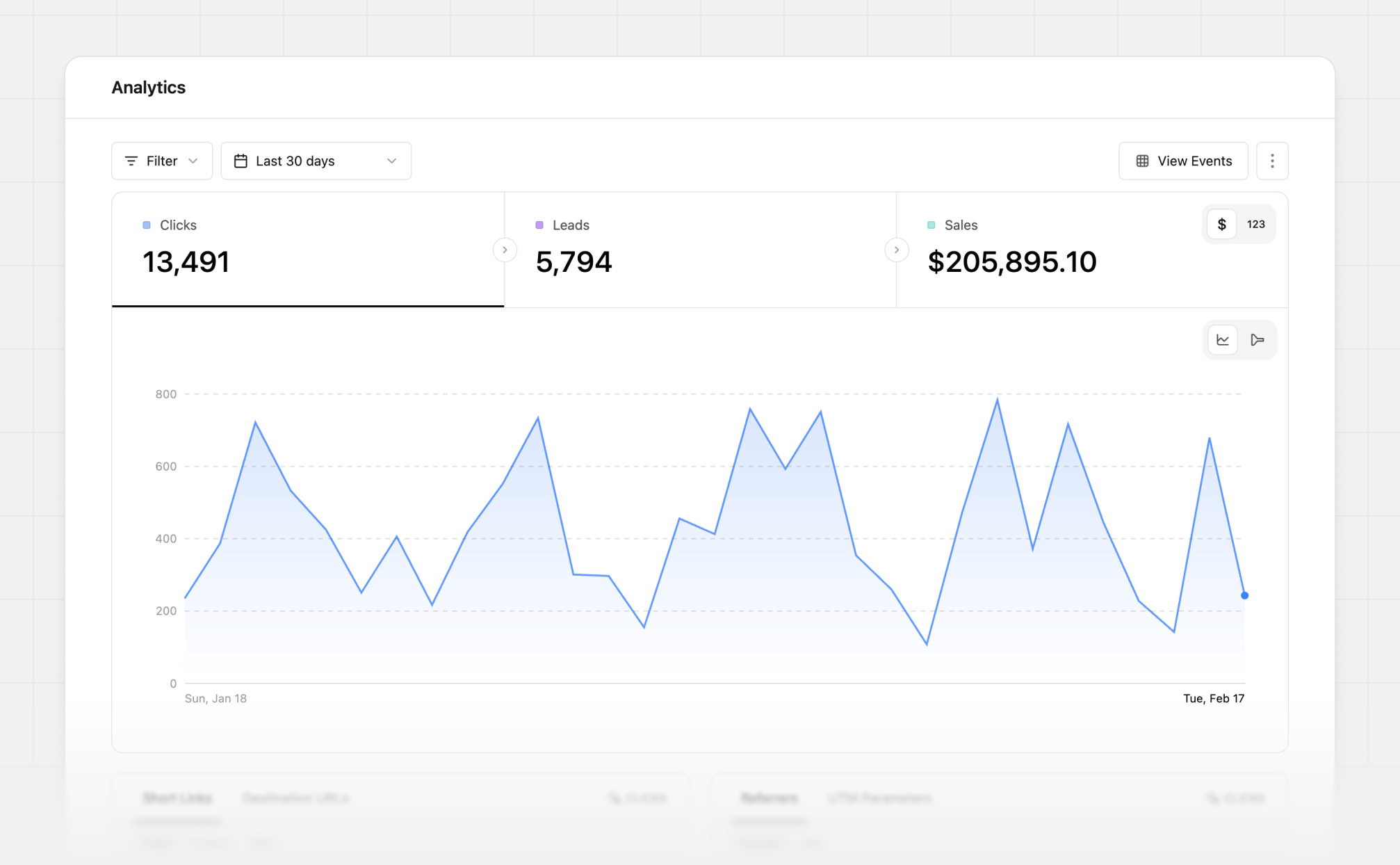
Image source: Dub analytics guide
That is why Dub is easier to recommend than tools that hide the useful parts until after the paywall. You can see the analytics view, create branded links, connect domains, and judge the interface without committing money first.
The catch is simple. If you want conversion tracking tied to signups, sales, customer insights, webhooks, or partner program infrastructure, the free plan is only the starting point, not the full experience.
For someone deciding whether Dub is worth it, that matters a lot. You can validate the product feel for free, but the stronger revenue-side features start on Business, so the buying decision comes down to whether you only need link management or whether you need attribution that actually follows money.
The good stuff
Dub gets more interesting once you look past “short links.” The real selling point is that it moves from link creation into attribution, which makes it far more useful for campaigns where clicks alone are not enough.
The link builder is one of the clearest strengths. You get UTM support, custom link previews, deep links, password protection, expiration, device targeting, geo targeting, and built-in QR codes, so one tool can cover a lot of the annoying link work that usually gets split across several apps.

Image source: Dub creators page
The analytics are where Dub starts earning attention. The official analytics pages show real-time reporting, referrer data, device breakdowns, geography, QR scan tracking, sharable analytics, and filters that go deeper than the click totals you get from basic shorteners.
Business is where the platform turns from “nice link tool” into something closer to growth infrastructure. Conversion tracking, customer insights, event webhooks, and native integrations with tools like Stripe, Shopify, HubSpot, and Segment make it easier to see what a click actually became.
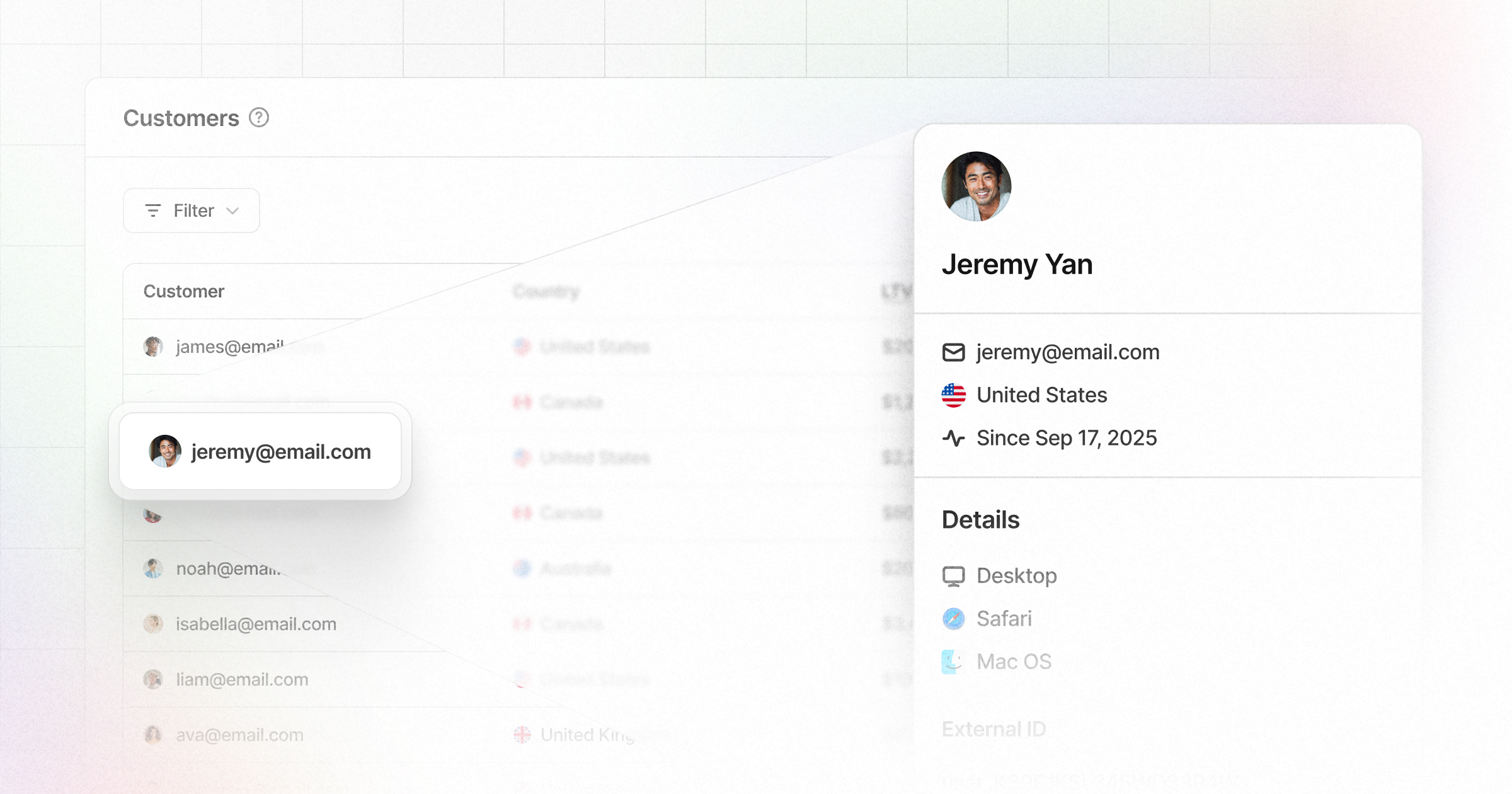
Image source: Dub customer insights guide
That is a big reason Dub can be worth the upgrade. You stop asking “how many people clicked?” and start asking “which links, partners, and campaigns actually turned into users and revenue?”
The partner side is also stronger than most people expect. Dub Partners adds referral and affiliate infrastructure, one-click or automated global payouts, tax handling, flexible reward structures, fraud controls, dual-sided incentives, and an embedded referral dashboard, which is a serious upgrade from trying to run referrals from spreadsheets and manual Stripe transfers.

Image source: Dub Partners overview
Here is the honest limitation. If you do not need partner programs, conversion events, customer-level attribution, or API-driven workflows, some of this will sit there unused, and unused features do not make a tool worth more.
Pricing, value, and when the upgrade makes sense
Dub’s pricing makes the most sense when you read it as a ladder. Free is for testing, Pro is for serious branded link management, and Business is where you pay for revenue tracking and partner infrastructure rather than prettier URLs.
Pro starts at $25 a month on annual billing. Business starts at $75 a month on annual billing, and the jump is big enough that you should only take it when conversion tracking, customer insights, A/B testing, event webhooks, or Dub Partners will actually be used.
Check the official free trialFree is enough to answer one question: do you like Dub? Pro answers the next one: do you need serious branded link management? Business answers the expensive question: are clicks, leads, referrals, and payouts important enough to justify a more advanced setup?
This is also where comparison matters. If you mainly need funnels, CRM, and automation, GoHighLevel can make more sense because it is broader, while ClickFunnels is the better fit if your priority is building sales funnels, not managing attribution-heavy links.
If price is your main objection and you just want a simpler all-in-one business builder, Systeme.io is easier on the budget. If you mainly care about scheduling content and basic link sharing around social, Buffer is simpler, but it is not trying to do what Dub does on attribution and partner tracking.
Why buying now can make sense
Dub is easiest to justify when your current setup already feels messy. If you are patching together branded links, analytics, referral tracking, and payout admin by hand, waiting usually means more manual work and weaker visibility into what is actually driving revenue.
The smart move is not “buy because software is exciting.” The smart move is to start free, prove the workflow, then upgrade once your links are tied to campaigns, signups, sales, or partner activity that you actually care about.
For the right buyer, that upgrade is not hard to defend. Dub becomes worth it once better attribution saves time, replaces a couple of weaker tools, or helps you see which traffic sources deserve more budget and which ones should stop getting it.
If you are already running growth campaigns, creator partnerships, affiliate links, or product referrals, I would not wait too long. This is exactly the kind of tool that starts paying for itself once the numbers behind your links begin affecting real decisions.
Explore Dub if you want to see whether your current link stack is costing you more time than it should.
Dub vs the alternatives
Dub is not trying to be your funnel builder, your CRM, and your social scheduler all at once. That is exactly why it can feel either sharply useful or a little too specific, depending on what you need right now.
If you mainly care about branded links, attribution, customer-level tracking, and partner programs, Dub has the cleaner story. If you need a broader all-in-one marketing stack or a cheaper tool that does more general business setup, one of the alternatives below may fit better.
Image source: Dub creators page
Check the official free trialChoose Dub if you want a specialist tool for links, attribution, referrals, and partner payouts. Choose Systeme.io if you want the cheaper all-in-one route, and choose GoHighLevel if you need a much broader client or agency stack.
Choose ClickFunnels when the real job is funnel building and selling. Choose Buffer when social publishing is the core need and deeper attribution is not the priority.
Image source: Dub analytics guide
My honest take
Dub is worth it if clicks alone are no longer enough for you. The platform gets much more compelling once you need to connect links to signups, sales, partner performance, and actual revenue instead of staring at a basic click counter.
The strongest part of Dub is focus. It does not try to be everything, and that makes it easier to understand than bigger all-in-one tools that bury attribution inside a much larger product.
The weakest part is also focus. If your business is still early and you do not have enough traffic, campaigns, or partner activity to justify customer insights, conversion tracking, or payout workflows, you can absolutely wait and keep using a simpler setup for a while.
I would not wait if you already run paid traffic, creator partnerships, newsletter placements, affiliate campaigns, or product referrals. Once real money is tied to your links, weak tracking starts costing you more than the subscription does.
For the right buyer, Dub feels like a smart next step instead of a risky one. It is especially easy to like because you can start free, confirm the workflow, and only upgrade when the attribution side becomes worth paying for.
Image source: Dub Partners page
My bottom line is simple. Dub is a strong buy for marketers, SaaS teams, and growth-focused brands that want cleaner attribution around links and partnerships, and it is an easy skip for people who only need a cheap shortener.
FAQ
Is Dub worth it for beginners?
Yes, but only if you are learning on a real project. The free plan is good for getting comfortable with the product, but the paid plans make more sense once you have enough activity to care about tracking beyond clicks.
Can Dub replace other tools?
It can replace parts of your stack, not your entire stack. Dub can cover branded links, attribution, QR codes, conversion tracking, and partner program infrastructure, but it will not replace a full funnel builder like ClickFunnels or a broader operating system like GoHighLevel.
Is Dub too expensive?
It can feel expensive if you only need basic short links. It feels much more reasonable when better attribution helps you cut wasted spend, understand partner performance, or avoid juggling several weaker tools.
Should you start now or wait?
Start now if your links already affect revenue decisions. Wait if you are still so early that a free or cheaper all-in-one tool like Systeme.io covers what you need without extra complexity.
Get started with Dub Filip Konecny Enterprises