
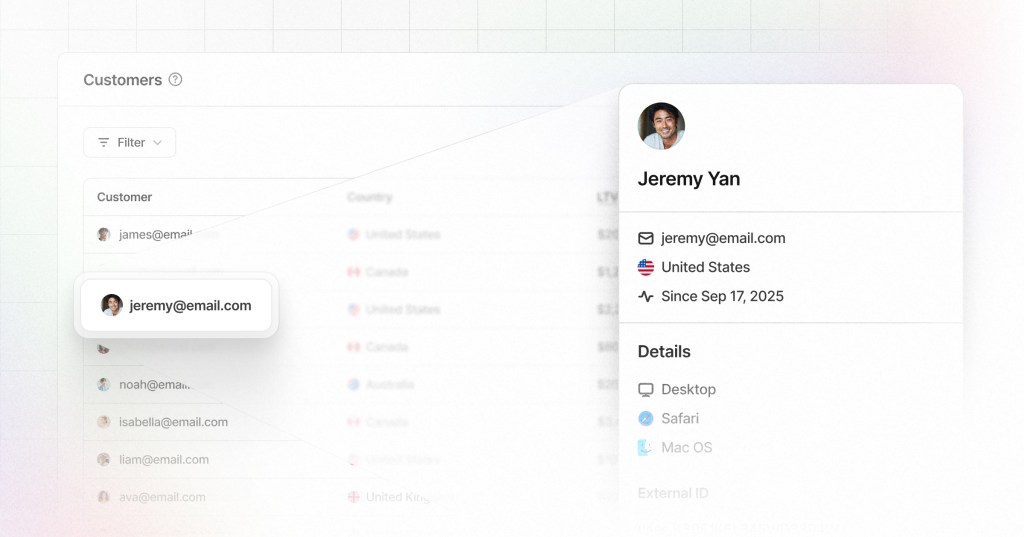
Dub looks cheap at first, then you notice the real question is not whether you can afford it. The real question is whether you need a basic link shortener or a tool that can actually show what happens after the click.
That is why the pricing matters more than the sticker price. If you only need a few branded links, Dub can feel generous fast, but if you want deeper analytics, conversion tracking, and something your team can actually build on, the cost starts making a lot more sense.
This review is here to help you make the call before you waste time setting everything up. You will see who should try Dub now, who should wait, and where a simpler option may be the smarter move.
Article outline
- Part 1: quick verdict, who Dub is for, and the cost snapshot
- Part 2: what you get in the free plan, the good stuff, pricing, and why buying sooner can make sense
- Part 3: alternatives, final verdict, FAQ, and the best next step
My quick verdict
Dub is easy to like if your current setup is messy. It covers branded short links, analytics, custom domains, and partner or referral use cases in one place, which means the monthly price can replace more tools than it first appears.
The catch is simple. If all you want is a basic shortener for a few links, you probably do not need to pay for Dub yet, but if you care about attribution, cleaner reporting, or building link infrastructure you will not outgrow in a month, Dub is worth a serious look.
The free plan is generous enough to test whether it fits your workflow. The paid plans become much easier to justify once you need more tracked events, more links, longer analytics retention, or features like conversion tracking and API-powered analytics.
Who this makes sense for
Dub makes the most sense for marketers, creators, SaaS teams, and startups that care about what happens after somebody clicks a link. If you are sending traffic from social, email, partnerships, or affiliate campaigns and you want cleaner attribution, Dub is built for that job.
It also makes sense if you hate stitching tools together. Dub offers short links, real-time analytics, custom domains, integrations, and partner-program functionality on the same platform, which is a lot more appealing than juggling one tool for short links, another for conversion tracking, and a third for referrals.
Dub is not the best fit for everyone. If you only need a handful of simple links and you do not care about deeper analytics, you may be better off waiting or using a lighter option until your traffic and tracking needs become real.
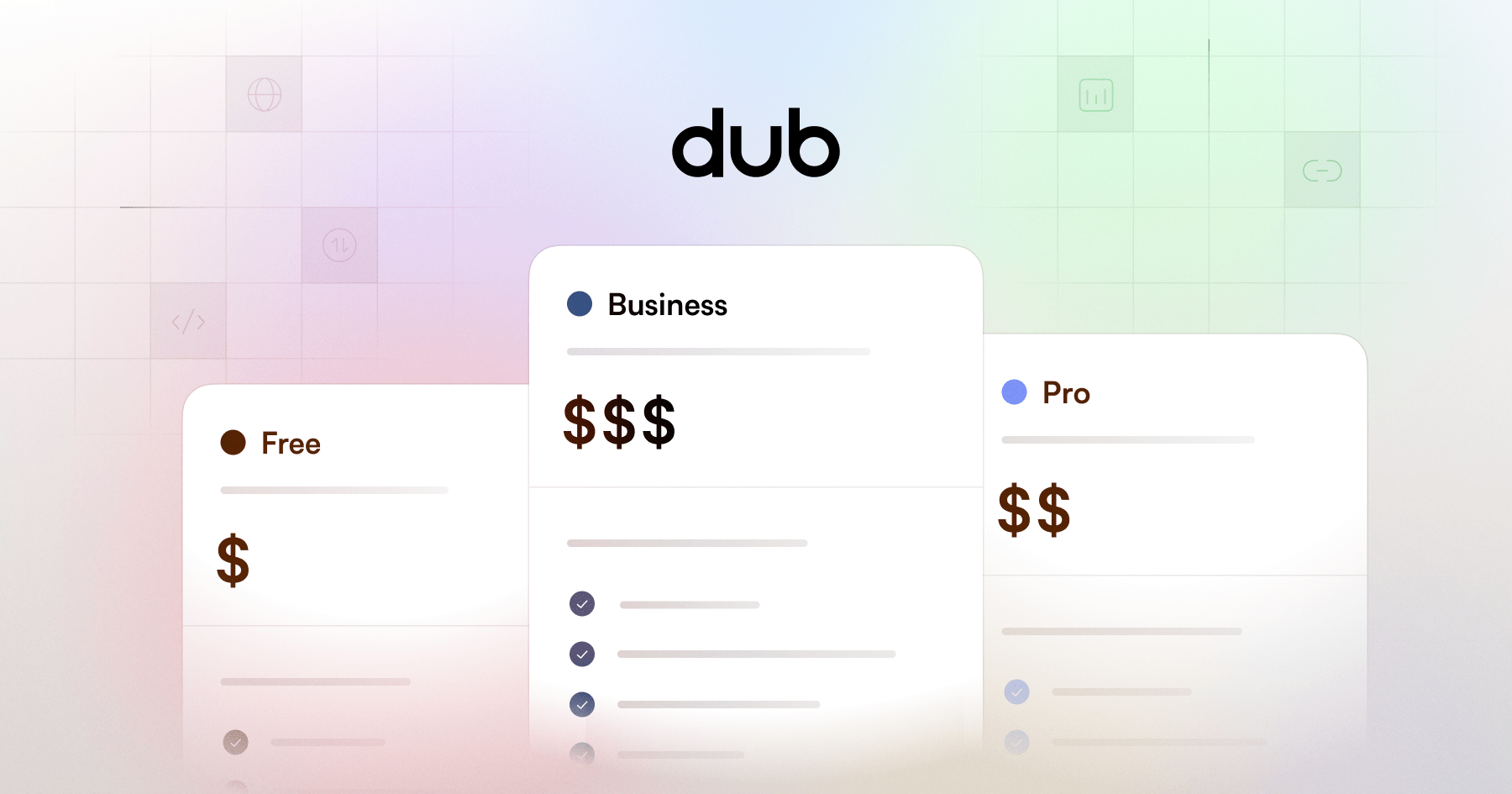
Image source: Dub pricing update
Dub cost at a glance
The pricing structure is pretty easy to understand once you strip away the marketing language. Free is enough for testing, Pro is where it starts feeling like a serious tool, and Business is where the platform becomes much more attractive for revenue tracking.
That pricing ladder is what makes Dub feel fair. You can test it without paying, then upgrade only when your marketing actually needs more than branded short links and surface-level click counts.
Should you even bother trying it?
Yes, if you already have traffic, campaigns, or offers running. Dub becomes much easier to justify when you are losing time to messy link tracking, weak attribution, or scattered data across other tools.
Probably not yet if you are still at the stage where you do not even know what you want to track. Software gets expensive when you buy it before the problem is real, and Dub is much more valuable once you actually need cleaner data and better campaign visibility.
For the right buyer, waiting too long can slow things down. You keep using ugly links, guessing which channel is working, and patching together manual reporting instead of building on a platform that already handles the basics well, so starting with Dub now makes the most sense when you are ready to track growth properly.
What you get before you pay
Dub gives you enough on the free plan to decide whether the cost is justified later. You get 1,000 tracked events per month, 25 new links per month, 1 user, 30-day analytics retention, 3 custom domains, QR codes, API access, and real-time analytics.
That is a solid starting point if you want to test branded links and basic attribution without putting a card down. It is not enough for heavy campaigns, but it is enough to see whether Dub fits your workflow before you spend anything.
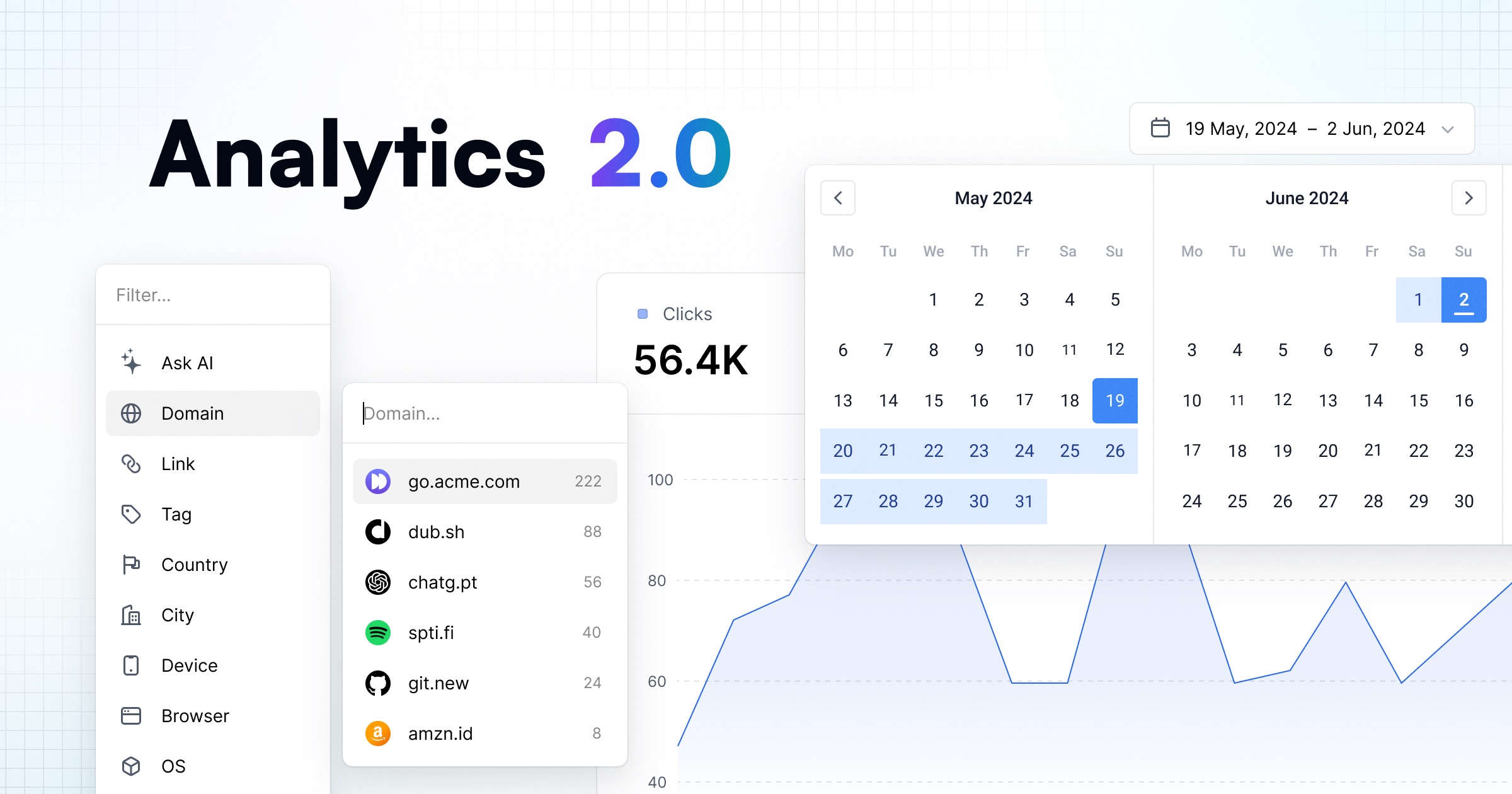
Image source: Dub
That matters because a lot of tools look affordable until you realize the cheap plan barely lets you test anything useful. Dub at least gives you a real feel for the product, which makes the upgrade decision easier and a lot less annoying.
The good stuff
Dub gets more interesting once you stop thinking of it as just a link shortener. The paid plans stack real attribution features on top of branded links, so you can move from “people clicked” to “this campaign actually drove signups, sales, or revenue.”
The Business plan is where that shift becomes obvious. That is the tier that adds conversion tracking, A/B testing, customer insights, and event webhooks, which is why the Dub cost feels much easier to justify for a business already spending money to get traffic.
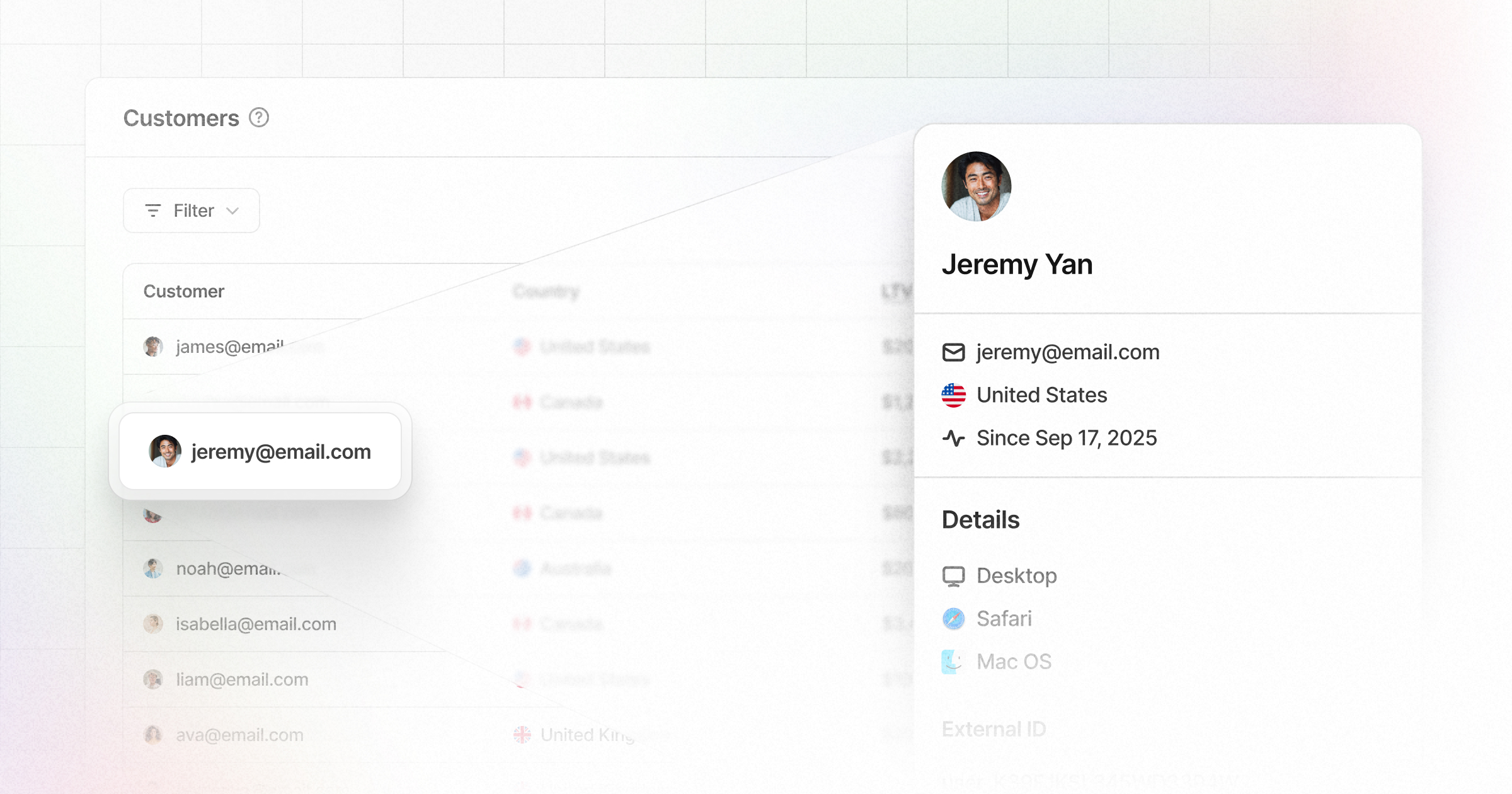
Image source: Dub
Customer insights are a good example of the payoff. Instead of just counting clicks, you can see who came in, what they did, and how much value they generated over time, which is a lot more useful than staring at raw click numbers and guessing.
The public dashboard sharing is also smarter than it sounds. If you report to clients, teammates, or partners, being able to share analytics cleanly without giving full workspace access saves time and makes the tool feel more polished than a lot of cheaper options.
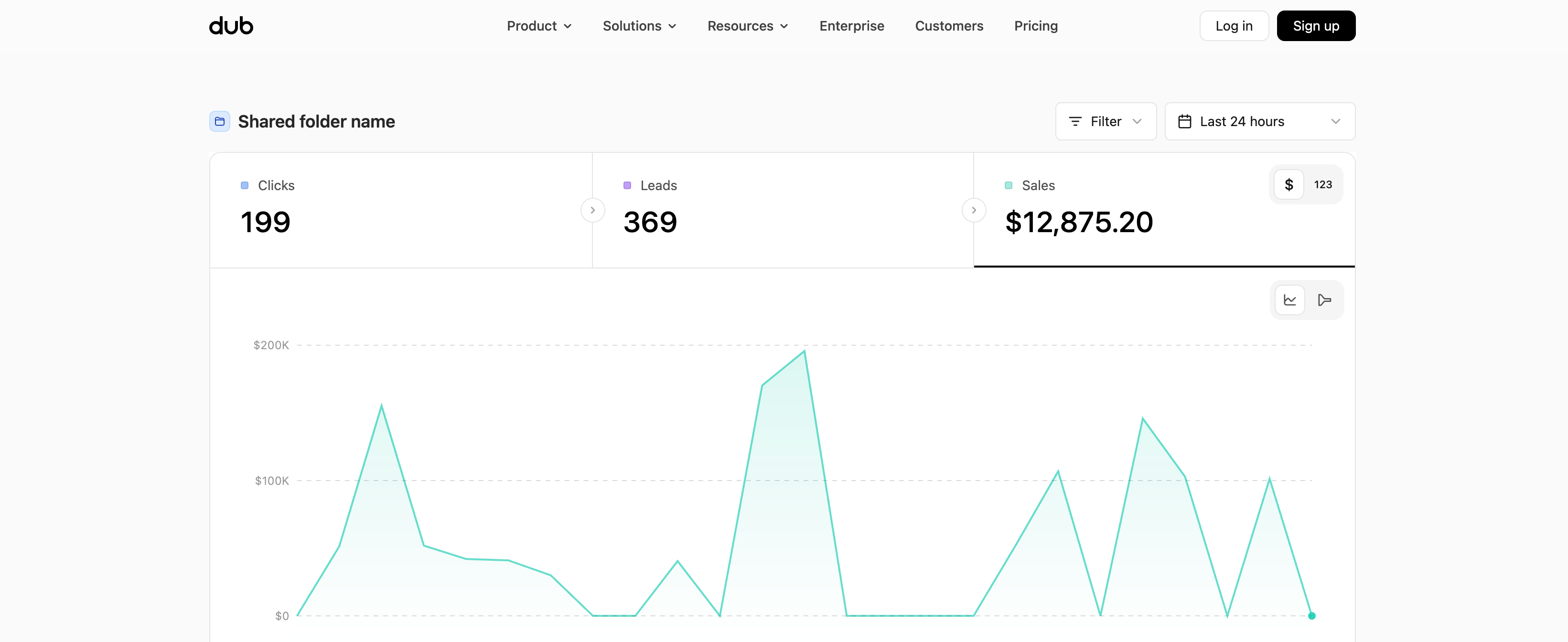
Image source: Dub
Here is the catch. If you do not care about attribution, customer data, or partner tracking, a lot of this will feel like extra software you do not need yet. Dub earns its price when you want better decisions from your traffic, not just prettier short links.
Pricing and how it stacks up against broader tools
Dub starts free, moves to $25 a month on Pro, then $75 a month on Business when you need conversion tracking and customer insights. That puts it in an interesting spot because it is cheaper than broad all-in-one tools, but more specialized around links, attribution, and partner growth.
That also means you should not compare it like a funnel builder or CRM. Dub is the better buy when link-level attribution is the real problem, while broader tools can make more sense if you want funnels, email, CRM, booking, and automation bundled together.
See current pricingThat table is the practical buying decision. Dub is the smarter choice when your link data is the missing piece, Systeme.io is the cheaper move if you need a beginner-friendly all-in-one setup, and GoHighLevel makes more sense if you run an agency and want a much broader stack.
Why buying now can make sense
Dub is worth paying for once manual tracking starts costing you more than the software. If you are pushing traffic from social, email, partnerships, or creators and still piecing together results from spreadsheets and screenshots, you are already paying for the mess in lost clarity.
That is why the Dub cost can be easier to justify than it first looks. Better attribution helps you cut weak campaigns faster, double down on strong ones sooner, and stop making decisions off click volume alone.
You probably should wait if you are still figuring out your offer, your channels, or whether anyone is clicking at all. You probably should move now if traffic is already flowing and you are tired of guessing what is actually working.
For the right buyer, this is absolutely worth trying. Get started with Dub if you want better link tracking without jumping straight into a bulky all-in-one platform.
Alternatives worth looking at before you decide
Dub is not the automatic winner for everybody. It is strongest when you care about branded links, attribution, conversion tracking, or partner programs, but weaker when you want a full marketing stack or just the most basic shortener.
That is why the smartest move is comparing it against a few real alternatives. If Dub cost feels fair only when it replaces enough manual tracking work, this table will make the decision a lot easier.

Image source: Dub
Explore DubChoose Dub if attribution is the missing piece and you already have traffic worth measuring properly. Choose Systeme.io if budget is tight and you need a cheaper all-in-one, and choose GoHighLevel if you want a broader agency operating system and are fine paying a lot more for it.

Image source: Dub
My honest take
Dub is worth paying for if you already care about campaign attribution and you are tired of guessing what clicks turned into. The price feels reasonable when you look at what it can replace: ugly spreadsheets, weak reporting, scattered short-link tools, and manual partner tracking.
It is not a must-buy for beginners. If you are still validating an offer or barely getting traffic, Dub can wait because better attribution does not matter much before you have enough activity to measure.
For the right buyer, Dub cost is easier to justify than it first looks. Pro is a sensible upgrade once the free plan starts feeling tight, and Business is the tier that starts to earn its keep if conversion tracking, customer insights, and partner programs are part of how you grow.

Image source: Dub
FAQ
Is Dub free to use?
Yes. Dub has a free plan with 1,000 tracked events per month, 25 new links per month, 1 user, 30-day analytics retention, and a few custom domains, so you can test it before paying.
When should you upgrade?
Upgrade when you hit the free limits or when you actually need better analytics retention, more tracked events, advanced link features, or conversion tracking. That usually happens once campaigns are live and you need cleaner answers fast.
Is Dub better than Bitly?
Dub looks better if you want modern attribution features and partner growth tools alongside short links. Bitly still makes sense if you mainly want a simple, familiar shortener and do not need Dub’s broader tracking layer.
Is Dub overkill for small businesses?
Sometimes, yes. A small business with light traffic and simple link needs can stay on the free plan or use a simpler tool longer, but a small business that already runs campaigns, partnerships, or creator promotions can get value from Dub much sooner.
Should you start now?
Start now if you already have something worth tracking and you want to stop making marketing decisions off shallow click counts. Wait if your traffic is tiny, your offer is still shaky, or you need a broader all-in-one system more than a link attribution tool.
Dub is a strong buy for the person who is already moving and wants cleaner data, not more guesswork. Check the official free trial if you want to see whether the jump from basic link tracking to real attribution is worth it for your setup.
Get started with Dub Filip Konecny Enterprises