

If you are searching for the Dub best alternative, you are probably already annoyed by one of two things: weak analytics or a link tool that feels bigger, pricier, and clunkier than it should. Dub gets attention because it does more than shorten links. It also tracks conversions, supports branded domains, and now pushes hard into affiliate and referral programs.
That combination makes Dub more interesting than a basic URL shortener, but it also means it is not automatically the right pick for everyone. If you just need a few short links each month, Dub can be more tool than you need. If you care about attribution, partner tracking, or replacing a stack of separate tools, it starts to look much smarter.
This review is built to help you make that call fast. You will see where Dub is strong, where cheaper options still win, and whether starting with Dub now makes sense or whether you should wait.
Is Dub actually worth a serious look?
Yes, for the right buyer. Dub stands out because it mixes short links, branded domains, analytics, conversion tracking, API access, QR codes, and partner program features in one platform instead of treating link shortening like a tiny standalone utility.
That matters if your current setup is messy. When you are stitching together a shortener, spreadsheets, UTM tracking, and a separate affiliate platform, Dub starts saving time in a way that is easy to feel once campaigns get bigger.
The catch is simple. If you only want a cheap link shortener and you do not care about attribution or partner growth, some alternatives are easier to justify on price alone.
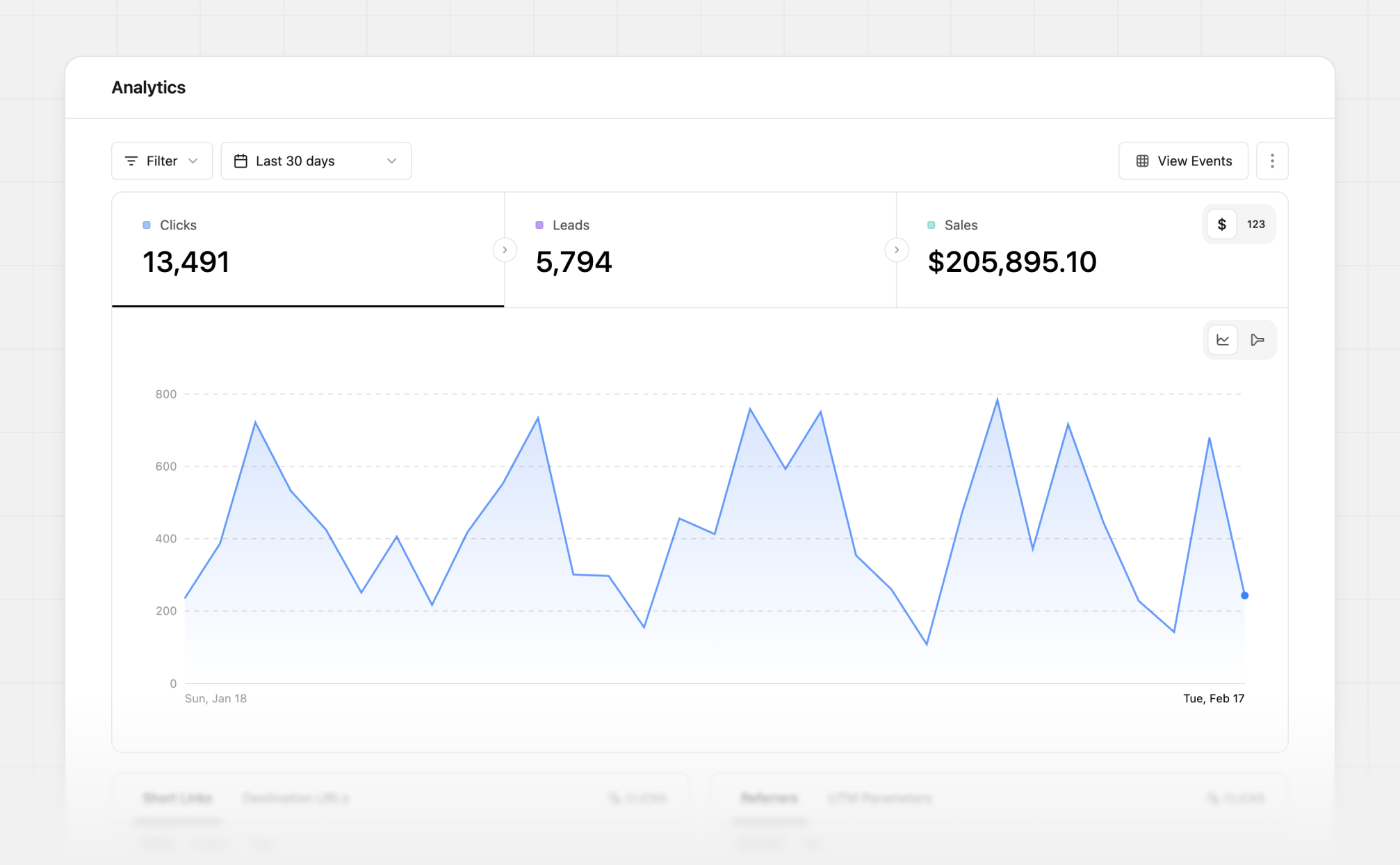
Image source: Dub
The screenshot above shows why Dub feels different from a basic shortener. It is built around performance data, not just link creation, which is a big reason people consider it when Bitly or Rebrandly starts to feel limited.
Explore DubArticle outline
I split this review into three clean sections so you can jump straight to the part that matters most. If you are already leaning toward a trial, the next section is where the buying decision gets much easier.
- Start here: Is Dub actually worth trying? and this quick market snapshot.
- Then look at the money and features: what you get in the free plan, the good stuff, pricing and value, and why buying now may make sense.
- Finish with the decision: alternatives, final verdict, and FAQ.
Who should keep reading?
Keep going if you run campaigns where clicks alone are not enough. Dub is much more attractive when you want to know which links drove leads, sales, or partner revenue instead of just seeing that traffic happened.
Keep reading if you are comparing it with Bitly, Rebrandly, or Short.io and you want to know whether Dub really earns the switch. You should also keep going if you are building a referral or affiliate motion and want to avoid adding another separate platform later.
You can probably skip Dub if you just need a dead-simple shortener for occasional personal links. In that case, a lighter or cheaper tool may be the smarter move, and I will show those cases clearly later in the review.
What you get in the free plan
Dub gives you enough on the free plan to see whether it fits your workflow without forcing an instant upgrade. You get 25 new links per month, 1,000 tracked events per month, 3 custom domains, QR codes, API access, UTM templates, and 30 days of analytics retention.
That is a better starting point than a lot of people expect. Bitly’s free plan is much tighter on monthly link creation, and Rebrandly’s free plan is easier to outgrow if you are publishing often or testing more than a few campaigns at once.
The main limit is volume, not basic usefulness. If you run light campaigns and mostly want to see how branded links, click tracking, and simple reporting feel inside one tool, Dub gives you a real test drive instead of a fake teaser.

Image source: Dub
The dashboard above shows the kind of interface you are actually getting. It looks clean, but more importantly it looks built for people running real campaigns instead of dumping every link into one messy list.
Check the official free trialThat plan table also shows where Dub starts to earn its price. Free is enough to explore, Pro is where it becomes usable for regular marketing work, and Business is where the platform shifts from link management into attribution and partner growth.
The good stuff
Dub is easy to understand because the product focus is tight. It is not trying to be your CRM, your page builder, your email tool, and your booking app all at once. It wants to own links, attribution, and partner-driven growth.
That focus is a real advantage if you already have a stack you like. You can add Dub to campaigns without ripping everything else out, which is a lot less painful than switching into a huge all-in-one system just because your link tracking feels weak.

Image source: Dub
The link builder is a good example. You can see the short link setup, QR code, tags, and conversion tracking in one view, which makes the product feel less fragmented than tools that hide useful settings behind three different menus.
Analytics are another strong point. Dub is built around the idea that clicks alone are not enough, and that matters if you are paying for traffic or trying to prove that a partner, creator, or campaign actually brought revenue.

Image source: Dub
That funnel view is the part that will matter most to serious buyers. If you are choosing the Dub best alternative because you are tired of vanity metrics, this is the kind of reporting that makes the switch feel justified.
Dub also gets more interesting if referrals or affiliates are part of your growth plan. A lot of link tools stop at shortening and branded domains, while Dub keeps going into program management, payouts, and partner visibility.

Image source: Dub
That does not mean everyone needs Dub Partners right now. It means the platform gives you room to grow into affiliate or referral workflows later instead of forcing another migration when simple short links stop being enough.
Here is the catch. Conversion tracking is not on the free plan, and some of the more serious attribution and partner features live higher up the pricing ladder. Beginners can still use Dub, but some of its best stuff is clearly aimed at teams already running active campaigns.
Pricing and value compared to other tools
Dub is not the cheapest option in the broader marketing software market, but it does not need to be. The value case is stronger when you compare it to what you would otherwise patch together for branded links, attribution, QR codes, and partner tracking.
If you want a broad all-in-one marketing system, GoHighLevel starts at a much higher monthly cost, but it also includes CRM, funnels, scheduling, automation, and client account management. That makes it better for agencies or businesses trying to centralize nearly everything, not for someone who mainly wants a cleaner, smarter link and attribution layer.
If your budget is tight and your needs are basic, Systeme.io is easier to justify because it has a free entry point and broader funnel-building value. The tradeoff is that it is not a direct Dub replacement for link attribution and partner analytics, so the cheaper price only wins if you do not care much about that difference.
If your real need is social scheduling rather than campaign attribution, Buffer is the better fit. Buffer is cheaper, lighter, and easier for publishing content, but it is solving a different problem than Dub.
Dub becomes the smart buy when your current setup already works except for tracking, branded links, or partner visibility. In that situation, adding Dub is usually cleaner than moving your whole business into a bigger system just to fix one weak spot.
Why buying now can make sense
Waiting only makes sense if you are still too early to use the data. If you are not running campaigns, not sharing links often, and not tracking outcomes yet, you can wait and keep the free plan or use a lighter tool.
Buying now makes more sense when you already have traffic, offers, or partners in motion. Every month you delay usually means more clicks with weak attribution, more campaign guessing, and more time spent cleaning up tracking by hand.
Dub is strongest for people who are already doing enough marketing to feel the pain of messy links and shallow reporting. If that sounds like you, Dub is worth a real look now, not six months from now when the tracking problem is bigger and harder to untangle.
Alternatives worth looking at before you decide
Dub is not the only solid option here, and that is a good thing for you. A smart review should show where Dub wins, where a cheaper tool is enough, and where a broader all-in-one platform may make more sense.
The big split is simple. Some tools are mainly for branded short links, some are built for deeper attribution, and some try to run a big chunk of your marketing stack in one place.
Image source: Dub
That dashboard matters because Dub feels clean where a lot of link tools start to feel stale. If your current setup is bloated, old-looking, or annoying to work in every day, Dub has a real edge before you even get into the analytics.
Explore DubChoose Dub if you want the cleanest mix of branded links, attribution, and future affiliate upside without jumping into a giant all-in-one tool. Choose Short.io or Rebrandly if lower cost and classic link management matter more than partner analytics, and choose GoHighLevel if you want your CRM, funnels, and automation living together even if that means more setup and a much higher monthly bill.
Image source: Dub
That funnel view is the main reason Dub can justify costing more than the cheapest link tools. You are not just making links prettier. You are getting a clearer view of what those links actually produce.
My honest take
Dub is a strong buy for the right person. It makes the most sense when you already have traffic, campaigns, creators, or partners in motion and you want better data without rebuilding your business around a huge new platform.
It is not the best choice for everyone. If you only need a few short links every month, or you mostly care about the cheapest branded-link plan possible, Short.io or Rebrandly can be easier to justify.
Dub wins when you want more than link shortening but less than an all-in-one beast. That middle ground is exactly why it feels like the Dub best alternative for people leaving Bitly-style tools and wanting something cleaner, sharper, and more useful.
Image source: Dub
The builder above shows why setup does not look intimidating. You can create the link, see the QR code, manage the preview, and turn on conversion tracking in one place instead of bouncing across multiple screens.
That matters if you are worried the switch will be annoying. Dub looks like a product built for speed, and that alone makes it easier to recommend than tools that still feel stuck in an older SaaS era.
Image source: Dub
This is where Dub stretches beyond normal link tools. If affiliate or referral growth is even slightly on your roadmap, Dub looks more future-proof than tools that stop at shortening, QR codes, and basic click stats.
You do not need that feature set on day one. You just might appreciate not having to migrate again later.
FAQ
Is Dub better than Bitly?
Dub looks stronger if you care about branded links, cleaner UX, and conversion-oriented tracking. Bitly still works for basic shortening, but Dub feels more modern and more useful once performance data starts to matter.
Is Dub too much for beginners?
Not really, but it can be more than some beginners need. If you are just publishing a few links and do not plan to track outcomes yet, a simpler or cheaper tool can be enough until your marketing gets more serious.
Should I choose Dub or a cheaper link shortener?
Choose the cheaper option if all you need is branded links and light analytics. Choose Dub if you want the link tool to become a real attribution layer instead of a small utility you outgrow fast.
Should I choose Dub or GoHighLevel?
Pick Dub if your stack already works and you just need better links, tracking, and possible partner growth. Pick GoHighLevel if you want a much broader system for CRM, funnels, automations, and client management.
Should you start now or wait?
Start now if you already have traffic, campaigns, or partners and your current tracking feels weak. Wait if you are still too early to use the data, because the value shows up once clicks start turning into decisions you need to measure.
Should you start with Dub now?
Yes, if you are already doing enough marketing to feel the pain of weak attribution. That is when Dub stops looking like just another link tool and starts looking like a smart upgrade.
No, if you are barely publishing links and mostly want the cheapest option possible. You can wait, keep things simple, and come back to Dub when tracking starts affecting real decisions.
For the right buyer, Dub is absolutely worth trying. If that sounds like you, check the official option below and see whether the platform feels as clean and useful in practice as it looks on paper.
Get started with Dub Filip Konecny Enterprises