
If you’re searching for a Dub alternative to Voluum, you’re probably not looking for “another tracker” in the abstract. You’re trying to figure out whether Voluum feels too expensive, too media-buyer-heavy, or just more than you need, and whether Dub is a smarter move.
That question matters because these tools are built for different kinds of buyers. Voluum is still a serious option for paid traffic teams that want AI traffic distribution, anti-fraud features, and deep campaign control, but Dub is a lot easier to like when you care more about branded links, attribution, conversion tracking, partner links, and a cleaner day-to-day experience without jumping straight into a high monthly bill.
This review is here to help you decide fast. You’ll see where Dub looks like the better buy, where Voluum still wins, who should start now, and who should wait before paying for anything.
Article outline
Use these page jumps if you already know what you want to compare.
- Quick snapshot: Dub vs Voluum
- What you get with Dub
- The good stuff
- Pricing and value
- Why this may be worth switching to now
- Alternatives worth looking at
- Final verdict
- FAQ
Quick snapshot: Dub vs Voluum
Here’s the simple version before we get deeper into features. Dub looks better for teams, creators, SaaS companies, and brands that want modern link tracking and attribution without paying Voluum-level prices from day one.
Voluum still makes more sense for aggressive affiliate media buying, large paid traffic operations, and buyers who specifically need things like anti-fraud controls and traffic distribution AI. If that is not you, Dub immediately becomes more appealing because the setup feels lighter, the pricing is easier to justify, and the product is built around branded links and attribution rather than old-school tracker complexity.
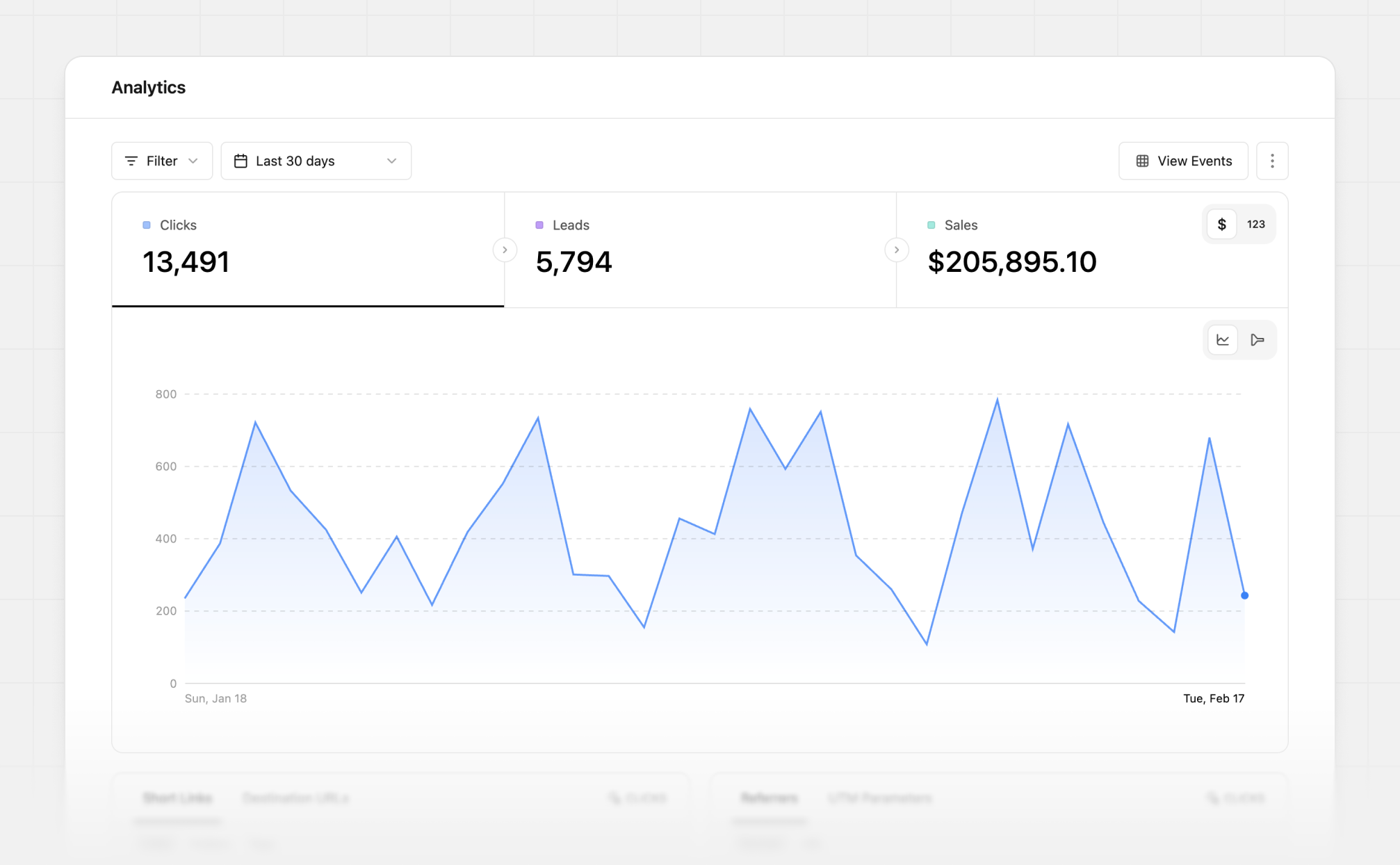
Image source: Dub analytics overview
See current pricingThat price gap is a big deal. Dub gives you a free plan with real-time analytics, QR codes, API access, three custom domains, and 30-day analytics retention, while Voluum starts at a paid tier that already assumes you are serious about active campaigns and paid traffic volume.
That doesn’t automatically make Dub “better.” It makes Dub easier to justify for a very specific buyer: someone who wants a modern attribution and link management platform, not an expensive campaign command center they may never fully use.
The rest of this review will break that down properly. I’ll show you what Dub actually gives you, where it starts to earn its price, when Voluum is still the better fit, and when a different tool entirely would make more sense so you do not buy the wrong thing just because the homepage looked good.
What you actually get with Dub
Dub is not trying to be a “classic tracker.” It focuses on link tracking, attribution, and branded link management, which is exactly why it feels like a real alternative to Voluum for a different type of user.
The free plan already gives you a surprising amount: up to 1,000 tracked links, 10,000 monthly events, basic analytics, QR code generation, and API access. That means you can actually test it properly without paying anything, which removes most of the hesitation you’d normally have with tools in this category.

Image source: Dub links dashboard
Paid plans unlock what most people actually care about: longer analytics retention, higher event limits, team collaboration, and advanced tracking. You also get custom domains, branded short links, and conversion tracking that ties clicks to actual outcomes instead of just showing traffic numbers.
That last part matters more than it sounds. A lot of cheaper link tools stop at clicks, which is where they stop being useful for serious marketing decisions.

Image source: Dub QR code feature
The good stuff
Dub feels modern. That sounds vague, but it shows up in how fast you can actually use it.
Creating branded links, tracking performance, and organizing campaigns is simple enough that you don’t need a long onboarding process. If you’ve ever opened Voluum and felt like you needed a tutorial before doing anything, this difference is obvious right away.

Image source: Dub geographic analytics
Here’s what stands out most:
- Clean analytics: You see clicks, conversions, geography, and device data without digging through complex reports.
- Branded links and domains: This matters if you care about trust and brand consistency instead of sending people through random tracking URLs.
- API and integrations: You can connect Dub to your stack instead of treating it like a silo tool.
- Conversion tracking: You can actually measure outcomes, not just traffic.
The biggest upside is that it replaces multiple smaller tools. Instead of using a link shortener, a basic analytics tool, and something else for attribution, you can keep it in one place.
That’s where the value starts to justify itself, even before you compare it to Voluum.
Pricing and value (this is where the decision usually happens)
Dub is cheaper than Voluum, but that alone isn’t the real reason people switch. It’s cheaper while still covering the features most people actually use daily.
<p style="color:#000000;Alternatives worth considering before you decide
Dub is not the only option, and this is where most people either confirm their decision or change it. The right choice depends less on features and more on how you actually use tracking day to day.
If you’re mainly comparing Dub vs Voluum, Dub wins for simplicity and cost, while Voluum wins for heavy paid traffic control. But there are also tools that sit somewhere in between or solve a slightly different problem.

Image source: Dub link builder
Try DubDub is the better choice if you want clarity and speed. It gives you clean data without forcing you into a full media-buying system.
Systeme.io makes more sense if you are just starting and want an all-in-one tool instead of a dedicated tracker. GoHighLevel is stronger if you run an agency and need CRM, funnels, and automation in one place.
Voluum is still the right move if your entire business depends on optimizing paid traffic at scale. Otherwise, it often feels like paying for power you don’t fully use.
My honest take
Dub is a strong alternative to Voluum for most people reading this. It covers the core things you actually use every day and removes a lot of the complexity that makes traditional trackers harder to justify.
It’s not trying to replace Voluum completely, and that’s a good thing. It focuses on tracking, attribution, and branded links, which is exactly what a lot of marketers need without the extra layers.
If your current setup feels scattered or you’re relying on basic link tools that don’t show real results, this is an easy upgrade. If you are running advanced paid campaigns with serious budgets, Voluum still holds its position.

Image source: Dub team features
FAQ
Is Dub actually cheaper than Voluum?
Yes, and the difference is not small. Dub has a free plan and a low entry price, while Voluum starts at a much higher monthly cost that assumes you are already running paid campaigns seriously.
Can Dub replace Voluum completely?
Not for everyone. If you rely on advanced traffic routing, anti-fraud tools, and deep campaign optimization, Voluum still does things Dub does not focus on.
Is Dub beginner-friendly?
Yes. The interface is simpler, and you can start using it without a long setup process. That alone makes it easier to justify for people who don’t want to learn a complex tracking system first.
Will this replace multiple tools?
In many cases, yes. It can replace your link shortener, basic analytics tools, and some attribution setups, which is where the value starts to make sense.
Explore Dub Filip Konecny Enterprises