
Comp AI looks interesting for one simple reason: it is not trying to be just another policy template library. It is trying to help a B2B SaaS team get audit-ready fast enough that compliance stops blocking deals and starts helping you win them.
That matters if you sell to mid-market or enterprise buyers and keep hitting the same wall. Security questionnaires, SOC 2 requests, vendor reviews, and trust-center expectations can turn a good sales process into a slow one, and Comp AI is clearly built around removing that drag.
I also would not call this an automatic yes. It looks strongest for teams that already feel real buyer pressure around compliance, while very early SaaS companies can easily spend money here before they actually need a dedicated platform.
Support is part of the pitch too. Comp AI has published response-time metrics that point to a much more hands-on experience than a cold software-only tool, which matters when a delayed answer can slow your audit or stall a contract.
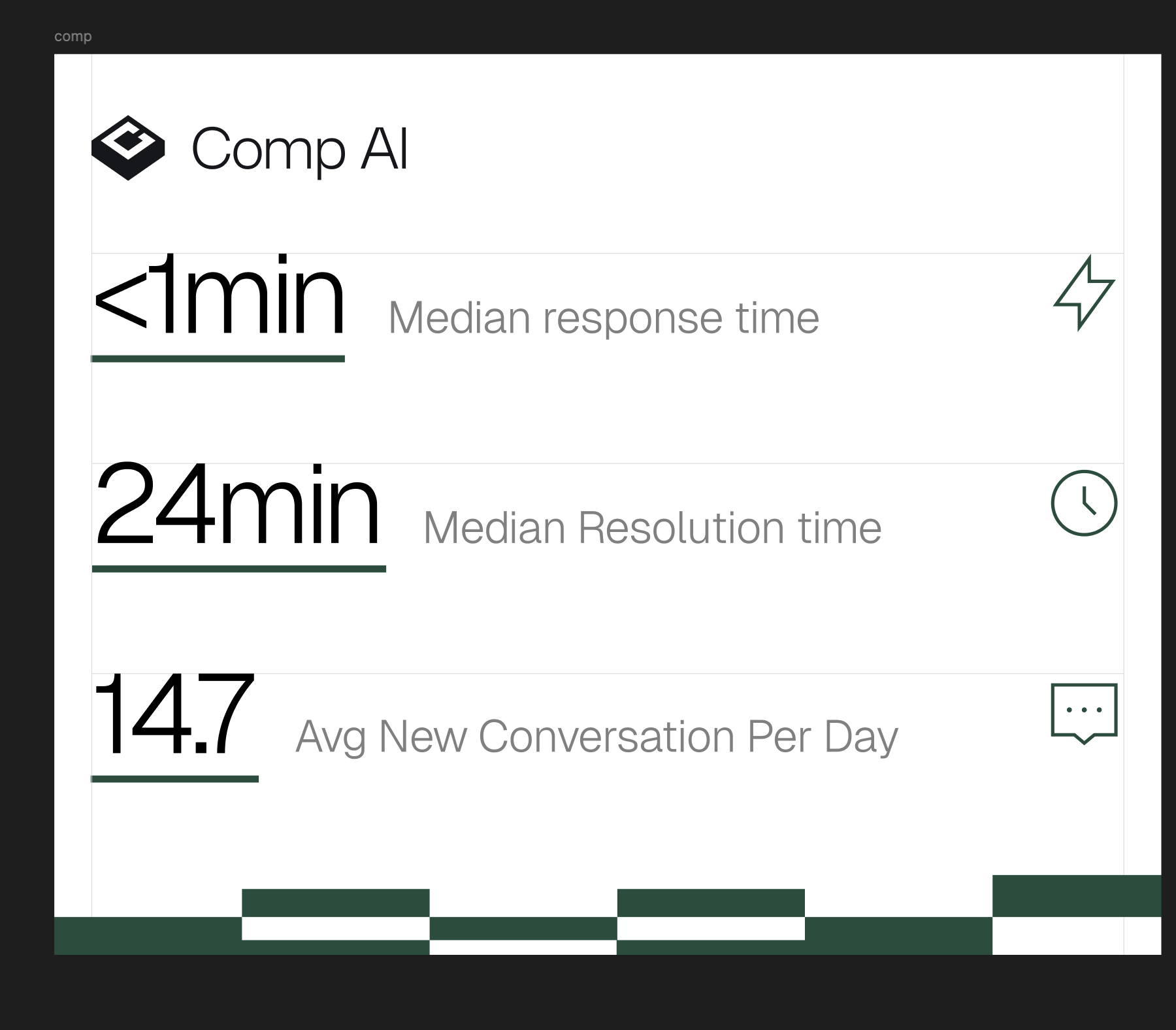
Image source: Comp AI
Quick decision snapshot
Before getting into the free trial, features, pricing, and alternatives, here is the short version of where Comp AI already looks strong and where I would stay cautious.
Explore Comp AIComp AI starts to make more sense when you compare it with the manual alternative. Chasing screenshots, cleaning up policies, answering the same questionnaire over and over, and coordinating auditors by email can burn more time than founders expect, especially once larger prospects get involved.
The opposite is also true. If your SaaS product is still early, your deals are small, and nobody is asking for a report yet, a lighter checklist process may be enough for now and a full compliance platform can feel like overkill.
Article outline
Here is how the rest of this review is structured so you can jump straight to the part that matches where you are in the buying process.
- First: Is Comp AI worth it? This section looks at the actual payoff, the biggest tradeoffs, and who should keep reading versus who should probably wait.
- Second: What you get in the free trial, the good stuff, and pricing and value. That is where the review shifts from surface-level appeal to whether this tool can really replace enough manual work to justify the spend.
- Third: Alternatives to consider, final verdict, and FAQ. This last stretch is the blunt buyer guide: buy now, wait until the timing is better, or choose something simpler or broader instead.
If enterprise buyers are already pushing you on security posture, waiting usually does not make this problem smaller. It usually means more one-off answers, more internal cleanup later, and more time lost before you finally build a process that should have existed earlier.
The next sections are where Comp AI either earns the click or loses it. I am going to separate the parts that look genuinely useful for B2B SaaS from the parts that sound good on a landing page but still need a harder look.
Is Comp AI actually worth it?
Comp AI for B2B SaaS starts to look worth the money when compliance is already tied to revenue. If bigger prospects are asking for SOC 2, ISO 27001, HIPAA, GDPR, a trust center, or long security questionnaires, this is the kind of tool that can save a small team from months of messy manual work.
The public signals are strong enough to take seriously. Comp AI says it is used by 600+ companies, the platform connects with 500+ tools, and G2 currently shows a 4.7 out of 5 rating from 47 reviews.
I would not call it a fit for every SaaS company. If you are still very early, not selling into enterprise, and nobody is asking for compliance proof yet, this can feel like a smart tool bought six months too soon.

Image source: Comp AI
The biggest reason it stands out is the job it is trying to do. It is not just a checklist app. It is trying to handle evidence collection, policies, risk tracking, vendor reviews, device monitoring, trust-center visibility, and audit prep in one place so your team stops chasing screenshots and spreadsheets.
The catch is that the public pricing is still not as clean as buyers usually want. You can verify that a free trial is available and that pricing is contact-vendor, but you are still going to need a real sales conversation before you know the full number.
What you get in the free trial
Comp AI does offer a free trial, but the public pages do not spell out every usage cap in a neat pricing grid. That means you should treat the trial as a proof-of-fit exercise, not as a full audit project you expect to finish for free.
The clearest public trial snapshot lists AI compliance monitoring, AI-powered policy management, AI-powered vendor management, AI-powered risk management, monitoring and alerts, data loss prevention, an employee portal, and compliance training. The same listing also says the platform is free and open source for 25+ frameworks, while the managed service side is handled through a demo flow.
That is enough to answer the questions that matter most before buying. Can it connect to your stack, does the dashboard make sense, are the policy and questionnaire features actually useful, and does the workflow feel easier than your current patchwork?
The trial is not where you prove final ROI in a week. It is where you figure out whether this tool can replace the painful middle of compliance work before you commit real budget.
The good stuff
The strongest part of Comp AI is how much manual work it is trying to remove. The platform says it pulls live evidence from 500+ integrations, writes policies from your onboarding context instead of handing you boilerplate, and keeps checking your systems instead of waiting for the next audit panic.
That matters more than the AI label. A compliance tool earns its price when it keeps the evidence fresh, shows gaps early, and gives your team fewer chances to forget something important.
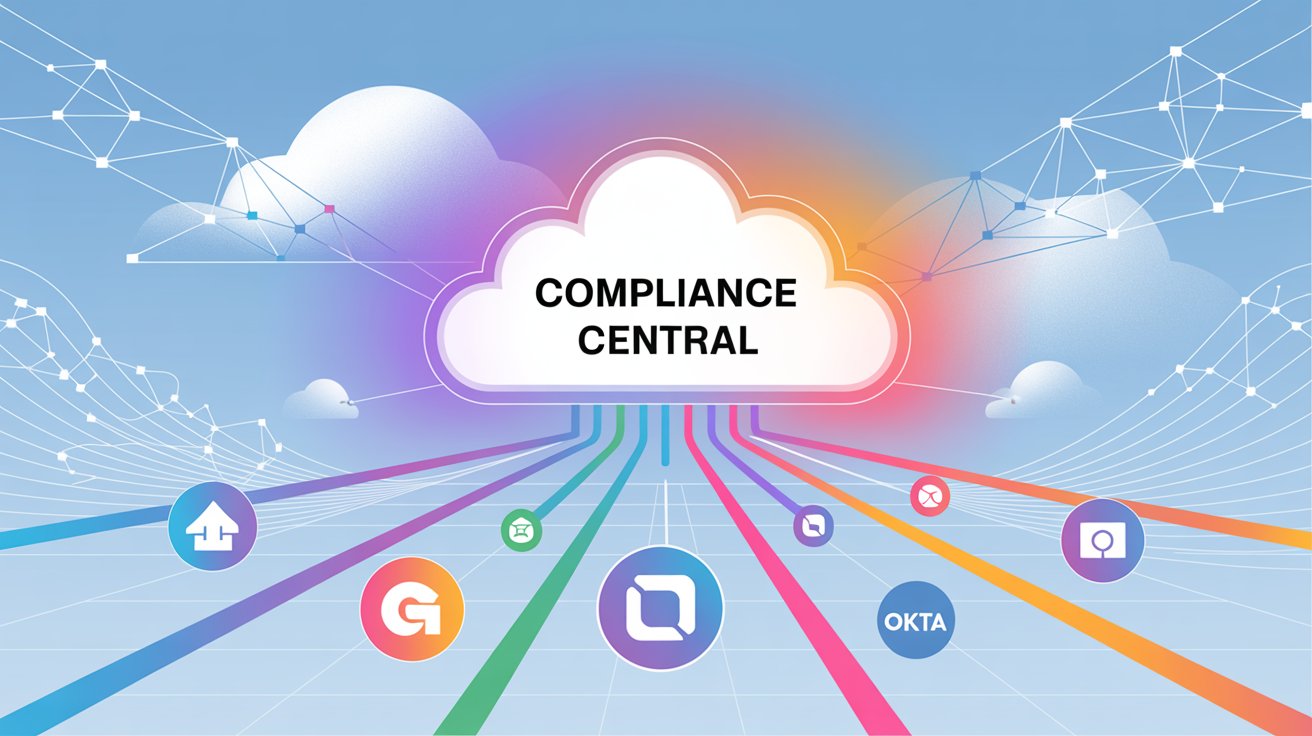
Image source: Comp AI
The trust-center angle is another real selling point for B2B SaaS. Comp AI says its portal reflects live status, published policies, and verified controls, which is much more useful than a static “trust us” page when prospects are doing vendor reviews.
Support looks like a real strength too. Comp AI says its in-house team responds in under 3 minutes on Slack, and that kind of fast help matters when founders are trying to get through onboarding without a full internal compliance lead.
The open-source angle is not just marketing fluff either. Comp AI publicly points buyers to GitHub for its platform pieces, which gives technical teams more confidence than a pure black-box vendor pitch.
There are still real limitations. G2’s review summary says users like the automation and visibility, but some also say the initial setup can feel complex if you are new to compliance, and that lines up with what usually happens when a small team jumps into SOC 2 or ISO 27001 for the first time.
I also would not buy this just because the feature list sounds impressive. If all you need right now is a few internal forms, a simple evidence tracker, or a lightweight process for one customer request, this is probably more platform than you need.
Pricing and value
Comp AI is strongest on value when you look at the total job being done, not just the sticker price. The company pushes an all-in pricing message, says the platform includes expert support and the first audit, and backs it with a first-year money-back guarantee if you are not satisfied.
That makes the number easier to justify for the right buyer, even though the public site still sends you into a contact-sales flow. If the choice is between paying for a platform or continuing to burn founder, engineering, and ops time on manual compliance, the manual route can get expensive fast.
The comparison below is not apples to apples. It is a practical buying lens for teams deciding whether they need a dedicated compliance tool now, or whether a broader or cheaper workflow tool is enough for the stage they are in.
Check the official free trialComp AI wins when compliance is the thing holding revenue back. GoHighLevel wins when your core problem is sales infrastructure, and Fillout wins when you only need low-cost forms and workflows.
Why you may want to start now instead of later
Waiting makes sense when compliance is still theoretical. Waiting does not make much sense when prospects are already asking for proof, because every delay keeps your team stuck in the same loop of manual evidence collection, repetitive questionnaires, and rushed cleanup before calls.
Comp AI is easiest to justify when you already have something to protect and something to sell. If you have real customer conversations, a defined product, and enterprise pressure starting to show up, this is exactly when a dedicated tool can save you time instead of becoming shelfware.

Image source: Comp AI
The strongest buyer case is simple. If your current setup feels messy, your team keeps answering the same security questions, and you know bigger deals are going to keep asking for more trust signals, Comp AI is worth a real look now.
Skip it for now if you are still pre-pressure and just want to feel prepared. Try it now if compliance has already become part of the sales conversation and you are tired of handling it the hard way.
Alternatives to consider
Not every alternative does the same job as Comp AI for B2B SaaS. One option is a direct compliance competitor, one is a broader all-in-one business stack, and one is a cheap workflow tool that makes more sense when you are not ready for dedicated compliance software.
That distinction matters. A lot of founders waste time comparing tools that solve different problems, then end up buying either too much software or not enough.
Image source: Comp AI
Explore Comp AIChoose Comp AI if compliance is already part of the sales process and you want a tool built for that job. Choose Fillout if you mainly need a cheap workflow layer, and choose GoHighLevel if your real bottleneck is revenue infrastructure, not security reviews.
Vanta is the closest direct category match in this table. It makes sense when you want a bigger established compliance brand, but Comp AI is more interesting if you care about the open-source angle, bundled value, and not paying for a heavyweight setup before you need it.
Image source: Comp AI
My honest take
Comp AI for B2B SaaS is worth trying when compliance is no longer optional background work. If bigger prospects are asking for security proof, questionnaires, or a cleaner trust story, this looks like a smart buy instead of another tool that sounds good in theory.
The biggest strength is focus. Comp AI is trying to solve the ugly middle of compliance work in one place, and that is a lot more valuable than juggling docs, screenshots, spreadsheets, and one-off answers every time a buyer asks the same questions.
The biggest limitation is timing. If you are very early, not selling into security-conscious buyers yet, and still figuring out your offer, this is probably a wait rather than a buy-now decision.
I also think the custom-quote setup will bother some buyers. Still, the first-year money-back guarantee makes the risk easier to stomach than most sales-led software, especially if you already know the manual route is costing your team time.
That is why the right decision is pretty clean here. Buy or book the trial flow now if compliance is slowing deals, wait if it is still hypothetical, and go cheaper only if you mainly need process capture instead of real audit readiness.
Image source: Comp AI
Speed is the real reason to move. Every month you wait while enterprise buyers keep asking for proof usually means more manual cleanup, more founder time burned, and more avoidable drag in the pipeline.
FAQ
Is Comp AI too much for an early-stage SaaS?
Sometimes, yes. If no buyer is asking for SOC 2, ISO 27001, HIPAA, GDPR, or security reviews yet, a cheaper process tool can be enough until the pressure becomes real.
Can a small team actually handle this?
A small team can handle it better with software than with a fully manual process. Comp AI also pushes expert Slack support hard, which matters when you do not have an in-house compliance lead.
Does Comp AI replace broader business tools?
No. It can replace a lot of compliance busywork, but it does not replace a CRM, funnel builder, or general operating stack, which is why a tool like GoHighLevel is still the better buy when revenue ops is your main problem.
Is the lack of public pricing a deal-breaker?
Not automatically. It is annoying, but not unusual in compliance software, and the better question is whether the platform removes enough manual work and deal friction to justify the quote you get.
Should you start now or wait?
Start now if compliance requests are already slowing sales or pushing deals down the road. Wait if you are still pre-pressure and would only be buying it to feel prepared.
For the right buyer, this is absolutely worth a real look. If your current setup feels messy and enterprise trust questions keep showing up, keeping everything manual usually costs more than the software does.
Get started with Comp AI Filip Konecny Enterprises