
Comp AI looks appealing for one simple reason: most teams do not want to turn SOC 2, ISO 27001, HIPAA, or GDPR prep into a second full-time job. If you need audit readiness without living in spreadsheets, chasing screenshots, and translating every control into plain English yourself, this tool immediately becomes worth a serious look.
It also is not for everyone. If you are very early, have no real security buyer pressure yet, or just need the cheapest possible path and do not mind doing more work manually, waiting or picking a simpler route may be smarter.
For the right buyer, though, Comp AI solves a very expensive problem: delayed deals, messy evidence collection, and last-minute audit panic. That is why this review is built around the only questions that matter before you click: is it worth paying for, is it right for your team, and should you move now or hold off.
Quick verdict
Comp AI makes the most sense for startups and lean teams that need to get audit-ready fast and do not want to piece together policies, evidence collection, support, and auditor coordination on their own. The product leans hard into automation, framework mapping, continuous evidence collection, and Slack-based support, which is exactly the mix buyers usually want when compliance starts blocking enterprise sales.
The catch is simple. You still need internal ownership, clean systems, and enough urgency to justify paying for speed instead of dragging the project out manually.
Explore Comp AI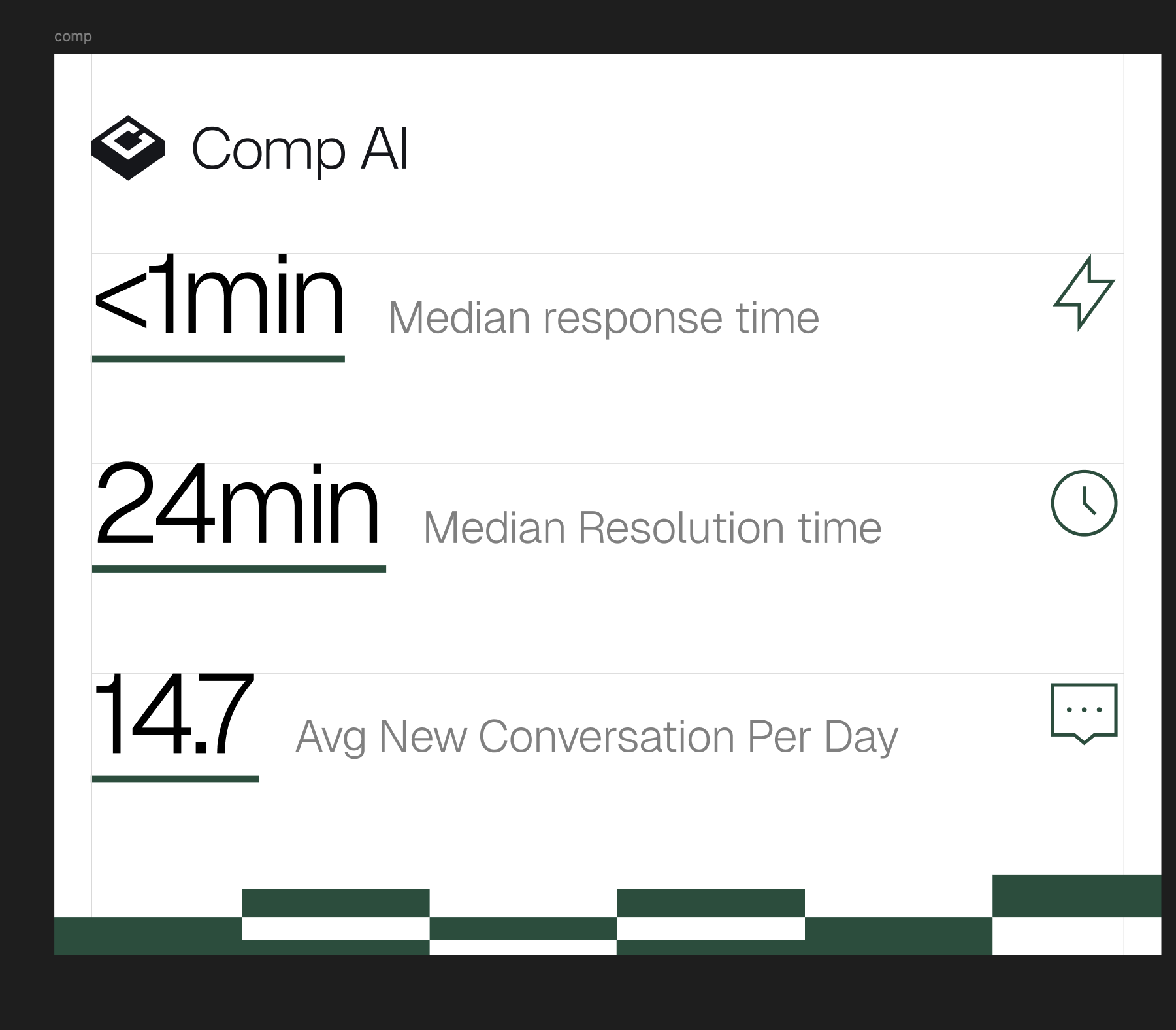
Image source: Comp AI
That image matters because it points to one of the biggest reasons teams buy software like this in the first place: they do not just want a dashboard, they want faster answers when the audit gets messy. Comp AI also publicly pushes dedicated Slack support and fast expert response as part of the value, which makes the platform feel closer to software plus a compliance team than software alone.
That is a big deal if you have already felt how expensive delay gets. Manual audit prep does not only cost time; it slows customer security reviews, burns engineering hours, and keeps the whole company stuck in “we should probably deal with this soon” mode.
Article outline
This review is split into three simple sections so you can jump straight to the part that helps you decide fastest. The flow is built around buying questions, not generic compliance theory.
- Quick verdict — the fast answer on whether Comp AI audit readiness looks worth paying for
- What you get — the features and support that actually affect whether the platform can save you time
- The good stuff — where Comp AI looks strong compared with doing compliance the hard way
- Pricing and value — whether the cost looks justified, and where cheaper tools may still win
- Why buying sooner can make sense — when waiting costs more than the software
- Alternatives — who should compare Comp AI against other options before deciding
- Final verdict — the blunt recommendation: buy now, wait, or skip
- FAQ — quick answers to the objections people usually have right before they choose
The short version is that Comp AI looks strongest when compliance is already tied to revenue, procurement pressure, or customer trust. If buyers are asking for proof now, a platform built around continuous evidence collection, framework progress, and expert support is much easier to justify than another quarter of manual patchwork.
The next section gets into what you actually get for that money and whether the platform replaces enough pain to be worth it. That is where this review starts to separate the people who should probably try Comp AI now from the people who should hold their cash a little longer.
What you actually get when you start
Comp AI does not look like the kind of tool you sign up for, click around for five minutes, and magically become compliant. The public pages lean more toward a guided start, demo, or trial-style onboarding, which honestly makes sense because audit readiness only becomes useful once the product understands your stack, your people, and the framework you are chasing.
What you are really buying is a shorter path from “we should probably deal with compliance” to “we have evidence, policies, checks, and a cleaner answer for buyers.” That is a much better pitch than another generic dashboard.
- framework setup for things like SOC 2, ISO 27001, HIPAA, and GDPR
- automated evidence collection and continuous monitoring instead of manual screenshot hunts
- policy generation and control mapping tied to your environment
- questionnaire help, trust-facing workflows, and audit-readiness support
- real human help through Slack-style support instead of waiting on a slow ticket queue
That mix matters because compliance tools usually fail in one of two ways. They are either cheap but painfully manual, or powerful on paper but so bloated that your team still ends up doing half the work outside the platform.
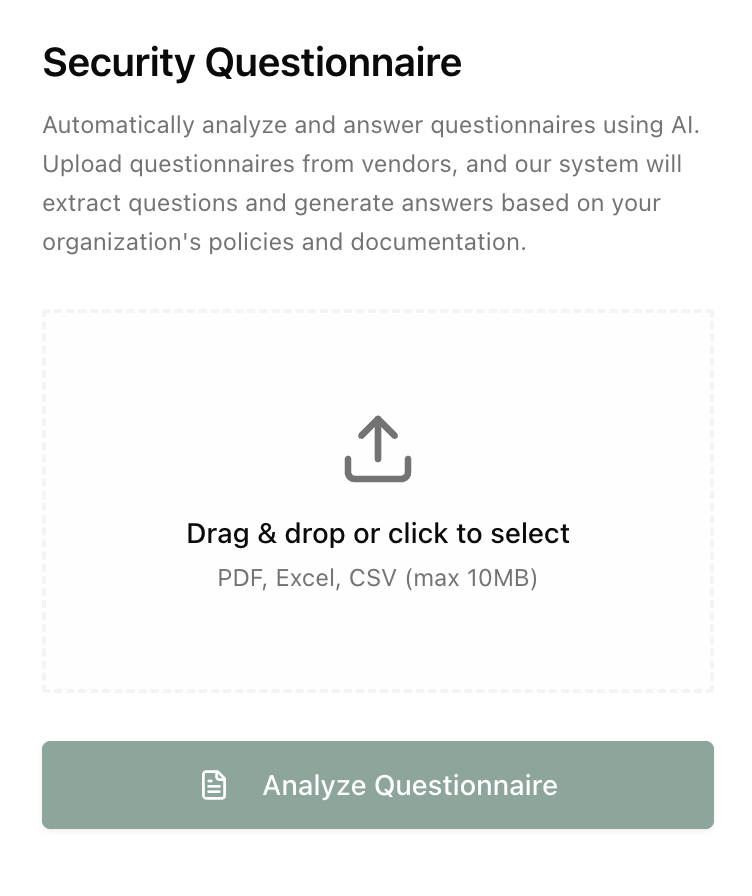
Image source: Comp AI
That screen is a good example of the practical payoff. If your sales team keeps getting security questionnaires from prospects, having the platform help analyze and answer them is a lot more valuable than another compliance checklist that just tells you to work harder.
Comp AI also leans hard on integrations, but this is one place where I would stay smart instead of blindly trusting the biggest headline. Some public pages talk about hundreds of integrations, while public review pages show a smaller named set, so the safe takeaway is simple: it connects with a meaningful stack, but you should confirm your exact systems before you buy.
Image source: Comp AI
That is not a dealbreaker. It is actually normal for compliance buyers to care less about the total connector count and more about whether identity, cloud, HR, code, ticketing, and device signals from their own stack can be pulled in without pain.
The good stuff
Speed is the biggest reason to look at Comp AI instead of doing this the hard way. The public messaging keeps pushing audit readiness in days rather than months, and for a startup or lean ops team, that difference can easily justify the spend by itself.
Automation is the second big win. Evidence collection, recurring checks, policy generation, and monitoring are exactly the kinds of jobs software should handle, because they are repetitive, annoying, and expensive when engineers or founders get dragged into them every week.
The support angle also looks stronger than what you get from a pure self-serve tool. Comp AI repeatedly frames the product as software plus real experts, and that matters because buyers are not just paying for a UI here, they are paying to avoid trial-and-error during a high-stakes process.
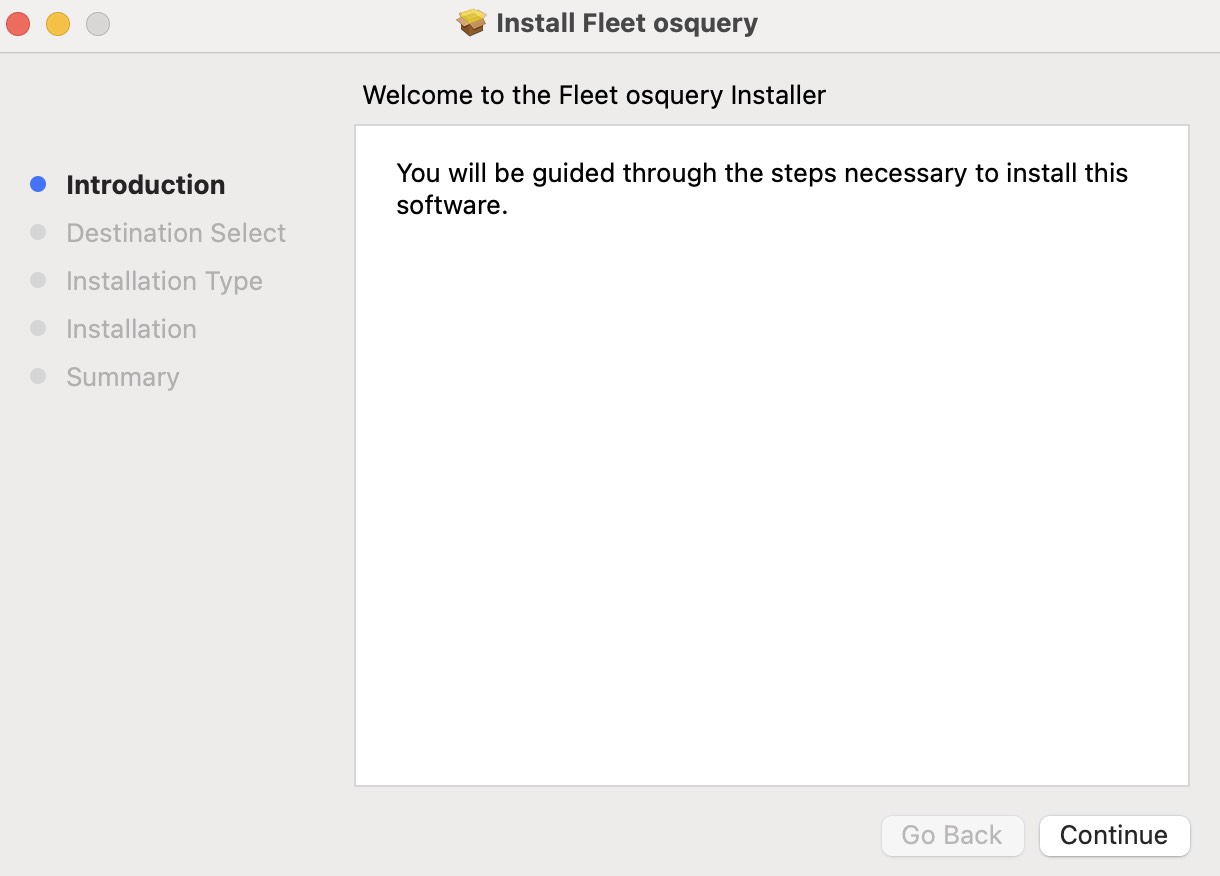
Image source: Comp AI
That installer image matters because it shows where Comp AI starts feeling more serious than a document organizer. Continuous device and environment checks are a much better fit for audit readiness than a point-in-time spreadsheet that is already outdated the moment someone changes a setting.
Open source is another real advantage for the right buyer. If you hate black-box compliance software, the fact that Comp AI publicly leans into auditable code and verifiable checks makes the product easier to trust than a vendor that asks you to just believe everything is working.
Here is the catch. No compliance platform turns a messy company into a clean one overnight, and Comp AI will not save you from weak internal ownership, sloppy access control, or missing security basics.
That is also why this looks best for companies with a real business reason to move. If you already have enterprise prospects, security questionnaires, or procurement pressure, Comp AI looks like a smart shortcut; if you do not, it can feel like paying early for a problem you have not fully earned yet.
Pricing and value
Comp AI gets interesting on price because the public messaging does not follow the usual enterprise-software game of hiding every signal until the sales call. Several public pages now point to starting packages around $3,000, with broader SOC 2 cost examples often framed in the $5,000 to $10,000 range, plus month-to-month flexibility and a money-back guarantee.
I still would not treat that as a universal price sheet. Framework scope, audit type, company size, and whether audit or pen test pieces are bundled can change the real number, so you should use those public figures as a direction, not a final quote.
See current pricingThis is where Comp AI starts to earn its cost for the right buyer. If your current alternative is founder time, engineer time, repeated screenshot collection, and delayed deals, the software stops looking expensive pretty fast.
If your current alternative is “we have no buyer pressure and we can wait,” the math changes. In that case, paying now may be premature, even if the product itself still looks good.
Why getting it sooner can make sense
Waiting sounds cheaper until you remember what usually gets delayed with compliance. It is not just the audit; it is the enterprise deal, the security review, the procurement approval, and the internal momentum to actually clean up your controls.
Comp AI makes the strongest case when you already know this work is coming anyway. Starting earlier lets you build evidence, spot gaps, and get the observation clock moving instead of spending another quarter talking about readiness without becoming ready.
There is also a practical SOC 2 point buyers forget. No software can erase a Type II observation period, so postponing the start usually means postponing the finish.
That does not mean everyone should buy now. If you are very early, have no real customer pressure, and are still sorting out basic security hygiene, you can wait and come back when the timing is better.
If you already have something to protect, buyers to impress, or revenue being slowed down by trust questions, this looks like a much smarter move today than later. That is exactly when getting started with Comp AI feels less like another software purchase and more like removing a bottleneck.
Alternatives worth looking at before you decide
Comp AI is not the only way to get audit-ready, and pretending otherwise would make this review less useful. The better question is which tool fits the stage your company is in, how much help you want, and how much patience you have for manual work.
Comp AI looks strongest when you want fast audit readiness without buying a giant enterprise program. Vanta, Drata, Secureframe, and Sprinto all make sense for certain buyers, but they do not feel aimed at exactly the same person.
Get started with Comp AIChoose Comp AI if you want speed, cleaner pricing signals, and a product that feels built to get you moving instead of trapping you in a long enterprise buying cycle. Choose a cheaper or simpler path only if budget matters more than speed, and choose a broader all-in-one option like Drata if your goal is a wider GRC program rather than just getting audit-ready fast.
Vanta still makes sense if you want the market leader and do not mind quote-based pricing. Sprinto makes more sense if you want a startup-first feel and are fine with a demo-led process.
My honest take
Comp AI is worth a real look for the right buyer. I would not say that for every startup, but I would say it pretty confidently for teams that already know compliance is blocking deals, slowing security reviews, or eating too much internal time.
The payoff is pretty clear. You are paying to stop dragging audit readiness through screenshots, scattered docs, one-off policies, and founder-led project management that should have been software-assisted from the start.
Comp AI also has a more attractive personality than some bigger competitors. The open-source angle, public product velocity, and expert support make it feel less like a giant black box and more like a serious tool built by people who understand why buyers hate compliance busywork.
Here is the catch. If you are very early and nobody is asking you for SOC 2, ISO 27001, HIPAA, or a proper trust story yet, buying now may be premature.
You still need internal ownership, real systems, and enough seriousness to follow through. No compliance platform can save a company that wants the badge but does not want to do the underlying work.
That is why my recommendation breaks into three buckets. Buy now if compliance is already tied to revenue, procurement, or trust. Wait if the need is real but still a few months away. Skip for now if you are so early that even basic security hygiene is still a work in progress.
For the buyer who is already close to action, waiting usually costs more than it saves. The software bill is visible, but the cost of another delayed deal, another manual evidence chase, and another month before your observation period starts is a lot easier to underestimate.
That is why exploring Comp AI feels like a smart next step if you already know this project is coming anyway. It is much easier to justify when the alternative is staying stuck in “we should really get audit-ready soon” mode.
Check the official Comp AI offerFAQ
Is Comp AI too much for a tiny startup?
Sometimes, yes. If no buyer, investor, or partner is asking for serious compliance proof yet, a full platform can be early.
Can beginners handle it?
Probably, but not passively. The product looks much more beginner-friendly than doing everything manually, especially with guided support, but you still need someone inside the company to own decisions and keep the project moving.
Does Comp AI replace auditors or consultants completely?
No, and you should not expect that. It looks more like a tool that cuts a huge amount of manual prep, centralizes the work, and makes auditor conversations cleaner rather than removing every outside expert from the process.
Will it help me get results quickly?
It should help the right team move much faster than a manual route. It cannot erase fixed realities like a Type II observation period, but it can shorten the messy setup and evidence phase that usually burns the most time.
Should I switch if I am already using another platform?
Only if your current tool feels overpriced, slow, or heavier than you need. Comp AI looks most attractive for teams that want a faster, more transparent option and are tired of paying enterprise-tool prices for work that still feels manual.
Bottom line: Comp AI audit readiness looks like a strong buy for teams with real urgency, real buyer pressure, and no interest in building their own compliance maze. If that sounds like you, try Comp AI here.
 Filip Konecny Enterprises