
If you just need a short link that works, both Bitly and Dub can do that. The real decision is whether you want a familiar link shortener with broad brand recognition, or a newer platform that gives you more marketing-focused features before the price starts climbing.
That matters because link tools get expensive fast once you need custom domains, cleaner analytics, QR codes, or conversion tracking. A lot of people stay with the default option too long, then realize later they paid more for less flexibility.
This review is here to help you avoid that mistake. By the end, you should know whether Bitly is still the safer pick, whether Dub gives you better value, or whether you should wait and keep things simple for now.
Quick snapshot before we get into the details
That table tells the story pretty quickly. Bitly still looks fine for basic use, but Dub looks more attractive when you want custom domains, API access, and cleaner growth features without getting pushed up the pricing ladder as fast.

Image source: Dub official site
Is this even a close call?
For some buyers, no. If you mostly care about trust, simplicity, and using the name everybody already knows, Bitly still has a real advantage.
If you care about getting more out of each link, Dub is the one that immediately stands out. The platform leans harder into attribution, conversion tracking, A/B testing on higher plans, and the kind of link setup that makes more sense for modern campaigns than just shortening a URL and checking clicks later.
That does not mean Bitly is bad. It means Bitly feels more established, while Dub feels more built for people who want the link tool to do actual marketing work.
Article outline
- Quick snapshot before we get into the details
- Is this even a close call?
- What you get with each platform
- The good stuff
- Pricing and where the value actually is
- Why switching sooner can make sense
- Alternatives worth considering
- My honest final verdict
- FAQ
Who should keep reading this?
Keep going if you are choosing between the safe option and the better-value option. That usually means you are running campaigns, sharing branded links regularly, managing multiple channels, or trying to connect clicks to leads and sales instead of stopping at vanity metrics.
You should also keep reading if Bitly already feels a little expensive for what you get. That is the main reason this comparison matters, because the gap between “good enough” and “worth paying for” gets obvious once you compare plan limits side by side.
You can probably skip this whole debate if you only shorten a couple of links every now and then. In that case, almost any free tool will work, and paying for either one is probably overkill.
My early take
Bitly still makes sense if you want the established brand and your needs are basic. It also makes sense when your team already uses it and switching would create more hassle than value.
Dub looks stronger for people who are actively marketing something and want more room before the platform starts feeling restrictive. That is why Dub is the one I would look at first if you are starting fresh and you care about performance, not just short links.
The next section gets into what you actually get on each platform, because that is where this comparison usually stops being theoretical. Once you see the feature tradeoffs clearly, the right pick gets a lot easier.
What you actually get with Bitly and Dub
Bitly keeps the offer simple, but it also starts tighter. The free plan gives you 5 links and 2 QR codes per month, then Core moves to 100 links and 5 QR codes, while Growth gets you 500 links, 10 QR codes, branded links, and a complimentary custom domain.
Dub gives you more room before you have to pay. The free plan includes 25 new links per month, 3 custom domains, QR codes, API access, UTM templates, and 30 days of analytics retention, while Pro moves to 1,000 new links per month, 50,000 tracked events, deep links, folders, and a free .link domain.
That changes the feel of this comparison pretty quickly. Bitly is still easy to understand, but Dub gives you more of the stuff marketers usually want first, instead of making you upgrade just to feel like the platform is really usable.

Image source: Dub
Where Bitly still makes sense
Bitly still works for teams that want a familiar name and a very straightforward setup. If your main job is shortening links, generating a few QR codes, and keeping reporting simple, Bitly does that without much explaining.
It also looks safer for companies that prefer established vendors over newer tools. Some buyers will pay extra for that comfort, and that is a valid reason to stick with it.
Where Dub feels better
Dub feels more generous and more modern. You get custom domains on the free plan, real-time analytics, QR codes, API access, and then the paid plans add deeper link features and stronger attribution instead of just lifting tiny usage caps.
That matters if links are part of actual revenue tracking, not just cleanup. If you care about where clicks came from, what happened after the click, and which campaigns deserve more budget, Dub looks much more convincing.
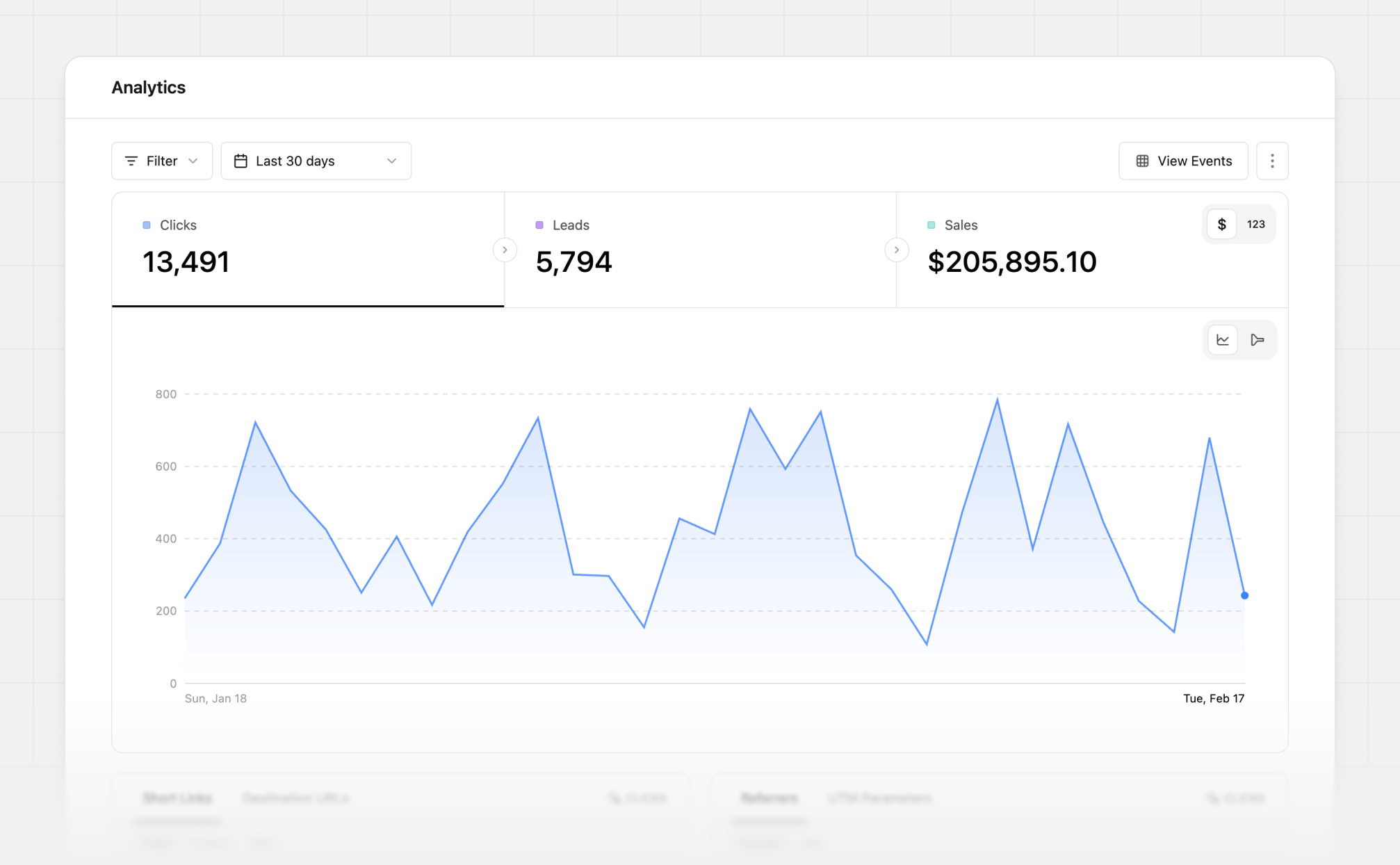
Image source: Dub
The good stuff
Dub wins on flexibility. Custom domains are available even on the free plan, and the paid plans add deep links, folders, customer insights, A/B testing, event webhooks, and conversion tracking on Business.
Bitly wins on familiarity and a cleaner mainstream buying decision. A lot of teams already know what Bitly is, and that lowers the mental friction when you need approval from someone who does not want to learn a newer product.
Dub also looks better for teams that want link management to feel connected to real marketing outcomes. Bitly gives you useful click and scan tracking, but Dub pushes harder into attribution and conversion flow, which is where the value gets easier to justify if you are spending money to drive traffic.
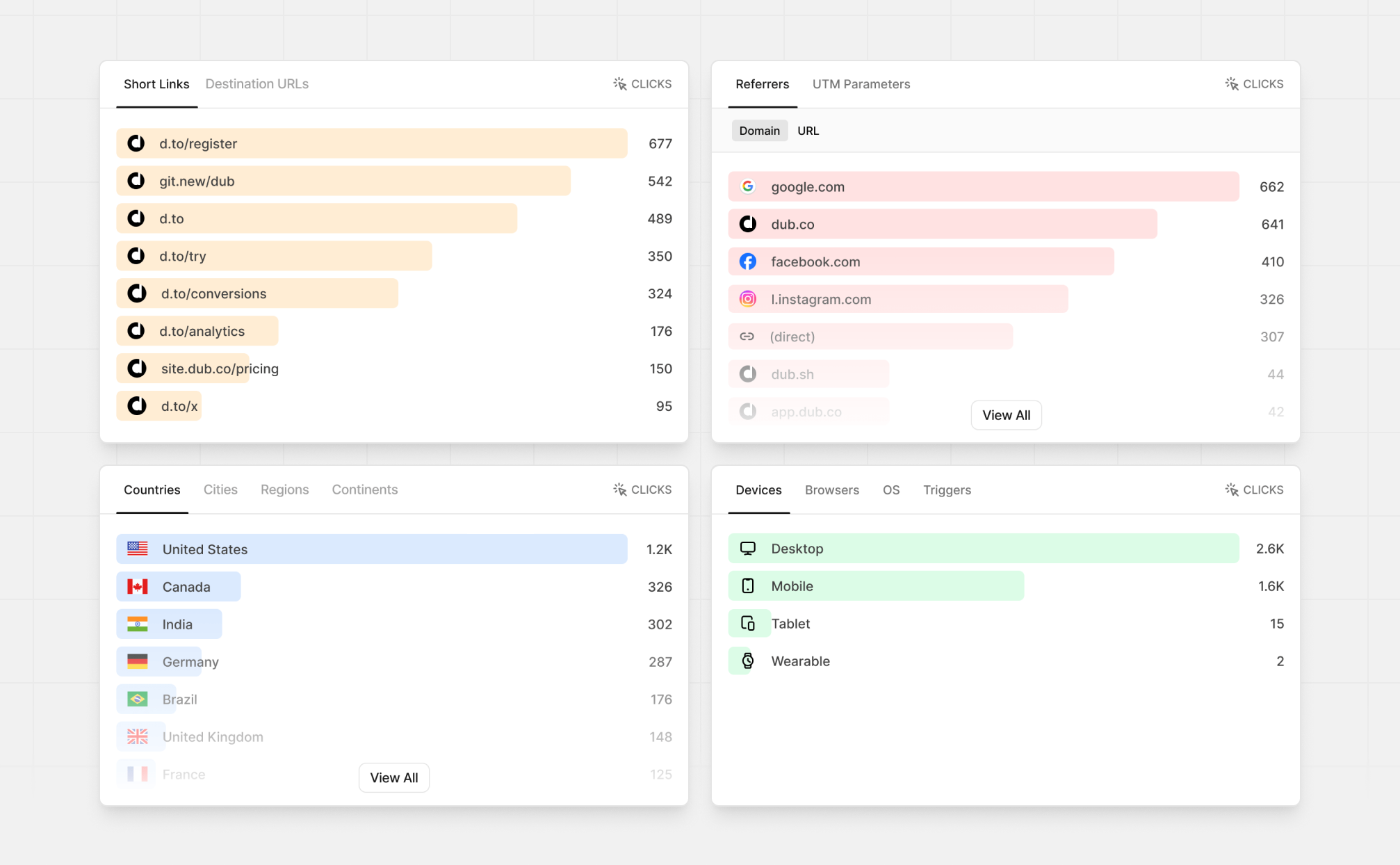
Image source: Dub
Pricing and where the value actually is
Bitly looks cheaper at the first paid step. Core starts at $10 per month on annual billing, while Dub Pro starts at $25 per month billed yearly.
That is the part that can fool people. Dub starts higher, but it also includes more from the jump, while Bitly often stays cheap only if your needs stay basic.
Bitly Growth is where the comparison gets more honest. At $29 per month billed annually or $35 month to month, Bitly starts to feel more competitive because that is where branded links and the complimentary custom domain show up, but Dub Pro is still attractive because the free plan already gives you custom domains and the paid plan is built more for modern attribution work.
Buyers also cross-shop Dub with broader tools when they are trying to simplify their stack. That is why the real comparison is not just Bitly vs Dub, but also whether you need a dedicated link tool or a bigger marketing system.
Explore DubThat table makes the buying decision easier. Dub is the smart middle ground when Bitly feels too limited and a full system like GoHighLevel feels too heavy.
Is Dub harder to set up?
Not in a way that should scare most buyers off. You still need to handle domain setup if you want your own branded short links, but Dub’s flow is clear and the free plan lets you test that value before paying.
Bitly can still feel easier for very basic use because more people already know it. Dub starts feeling easier the second you want more than basic use, because the platform gives you more control without making you jump tiers as fast.
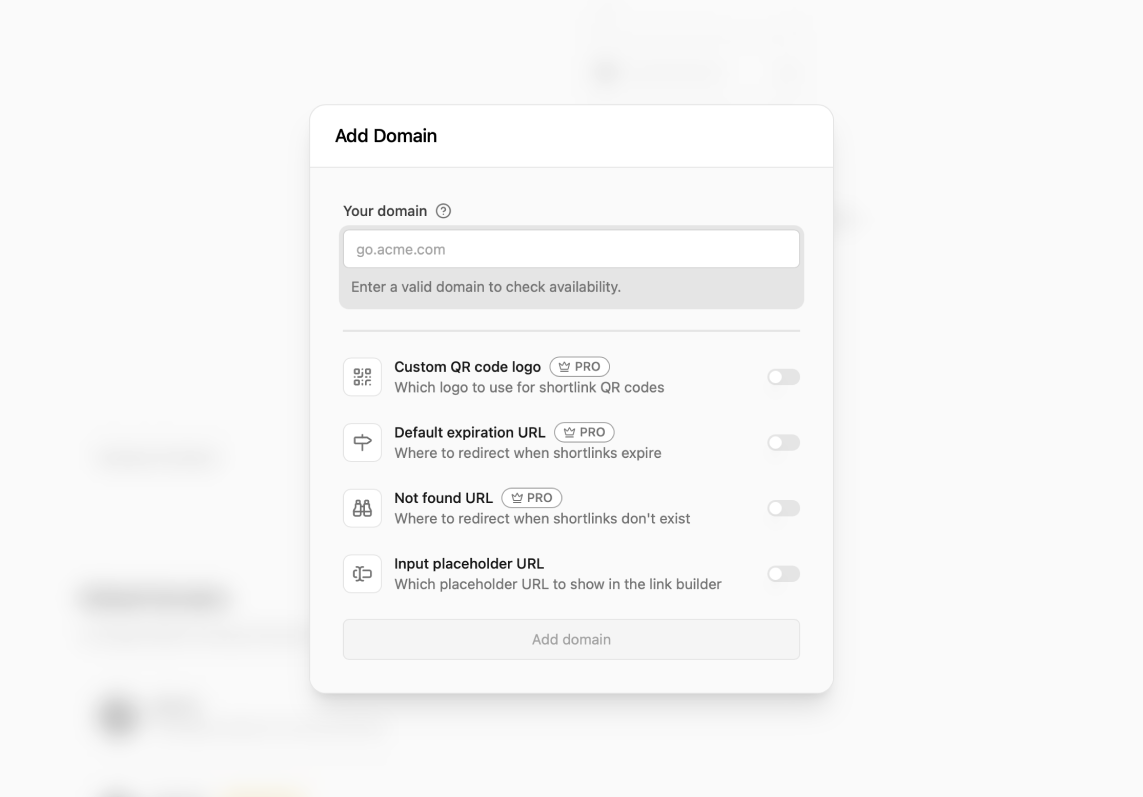
Image source: Dub
Why switching sooner can make sense
Waiting usually feels harmless because a link shortener looks like a tiny tool. It stops feeling tiny once your links are spread across campaigns, profiles, ads, QR codes, and partner traffic, and then every delayed cleanup gets more annoying.
Dub is easier to justify now if you already run campaigns and want better visibility into what clicks are doing. You do not need to wait until the problem gets bigger, because the free plan already tells you whether the setup fits your workflow.
Bitly is still fine if you want the safer default and you know your needs are basic. Dub is the better move if your links are part of serious marketing and you want a tool that feels built for that instead of one that only starts opening up after you pay more.
 Filip Konecny Enterprises