

PLR Funnels is appealing for one simple reason: it promises a shortcut that a lot of people want. Instead of writing the product, building the funnel, mapping the upsells, and creating the emails from scratch, the pitch is that you get a ready-made sales setup you can plug in and start customizing.
That can be a smart buy if you already know you want to sell digital products and you care more about speed than originality. It can also be a bad buy if you are hoping a done-for-you funnel will magically fix weak positioning, weak traffic, or the fact that you still do not know what market you want to serve.
My early take is pretty straightforward: PLR Funnels looks worth a serious look for action-takers who want speed, structure, and a faster path to launch inside ClickFunnels. It looks much less compelling for anyone who wants a cheap all-in-one platform, a huge amount of flexibility, or a business model that does not depend on prebuilt PLR-style assets.

Image source: PLR Funnels official page
Article outline
This review is built to answer one thing: should you actually put money and time into PLR Funnels, or would you be better off using a cheaper builder or waiting until your offer is clearer. I am going to keep the structure tight so you can jump straight to the part that helps you decide.
- Is PLR Funnels actually worth trying? — a blunt look at the offer, the promise, and the main reasons people buy or hesitate.
- What you get — the core assets, how the setup appears to work, and what you should expect before you sign up.
- The good stuff — where PLR Funnels can save real time and why that matters more than people think.
- Pricing and value — whether paying for this makes more sense than building manually or using a cheaper platform.
- Alternatives to PLR Funnels — the cheaper, simpler, and broader options you should compare before buying.
- Final verdict — who should buy now, who should wait, and who should skip it.
- FAQ — quick answers to the last-minute objections that usually hold people back.
The reason this structure matters is simple. PLR Funnels is not the kind of offer you buy because the headline sounds exciting; you buy it because it matches the stage you are in right now.
If you already have the drive to launch and you are tired of staring at a blank funnel builder, a prebuilt package can feel like relief. You stop wasting time on page structure, upsell flow, and what to send after the opt-in, and you start editing something real instead.
That is where this kind of product starts to make sense. Manual setup usually sounds cheaper until you count the hours, the false starts, and the extra tools you end up stitching together.
There is still a catch. PLR products always raise the same fair questions: will it feel generic, is the quality good enough, how much work is still left, and will you need extra software anyway.
Those are exactly the questions the rest of this review will answer. I am also going to compare PLR Funnels with options like ClickFunnels, Systeme.io, and GoHighLevel because the smartest buyers do not look at the product in isolation.
If you are already leaning toward trying it, keep going. The next section gets straight into whether PLR Funnels is actually worth it or whether the promise sounds better than the reality.
Is PLR Funnels actually worth trying?
Yes, for the right buyer it probably is. The strongest reason is speed: a package built around ready-to-launch funnels can remove a lot of the slow, annoying work that keeps people stuck in planning mode.
No, it is not automatically worth it for everyone. If you do not want to work inside a funnel-driven setup, if you need a super-cheap platform first, or if you still have no clue what audience you want to sell to, buying PLR Funnels too early can just turn into another unfinished project.
What you actually get before you pay
The first thing to clear up is simple: PLR Funnels does not present itself like a normal software free trial. The public entry point is a free masterclass, so you are getting the pitch, the walkthrough, and the offer explanation before you ever see a normal checkout-style pricing page.
That matters because some buyers expect a sandbox account or a 14-day test drive like ClickFunnels. That is not what this is.
The public page makes a very specific promise. You are being shown a bundle built around 52 ready-to-launch funnels, with finished products, sales letters, upsells, email sequences, ads, and a setup that is supposed to be fast to plug into your account.
- 52 pre-built private label funnels
- Finished products and sales copy included in the pitch
- Upsells, downsells, email sequences, and ads mentioned on the page
- A ClickFunnels-based setup where you swap in your payment link
That is the real appeal here. You are not just buying a page template library; you are buying a head start on product creation, offer structure, and follow-up.
The page also makes it clear that the funnel is meant to be plugged into your ClickFunnels account. So the smart way to think about PLR Funnels is not as a standalone app, but as a done-for-you asset pack that makes the most sense when you are willing to work inside the ClickFunnels ecosystem.
Here is the catch. The same public page also includes a clear earnings disclaimer, which is exactly what you want to see in a review like this because it keeps the pitch grounded.
You should read this as a speed offer, not an income guarantee. If your problem is that you freeze every time you have to build an offer from scratch, this can help; if your problem is weak traffic, weak positioning, or no audience, this will not fix that by itself.
The good stuff
Speed is the biggest win. Most people do not get stuck because funnel software is impossible; they get stuck because they have to invent the product, the pages, the copy, the upsell path, and the email follow-up all at once.
PLR Funnels attacks that exact problem. For the right buyer, that is what makes it worth trying.
Building everything manually sounds cheaper until you actually do the math. Weeks disappear when you keep rewriting sales copy, changing the page flow, second-guessing the offer, and trying to figure out what happens after the first opt-in.
A prebuilt structure cuts through that. If you already want to sell digital products, speed matters more than purity.
The other thing I like is the payoff is easy to understand. You are not buying abstract “business growth”; you are buying a shorter path from idea to something you can edit, connect, and launch.
That is a strong offer for people who already know they need momentum. Waiting usually means one more month of tinkering instead of testing.
There are still real limits. PLR-based assets can feel generic if you do not rework the positioning, the branding, and the voice.
That means this is not the best fit for someone who wants a highly original brand voice right out of the gate. It is also not ideal for advanced marketers who would rather build everything from zero because they already trust their own copy and conversion process more than a done-for-you package.
Beginners can still use it, but beginners need the right expectation. The easier part is the structure; the harder part is still choosing the right niche, improving the message, and getting traffic to the funnel.
Pricing and value
The value question gets clearer once you compare PLR Funnels against the other ways you could launch. You can buy the done-for-you route, build manually inside ClickFunnels, go cheaper with Systeme.io, or go broader with GoHighLevel.
PLR Funnels wins when your bottleneck is speed and asset creation. The public registration page does not show a simple self-serve public price, so you should judge it as a webinar-led offer on top of your software stack, not as a transparent low-cost SaaS subscription.
Explore PLR FunnelsThat table is the real decision in one glance. If your goal is to spend the least possible money while testing, Systeme.io is hard to argue against.
If your goal is to build the funnel yourself with more polish and a cleaner funnel-first experience, ClickFunnels is the more direct fit. If your goal is to run a broader client-facing CRM and automation stack, GoHighLevel has more range.
PLR Funnels makes the most sense when you are tired of blank pages and unfinished funnels. You are paying to move faster, not to get a cheaper builder.
What the cheaper and broader options actually look like
Systeme.io is cheaper, but it still covers useful basics like CRM pipelines. That is enough for someone validating an offer and trying not to burn cash too early.

Image source: Systeme.io official site
It also includes booking tools inside the same stack. That matters if you sell calls, consultations, or anything that needs a simple scheduling flow without paying for yet another app.
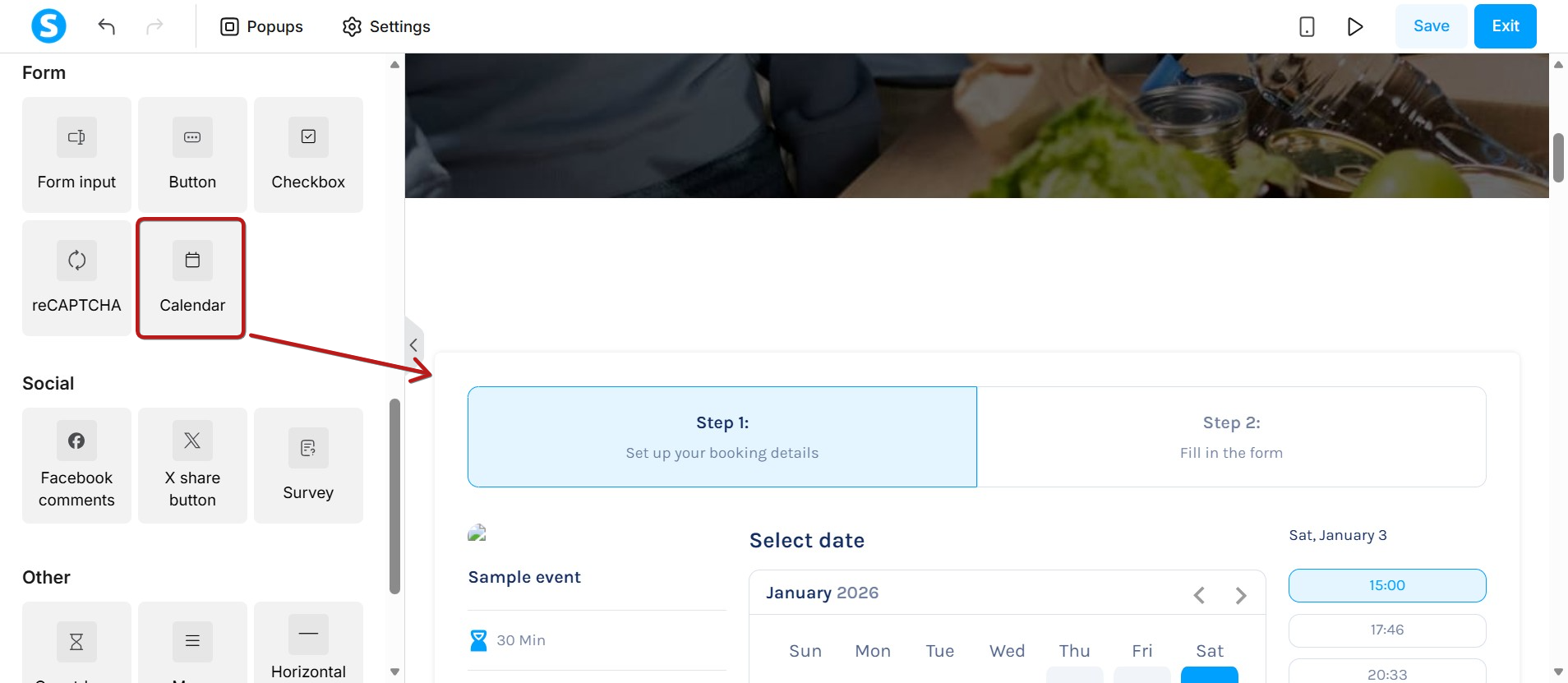
Image source: Systeme.io official site
The built-in confirmation flow is simple, not flashy. That is good enough for beginners, but it is not the reason someone buys PLR Funnels.
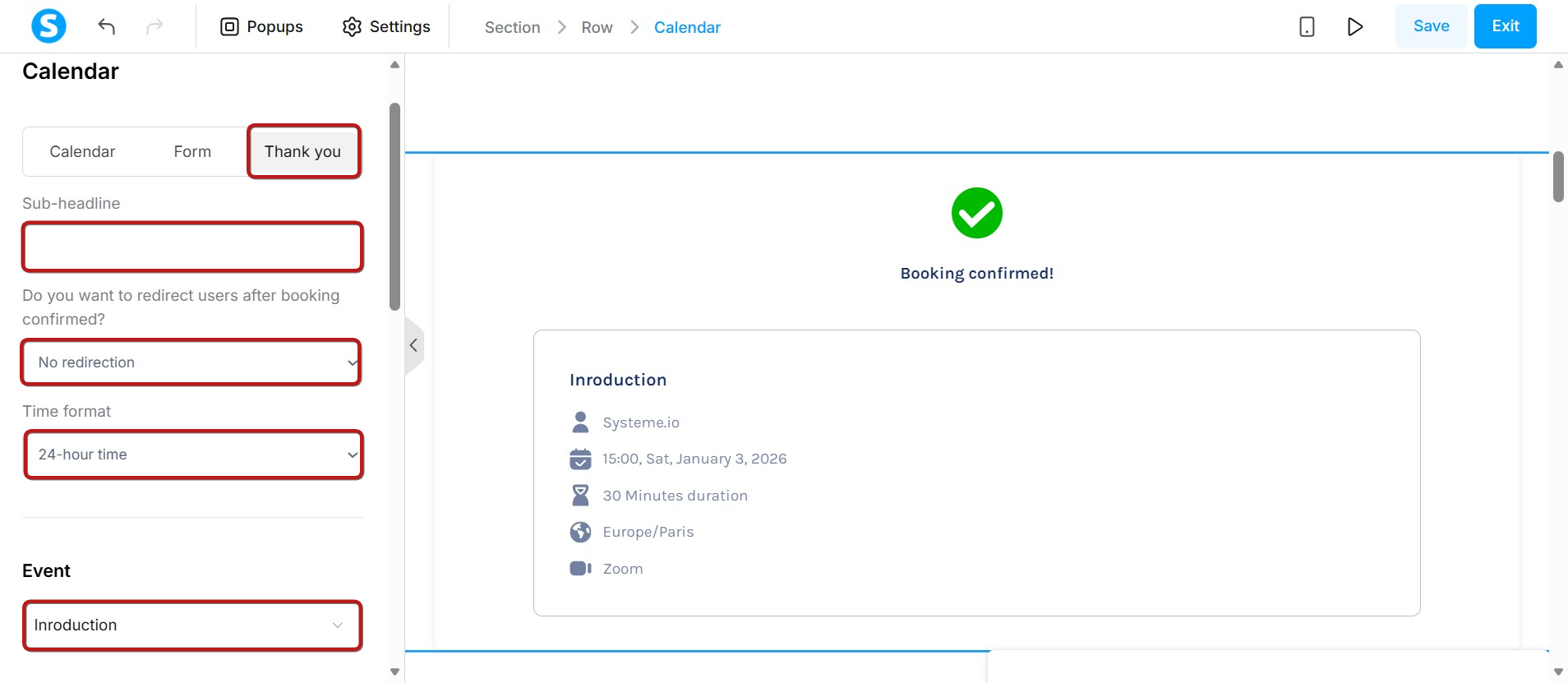
Image source: Systeme.io official site
GoHighLevel goes in the opposite direction. It looks more like a full business operating system, which is powerful, but it is also why it can feel heavier than you need if all you want is to launch one digital offer fast.
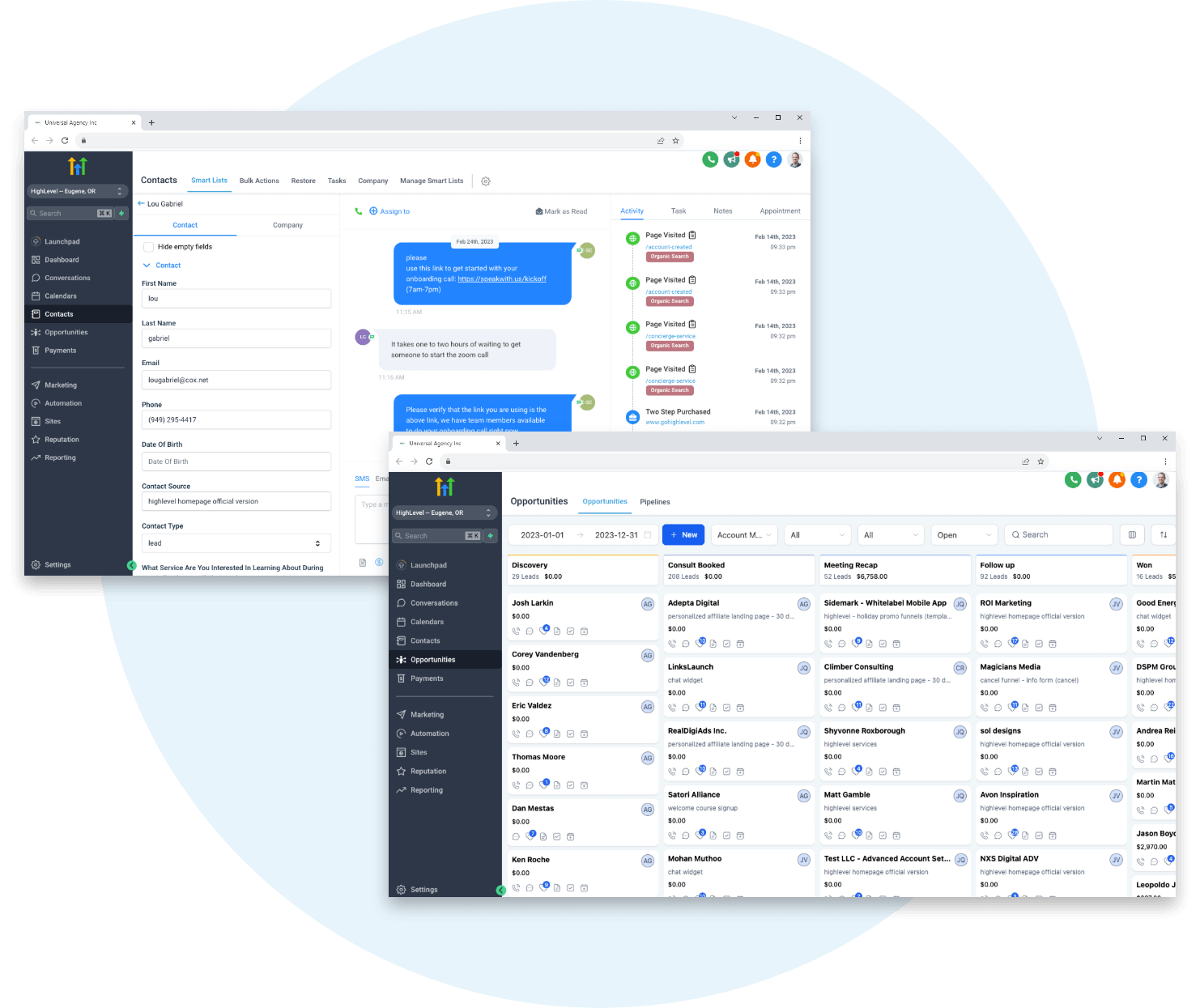
Image source: HighLevel official site
Why buying now can make sense
Buying now makes sense if you already have the niche, the traffic plan, or at least the willingness to customize and launch quickly. In that situation, delay usually means more time staring at a blank builder and less time getting real feedback from a live funnel.
Waiting is smarter if you still do not know what you want to sell or you only want the cheapest possible platform. That buyer should start with Systeme.io, or test a plain ClickFunnels trial first.
PLR Funnels is the stronger move when speed is worth paying for. If you are serious about launching and want the shortest path to a sellable funnel structure, this is exactly the kind of offer that can save you lot of time.
Alternatives to PLR Funnels
PLR Funnels is not the only way to get moving. The real question is whether you want done-for-you funnel assets, a cheaper builder, or a broader business stack that does way more than one digital offer needs.
That is why the smartest comparison is not PLR Funnels versus “doing nothing.” It is PLR Funnels versus ClickFunnels, Systeme.io, and GoHighLevel.
Check the official PLR Funnels pageChoose PLR Funnels if you already want to sell and the slow part is building everything from zero. Choose Systeme.io if price matters more than speed, and choose GoHighLevel if you need a bigger all-in-one setup for clients, pipelines, and automation.
When ClickFunnels is the better move
ClickFunnels is the cleaner choice when you want to build your own offer instead of starting from PLR. You get the funnel software, the templates, and the control, but you keep ownership of the positioning and message from day one.
That makes ClickFunnels better for creators who already know what they want to sell. It makes PLR Funnels better for people who are tired of blank-page syndrome and want a shortcut they can customize.

Image source: ClickFunnels official site
When Systeme.io is the smarter cheaper option
Systeme.io wins on price. If you are still proving your idea and you do not want another premium monthly bill, that alone is a big reason to start there first.
The trade-off is simple. You save money, but you do more of the heavy lifting yourself because Systeme.io is a budget-friendly builder, not a done-for-you PLR offer stack.
Image source: Systeme.io official site
When GoHighLevel makes more sense
GoHighLevel is for people who want more than a funnel. It is stronger when you need pipeline management, automation, calendars, messaging, and a bigger client-facing setup in the same account.
That breadth is also the reason many solo sellers do not need it yet. If your only goal is to get one digital offer live, PLR Funnels is often the simpler next step.
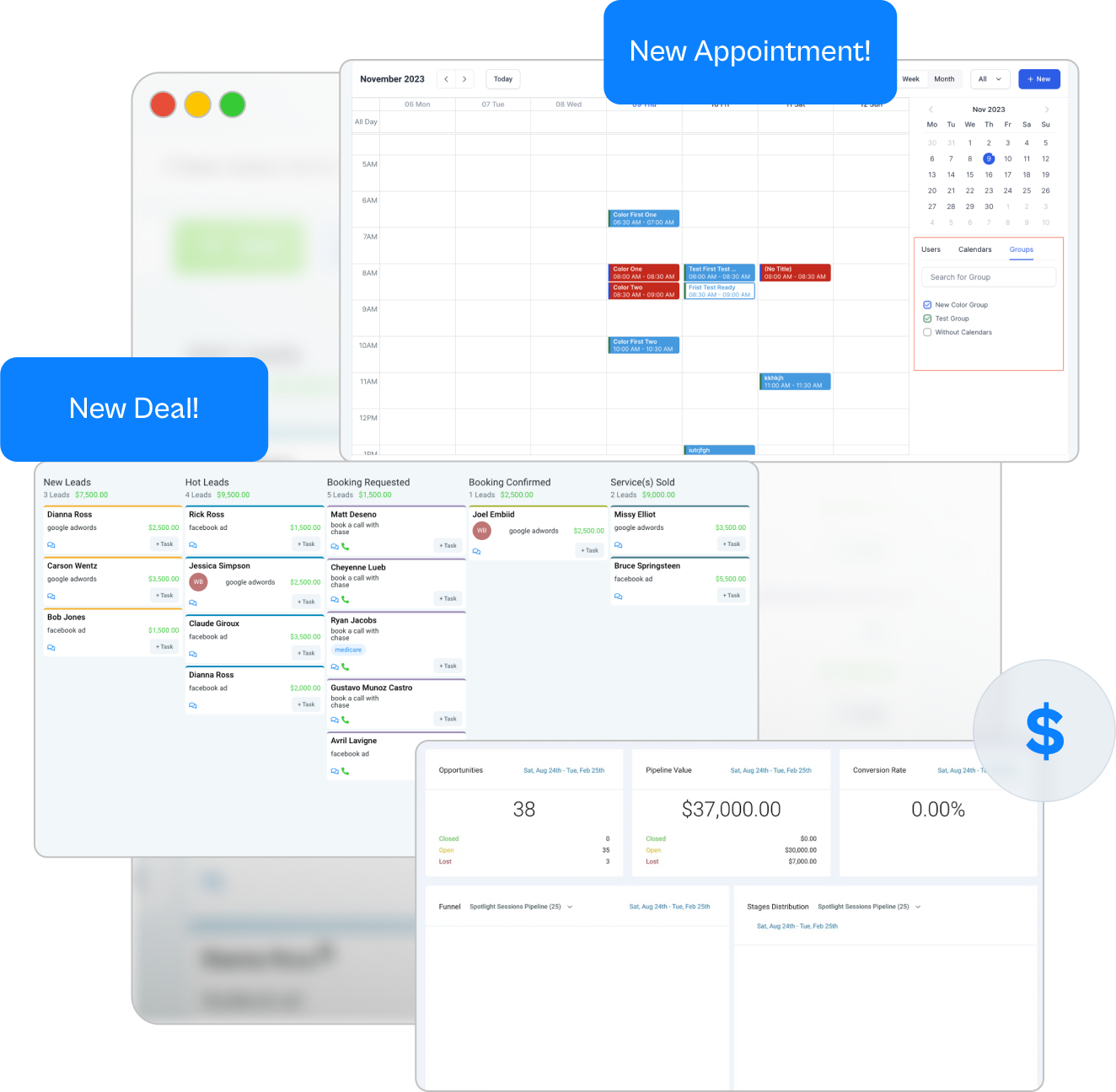
Image source: HighLevel official site
My honest take
PLR Funnels is worth it for a specific buyer. That buyer wants speed, likes the idea of starting from proven-looking assets, and would rather edit a working structure than spend weeks building one.
It is not the best buy for everyone. If you need transparent public pricing before you even watch the presentation, if you hate PLR-style starting points, or if you only want the cheapest possible setup, you should probably skip it or start with Systeme.io first.
I also would not buy this expecting instant results. The done-for-you angle saves time, but it does not replace niche judgment, offer quality, traffic, or the work of making the funnel feel like it is actually yours.
For the right buyer, though, this is exactly the kind of shortcut that can save a lot of time. If you already know you want to launch and your main problem is execution speed, PLR Funnels looks like a smart move.
That is why my verdict leans positive. Not because it is magic, but because paying for speed can be a great decision when waiting keeps you stuck.
FAQ
Is PLR Funnels a software platform?
No, it is better viewed as a done-for-you offer package built around funnels and assets. It makes the most sense alongside ClickFunnels, not as a standalone software replacement.
Is PLR Funnels good for beginners?
Yes, but only if the beginner understands what problem it solves. It helps more with speed and structure than with traffic, offer clarity, or market research.
Can PLR Funnels replace ClickFunnels?
No. PLR Funnels gives you the offer assets and funnel shortcut angle, while ClickFunnels is the actual platform used to build and run funnels.
Should you buy now or wait?
Buy now if you already want to launch and you are willing to customize what you get. Wait if you are still unsure what market you want to serve or if you need the cheapest possible test setup first.
What is the best cheaper alternative?
Systeme.io is the obvious cheaper alternative because it has a free plan and low-cost paid tiers. It is the better choice when budget matters more than getting a done-for-you shortcut.
What is the best broader alternative?
GoHighLevel is the broader option when you want CRM, automation, messaging, calendars, and client management in one stack. It is usually more platform than a solo seller needs if the main goal is one quick product launch.
If you are close to launching, I would not overcomplicate this. PLR Funnels is most attractive when the biggest thing slowing you down is building the whole machine by hand.
Explore PLR Funnels Filip Konecny Enterprises