

ConvertKit vs Systeme.io looks like a normal software comparison until you get into the details. It really is a choice between two different business setups: a creator-first email platform on one side, and a cheaper all-in-one business platform on the other.
That matters because the better tool depends on how you make money. If your newsletter is the business, ConvertKit has a cleaner pitch. If email is only one part of a wider funnel that also needs checkout pages, courses, automations, and sales pages, Systeme.io usually looks a lot stronger for the price.
My early take is simple. Pick ConvertKit when audience building and email monetization are the main event, and pick Systeme.io when you want one tool to run more of the business without stacking extra software.
Article outline
I split this review into three clear decision stages so you can get to the answer faster.
- Quick verdict and the fastest way to decide between them
- What you get, how the free plans work, and where the value actually shows up
- Alternatives, final verdict, and the questions buyers usually ask before signing up
My quick take
ConvertKit, now branded as Kit, is easier to justify when your whole model revolves around email subscribers, paid newsletters, creator recommendations, and simple subscriber automation. It gives you a generous free plan for up to 10,000 subscribers, but the paid creator features start at a higher monthly price than a lot of people expect.
Systeme.io is easier to justify when you want to launch an offer without buying three or four other tools first. The free plan is smaller on contact limits, but it gives you funnels, automation, checkout, courses, and site-building in the same account, which is exactly why it often feels like the smarter buy for newer sellers and budget-conscious businesses.
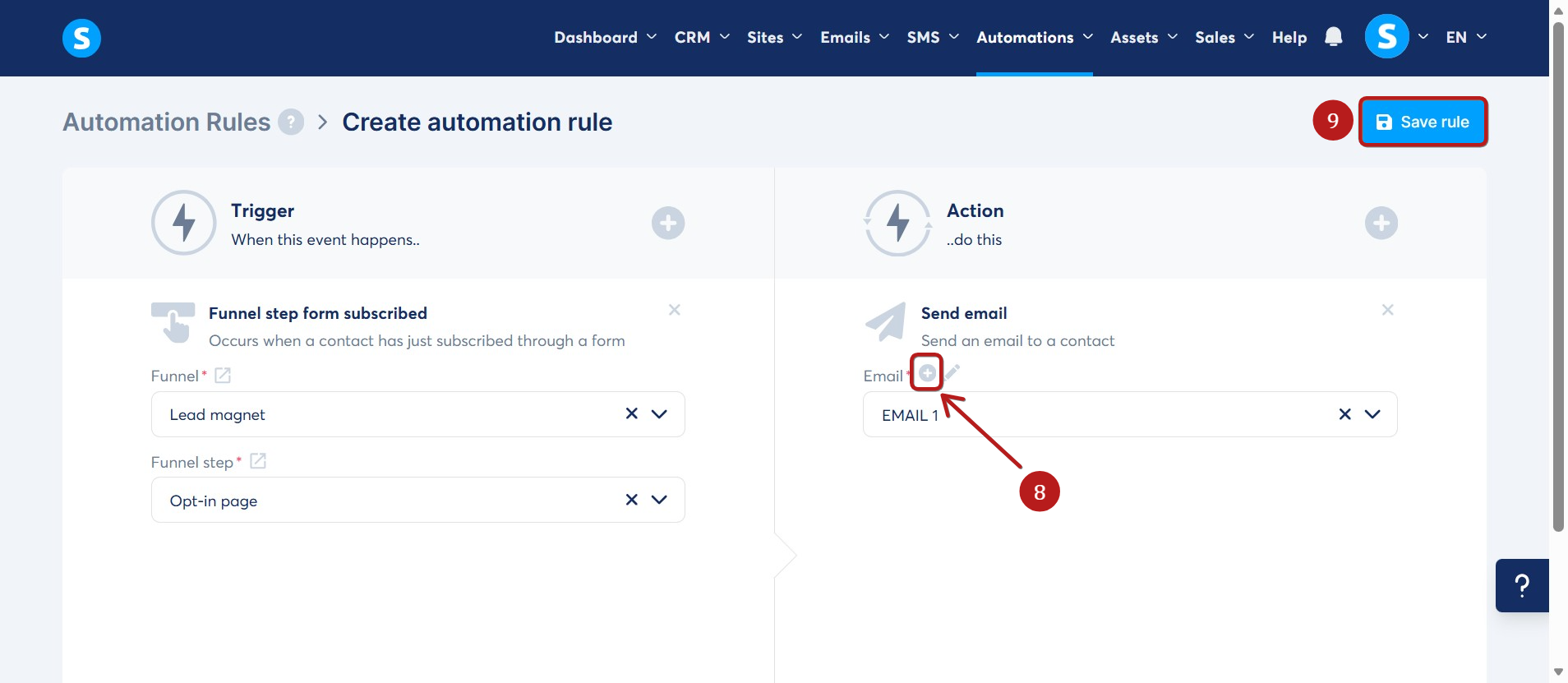
Image source: systeme.io help docs
Check the official Systeme.io free planThe biggest mistake here is comparing them as if they solve the exact same problem. They overlap on email, landing pages, and automation, but they are sold to different buyers. ConvertKit is trying to help creators grow and monetize an audience. Systeme.io is trying to help you run more of the customer journey from one dashboard.
That is also why price alone can mislead you. ConvertKit can be worth paying more for when email is the engine of the business and you care about newsletter growth tools, product sales inside the platform, and a creator-friendly setup. Systeme.io can be worth more even at a lower price because it can replace your funnel builder, course platform, checkout tool, and a chunk of your automation stack.
Beginners usually hesitate here for the wrong reason. They ask which tool has more features, when the better question is which one gets them to the first useful result faster. If that result is a cleaner newsletter operation, ConvertKit makes more sense. If that result is a working funnel with email follow-up and a product to sell, Systeme.io has the easier argument.
There is also a timing issue. Waiting too long usually means you keep patching together forms, landing pages, email software, and product delivery by hand. That might feel cheaper for a while, but it often slows down the actual launch and makes switching later more annoying than just choosing the right setup now.
Keep reading if you are deciding between an email-first creator platform and a broader all-in-one tool. The next section gets into what you actually get inside each free plan, how the pricing changes once you need more room, and why one of these tools usually becomes the more practical buy much sooner than most people expect.
What you actually get before paying
ConvertKit vs Systeme.io gets more interesting once you look at the free entry point. ConvertKit gives you more room by subscriber count, while Systeme.io gives you more of the business stack without asking you to bolt on extra tools.
Kit’s free Newsletter plan covers up to 10,000 subscribers, unlimited landing pages and forms, unlimited broadcasts, and one basic visual automation. Systeme.io’s free account is smaller at 2,000 contacts, but it includes funnels, email, one automation rule, one custom domain, and room to build an actual offer instead of just collecting subscribers.
That difference matters fast. If your next move is “grow a newsletter,” Kit feels generous. If your next move is “sell something,” Systeme.io usually gives you more useful pieces on day one.
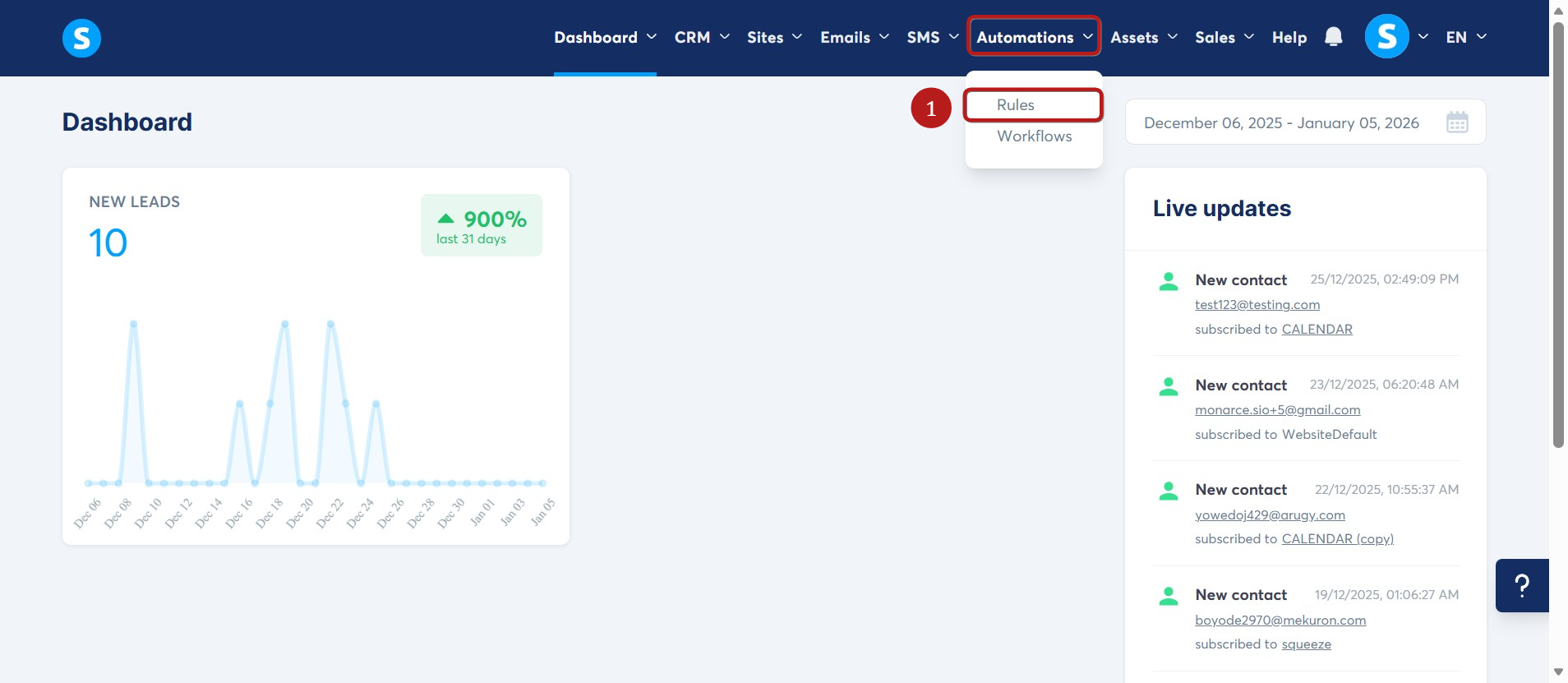
Image source: systeme.io help docs
Systeme.io also handles the “can I automate anything useful on the free version?” objection better than most cheap tools. You can build a basic rule, connect it to a funnel step, and start moving people toward a product without paying for a separate automation platform.
Kit still has a real edge if the business is the audience itself. Newsletter growth tools, creator monetization, and the overall email-first setup feel more purpose-built there, so paying for Kit makes more sense when your list is the product, not just the top of a funnel.
The free plan and trial situation
Systeme.io does not really lean on a short free trial pitch. It leans on a permanent free account, and for a lot of buyers that is easier to justify because you can actually build something real before spending anything.
Kit plays this differently. The free plan is strong for audience building, and the paid Creator tier adds the bigger stuff like unlimited visual automations, unlimited sequences, A/B subject line testing, RSS campaigns, integrations, and branding removal, with a 14-day free trial on paid plans.
That makes the decision pretty clean. Pick Kit when you need to test creator-focused paid features. Pick Systeme.io when you want to test whether one account can replace your landing page tool, course tool, checkout flow, and email setup.

Image source: systeme.io help docs
The good stuff
Systeme.io starts to look like a smart buy once you price out the stack it can replace. The official plans page also highlights unlimited emailing, unlimited students, and no transaction fees across plans, which is exactly the kind of thing that makes a cheap tool feel more expensive in a good way.
That is the main reason I would lean toward Systeme.io for most newer sellers. You can build the page, capture the lead, send the emails, take the payment, and host the course without turning setup into a software scavenger hunt.
Kit’s good stuff is different. It is cleaner for creators who care more about subscriber growth, list management, monetizing a newsletter, and keeping email at the center of the business instead of turning the platform into an all-in-one storefront.
Here is the catch with Kit. Its value makes the most sense after you already know your content and list are the business model, because the paid jump is harder to justify if you still need funnels, checkout pages, and product delivery elsewhere.
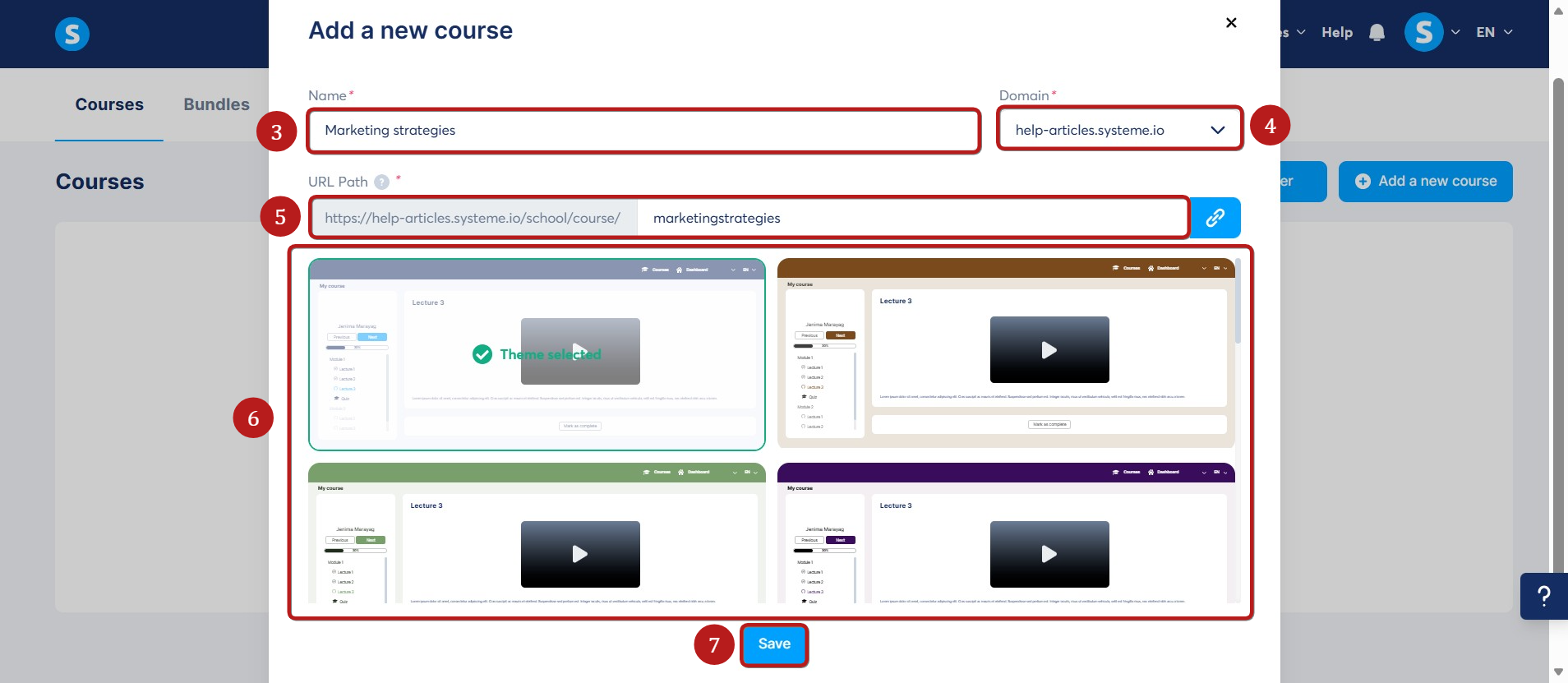
Image source: systeme.io help docs
Pricing and value next to a few real alternatives
Price only tells the truth when you compare what each tool is replacing. A cheap email tool can still be the more expensive choice if you need funnels, checkout, automations, and course delivery on top of it.
That is why Systeme.io keeps landing in a sweet spot. It starts at $17 per month on the Startup plan, while Kit’s paid entry point lands at $39 per month for up to 1,000 subscribers on monthly billing, or $33 per month billed yearly, and both Brevo and GoHighLevel solve different problems entirely.
See current Systeme.io pricingBrevo is the better value when you mainly want email and maybe SMS without paying all-in-one money. Moosend is also worth a look if you want a cheaper email-first option and you do not care about replacing your funnel or course setup.
GoHighLevel makes more sense when your business starts to look like an agency machine. Most people deciding between ConvertKit and Systeme.io are nowhere near that point, which is why Systeme.io feels more realistic for regular creators, coaches, consultants, and small digital sellers.
Why buying sooner can actually save you time
Waiting sounds cheaper until you count the tools and setup work you keep stacking. If you already have an offer, a lead magnet, or a course idea, delaying the decision usually means you keep postponing the actual funnel and follow-up sequence that would start bringing in sales.
Systeme.io is especially easy to justify when your current setup is messy. For the right buyer, the platform earns its price by replacing enough moving parts that the cost stops being the main problem.
ConvertKit is still the better buy for the person who already knows they are building an email-led creator business. Everyone else should probably be honest about whether they need a creator-first email tool or a cheaper all-in-one tool that gets the whole machine running faster.
If you want the safest choice for launching and selling without overcomplicating the stack, Systeme.io is the one I would explore first. If you only need email and audience growth, Kit can still win, but the second you need more than that, Systeme.io starts looking like the smarter move.
Alternatives and my final verdict
ConvertKit vs Systeme.io stops being confusing once you stop treating them like twins. One is stronger when the newsletter is the business, and the other is stronger when the business needs pages, payments, automations, and product delivery in the same place.
That is why this decision usually comes down to how fast you want to launch and how many tools you want to manage. If your current setup already feels messy, Systeme.io has the easier sales pitch.
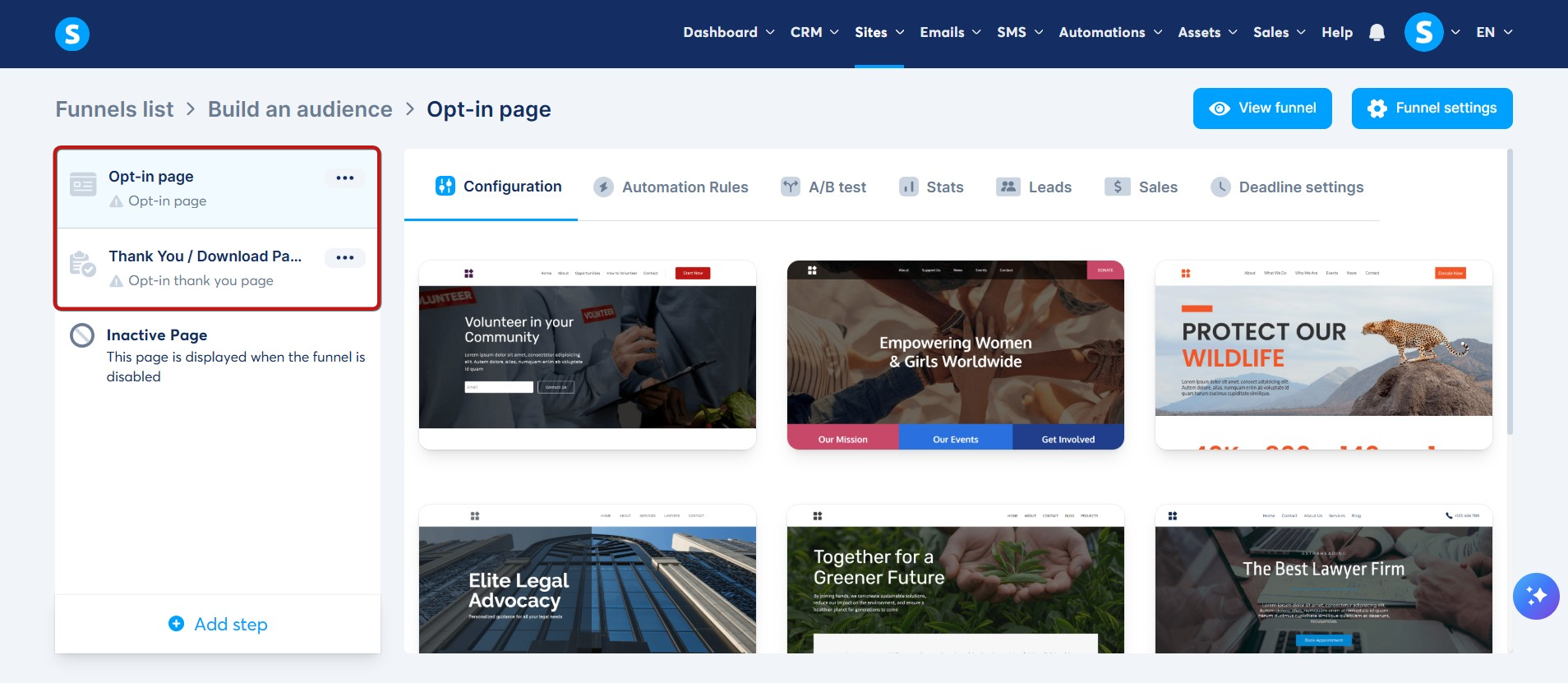
Image source: systeme.io help page on creating a funnel
This screenshot shows the practical reason a lot of buyers end up leaning toward Systeme.io. You are not just getting email software here. You are getting the actual funnel structure that turns traffic into leads and leads into customers.
Image source: systeme.io help page on automation rules
Automation is where cheap tools usually disappoint. Systeme.io is more compelling because you can pair forms, funnel steps, and follow-up rules without buying another automation tool right away.
Image source: systeme.io help page on creating a course
Course hosting is another reason the value gap widens. If you sell coaching, digital products, or membership content, Systeme.io keeps looking stronger because the platform covers more of the customer journey without asking you to stitch together another app.
Which one should you choose instead?
Here is the cleanest way to look at the alternatives. The best tool depends less on feature count and more on what kind of business you are actually building.
Get started with Systeme.ioChoose Systeme.io if you want the broadest value for the least money and you need to launch, sell, and follow up from one place. Choose Kit if your newsletter is the main asset, choose a cheaper option like Brevo or Moosend if you mainly need email, and choose GoHighLevel only if your business already looks like an agency machine.
My honest verdict
Systeme.io is the better buy for most people comparing ConvertKit vs Systeme.io. The reason is not that it beats Kit at everything. It is that it covers more of the real work you need to do after someone joins your list.
Kit still wins for a specific buyer. If you are building a newsletter-first brand, monetizing attention, and treating email as the main product, Kit is easier to justify even at the higher price.
Most newer creators are not in that position yet. They need a page, a form, a sequence, a checkout, and somewhere to deliver the thing they are selling. Systeme.io handles that path better without making the software bill ugly.
That is why I would not wait too long if you already have an offer to launch. Keeping everything manual feels safe, but it usually just delays the build, the follow-up, and the first sale.
Systeme.io is not perfect. If you care most about advanced creator-native email growth and newsletter monetization, Kit is still the cleaner specialist. But if you want one practical tool that gets the whole machine running faster, Systeme.io is the stronger move.
FAQ
Is Systeme.io better for beginners?
Usually, yes. Beginners tend to need fewer tools, lower cost, and a simpler path from lead capture to sale. Systeme.io covers more of that path inside one account, which is why it often feels easier to start with.
Is Kit better for newsletters?
Yes, for the right kind of business. If the newsletter is the center of your model and you care most about subscriber growth, creator monetization, and email-first workflows, Kit makes more sense than forcing an all-in-one tool to behave like a newsletter specialist.
Should you switch from Kit to Systeme.io?
Switch if you are paying for Kit and still paying for separate funnel, checkout, or course tools on top of it. Stay with Kit if those extra tools are not a problem and your list is still the main asset you are building around.
Is GoHighLevel overkill for this comparison?
For most solo creators, yes. GoHighLevel is more attractive when you need agency features, client accounts, and heavier CRM workflows, not when you are just trying to pick between a creator email tool and a leaner all-in-one platform.
Should you start now?
Start with Kit only if you already know you are building a newsletter-led creator business. Start with Systeme.io if you want the safer all-around choice for launching an offer without stacking extra software.
That is the cleaner answer here. For most people ready to move, Systeme.io is the one worth exploring first.
Check the official Systeme.io free plan Filip Konecny Enterprises