
If you searched for Systeme.io enterprise pricing, you are probably trying to answer a very practical question: is this a cheap all-in-one tool that stays cheap as you grow, or are you about to run into a hidden sales-call tier later?
Here is the short answer. The current public pricing page shows four plans: Free, Startup, Webinar, and Unlimited, with Unlimited sitting at $97 per month on monthly billing. I did find older pages and older listings that still use “Enterprise” language, which is exactly why this keyword gets confusing.
That matters because the decision changes depending on what you need. If you want a normal public plan you can buy without talking to sales, Systeme.io still looks aggressively priced. If you are expecting a custom enterprise package with negotiated contracts, advanced security paperwork, and a traditional enterprise sales process, this is probably not that kind of product.

Image source: Systeme.io blog
My quick take
Systeme.io looks strongest when you want one tool to handle funnels, email, checkout pages, courses, automation, and basic CRM without paying agency-platform prices. The price story is simple on the surface, but the word “enterprise” makes it look more complicated than it really is.
Right now, the best way to think about it is this: Unlimited is the top public plan most buyers will compare, and white label access is tied to that plan without an extra monthly add-on. That is a good deal for creators, coaches, course sellers, and lean teams, but it is not the same thing as a heavyweight enterprise stack built for procurement departments and multi-step approvals.
If you want to check the live plan page before reading further, explore Systeme.io.
Check the official free planArticle outline
I split this review into three simple sections so you can jump straight to the part that helps you decide faster.
- Quick snapshot and whether there is actually a real enterprise tier
- What you get on the plans, the good stuff, pricing and value, and why buying now could make sense
- Alternatives worth looking at, my final verdict, and FAQ
So is there actually a Systeme.io enterprise plan?
Not in the normal way most people mean it. The current pricing page pushes Free, Startup, Webinar, and Unlimited, and that makes Unlimited the practical top plan for almost everyone shopping today.
The confusion comes from older pricing pages and third-party listings that still mention “Enterprise” or show older price points. That does not automatically mean Systeme.io is hiding a custom enterprise checkout behind the scenes. It mostly tells you the brand has changed plan naming over time, while the current public offer is much cleaner than the keyword suggests.
That is good news for buyers who hate sales calls. You can understand the offer fast, test the platform on the free plan, and only move up when the usage limits start getting in your way.
It is less exciting if you work inside a bigger company that expects enterprise procurement boxes to be checked before anybody swipes a card. If you need the full classic enterprise package, with contract negotiation, procurement-friendly documentation, and a very obvious enterprise sales path, you will probably feel more at home with a broader platform like GoHighLevel or a higher-priced funnel stack like ClickFunnels.
For everyone else, the real question is simpler: does the top public Systeme.io plan already do enough to replace other tools you are paying for? If the answer is yes, the missing enterprise label stops mattering pretty quickly.
What you get before you pay anything
Systeme.io does not really make you hunt for some hidden enterprise trial. The real test drive is the free plan, and it is generous enough to answer the only question that matters: can you actually build something useful before spending money?
The free plan currently gives you 3 funnels, 15 funnel steps, 2,000 contacts, 1 automation rule, 1 workflow, 1 custom domain, unlimited email sending, 1 blog, 1 course, 1 community, A/B testing, order bumps, 1-click upsells, and 0% transaction fees. That is enough to launch a lead magnet, a simple sales funnel, or a basic course offer without pulling out your card.
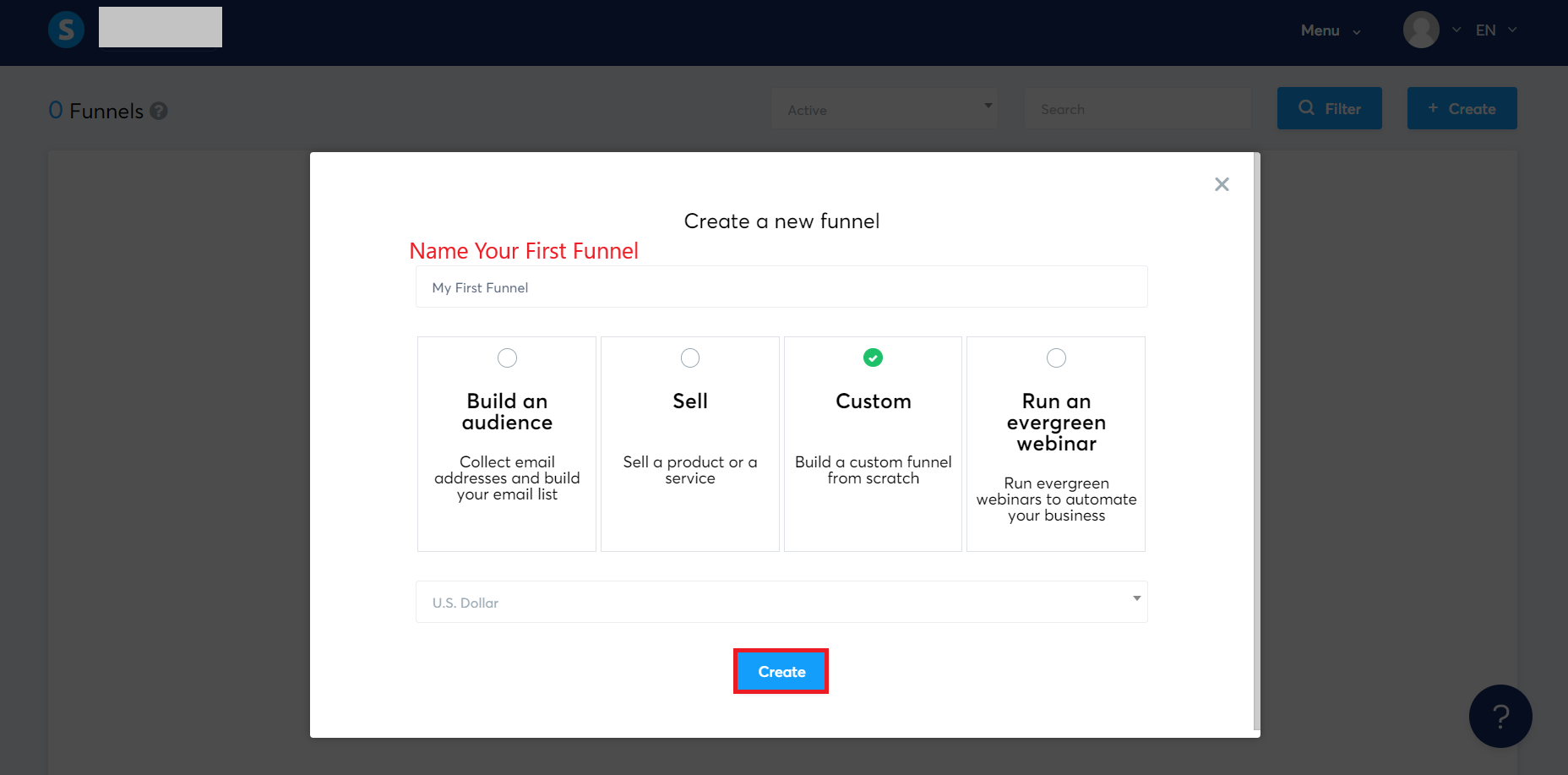
Image source: Systeme.io
That matters because most “free” offers in this category are basically demos. Systeme.io lets you build a real asset, connect a custom domain, collect leads, send emails, and take payments before you ever think about upgrading.
The catch shows up fast if you want to run more than one serious funnel. One automation rule and one workflow are fine for proving the idea, but they get tight the second you want multiple lead magnets, extra segments, or more than one project.
The paid plans are easy to read. Startup raises you to 10 funnels, 10 automation rules, 3 custom domains, and 5,000 contacts for $17 per month, Webinar jumps to 50 funnels, 100 automation rules, 10 domains, 10,000 contacts, and 10 evergreen webinars for $47, and Unlimited removes the main caps for $97.
That pricing structure is one of the biggest reasons the whole Systeme.io enterprise pricing question feels smaller once you see the actual plans. For most creators, coaches, and lean teams, the “enterprise” move is not a secret quote from sales. It is usually just moving from free to Startup, Webinar, or Unlimited when the limits start pinching.
The good stuff
Systeme.io earns its keep by replacing a messy stack. You can build the funnel, collect the lead, send the emails, take the payment, deliver the course, run the affiliate program, and manage simple follow-up logic in one place.
That is the real payoff, not the feature list itself. You spend less time duct-taping tools together and more time getting the page live, which is usually the part people keep delaying.
The automation side is better than the price suggests. The current workflow and automation documentation shows triggers tied to funnel subscriptions, new sales, tags, email opens, email link clicks, page visits, webinar registrations, bookings, course events, and failed subscription payments.
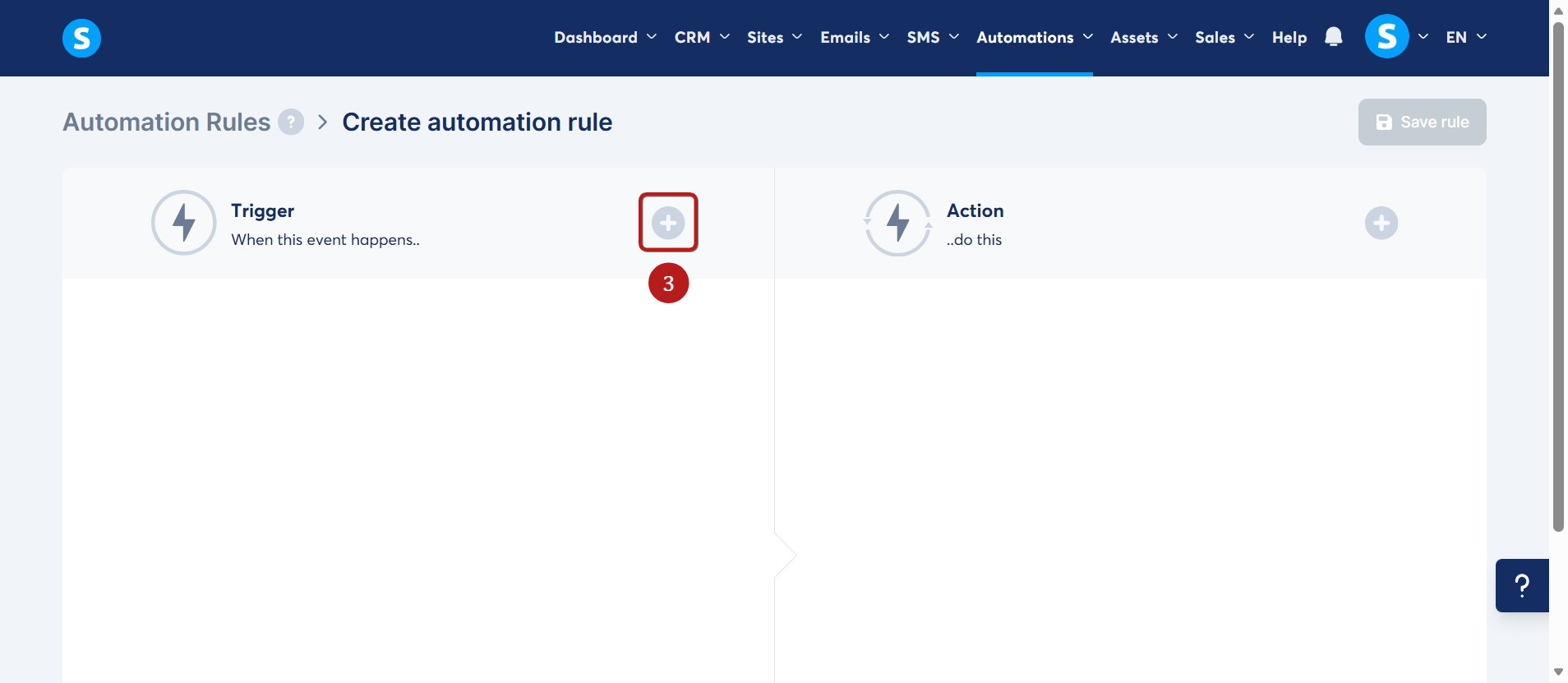
Image source: Systeme.io
That means it is not just a landing-page builder pretending to do automation. You can build simple but useful logic around real buyer behavior, which is exactly what makes an all-in-one tool feel worth paying for instead of just “cheap.”
Another surprisingly strong point is subaccounts. The current pricing table says every plan can create unlimited subaccounts, and each subaccount gets the same limits as the main account plan, which is unusual for software this cheap.
That is why small agencies and service businesses may not need a traditional enterprise tier at all. If your version of “enterprise” really means managing multiple projects or client spaces without getting crushed on price, Systeme.io already covers more ground than the keyword suggests.
Here is the downside. The interface looks more practical than premium, and buyers who want deeper agency rebilling, heavier admin controls, or a more obvious enterprise procurement path may still find it too light.
Pricing and value
This is where Systeme.io starts looking hard to ignore. Free is real, Startup starts at $17, Webinar is $47, Unlimited is $97, and the public pricing page also pushes annual billing with two months free.
That makes the upgrade path easy to justify. You can start cheap, validate your funnel, and only pay more when your contacts, automation volume, webinar needs, or domain count actually demand it.
The price story gets even clearer when you compare it to other affiliate tools people usually put in the same shortlist.
See current pricingFor a solo creator or small business, Systeme.io usually gives the cleanest value story. You can start for free, move to Startup when the free limits get tight, and still stay far below the entry cost of the more expensive all-in-one options.
That does not mean it wins every comparison. ClickFunnels can make more sense if your entire world is funnel optimization, and GoHighLevel can make more sense if you are running an agency and want a broader client-management setup.
If you only need email campaigns and simple newsletters, an all-in-one might be more than you need. A leaner option like Brevo or Moosend can be the better buy when funnels, courses, and checkout flows are not part of the plan.
Why you might want to start now
Systeme.io is worth starting now if you already have something to sell, a lead magnet to build, or a list you want to grow. The free plan lowers the risk enough that waiting usually turns into another month of talking about funnels instead of publishing one.
That is the practical reason this tool converts people. It makes the first step cheap, and cheap action beats endless tool research almost every time.
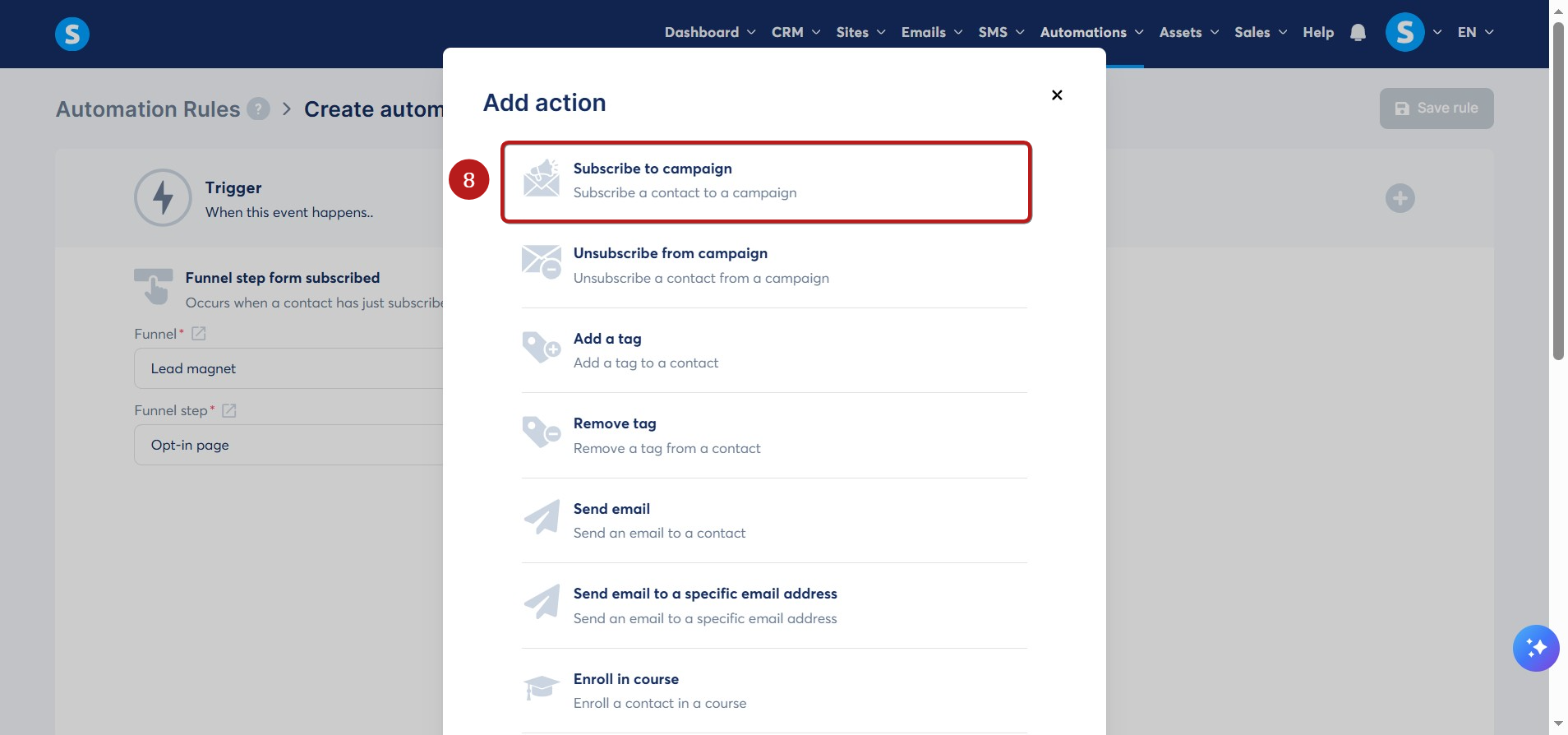
Image source: Systeme.io
You probably should not upgrade right away if your offer is still fuzzy and you are not ready to build. Software helps a clear business move faster, but it does not create the business for you.
You probably should start right away if your current setup already feels patched together. Once you need landing pages, email follow-up, checkout, automations, and delivery in the same workflow, keeping everything manual usually costs more time than the software costs money.
That is where Systeme.io makes the most sense. It is not trying to look like a giant enterprise contract, and for the right buyer that is exactly the appeal.
If you want the easiest next step, get started with Systeme.io and see whether the free plan is enough before paying for anything.
Alternatives worth looking at
Systeme.io is not the right pick for everyone. The smart move is matching the tool to the kind of business you actually run instead of forcing an “enterprise” label onto software that is really built for speed, simplicity, and low overhead.
That is why this comparison matters. If you are a solo creator, coach, course seller, or small team, Systeme.io usually wins on value. If you run an agency, need heavier client management, or want a more specialized setup, another tool may fit better.
Image source: Systeme.io
Check the official free planChoose Systeme.io if you want the cheapest real all-in-one route to launch and sell without juggling five tools. Choose a cheaper email-first tool if funnels, courses, and checkout flows are not part of your plan. Choose a broader agency option if client sub-accounts, deeper agency workflows, and a heavier setup matter more than keeping costs low.
My final verdict
Systeme.io is worth trying for the right buyer. The public plans are simple, the free tier is usable, and the top plan is still cheap enough that the whole “Systeme.io enterprise pricing” search usually ends with a much smaller bill than people expect.
That is also the main reason it converts well. You can start for free, build something real, and upgrade only when your funnel count, automation needs, contacts, webinars, or domains actually grow past the free limits.
Image source: Systeme.io
Buy now if your offer is ready and your current setup feels patched together. Waiting too long usually means you keep delaying the actual funnel, the email sequence, and the checkout flow because the tool stack still feels annoying.
Wait if you do not have a clear offer yet. Software can speed up execution, but it will not fix a business model that is still fuzzy.
Skip it if you need a traditional enterprise sales process, formal procurement comfort, or a truly agency-heavy setup. Systeme.io is strong because it stays simple and cheap, and those same traits can feel too light for buyers who want deeper enterprise structure.
For creators and small businesses, that tradeoff is usually a win. You give up some enterprise polish and get a much easier path to launching, selling, and automating without spending a fortune.
FAQ
Is there a real Systeme.io enterprise plan?
Not as a clearly listed public tier on the current pricing page. Most buyers will be choosing between Free, Startup, Webinar, and Unlimited instead of booking an enterprise sales call.
Is the free plan actually enough to test the platform?
Yes, for a serious first test. You can build funnels, send emails, connect a custom domain, use one workflow, and launch a simple offer without paying upfront.
Who should skip it?
Big teams that want a classic enterprise buying process should probably skip it. Agencies that need a broader client-management setup may also feel more comfortable with GoHighLevel.
Is it better than ClickFunnels?
It is cheaper and easier to justify for a lot of small businesses. ClickFunnels can still be the better fit when funnels are the center of your whole business and you want a more funnel-first environment.
Should you start now or wait?
Start now if you already have something to sell or a list to build. Wait if you are still guessing about the offer, because no tool saves a weak offer.
Image source: Systeme.io
Should you try it?
Yes, if you want an all-in-one tool that keeps the cost low and lets you move fast. No, if you need a heavyweight enterprise setup or you are still too early to use even the free plan well.
That is the cleanest answer to the Systeme.io enterprise pricing question. Most people searching it do not need a mysterious enterprise tier at all. They need a platform that gets the funnel live, sends the emails, takes the payments, and does not eat the budget.
If that sounds like you, the next step is obvious. Try the free plan, build one real funnel, and see whether it replaces enough of your current stack to make upgrading easy later.
Get started with Systeme.io Filip Konecny Enterprises