
Systeme.io gets attention fast because the price looks almost suspiciously low. When the first paid plan is still $17 on the official pricing page, the obvious question is whether you found a bargain or a tool you will outgrow in a month.
For the right buyer, the low price is real value. If you want funnels, email, automations, checkout pages, courses, and affiliate management in one place, Systeme.io can replace a messy stack without forcing you into premium-tool pricing on day one.
It is not perfect, and that matters. The editor is simpler than more expensive platforms, deeper CRM needs can push you toward other tools, and some people will be better off waiting until they actually have an offer ready.
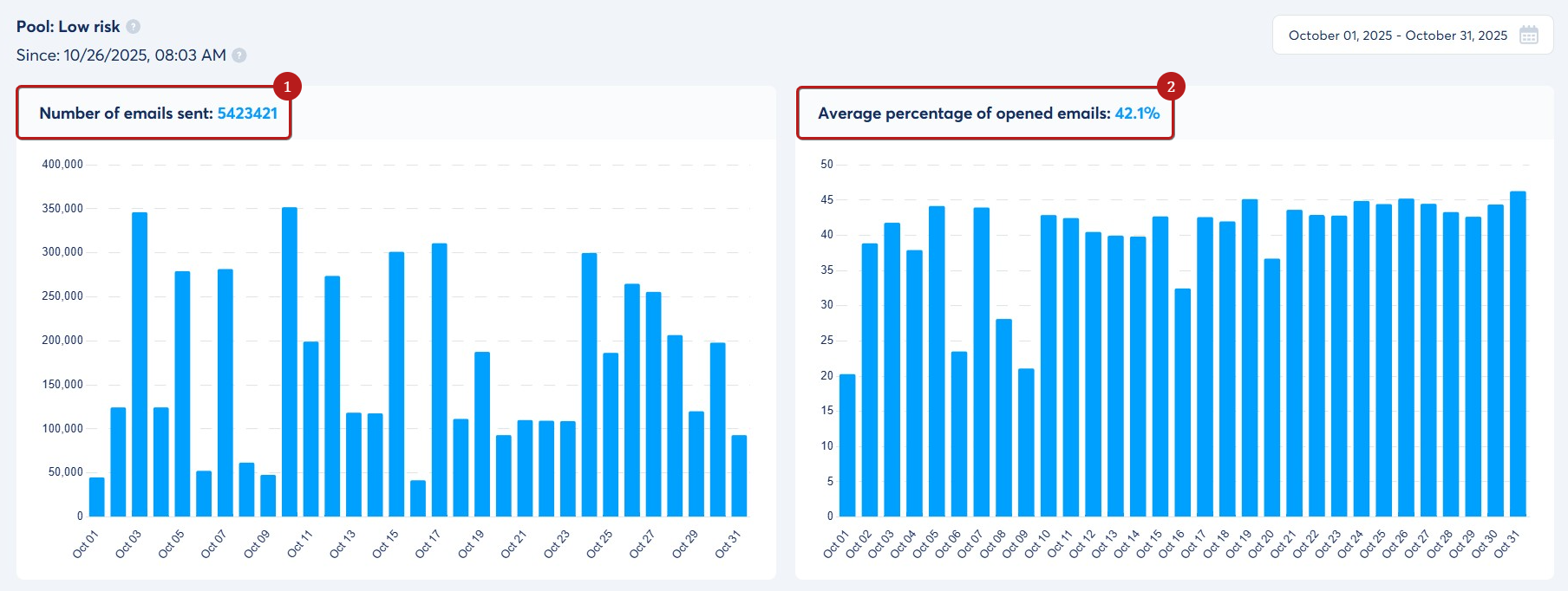
Image source: Systeme.io help article on high-volume email costs
Article outline
This review is built to answer one thing clearly: whether the cost of Systeme.io makes sense for you now, later, or not at all. I am going to start with the price itself, then move into what you actually get, and finish with alternatives and the final call.
- Is the cost actually worth it?
- Systeme.io pricing at a glance
- What you get on the free plan before you spend anything
- The good stuff that makes the platform easier to justify
- How the price compares with other tools you might buy instead
- Why waiting can cost more than the software
- The best alternatives if Systeme.io is too basic or not the right fit
- My honest verdict
- FAQ
Is the cost actually worth it?
Yes, for a lot of small businesses and creators, the price is the main reason to take Systeme.io seriously. The official pricing page still shows four levels at $0, $17, $47, and $97, which gives it a much easier starting point than most funnel-first competitors.
The free level is not just a teaser either. Systeme.io still says that even the free plan includes 2,000 contacts, 3 funnels, 1 automation rule, and 1 custom domain, which is enough to test a real offer instead of poking around a demo account.
The cost looks even better once you compare it with the names most buyers cross-shop. ClickFunnels still starts at $97, and HighLevel still starts at $97, so Systeme.io is not just a little cheaper at entry level.
The email side is where the value gets harder to ignore. Systeme.io says in its help docs that all plans include unlimited email sending, and the Unlimited plan stays at $97 because billing is based on contacts rather than email volume.
That matters because email volume is where cheap tools often stop feeling cheap. Systeme.io even shows its own dashboard image in that same help article with more than 5.4 million emails sent in a month and a 42.1% average open rate, which is company-reported, not a promise, but still useful when you are judging whether the platform can handle real usage.
A few smaller details make the price stronger than it looks at first glance. Systeme.io says free migration is included on the Unlimited monthly plan and on annual plans, its support docs say replies average under two hours by email, and the platform also says you can create unlimited sub-accounts even on the free plan.
Here is the catch. Low cost does not automatically mean best choice, and if your business depends on deeper CRM management, heavier design freedom, or a bigger agency stack, the cheaper price can stop mattering pretty quickly.
Systeme.io pricing at a glance
This is the part that makes Systeme.io easy to understand. The official pricing page keeps the ladder simple, and annual billing still shows two months free, which is useful if you already know you are going to stick with the platform for a while.
See current pricingThe table makes the decision simpler than most software pricing pages do. If you are still validating an idea, the free plan is enough to get moving, and if you already have traffic or an offer ready, the $17 plan is where Systeme.io starts to look unusually hard to beat.
The next step is not staring at price alone. You need to see what the free plan actually lets you build, what the platform does well, and where a more expensive tool may still earn its price.
What you get on the free plan
Systeme.io handles the cost objection better than most tools because you can start without guessing. The official pricing page still shows a free plan with no credit card required, so you can build something real before you pay a cent.
The free plan is not just a login and a demo screen. Systeme.io’s own pricing pages and product pages still point to 2,000 contacts, 3 sales funnels, unlimited email sending for those 2,000 contacts, plus a blog, a course area, and a custom domain on the free level.
That is enough to test a lead magnet, a digital product, a coaching offer, or a simple service funnel. If you are still validating an idea, paying more than this on day one usually means you are buying software before you have proof.
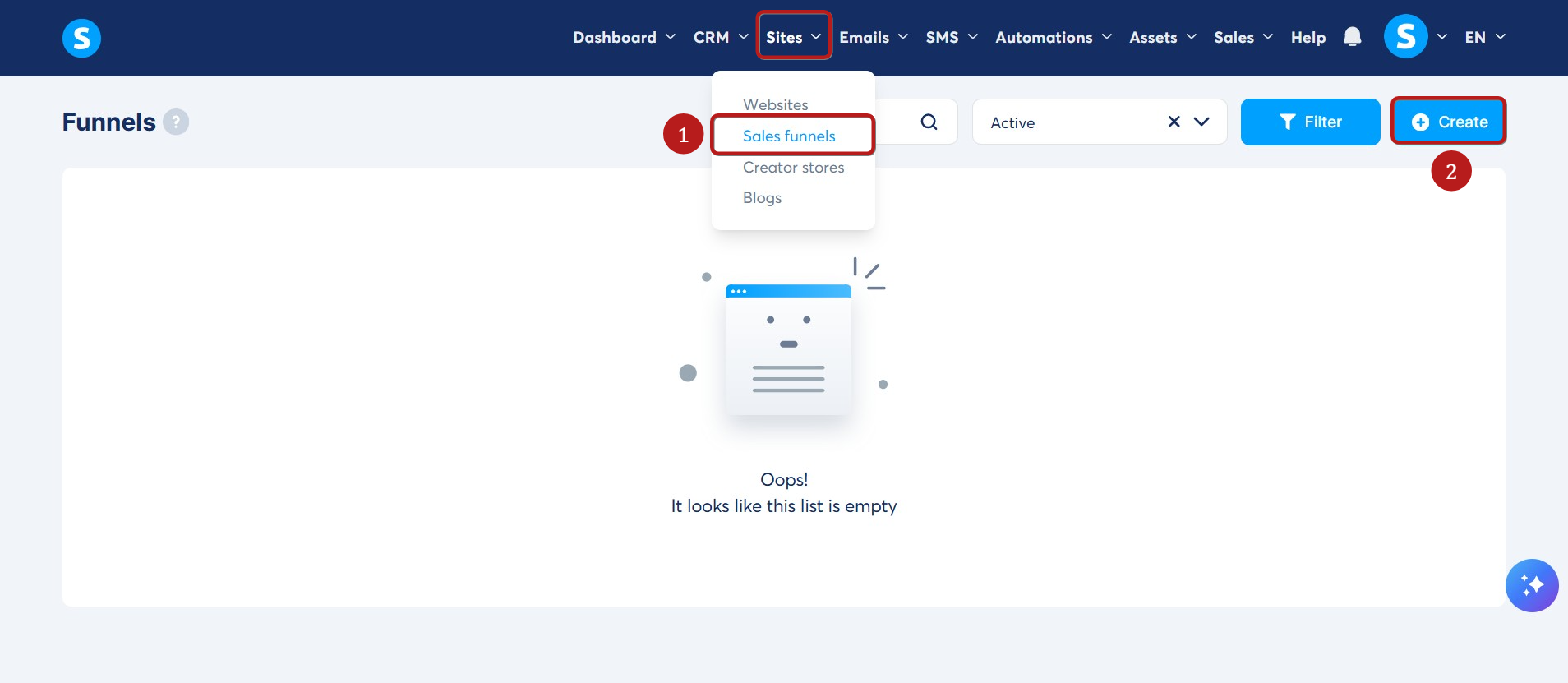
Image source: Systeme.io help page on creating a funnel
The free plan also makes switching less scary because you can build first and pay later. You do not need to commit before you know whether the page builder, checkout flow, and email setup feel simple enough for you.
The good stuff
Systeme.io earns its price by replacing a pile of tools that would normally cost more together. You can build the funnel, collect the lead, send the emails, host the course, take the payment, and run your own affiliate program from one login instead of stitching platforms together.
Unlimited email sending is a bigger deal than it sounds. Systeme.io still says every plan includes unlimited sending, with limits based on contacts rather than email volume, which keeps the cost easier to predict as you grow.
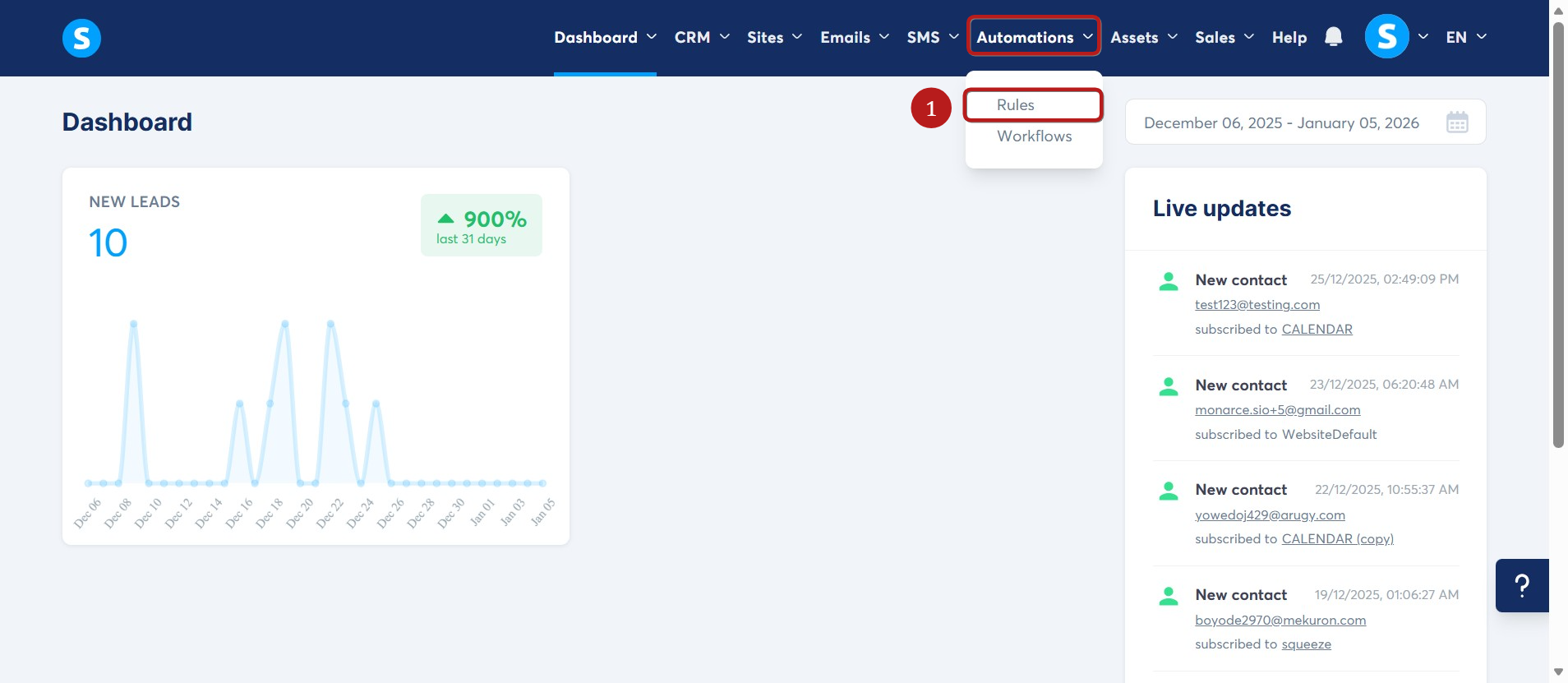
Image source: Systeme.io help page on automation rules
Automation is another reason the cost stays attractive. Even simple follow-ups save time fast, and once a lead opts in, buys, or joins a course, you do not need to manually push them through the next step every time.
The higher plans start making more sense when you want webinars or when you are replacing a more expensive setup. Systeme.io’s webinar documentation and funnel help pages still show that evergreen webinars are available on the Webinar and Unlimited plans, which matters if webinars are part of how you sell.
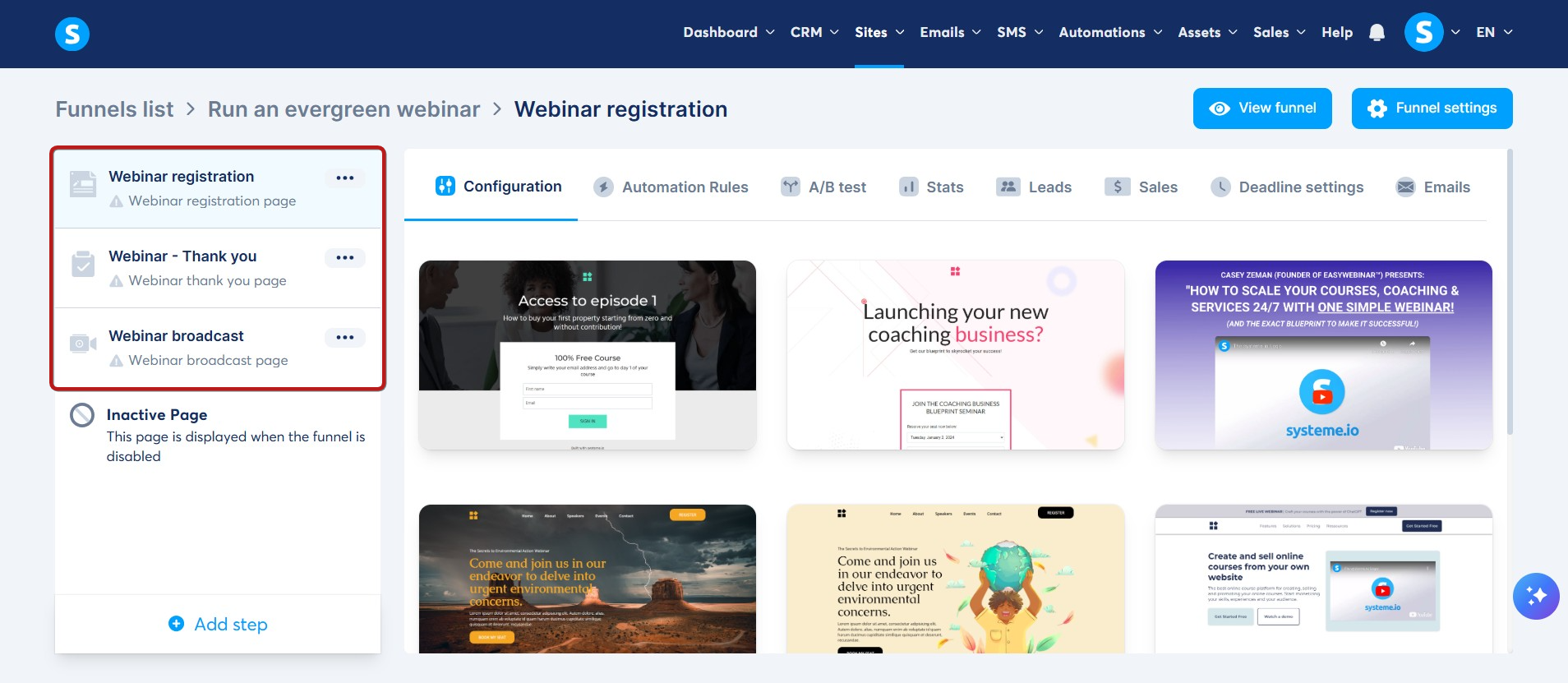
Image source: Systeme.io help page on automated webinars
Paid plans also clean up the branding. Systeme.io’s help docs say you need a paid subscription to remove the affiliate badge from pages and to remove the “Sent with systeme.io” footer from emails, so upgrading is not just about limits.
That matters more than people admit. A free plan is fine for testing, but once you are charging money, cleaner branding makes the whole business look more serious.
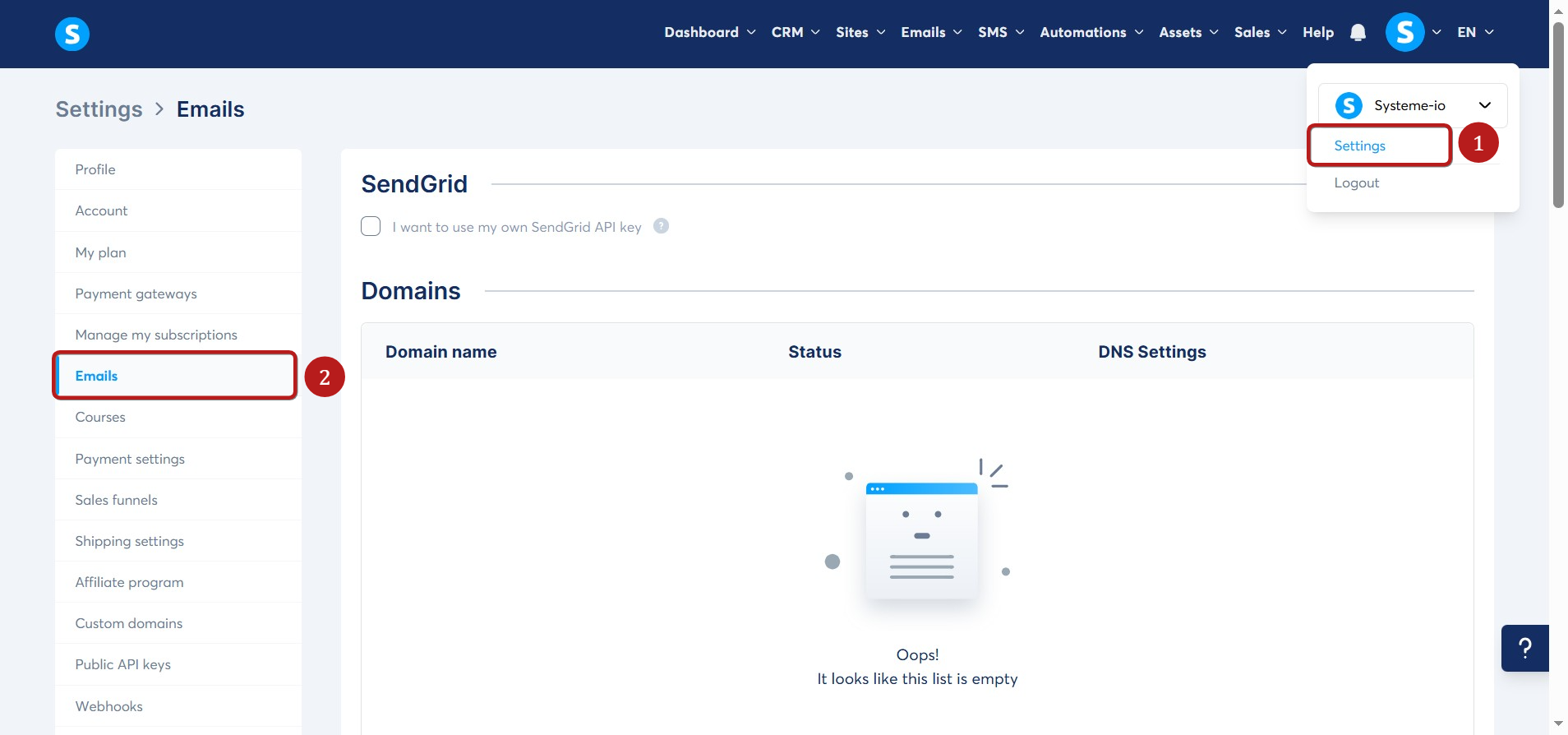
Image source: Systeme.io help page on removing email footer branding
Here is the catch. The low price comes with a simpler editor and a simpler overall feel than tools built for bigger teams or agency workflows, so if you want deep customization more than affordability, you may feel boxed in sooner.
Systeme.io vs other tools that cost more
The price only makes sense when you compare it to what you would buy instead. Systeme.io is not trying to be everything for everyone, but it makes a very strong case if you want one tool that gets you launched without turning software into the whole project.
Check the official free planSysteme.io usually wins this comparison when your biggest concern is getting live without burning cash. ClickFunnels can make sense when you already know funnels are your main engine, and GoHighLevel makes more sense when you need agency-style CRM depth instead of a cheaper all-in-one for one brand.
Should you buy now or wait?
Start now if you already have an offer, a lead magnet, or even a basic service you want to sell. Waiting usually means you keep patching pages, email tools, and payment flows together by hand, and that costs time faster than $17 does.
Wait if you still do not know what you are selling. Systeme.io is cheap, but software does not fix a weak offer, and the free plan already gives you enough room to test before paying.
Upgrade once the free limits start getting in your way or once the branding starts bothering you. If you are switching from a pricier tool, Systeme.io also says it offers free migration from ClickFunnels and free migration from GoHighLevel on the Unlimited monthly plan and annual plans, which makes the switch less annoying than most platform moves.
For the right buyer, this is absolutely worth trying now. If you want the cleanest possible balance of low cost, useful features, and a real path from free to paid, Systeme.io is one of the easiest yes decisions in this category.
Alternatives to Systeme.io
Systeme.io is not the automatic winner just because it is cheap. The smarter question is whether the low cost matches the kind of business you are actually building.
If you mainly want an affordable all-in-one that covers funnels, email, courses, checkout, automations, and affiliate management, Systeme.io is still the most aggressive value play. If you need a more premium funnel-first brand, a deeper agency stack, or a simpler email-only tool, another option can make more sense.
Check the official free planChoose Systeme.io if you want the cheapest serious all-in-one and you are more concerned with getting live than squeezing out every last design option. Choose Brevo if email is the main job, choose GoHighLevel if you run client-heavy workflows, and choose ClickFunnels if you are comfortable paying more for a premium funnel-first path.
My honest verdict
Systeme.io cost is one of the easiest parts of this decision. The platform is genuinely cheap, but it does not feel useless-cheap or stripped-down to the point where you cannot build a real business on it.
It is best for people who want to stop paying for five separate tools before the business is even proven. If you already have something to sell, or you are close to launching, Systeme.io gives you enough room to build the funnel, collect leads, send emails, host the product, and take payments without dragging software setup out for weeks.
It is not the best fit for everyone. If you want a more polished funnel experience and can justify the price, ClickFunnels is the stronger premium option, and if you need a deeper agency system, GoHighLevel is the better fit.
For most solo operators, creators, coaches, and small businesses, the value is hard to argue against. If your main goal is to move faster without overspending, Systeme.io is worth trying now rather than waiting for a “perfect” setup that usually costs more and delays the launch.
FAQ
Can you use your own domain on Systeme.io?
Yes. Systeme.io’s help docs show that you can add a custom domain from the settings area, which matters if you do not want your business living on a default subdomain forever.
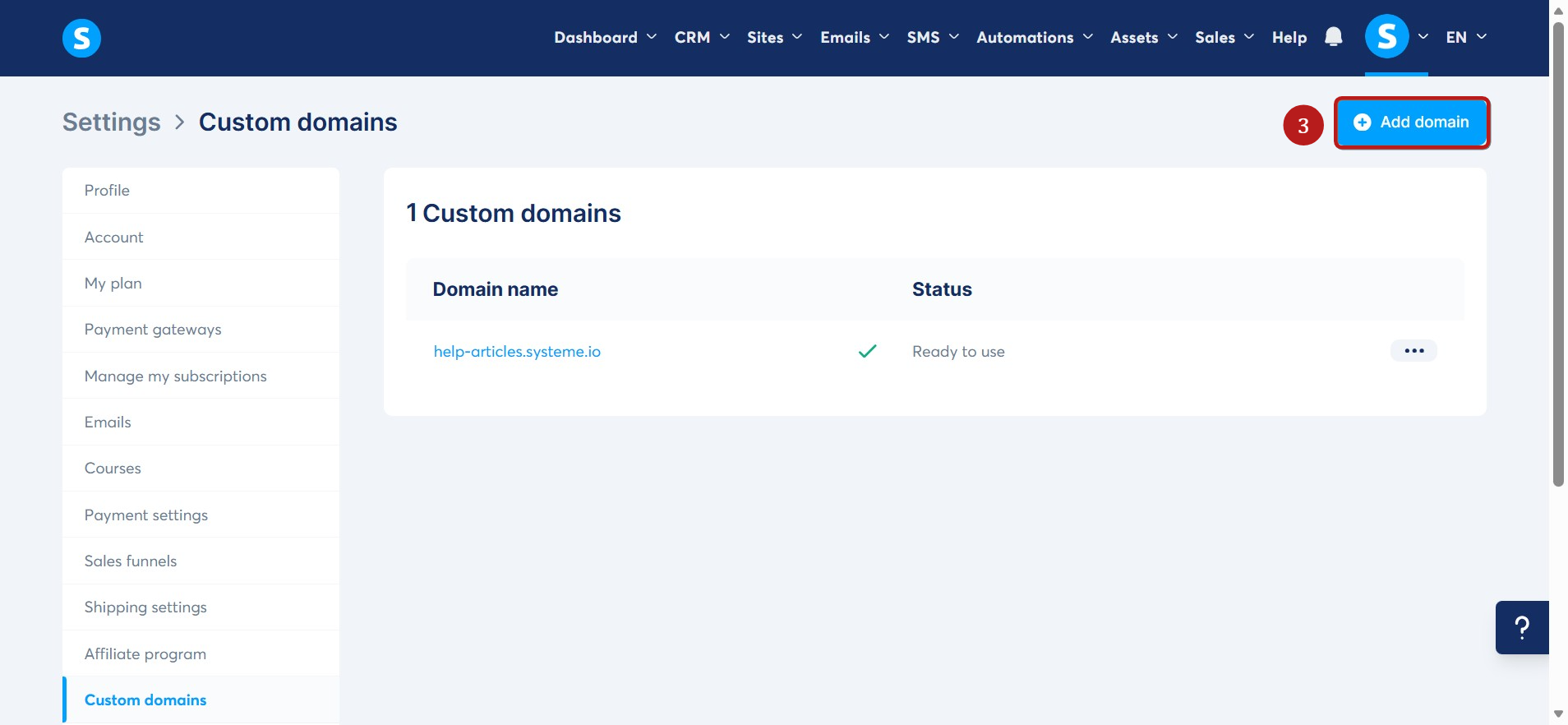
Image source: Systeme.io help page for connecting a custom domain
That makes the paid plans easier to justify once you are selling seriously. A custom domain helps your pages and emails look more legitimate, and Systeme.io also says domain authentication is mandatory for email sending, so this is not just cosmetic.
Can you connect Stripe and actually take payments?
Yes. Systeme.io has current help pages for connecting Stripe and PayPal, which is a big part of why the low cost works for real businesses instead of just hobby projects.

Image source: Systeme.io help page for Stripe integration
If you are selling digital products, coaching, services, or courses, that is enough for many buyers. You do not need a bloated commerce stack just to start taking money online.
Can you run multiple brands or client setups inside Systeme.io?
Yes, and this is one of the most underrated parts of the value. Systeme.io says you can create unlimited sub-accounts even on the free plan, which makes the platform more flexible than many people expect at this price.
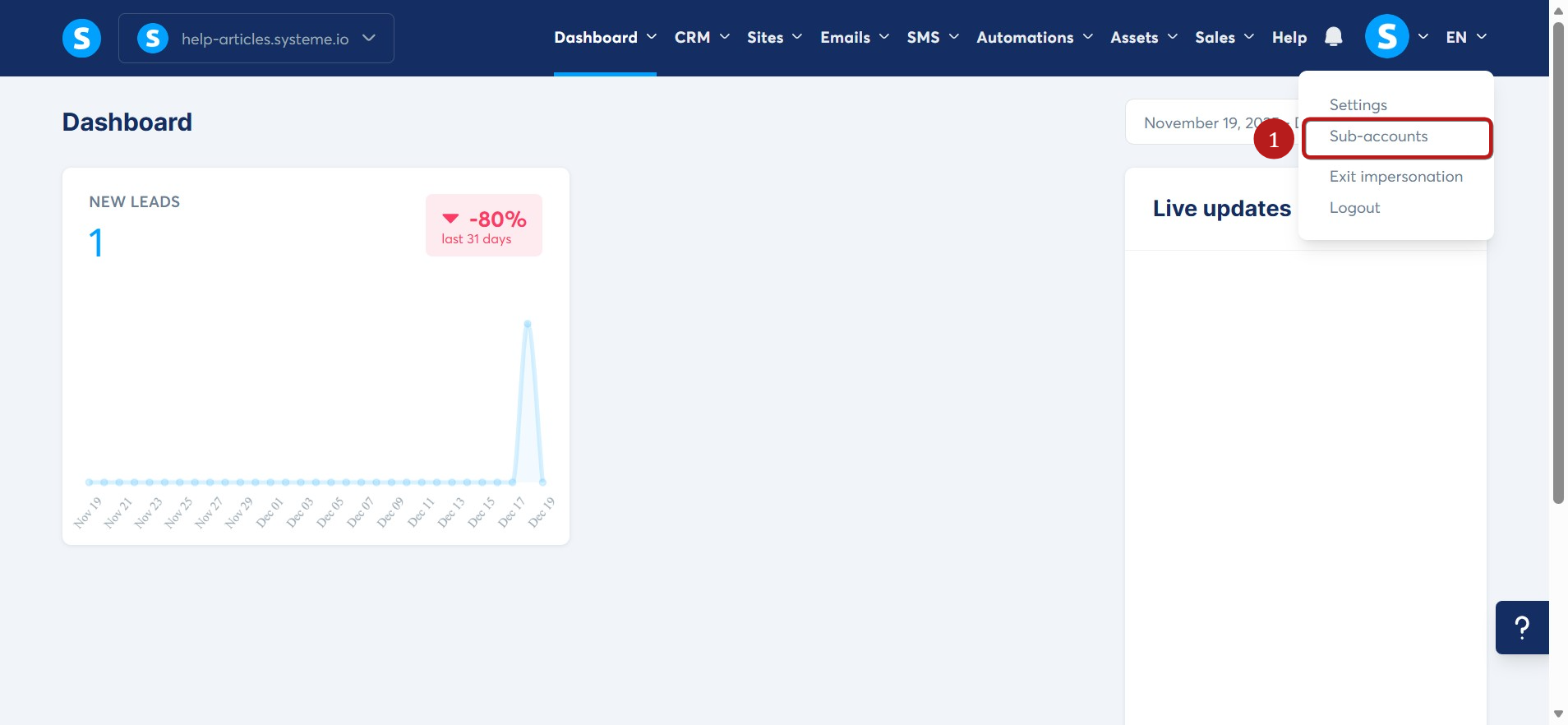
Image source: Systeme.io help page for sub-accounts
That does not automatically make it better than GoHighLevel for agencies. It does mean Systeme.io is more capable than people assume when they see the price first.
Can you sell courses inside Systeme.io or do you need another tool?
You can sell and deliver courses inside the same platform. Systeme.io’s course help pages show the course area, modules, lectures, and settings built directly into the account, which is exactly why the cost feels so strong for creators.
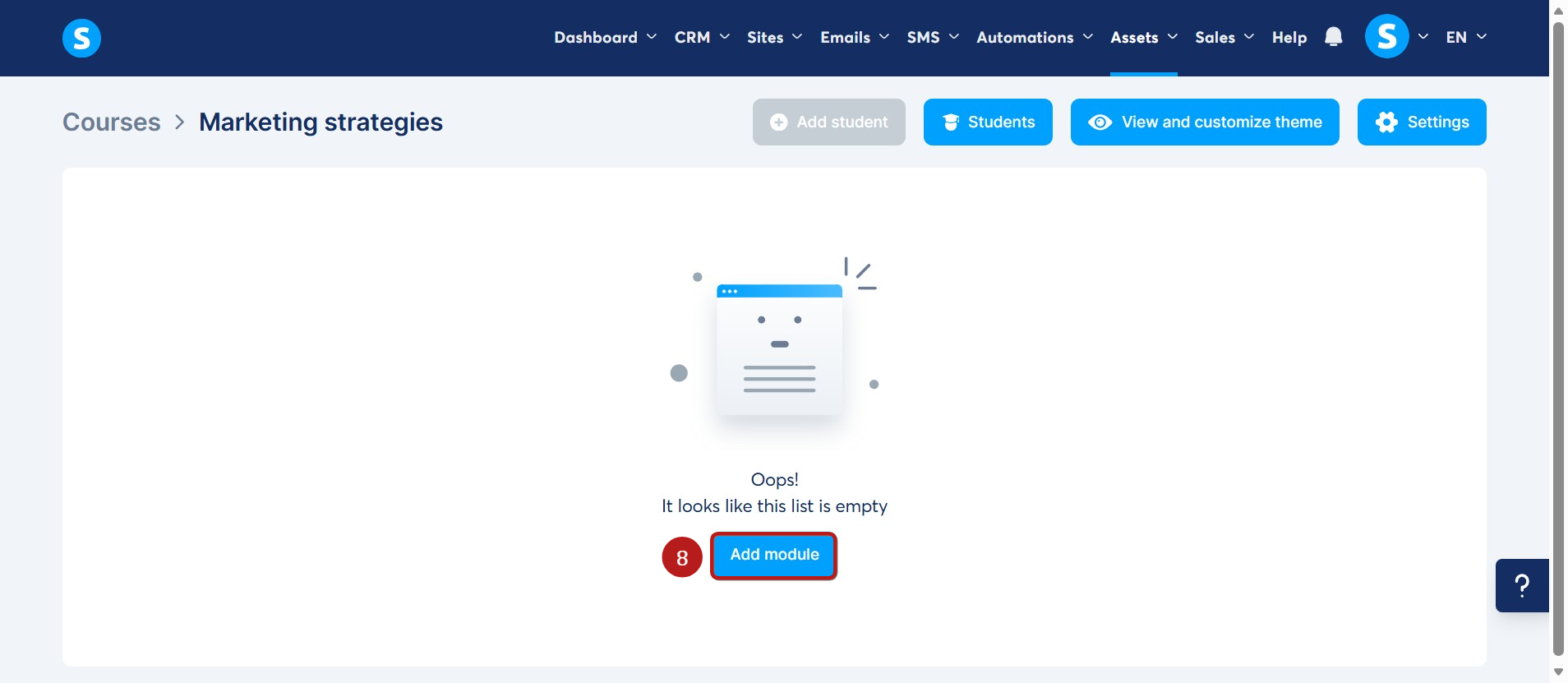
Image source: Systeme.io help page for course creation
If your business is mainly digital products, courses, or coaching, this is one of the clearest reasons to choose Systeme.io over a cheaper email-only tool. You avoid paying for a separate course platform before the business is even stable.
Systeme.io is not the flashiest option, but it is one of the easiest smart buys in this category. If you want the simplest path from free to paid without wrecking your budget, this is the tool I would look at first.
Get started with Systeme.io Filip Konecny Enterprises