
If you are comparing Moosend vs Mailchimp, the real choice is not which brand looks more familiar. It is which platform lets you build useful campaigns, automate follow-ups, and keep costs under control once your list stops being tiny.
Moosend currently makes the stronger first impression for value because its pricing page still puts email automation, landing pages, subscription forms, and SMTP in the core offer, alongside a 30-day free trial with no credit card. Mailchimp still has the bigger name and a true free plan, but that plan is capped at 250 contacts and 500 sends per month, so it can feel more like a test drive than a working setup.
That gap matters fast. You are not just picking an email tool here; you are deciding whether to pay for flexibility now, stay on a very tight free plan, or switch later when your list growth makes the wrong choice more annoying and more expensive.
Article outline
Use the jump links below if you already know what you care about most.
- My quick take
- What you actually get with each platform
- The good stuff
- Pricing and value
- Why buying now can make sense
- Alternatives if neither feels right
- Final verdict
- FAQ
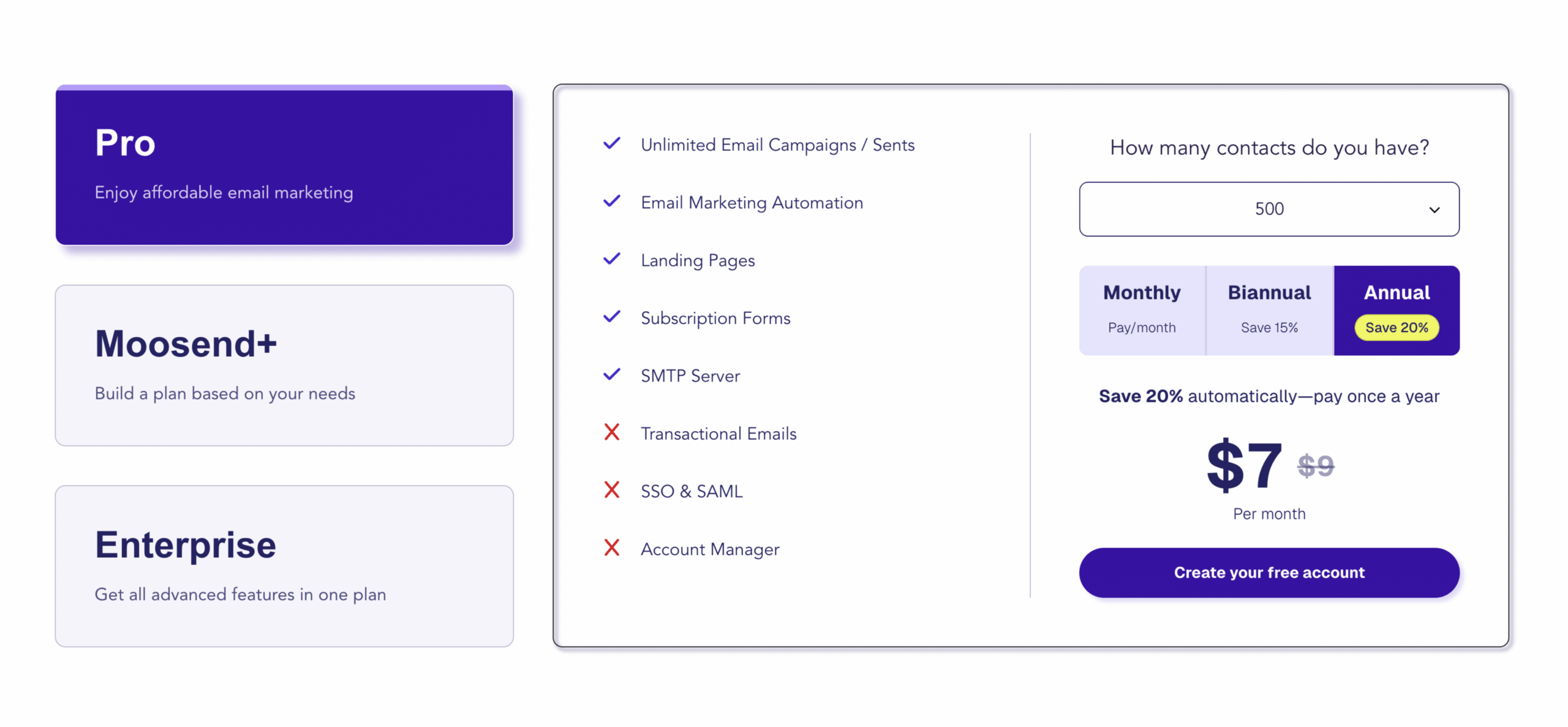
Image source: Moosend partner resource center
Check Moosend pricing and free trialMy quick take
Moosend is the easier recommendation for buyers who already know they need more than newsletters. The current product and pricing pages show a simpler offer: unlimited campaigns, automation, landing pages, subscription forms, and SMTP are positioned together, which is exactly the bundle many small teams end up trying to patch together with separate tools.
Mailchimp still has real advantages. The builder is polished, the brand is familiar, and the platform keeps a bigger app directory, but its help and pricing pages also make it clear that the free plan stays narrow with one audience, one seat, basic reporting, and a small send allowance.
That difference matters because most people comparing these two are not chasing the most famous logo. They are trying to figure out how far they can get before paying, how painful the upgrade becomes, and whether the platform feels helpful or restrictive once real campaigns start going out.
Pick Moosend if you want more room before the platform starts saying no
Moosend makes more sense when you want to test a real setup, not just send a few starter emails. The longer trial gives you more time, and the current Moosend pages keep the offer easy to understand instead of making you decode which basic feature is hidden behind the next plan jump.
- Choose Moosend if you care more about value than brand familiarity.
- Choose Moosend if you want automation, forms, landing pages, and reporting to feel usable early.
- Choose Moosend if your list is likely to grow past the “tiny free plan” stage pretty quickly.
If you already have a product, service, newsletter, or lead magnet ready to go, waiting too long usually means another month of manual follow-ups and scattered tools. A platform that lets you capture the lead, send the email, automate the sequence, and watch the numbers in one place is often easier to justify than another round of workarounds.
Pick Mailchimp if you want familiarity and you are still very small
Mailchimp still works for beginners who want a recognizable interface and do not mind staying inside a tight free plan for a while. If your list is small, your campaigns are simple, and your main goal is getting your first emails out without much setup pressure, it can still do the job.
- Choose Mailchimp if you want a true free plan before spending anything.
- Choose Mailchimp if you care a lot about the larger app directory.
- Choose Mailchimp if you are fine upgrading later once automation and sending limits become more important.
The catch is simple: the free plan stops feeling generous fast. Once you need more sends, more seats, more audiences, or fuller automation, the question stops being “Can I start for free?” and becomes “Which tool will I still like after I upgrade?”
That is where Moosend usually starts pulling ahead for value-conscious buyers. The next section breaks down what you actually get on each platform, which features matter in real use, and where the price gap starts to feel very real.
What you actually get before you pay
Moosend gives you a bigger test drive. The current pricing page says the 30-day free trial includes the email builder, templates, AI Writer, automations, segmentation, landing page design, form design, unlimited email sends for up to 1,000 contacts, plus email and live chat support, and you do not need a credit card to start.
Mailchimp takes a different angle. Its current free plan is real, but it is limited to 250 contacts, 500 monthly sends, 250 daily sends, 1 audience, and 1 seat, so it works better for tiny lists than for serious testing.
That changes the decision right away. If you want to learn the interface for free, Mailchimp is fine, but if you want to build actual flows, pages, and lead capture assets before paying, Moosend is easier to justify.
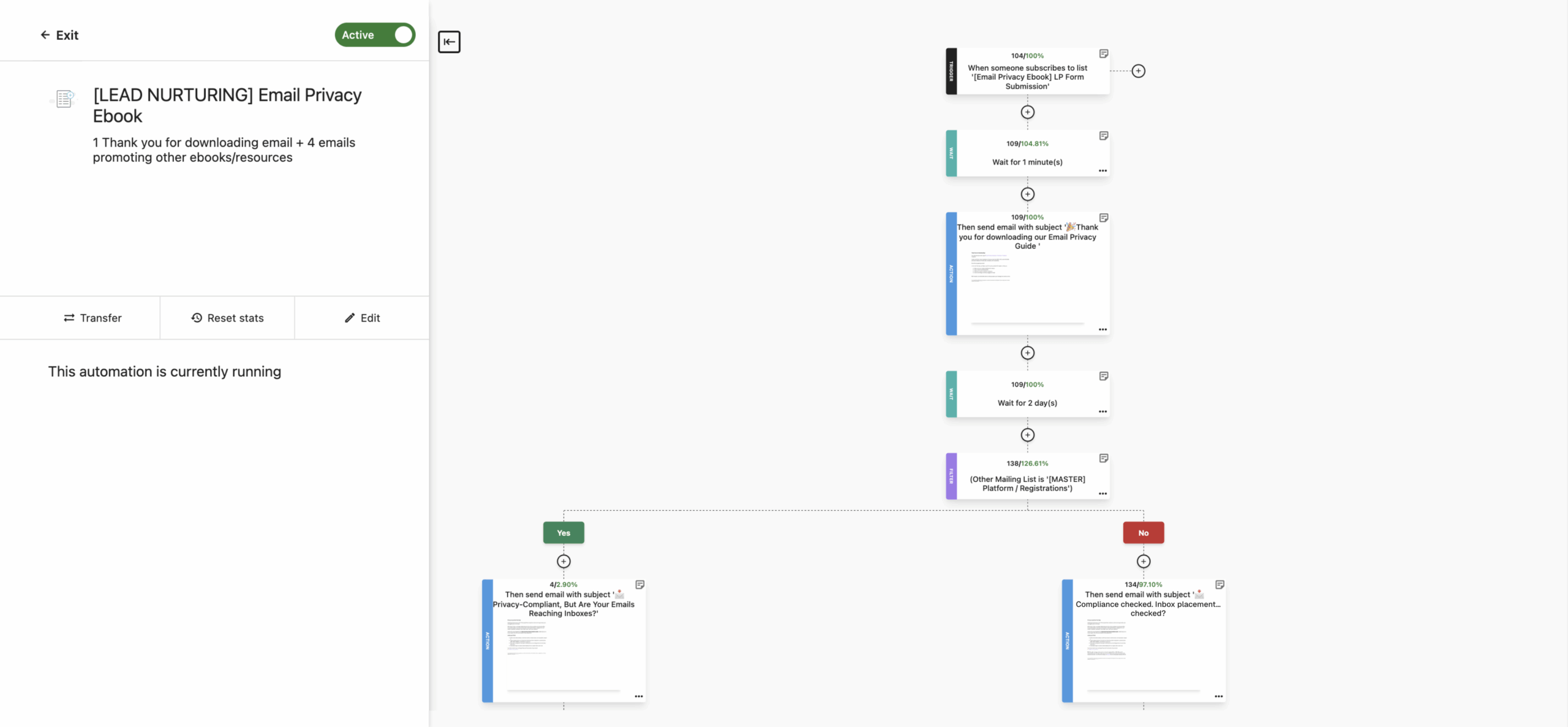
Image source: Moosend partner resource center
Automation is the biggest separation point in this Moosend vs Mailchimp comparison. Mailchimp’s help docs say Marketing Automation Flows start on Essentials with a single trigger and up to 3 steps, while Standard and Premium go much further, which means the free plan is not where you go if automation is your main reason for signing up.
Moosend feels more generous here because the trial gives you room to build the kind of workflow most businesses actually want. Welcome emails, simple nurture paths, abandoned cart logic, and behavior-based follow-ups are not “later” features during the trial.
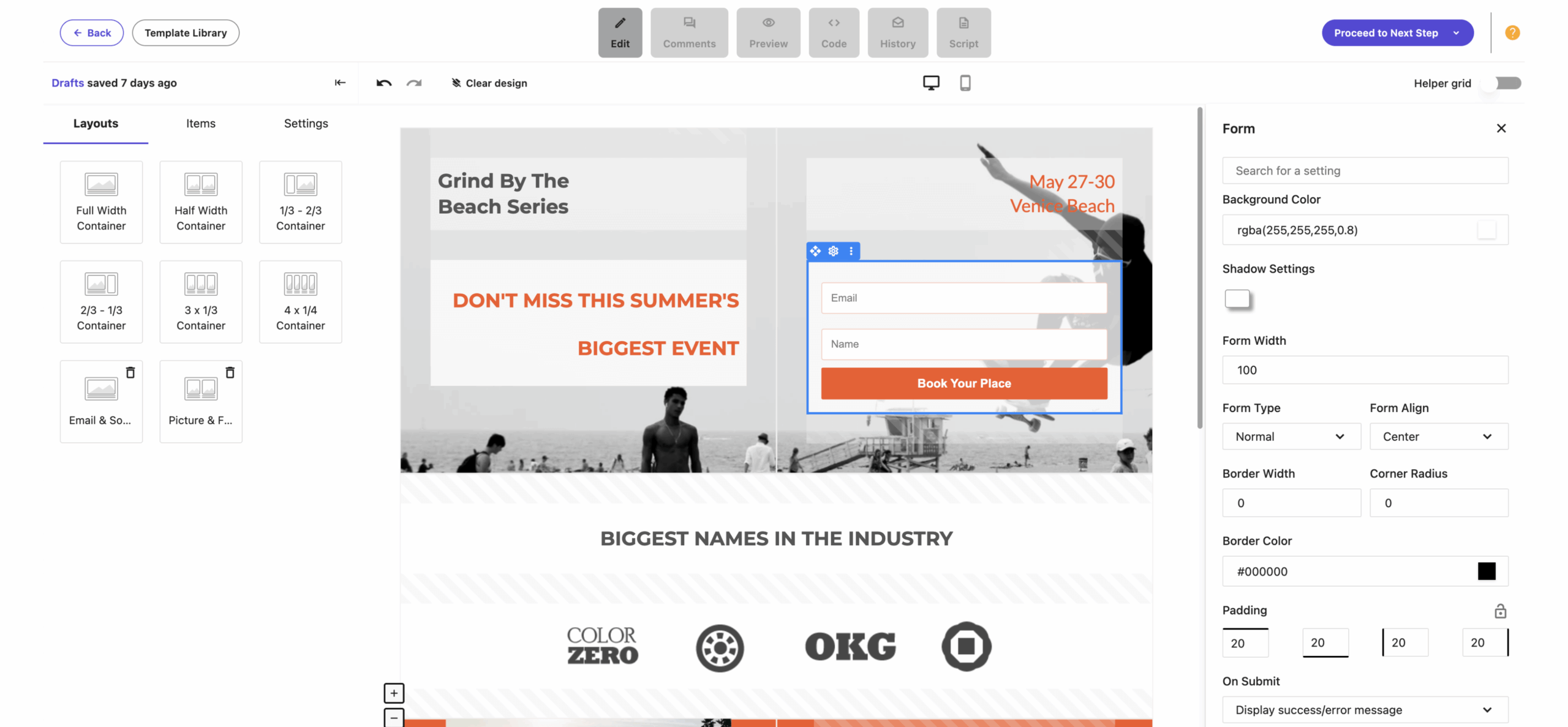
Image source: Moosend partner resource center
Moosend also gives you more than email during that test period. Landing pages and forms matter because they let you collect the lead and follow up inside the same setup, instead of building half your funnel somewhere else and stitching it together later.
The good stuff
Moosend earns attention because it feels like an email tool that understands what happens before and after the send. The current product pages keep showing the same pattern: campaigns, automation, landing pages, forms, AI tools, and reporting are presented as one working system instead of a pile of separate upsells.
That matters if your current setup is messy. A tool becomes much easier to pay for when it replaces the page builder, form tool, light automation tool, and parts of your campaign workflow instead of just sending newsletters.
The editor looks friendlier than the price suggests. Moosend’s screen captures show a straightforward drag-and-drop setup with AI writing tools built into the editing experience, which makes it less intimidating for beginners and faster for teams that do not want to write every subject line and block of copy from scratch.
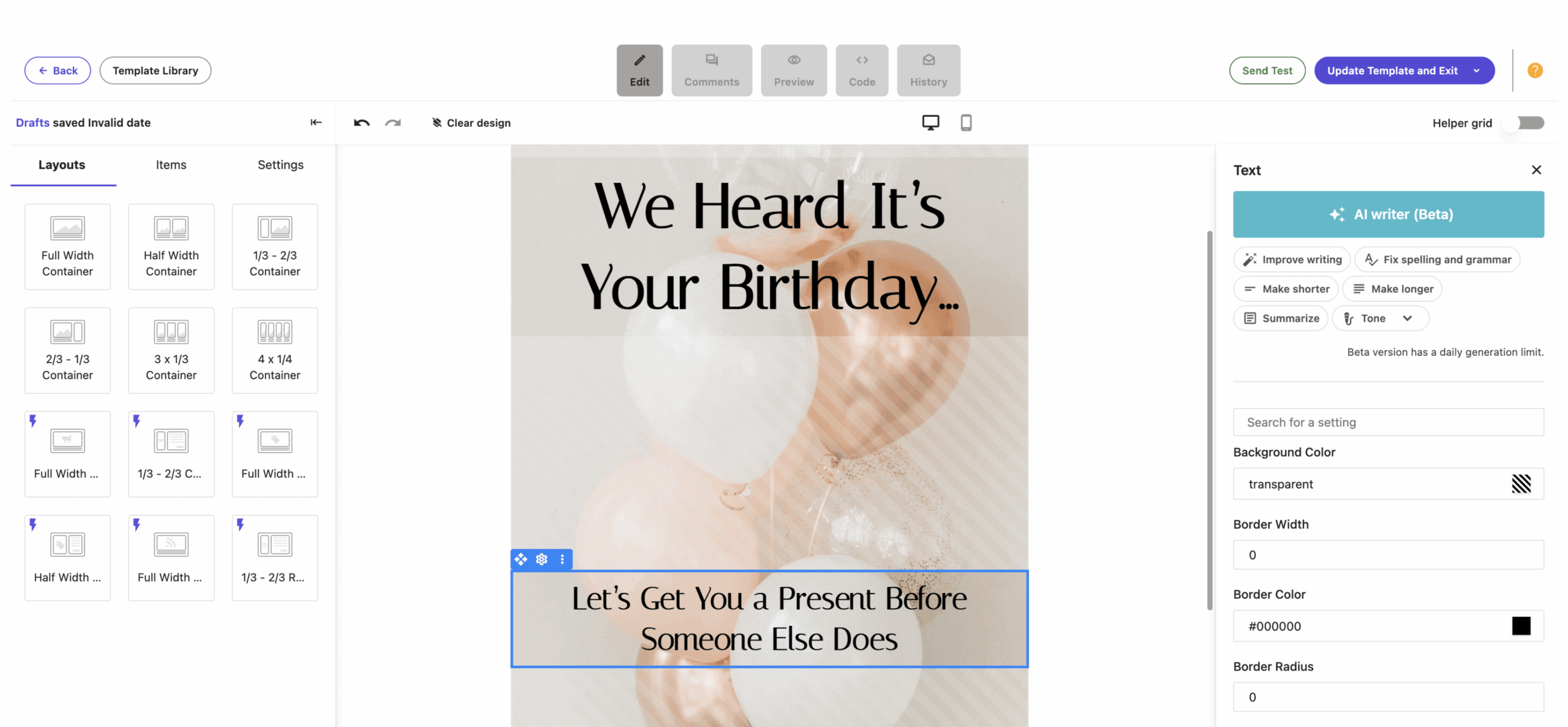
Image source: Moosend partner resource center
Mailchimp still deserves credit for being familiar and polished. If you already know the brand, like the interface, and mainly want a simple newsletter tool with a big app ecosystem behind it, it can still feel like the safer pick.
Here is the catch. Mailchimp becomes harder to defend when the list grows and the buyer cares more about usable automation and value than about brand recognition.
Moosend is not perfect. There is no forever-free plan on the current pricing page, and if you want a broader CRM, deep sales pipelines, call tracking, or a true agency stack, you will outgrow it faster than something like GoHighLevel.
Pricing and value
Price is where Moosend starts looking strong for the right buyer. The current Moosend screen capture for 500 contacts shows the Pro plan at $7 per month on annual billing, and the feature list beside it includes unlimited email campaigns, automation, landing pages, subscription forms, and SMTP.
Mailchimp can still look cheaper because of the free plan. That only holds up if your list is tiny and your needs stay basic, because the moment you need more sends, more serious automation, or more breathing room, the free angle loses a lot of its shine.
If cost is your main objection, compare Moosend against tools that attack the same problem from different angles. Brevo is stronger for free contacts storage and transactional messaging, Systeme.io is better for ultra-budget funnels, and GoHighLevel is the bigger all-in-one if you need sales tools well beyond email.
Image source: Moosend partner resource center
Check the official free trialWhy starting now can make sense
Moosend is worth trying now if you already have something to sell, a lead magnet to promote, or a list you want to nurture properly. You can build the page, capture the lead, send the emails, and automate the follow-up without dragging the work across four different tools.
Waiting often sounds cheaper than it is. A month of manual follow-ups, patchy forms, delayed campaigns, and “I’ll set up the automation later” usually costs more momentum than a tool like this does.
Moosend is not the right buy for everyone. If you only want a forever-free plan and your list is tiny, Mailchimp or Brevo may be easier to defend, and if you want the cheapest funnel-focused stack possible, Systeme.io is the more aggressive budget play.
Moosend makes the most sense when you have moved past dabbling. If you are serious about launching and you want automation, pages, forms, and email in one clean setup, getting started with Moosend is a smart next step.
The last thing to decide is whether Moosend is better than the closest alternatives for your exact use case. That is where the next comparison matters, because cheaper is not always better and broader is not always necessary.
Alternatives that make sense if Moosend is not the one
Moosend vs Mailchimp is a useful starting point, but the smarter decision is comparing Moosend against the tools that fail for different reasons. One is cheaper for tiny lists, one is cheaper for funnels, and one is much broader if email is only one part of the job.
Mailchimp still makes sense if you want the most familiar name and a very small free plan. Moosend makes more sense if you already know you need room for real automation, forms, landing pages, and a cleaner upgrade path once your list starts growing.
Image source: Moosend
Check the official free trialChoose Moosend if you want the cleanest balance of price, automation, pages, and day-to-day usability. Choose Brevo or Systeme.io if staying as cheap as possible matters more than having the smoothest email-first setup, and choose GoHighLevel only if you truly need a broader all-in-one.
Image source: Moosend
Final verdict
Moosend is the better pick for most people choosing between Moosend vs Mailchimp once the decision gets serious. Mailchimp still wins on familiarity, but Moosend gives you more room to build useful automations, capture leads, and run real campaigns before the platform starts feeling cramped.
That is why the value feels stronger. You are not paying just for newsletters; you are paying for a setup that can handle forms, landing pages, automation, and reporting without forcing you into a much heavier stack.
Mailchimp is still fine for a very small list and a cautious start. If all you want is a recognizable tool and a basic free plan while you learn, it can still do the job.
Moosend is better for the buyer who is already moving. If you have an offer, lead magnet, newsletter, or simple funnel ready to go, the extra room inside the trial makes it easier to test something real instead of pretending a tiny free plan is enough.
Here is the honest catch. Moosend is not the right choice if you want a forever-free plan, a deep sales CRM, or an agency-grade client system, because that is where Brevo, Systeme.io, or GoHighLevel can make more sense.
For the right buyer, though, Moosend is absolutely worth trying. It is easier to recommend because it feels like the kind of tool you can grow into instead of grow out of the second your campaigns get a little more serious.
Image source: Moosend
FAQ
Is Moosend better than Mailchimp?
Moosend is better for buyers who want more usable automation and more room to build before paying. Mailchimp is better only if your top priority is a tiny free starting point and a very familiar brand.
Is Moosend worth paying for if Mailchimp has a free plan?
Yes, if you already need more than a micro list setup. Mailchimp’s free plan is fine for dabbling, but Moosend starts making more sense once you care about forms, pages, automation, and a trial that lets you test a real workflow.
Can beginners handle Moosend?
Most beginners should be fine if they can already picture the basic path they want a lead to take. The editor, templates, forms, and automation builder look much less intimidating than a full CRM stack, which is why Moosend sits in a nice middle ground between “too basic” and “too much.”
Should you switch now or wait?
Switch now if your current setup already feels cramped or manual. Wait if you still have no offer, no audience, and no real need for automation yet, because even a good tool feels expensive when you are not ready to use it properly.
Does Moosend replace enough tools to justify the cost?
For a lot of small businesses, yes. When one tool handles email campaigns, automations, landing pages, forms, and reporting, the price becomes much easier to defend than paying for a newsletter tool and then bolting the rest on later.
My honest take is simple. If you are stuck between Moosend vs Mailchimp and you already want to launch, automate, and grow without wasting time on a cramped free plan, Moosend is the stronger move.
Get started with Moosend Filip Konecny Enterprises