
If you are searching for a Comp AI discount, the blunt answer is this: I would not expect a simple little coupon code to be the main reason to buy. Comp AI is framing the offer around startup-friendly entry pricing, no annual contract, and a money-back guarantee, which is a lot more important than 10% off if compliance is already slowing deals down.
That changes the buying decision. You are not comparing a casual app subscription here; you are deciding whether it is smarter to keep doing compliance the slow manual way or move to a platform that is trying to get you audit-ready much faster.
For the right buyer, that matters more than hunting random promo pages. If you already need SOC 2, ISO 27001, HIPAA, or GDPR progress, the real cost is usually delay, internal hours, and lost momentum.
Is there a real Comp AI discount right now?
Comp AI does not look like a classic coupon-code product. The official pages push speed, automation, and lower-risk buying terms, while the strongest price signal I could verify is packages starting at $3,000 with no annual contract required.
That is the more useful angle if you are a founder or operator trying to get compliant without signing up for a huge enterprise-style contract too early. It also tells you a lot about positioning: Comp AI wants to look more accessible than the older compliance platforms that feel expensive before you even start.
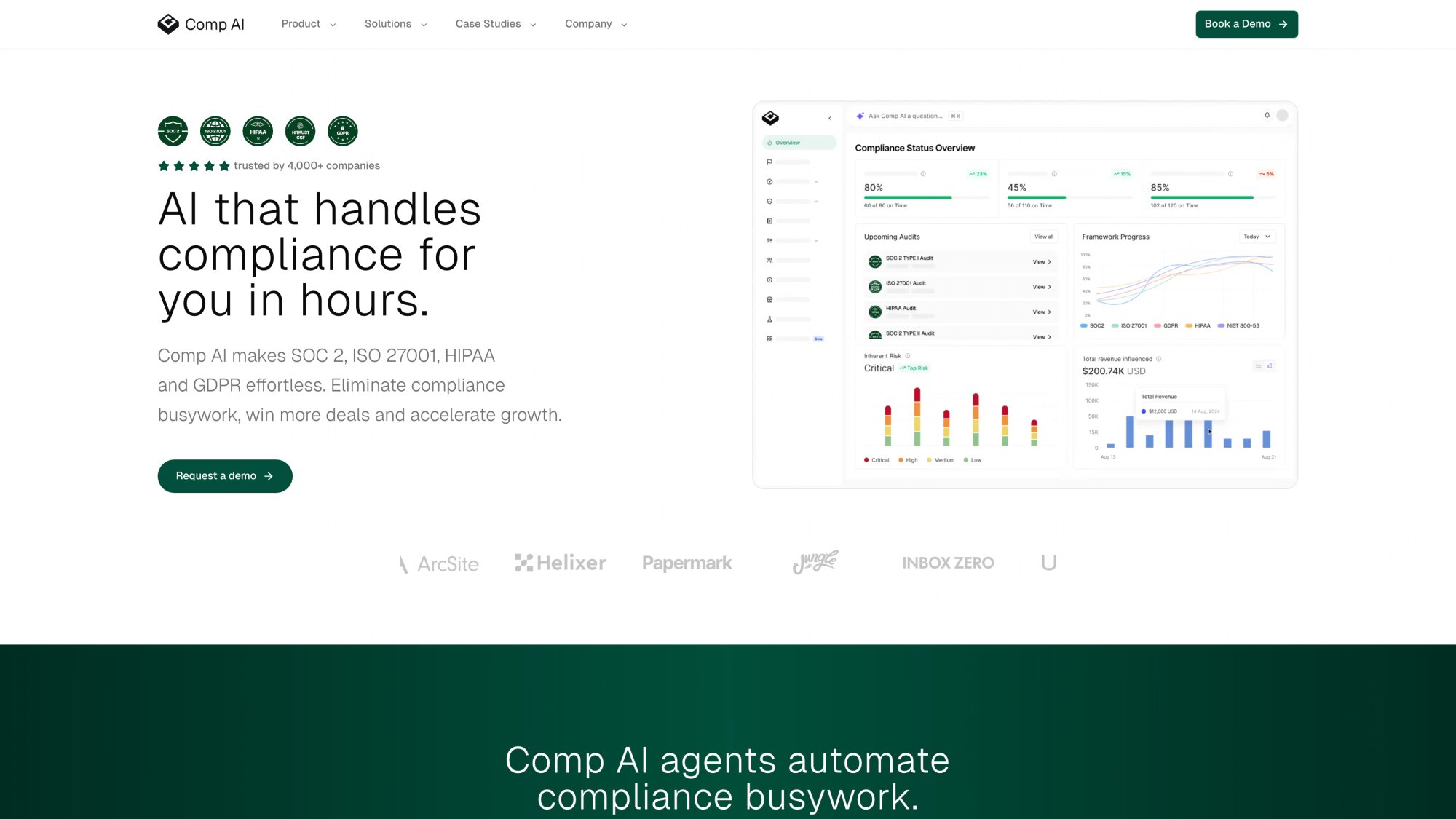
Image source: Comp AI compliance tech stack guide
The second thing that stands out is risk reduction. Comp AI says it offers a 100% money-back guarantee, which is a stronger buying incentive than a tiny short-term discount if your real hesitation is wasting money on the wrong platform.
So the honest way to read the current Comp AI discount story is this: the savings are built into the structure of the offer, not dressed up as a flashy promo. You are getting a shot at lower entry pricing, less long-term lock-in, and less downside if the platform is not the right fit.
See current pricingArticle outline
- First: Is there a real Comp AI discount? and should you click now, wait, or skip?
- Next: what you get with Comp AI, the good stuff, and whether the price actually makes sense
- Last: alternatives, the final verdict, and the FAQ
Should you click now, wait, or skip?
Start looking seriously at Comp AI now if enterprise buyers are already asking security questions and your team is still cobbling together evidence by hand. In that situation, waiting for some better Comp AI discount usually costs more in delay than it saves in software fees.
The official pitch is speed, and that is not a small detail. Comp AI keeps selling the idea of audit-ready progress in days with AI handling evidence collection, monitoring, and prep, which is exactly why the product becomes attractive once compliance starts touching revenue.
I would wait if you are still very early, nobody is asking for compliance yet, and you mainly want the cheapest possible checklist. A faster platform is only worth real money when it helps you clear a real business bottleneck.
I would also be careful if you want the most established enterprise brand just to feel safe. Comp AI looks more compelling for teams that care about speed, flexibility, and not getting trapped in a bulky old-school compliance setup.
That is also where this review starts to lean in Comp AI’s favor for the right buyer. If you already have something to protect, something to sell, and a deal cycle that keeps getting slowed down by security review, the smarter move is usually to evaluate the platform now instead of treating the whole thing like a coupon hunt.
The honest downside is that this is not for everyone. If you only want the absolute cheapest path and you are fine doing more of the work yourself, there will always be lighter options and slower manual routes that cost less up front.
Still, the early signal is pretty clear. Comp AI looks strongest when you need to move, not when you are casually browsing.
What you get when you start Comp AI
Comp AI does advertise a free trial, but this is not the kind of product where the only question is whether you can click around for a few minutes. The official entry pages are built around AI-led evidence collection, continuous monitoring, audit prep, 270+ integrations, and a live trust center, which tells you what the trial is really supposed to prove.
That matters if you are shopping for a real result, not a toy sandbox. You want to see whether it can connect to your actual stack, show meaningful framework progress fast, and make the compliance workload feel lighter almost immediately.
Comp AI also gives you two clear paths: managed help with white-glove onboarding and Slack support or a self-hosted route with the same core product and no vendor lock-in. That is a strong setup if you want speed now but still care about control later.
The catch is simple. If you want a huge, fully published free plan with every limit spelled out in public, Comp AI does not seem to position itself that way.
Image source: Comp AI compliance automation guide
That is why I would use the trial to answer a very blunt question: can this save your team enough hours and enough sales friction to justify the spend? If the answer is yes after a real look, the Comp AI discount conversation becomes a lot less important than the time you stop wasting.
The good stuff
Comp AI looks strongest when you care about speed. The homepage pushes automated evidence collection, AI-generated policies, continuous monitoring, cross-framework control mapping, and bring-your-own-auditor support, which is exactly the mix that makes compliance feel less like a side project and more like a process you can actually keep moving.
The integrations matter more than people think. Comp AI publicly highlights 250+ to 270+ integrations across cloud, identity, engineering, HR, and payment systems, so the promise is not just “we have a dashboard,” it is “we can pull real evidence from the systems you already use.”
That is where manual compliance usually breaks down. People think they are buying a checklist, but what they really buy is weeks of screenshots, exports, folder cleanup, reminders, and last-minute scrambling for the auditor.

Image source: Comp AI automation overview
The second big plus is that Comp AI is not selling just one framework and then making you start over later. The main site highlights eight named frameworks on the platform, and the product pages keep pushing cross-mapped controls so the work can carry across standards instead of getting duplicated.
That is a real buying benefit if SOC 2 is only the beginning. It is much easier to justify the platform when you know you may need ISO 27001, HIPAA, GDPR, or another framework after the first win.
Support also looks better than the usual “here are the templates, good luck” setup. Comp AI says the managed route includes white-glove onboarding, 24/7 Slack support, 1:1 guidance, and a dedicated success manager, which makes the product feel much less risky for smaller teams.
Here is the limitation. Strong automation on paper does not guarantee every integration will feel effortless in your exact stack, so you should test the systems that matter most before you commit.
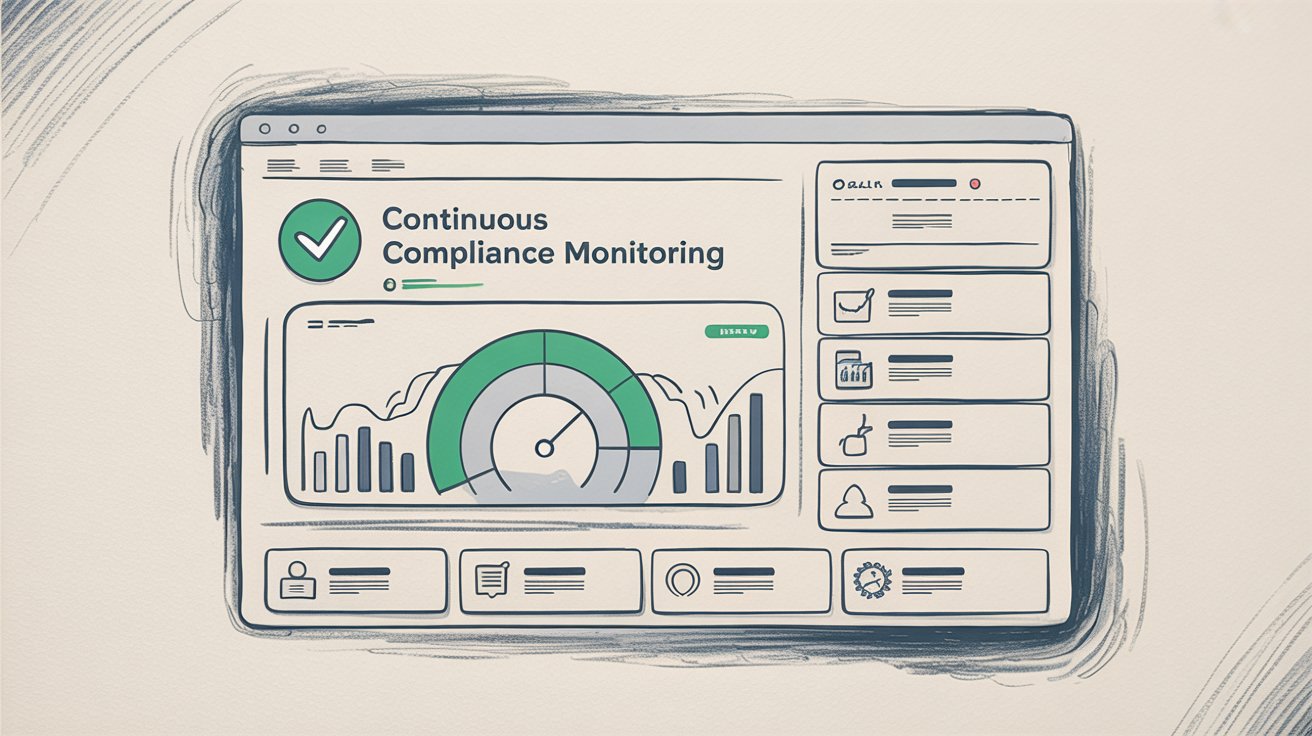
Image source: Comp AI monitoring overview
You should also be honest about category fit. Comp AI is specialized, and that is a good thing if compliance is blocking deals, but it is overkill if nobody is asking you for security reviews yet.
Comp AI pricing and value
Comp AI starts to look interesting once you stop comparing it to random cheap SaaS subscriptions and start comparing it to the mess it replaces. Official pricing content says packages can start at $3,000, while other official cost pages frame all-in SOC 2 paths around roughly $5,000 to $10,000 depending on scope.
That is why the value pitch lands for startups and lean teams. Comp AI also backs the offer with a money-back guarantee, which reduces the fear of paying for the wrong platform at the wrong stage.
Check the official free trialThat table is the main reason this tool is worth a look for the right buyer. Comp AI does not need to be the cheapest software on your card statement; it only needs to be cheaper than the hours, delays, and deal friction you keep paying for now.
Price is still a fair objection. If nobody is asking you for SOC 2, ISO 27001, HIPAA, or buyer security proof yet, you probably do not need to pay for this today.
Why getting it now can make sense
Comp AI makes the most sense when compliance is already dragging on revenue, slowing procurement, or eating engineering time. The whole pitch is built around getting audit-ready faster and keeping buyers moving with a live trust center and real-time proof, so waiting too long usually means the manual work keeps piling up.
You should not buy it hoping it replaces everything else in your business. It is not a CRM alternative like GoHighLevel, and it is not a form builder like Fillout; it earns its keep by taking compliance work off your plate and helping you clear security-sensitive deals faster.
That is also why the right buyer usually should not wait for a better Comp AI discount. If you already have deals, frameworks, or audits hanging over the team, moving earlier is often cheaper than staying stuck in spreadsheets and screenshots for another quarter.
Comp AI alternatives
Comp AI is not the only option, and that is exactly why the decision gets easier once you stop treating every compliance tool like the same thing. Some buyers want the biggest brand, some want more hand-holding, and some just want the fastest route to being audit-ready without signing an ugly contract.
Comp AI looks strongest if you care about open-source flexibility, faster setup, and lower entry risk. Bigger names like Vanta, Drata, and Secureframe still make sense for teams that want a more established vendor feel, deeper bundled trust workflows, or a product their board already recognizes.

Image source: Comp AI
Check the official free trialChoose Comp AI if you want the most founder-friendly mix of speed, flexibility, and lower upfront risk. Choose Vanta, Drata, or Secureframe if a bigger vendor name and a more traditional enterprise buying experience matter more to you than getting in fast.
Choose the cheaper alternative only if compliance is not urgent yet. In plain English, that means free templates, manual evidence gathering, and more internal work until buyer pressure makes software worth it.

Image source: Comp AI
My honest take
Comp AI looks worth trying for the right buyer. If you already have enterprise deals, security reviews, or audit pressure hanging over the team, this is the kind of product that can justify itself much faster than a random discount ever will.
The biggest reason is not just price. It is the combination of open-source positioning, managed or self-hosted flexibility, 270+ integrations, trust-center workflow, and a lower-risk offer than the older compliance platforms tend to show in public.
Here is the catch. Comp AI is still easier to recommend to a buyer with a real compliance trigger than to someone casually browsing tools months too early.
That is why this lands in three buckets. Start the trial now if compliance is already slowing deals, wait if nobody is asking for security proof yet, and skip it for now if your whole goal is finding the absolute cheapest possible checklist.
I would not buy Comp AI because of the words “Comp AI discount” alone. I would buy it because the real offer is speed, less manual pain, and less risk of getting stuck in a long expensive vendor process while revenue waits.
Image source: Comp AI
FAQ
Does Comp AI have a real discount?
Not in the usual coupon-code sense. The stronger buying angle is the lower starting price signal, no obvious long annual lock-in on the main offer, and a money-back guarantee that reduces the downside of trying it.
Does Comp AI have a free trial?
Yes, Comp AI does promote a free trial. The smart way to use it is to test real integrations, evidence collection, and how quickly the platform shows meaningful progress for your framework.
Is Comp AI cheaper than Vanta or Drata?
Comp AI gives you more public cost signals than those platforms do, which already makes it feel easier to evaluate. Vanta, Drata, and Secureframe all push quote-based pricing publicly, while Comp AI gives a clearer starting point and a lower-risk entry story.
Who should wait?
Wait if compliance is still theoretical for your business. If buyers are not asking for SOC 2, ISO 27001, HIPAA, GDPR, or a trust center yet, you may be better off using free tools and coming back when the need is real.
Should you start now?
Start now if you are serious about clearing compliance without turning it into a long internal project. That is the point where Comp AI starts feeling less like software spend and more like a practical shortcut.
For the right buyer, this is absolutely worth a real look. Waiting usually means more manual evidence work, more buyer friction, and one more quarter of telling yourself you will fix compliance later.
Get started with Comp AI Filip Konecny Enterprises