
Brevo stands out because it is not just another newsletter tool with a low sticker price. It bundles email, SMS, automation, forms, landing pages, and CRM features into one platform, and that makes it look like a smart buy fast if your current setup feels messy.
That does not automatically make it the right pick for you. A cheap starting price can still be a bad deal if the free plan is too tight, the upgrade path gets expensive for your use case, or you only need basic broadcasts and nothing else.
This Brevo review is here to answer the buying question, not waste your time. Brevo still has a free forever plan, the company says it serves 600,000+ customers, and you can create an account without a credit card, but the real decision comes down to whether those features actually match how you market and sell.
Image source: Brevo press room
Article Outline
I split this review into three simple chunks so you can jump straight to the part that helps you decide faster. Use the page jumps below if you already know what you care about most.
- First: I will break down what you get in the free plan, where the free plan starts to feel small, and why the jump into paid matters more than the headline price makes it seem.
- Next: I will get into the good stuff, the parts that make Brevo attractive for real businesses, then walk through pricing and value and explain why starting now can make sense if you already have offers, traffic, or a list you want to monetize.
- Finally: I will compare the best alternatives, tell you who should stick with Brevo and who should not, then wrap with the final verdict and a short FAQ.
Quick snapshot before you go deeper
You do not need the whole review to understand the basic shape of this product. These are the facts that matter most before you decide whether Brevo is even worth a serious look.
That snapshot explains why Brevo is easy to shortlist. You can test the interface for free, the paid entry point is still approachable, and the feature spread is wider than what you usually get from a basic email platform at this price.
The catch is also obvious once you look closer. The free plan is useful for checking whether you like the builder and the workflow, but the daily cap, single-user limit, and branding rules mean most serious businesses will outgrow it quickly, which is exactly why the next part needs to focus on what you actually get once you move past the free headline.
What you get in the free plan
Brevo’s free plan is better than the fake “free trials” a lot of tools push. You get 300 emails a day, 100,000 contact storage, 1 user, and access to email, SMS, transactional sending, templates, basic reporting, and marketing automation for up to 2,000 contacts.
- You can build real campaigns instead of just clicking around in a demo account.
- You can test forms, templates, contact organization, and simple automations without pulling out a card.
- You can also see whether the interface makes sense to you before you commit.
That makes the free plan a good fit for solo creators, local businesses with tiny lists, and anyone moving off spreadsheets or basic contact forms. It is also a smart way to check whether Brevo feels easier than whatever messy stack you are using now.
The catch shows up fast once you try to use it seriously. The 300-email daily cap does not roll over, free emails keep the Brevo branding, and once you hit the daily limit you cannot schedule tomorrow’s campaign in advance.
That is why the free plan is best treated as a real test drive, not a long-term setup. If you already send regular newsletters, have even a modest lead magnet funnel, or want branded emails from day one, the Starter plan at $9/month is the more realistic entry point.
The good stuff
Brevo wins by covering more ground than a basic email tool without charging like a giant enterprise suite. You get email, SMS, WhatsApp, chat, sales features, and 150+ integrations, which is a big deal if you are tired of stitching together separate tools for every little task.
Automation is one of the stronger reasons to look at Brevo. The new automation editor added a drag-and-drop canvas, cleaner step organization, faster execution, built-in email and SMS creation, and 8 pre-built automations that make setup less annoying.
Starter is where Brevo becomes usable for regular sending. You lose the daily cap, get forms and advanced segmentation, and can add the branding removal add-on for $9/month if you do not want “Sent with Brevo” on your emails.
Standard is where the platform starts earning more of its price. It adds unlimited-contact automation, A/B testing, AI send time optimization, advanced reporting, and 1 landing page, which is enough to make the tool feel like a growth stack instead of just a sender.
Professional is where the tone changes. It starts at $499/month, adds channels like push and more advanced AI and reporting, and makes sense for bigger teams, not beginners.
That pricing ladder is a strength and a limitation at the same time. Brevo is easy to get into, but some of the features that really make it feel complete sit a tier or two above the free plan, so you need to be honest about how quickly you will outgrow the cheap entry.
Pricing and value
Brevo sits in a useful middle ground. It is cheaper than heavy all-in-one tools, more capable than bare-bones newsletter software, and easier to justify if you want email, SMS, automation, and some CRM features without jumping straight into agency-level pricing.
Here is the fastest way to compare it with relevant affiliate alternatives. I am focusing on the tools that matter most if you are trying to decide whether Brevo is the right buy now, a later buy, or not your best fit at all.
Brevo looks strongest when you want more than newsletters but less than a full agency operating system. If you mainly sell digital products through funnels, Systeme.io can be the more direct fit, and if you want agency-level CRM and sub-accounts, GoHighLevel is broader but far more expensive.
That is why Brevo feels like the safer buy for a lot of small businesses. You can start cheap, prove the workflow, and only move up when automation, reporting, or landing pages actually justify the extra spend.
Why you might want to start now
If you already have a list, a lead magnet, bookings coming in, or even basic customer follow-up to handle, waiting usually means more manual work. It also means more missed follow-ups, slower campaign launches, and more time spent juggling tools that were never meant to work together.
Brevo is easy to justify when your current setup is stuck in the awkward middle. You need more than Gmail, spreadsheets, and random plugins, but you do not want to jump straight to a $97 or $297 platform just to send campaigns and automate a few key touchpoints.
That makes the free Brevo account a smart move for testing, and the Starter or Standard plan a smart move once you know you will actually use the platform. If you already have traffic and something to sell, delaying the setup usually costs more in lost momentum than the software does.
Brevo is not the right buy for everyone. If you have no audience, no offer, and no real need for automation yet, stay on the free plan or wait.
For the right buyer, though, this is absolutely worth trying. You get a real entry point at a low price, a clear upgrade path, and enough built-in tools to replace a surprising amount of manual marketing work without making the whole thing feel bloated.
Alternatives to Brevo
Brevo is not the automatic winner for everyone. It wins when you want email, SMS, automation, forms, light CRM, and useful reporting without jumping straight into agency-level pricing.
A different tool can be smarter if your business leans harder into funnels, courses, or client accounts. That is exactly why this comparison matters before you pay for anything.

Image source: Brevo
Choose Brevo if you want the best middle ground. Choose Systeme.io if funnels and digital product delivery matter more than multi-channel marketing, choose Moosend if you mostly want cheaper email marketing, and choose GoHighLevel if you need a broader agency-style setup.
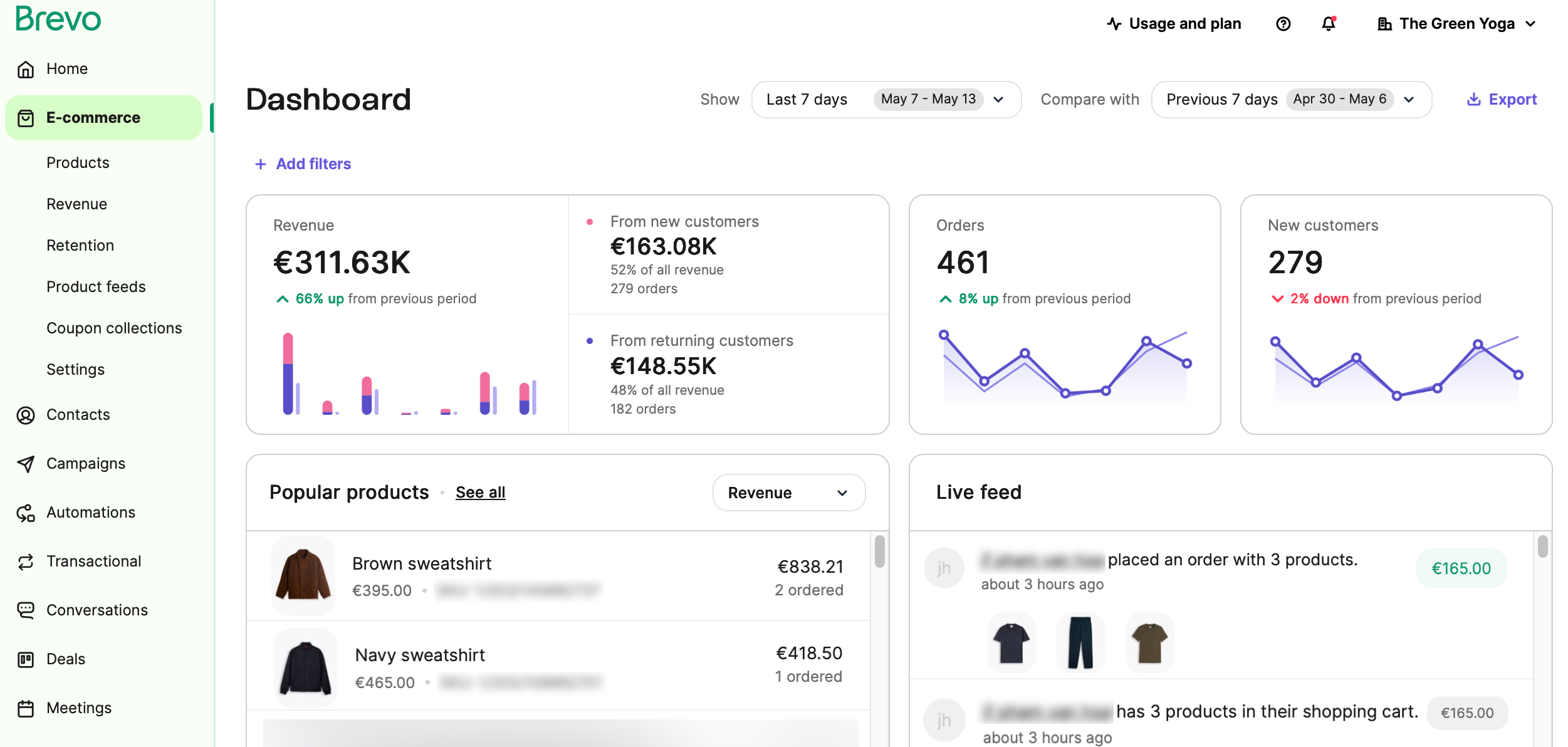
Image source: Brevo
My honest take
Brevo is a smart buy for the right person. It gives you enough range to clean up a messy marketing stack without pushing you into expensive software too early.
That range is the whole point. You can handle campaigns, automations, forms, chat, and basic CRM work in one place, which is exactly why Brevo feels more useful than a cheap newsletter tool once your business starts moving.
The downside is simple. If you only send occasional emails, Brevo can be more than you need, and if you need deep agency management, it can feel too light compared with GoHighLevel.
The free plan is good for testing, not for staying put forever. A real business with regular sends or even basic automation usually ends up looking at Starter or Standard pretty quickly, and that is where Brevo starts to justify itself.
This is also why waiting too long can cost you. If you already have leads coming in, a list growing, or customers to follow up with, staying manual usually means missed sends, slower follow-up, and more time wasted gluing tools together.
If you are serious about building consistent email and CRM workflows without jumping into heavy software, Brevo is worth a real look. If you are not ready to use automation or you still have no audience and no offer, stay on the free plan or wait.
My bottom line is easy. This Brevo review leans yes for small businesses, creators with real traction, ecommerce brands, and service businesses that want more than newsletters without paying agency-level pricing.
Image source: Brevo
FAQ
Is Brevo good for beginners?
Yes, as long as you keep your expectations realistic. The free plan is easy enough to test, and Starter is a reasonable step once you know you are actually going to send campaigns and build automations.
Is Brevo better than Mailchimp?
Brevo looks better if you want more channel variety and a cheaper way into automation. Mailchimp can still work, but Brevo is easier to justify when you want email, SMS, chat, and CRM features under one roof.
Can Brevo replace other tools?
For a lot of small businesses, yes. It can reduce the need for a separate email sender, basic CRM, form tool, chat tool, and parts of your reporting stack.
Should you start with the free plan or pay right away?
Start free if you are still learning the interface or setting things up for the first time. Go paid faster if you already have a list, need to remove daily limits, or want features that make the platform feel complete.
Who should skip Brevo?
Skip it if you only need a bare-bones newsletter sender or if your business is really an agency operation that needs deeper multi-account management. In those cases, Moosend or GoHighLevel can be the cleaner fit.
Should you start now?
If you already have something to sell or people to follow up with, yes. Brevo makes the most sense when you want to move faster instead of keeping your marketing half-manual and half-patched together.
If you are still just thinking about building later, waiting is fine. If you are already in motion, getting started with Brevo is the kind of step that usually saves time faster than people expect.
 Filip Konecny Enterprises