
If you are looking at the ClickFunnels affiliate program, the real question is not whether the brand is famous. The real question is whether the program gives you enough margin, trust, and conversion potential to justify the content, email sequences, demos, and follow-up work it takes to sell a premium funnel platform well.
That is where most reviews miss the mark. They either hype the recurring commissions or dismiss the offer as too expensive, but a serious ClickFunnels affiliate program review has to look at the whole machine: the product quality, the commission rules, the payout mechanics, the tracking model, the buyer experience, and the reality that you are promoting software that starts on the higher end of the market.
One quick note before we go any further: this article includes promotional links to platforms discussed here, and that kind of relationship should be disclosed clearly, which is exactly how the FTC says online endorsements should be handled. With that out of the way, let’s break the program down the way a smart publisher, creator, or media buyer actually would.
Article Outline
- Part 1: Why the ClickFunnels Affiliate Program Matters
- Part 2: Commission Structure and Payout Reality
- Part 3: Promotion Strategies That Fit the Offer
- Part 4: Economics, Risks, and Alternatives
- Part 5: Who Should Join and Who Should Skip
- Part 6: Final Verdict and FAQ
This review is organized in six parts so you can move straight to the section that matters most to you. Part 1 sets the foundation, because without understanding why this offer is different from a typical low-ticket affiliate product, it is almost impossible to judge the rest of the program correctly.
Why the ClickFunnels Affiliate Program Matters
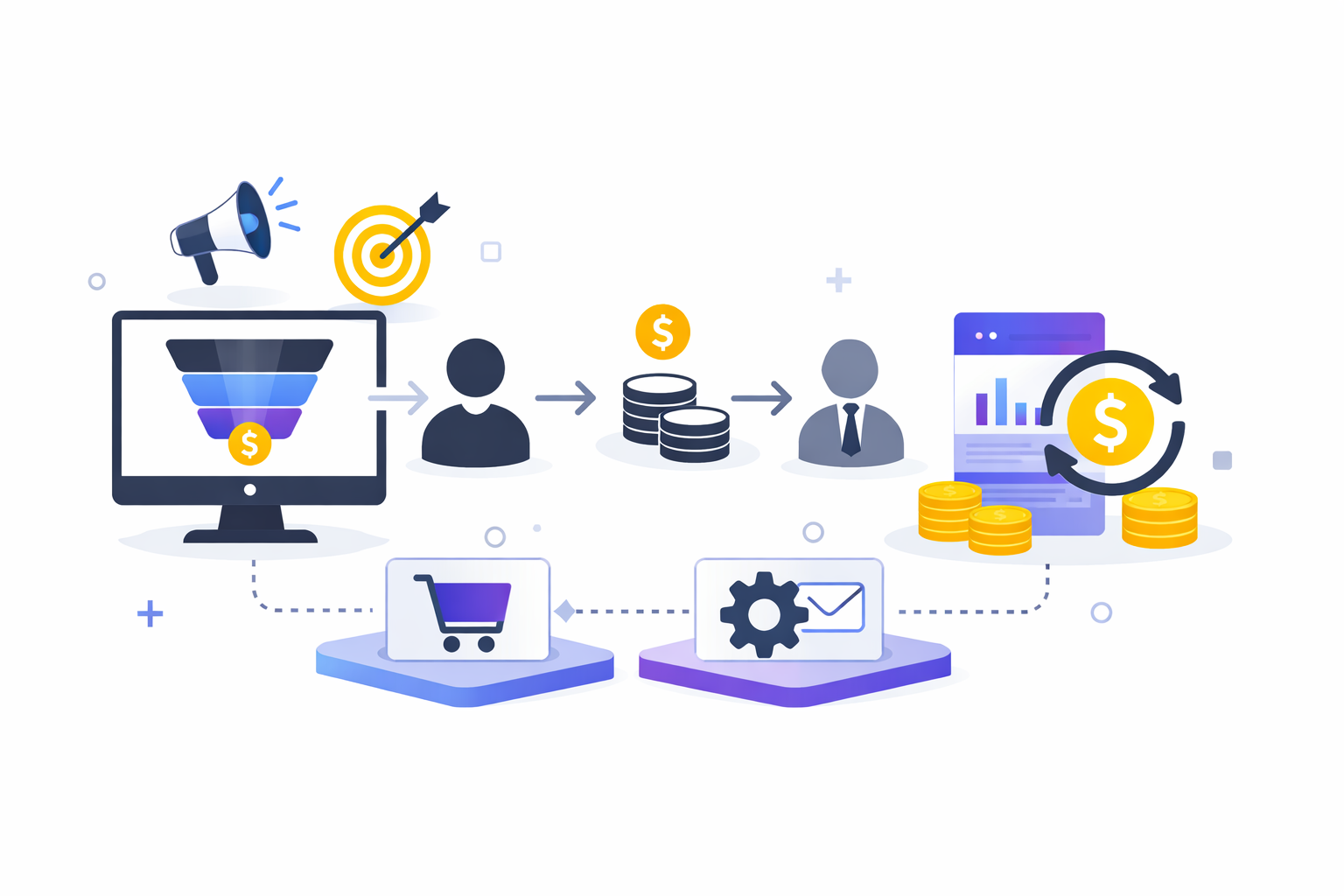
The ClickFunnels affiliate program matters because it sits at the intersection of software, education, and business transformation. You are not referring a cheap impulse-buy app. You are referring a platform that people use to build landing pages, checkout flows, lead generation funnels, email automations, courses, customer management workflows, analytics, and sales processes inside one environment, which is exactly how ClickFunnels positions the product on its official site.
That changes the selling dynamic immediately. A casual mention can get clicks, but real commissions usually come when your audience already believes funnels matter, already wants an all-in-one workflow, and already trusts you enough to follow your recommendation into a more serious monthly subscription.
It also matters because the commission structure is meaningful enough to reward patient content. ClickFunnels states that the standard affiliate rate is 30% recurring, while approved affiliates can reach 40% once they sell 40 ClickFunnels accounts in a month. That is the kind of structure that can justify in-depth tutorials, comparison pages, webinars, and email funnels instead of thin content that disappears after one click.
There is another reason this program gets attention: the economics of the underlying software are not trivial. ClickFunnels currently lists its Launch plan at $97 per month, and the company’s own examples have shown how a 30% recurring payout translates into monthly commission on subscribed accounts in a way that can compound over time for affiliates who bring in qualified users rather than bargain hunters. In other words, this is not an offer where you need thousands of sales to feel progress, but it is also not an offer that forgives lazy positioning.
That makes ClickFunnels unusually important for creators in marketing, business growth, coaching, agency operations, info products, and ecommerce education. If your audience is actively trying to build offers, collect leads, or improve conversion paths, this program can be highly relevant. If your audience mainly wants low-cost tools, free plans, or simple website builders, the same offer can feel heavy and expensive almost immediately.
Framework Overview
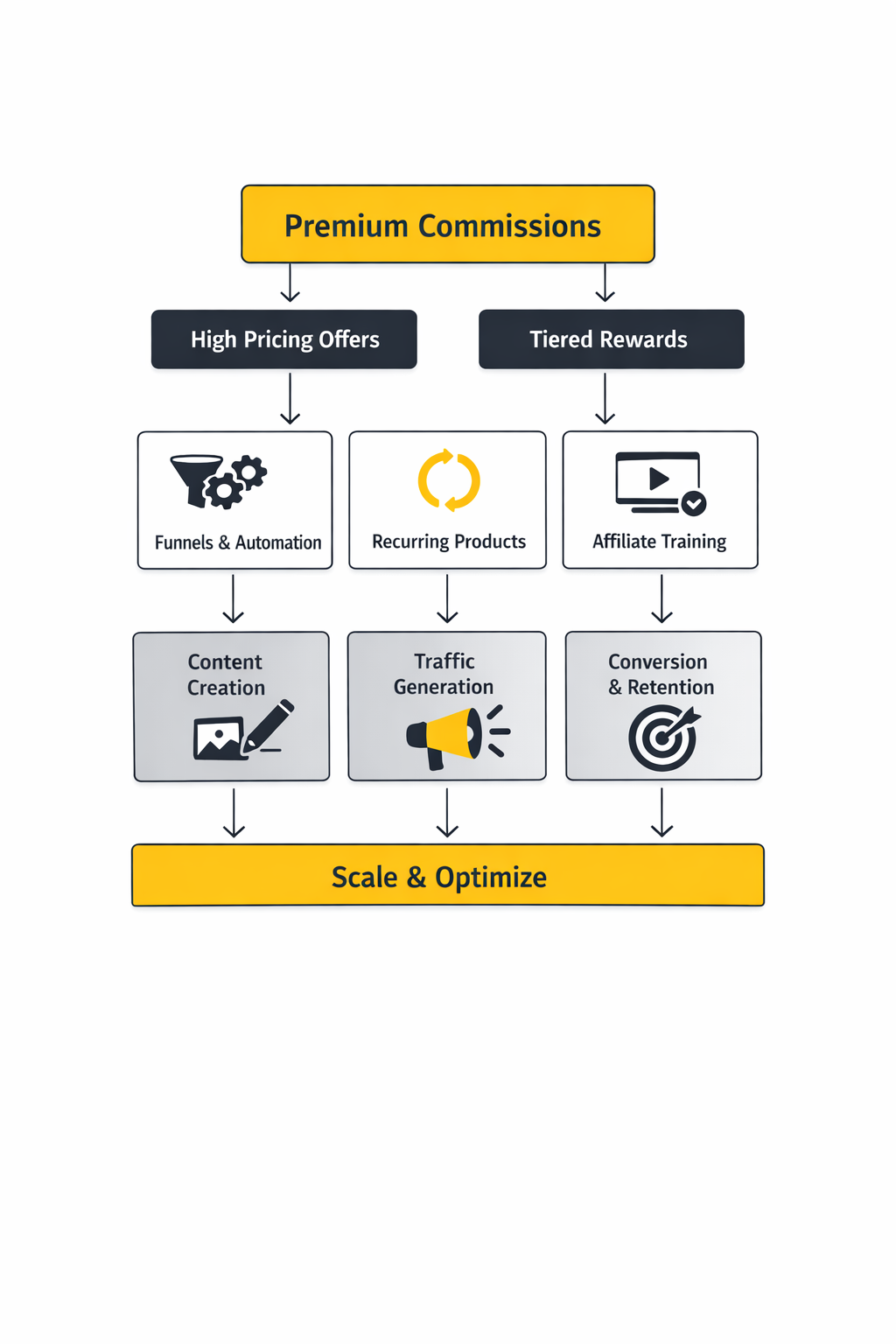
The cleanest way to review the ClickFunnels affiliate program is to judge it through five filters: offer strength, payout quality, tracking reliability, audience fit, and operational friction. Most affiliate programs look attractive when you isolate the commission percentage, but serious publishers know that a high advertised rate means very little if the product is hard to explain, hard to trust, or hard to retain.
Offer strength comes first because the product has to solve a problem big enough to justify its price. ClickFunnels has a clear angle here because it sells business infrastructure rather than a single narrow feature, and the company’s current messaging leans hard into that all-in-one position across funnels, CRM, analytics, ecommerce, courses, and automation on its updated product overview. That breadth can help conversions when your audience wants consolidation, but it can hurt conversions when your audience only needs one simple tool.
Payout quality is the second filter. Recurring commissions are attractive, but only if the billing base, retention quality, and payout rules support the effort you put in. ClickFunnels makes that side more concrete by explaining the tiered commission structure, the $100 minimum threshold, and the schedule for paying affiliates on the 1st and 15th once requirements are met.
Tracking reliability is the third filter, and this is more important than many beginners realize. ClickFunnels documents a sticky cookie system, which matters because recurring software referrals are only valuable when attribution survives beyond the first session and still connects your recommendation to the account that ends up paying.
Audience fit is the fourth filter. This program works best when you are speaking to people who are already moving toward funnels, monetization, list building, or offer creation. It is much harder to sell successfully when your content attracts broad “make money online” traffic that is curious but not committed.
Operational friction is the fifth filter, and this is where a professional review separates itself from hype. If you need to create comparison pages, compliance disclosures, domain-level tracking, retargeting, demos, onboarding help, and email follow-up just to convert cold traffic, that does not automatically make the program bad. It simply means the program rewards operators who treat affiliate marketing like a business instead of a lucky side hustle.
Core Components
At its core, the ClickFunnels affiliate program is built on four components that matter most to publishers: the recurring commission model, the attribution system, the payout rules, and the product ecosystem you are actually selling. If even one of those pieces is weak, the whole program becomes much less attractive.
Commission Model
The headline attraction is the recurring structure. ClickFunnels says affiliates can earn up to 40% commissions, while its dedicated 2.0 affiliate overview explains the standard program around 30% recurring commissions. For a reviewer, that immediately signals two things: the upside is real, and the exact value of a referral depends on both your current tier and the plan mix your audience chooses.
This is why a proper ClickFunnels affiliate program review should never stop at the raw percentage. A recurring payout is only powerful when customers stay subscribed long enough for the compounding effect to show up. That means content quality, audience intent, and post-click expectations matter just as much as the advertised percentage on the signup page.
Tracking and Attribution
Tracking is one of the more interesting strengths here. ClickFunnels explains that its sticky cookie can allow affiliates to receive passive commissions when the right cookie is already active and a qualifying purchase happens later within the ecosystem. That does not remove the need for clear linking and clean funnels, but it does improve the logic of promoting a product line that is bigger than one single front-end page.
For experienced affiliates, this matters because software buyers often do not convert in one sitting. They read reviews, watch demos, compare tools, wait for budget, and then come back. A program with documented attribution rules is easier to build around than one that leaves affiliates guessing.
Payout Rules
Payout rules are straightforward enough to plan around, but they are not optional details. ClickFunnels support explains that affiliates are paid on the 1st and 15th of each month when requirements are satisfied, and the company also notes that affiliates need at least $100 in commissions before a payout is issued. Those details do not make the program better or worse on their own, but they do affect cash-flow expectations for smaller creators.
That is especially important for anyone planning content production costs, paid traffic tests, or outsourced media. If you are the kind of affiliate who needs instant low-threshold withdrawals, this setup may feel slower than simpler consumer affiliate programs. If you are building content assets meant to rank, nurture, and convert over time, the structure is much easier to live with.
Product Ecosystem
The final core component is the product itself. ClickFunnels is not just a landing page builder anymore, and the company repeatedly frames it as a broader operating platform for websites, funnels, CRM, courses, analytics, and selling. That gives affiliates more angles to sell from, because you can approach the product as a funnel builder, a business operating hub, a lead-generation engine, or a monetization stack depending on what your audience cares about.
The catch is that wider ecosystems require sharper messaging. When a tool can do many things, weak content becomes vague very quickly. The affiliates who usually do best with software like this are not the ones shouting the loudest; they are the ones who make the buying decision feel obvious for one specific type of user.
Professional Implementation
If you want to promote ClickFunnels professionally, do not start by dropping affiliate links into random content. Start by deciding whether your audience needs a premium funnel platform badly enough to take action. That sounds simple, but it changes everything about the quality of traffic you attract and the retention profile of the customers you bring in.
The strongest implementation usually begins with hands-on experience. If you want to test the platform yourself before recommending it, this ClickFunnels 3 months for $99 offer is more useful than reviewing the product from the sidelines, and for readers who already know they want to explore the platform directly, the main ClickFunnels signup flow is the cleanest next step. A real review gets better when it is built from actual use, actual setup friction, and actual observations instead of recycled talking points.
From there, build around buyer intent. One review article can work, but a better structure is a small content system: a review page, a comparison page, a setup tutorial, a pricing explainer, and a “who this is for” article. That is how you meet people at different stages of the decision instead of hoping one page does all the work.
You also need to treat compliance and measurement like part of the job. The FTC’s endorsement guidance is not there for decoration, and ClickFunnels itself gives users ways to work with tracking pixels, UTM parameters, and Zapier integrations. That means there is no good excuse for running blind if you are serious about improving conversion rates.
Finally, keep your review honest enough to preserve trust. ClickFunnels can be a strong fit for entrepreneurs who want one platform for funnels, selling, and follow-up, but it will not be the right answer for everyone. Some readers will be better served by a leaner alternative like Systeme.io, especially if budget sensitivity is the dominant issue rather than depth of funnel functionality.
That is the professional way to approach this offer. Do not sell it as magic. Sell it as a serious business tool with real recurring upside, real friction, and a very specific sweet spot. When you do that, your conversions may be lower than hype-driven traffic in the short term, but the buyers you do bring in are far more likely to justify the work.
Commission Structure and Payout Reality
This is the part where a real ClickFunnels affiliate program review either becomes useful or turns into fluff. A lot of people talk about the upside, but the money side only makes sense when you understand how ClickFunnels separates badge-only affiliates, approved product affiliates, software affiliates, and higher-tier partners. Once you see that structure clearly, you can stop guessing and start judging whether this program fits the kind of business you are actually building.
The first thing to understand is that not every affiliate starts with the same level of access. In ClickFunnels support documentation, users who have not applied are described as 20% badge-only affiliates, which means they do not get standard affiliate links and can only promote the trial through the badge inside their funnels. That single detail changes the whole conversation, because it means the headline commission numbers you see in promotional material are not the same thing as your day-one practical earning setup.
How the Entry Level Actually Works
If you are brand new, the ClickFunnels affiliate program is more gated than many casual reviews make it sound. The support docs explain that once an affiliate applies through the required application flow, they can be approved to promote front-end training products and earn 40% commissions on those products. That is a very different situation from simply opening an account and immediately having full software promotion rights.
That matters because beginners often assume they can sign up today, publish one review tomorrow, and start earning recurring software commissions right away. The reality is more layered. ClickFunnels has built the program so access expands as the affiliate demonstrates more commitment and results, which can be a good thing for quality control, but it also means a serious reviewer should describe the on-ramp honestly.
How Software Commissions Are Unlocked
The most valuable part of the ClickFunnels affiliate program is still the software commission, but it is not the first tier everyone gets. ClickFunnels support explains that after an affiliate hits $1,000 in a rolling 30-day period from front-end offers, they can apply for access to promote the software at 30%. That is the bridge between selling lower-friction products and stepping into the more meaningful recurring commission model.
Then there is the higher tier that gets people excited. ClickFunnels states in its support material that approved affiliates can reach 40% on software after 40 ClickFunnels accounts sold through their affiliate ID on a monthly basis. That sounds incredible on paper, and it can be, but it is also the point where this stops being “easy side income” and starts looking much more like a real publishing, education, or funnel operation.
That is why the commission structure is attractive and demanding at the same time. The upside is real. The path to that upside is also real, and it requires more than enthusiasm.
Why Older Commission Examples Can Mislead
One reason people get confused in a ClickFunnels affiliate program review is that older examples and live pricing are not always the same thing. For example, the official ClickFunnels affiliate program article still uses older plan examples like Basic, Pro, and Funnel Hacker when explaining 30% recurring payouts, while the current pricing page now shows Launch at $97, Scale at $197, and Optimize at $297 per month. So if you are estimating revenue potential, you need to work from the live pricing page, not just a legacy screenshot or an outdated calculator someone reposted on a blog.
That may sound like a small detail, but it matters a lot when you are planning content or paid acquisition. At the current monthly pricing, a 30% recurring payout lines up with roughly $29.10 on Launch, $59.10 on Scale, and $89.10 on Optimize before churn enters the picture. Those numbers can absolutely become meaningful, but they only stay meaningful when you remember that recurring revenue is earned over time, not at the moment you imagine it.

What Payout Timing Really Means
This is where beginners usually get surprised. ClickFunnels support says affiliates are paid on the 1st and 15th of each month, and it also says you need a $100 minimum balance before money is released. That sounds reasonable at first, but the real delay shows up when you combine that with the cooling-off rules.
ClickFunnels states that commissions are subject to a 30-day cooling-off period, and for subscriptions that begin with the trial flow, the company explains that the total wait can effectively land in the 31 to 45 day range from initial payment to affiliate payout. In plain English, this is not the kind of program where you make a sale this week and count on that money hitting your account immediately. It is a better fit for someone building assets and cash flow over time than for someone who needs instant turnaround.
That is not a flaw by itself. Refund windows and fraud control are normal in software affiliate programs. It does, however, mean you should think like an operator and not like a gambler.
Tracking, Reporting, and What You Can Actually See
A strong commission plan is only useful when you can track what is happening. ClickFunnels gives affiliates dashboard-level visibility into unique visitors, unique buyers, and total commissions by product, which is enough to spot whether your content is attracting curiosity or actual buying intent. That kind of visibility matters because it helps you tell the difference between a page that gets traffic and a page that gets customers.
On top of that, the company documents its sticky cookie system, which is one of the more important moving parts in the whole program. Software buyers often take time. They watch tutorials, compare options, get distracted, come back, and only then decide whether to subscribe, so attribution that survives beyond a single rushed click makes this offer much more practical for long-form content, email sequences, and demos.
The Real Economic Tradeoff
Here is the honest tradeoff at the center of this program. ClickFunnels can pay better than a lot of low-ticket affiliate offers because the underlying product is a serious monthly subscription, and the company still markets the affiliate program around 30% recurring commission with room to climb higher for qualified affiliates. But the very reason the commissions can be attractive is the same reason the conversions are harder: you are asking people to commit to premium software, not impulse-buy a cheap download.
That means weak traffic is not just unhelpful here, it is expensive in hidden ways. You can spend months creating content for people who love the idea of making money online and still end up with almost no retained subscriptions because that audience was never serious about building funnels in the first place. On the other hand, if your audience already needs checkout flows, email automation, lead capture, and centralized business infrastructure, the economics of the program look much better because the product already matches the pain they want solved.
For readers who want to test the platform from the inside before recommending it, the ClickFunnels 3 months for $99 offer is a more practical starting point than writing a review from a distance. And if someone already knows the platform is the direction they want to go, the direct ClickFunnels signup page is the next logical step. The strongest affiliates are usually the ones who know exactly where the friction is because they have gone through it themselves.
Part 2 Verdict
So what is the payout reality in this ClickFunnels affiliate program review? The structure is strong, but it is not casual. There is real upside in the recurring model, real leverage in the software tiers, and real long-term value if you can attract the right buyer, but there is also a gated entry path, a waiting period before commissions are paid, and a clear need for audience quality over raw traffic volume.
That is why I would never call this the easiest affiliate program to win with. But if you are willing to do the work, build trust, and speak to people who genuinely need funnels instead of people who just like shiny offers, the economics can still be very compelling. In the next part, the real question becomes how to promote it in a way that fits the offer instead of fighting against it.
Promotion Strategies That Fit the Offer
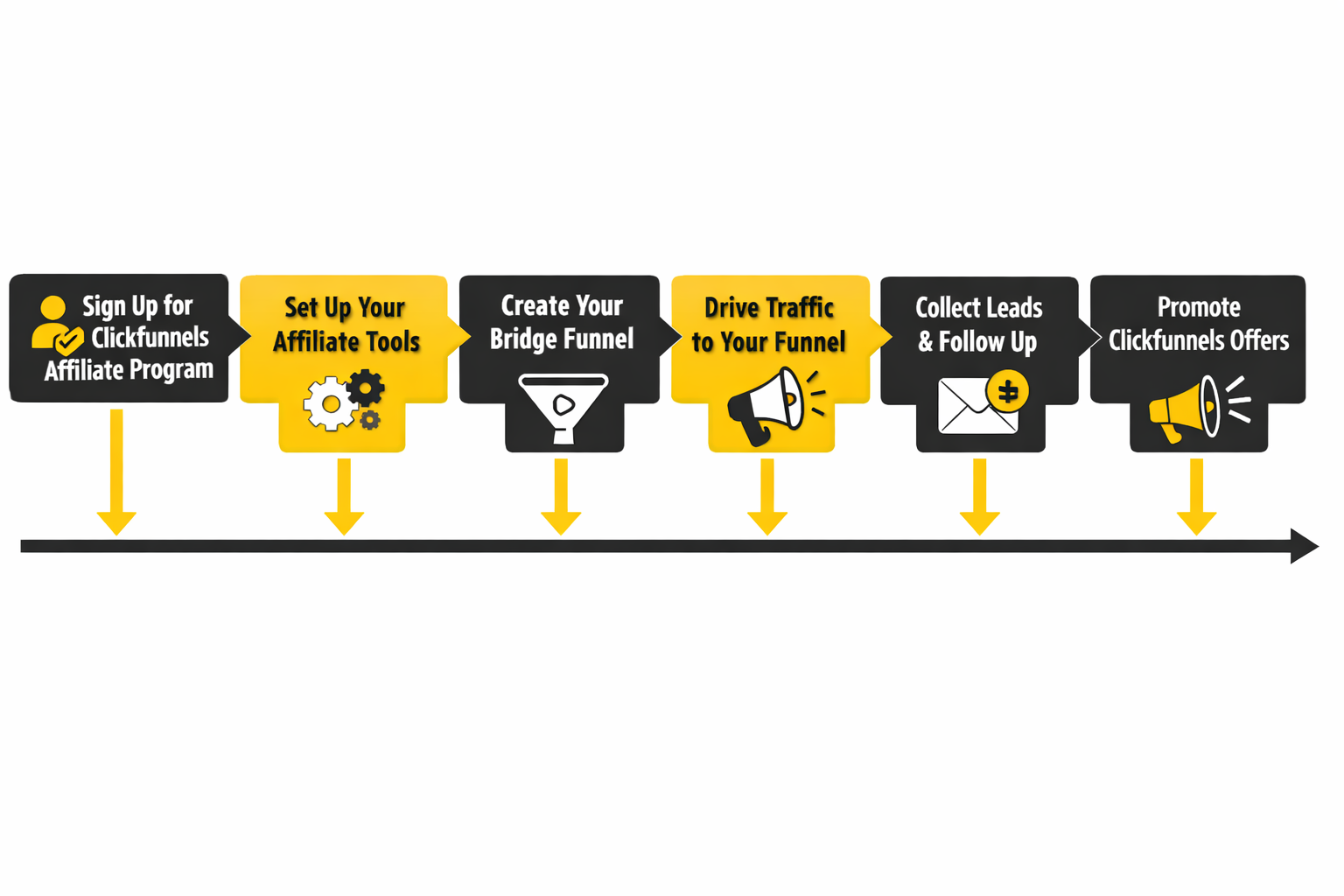
This is where a lot of ClickFunnels affiliates get into trouble. They try to promote a premium funnel platform the same way they would promote a cheap tool, a one-click impulse product, or a trendy app, and then they wonder why the clicks do not turn into real recurring commissions. The truth is simple: if you want a ClickFunnels affiliate program review to make money, your promotion strategy has to match how people actually buy software like this.
That means you are not just chasing traffic. You are building trust, reducing uncertainty, showing the product in action, and helping the right person see why this platform might solve a problem they are already struggling with. ClickFunnels itself leans into that practical, hands-on angle by showing the platform through its core product pages, its landing page builder, its automation tools, and its live plan structure, so your content needs to do the same thing in a way that feels clear, grounded, and useful.
Lead With Buying Intent, Not Broad Curiosity
The biggest mistake you can make is trying to sell ClickFunnels to people who are only casually curious about online business. That audience will click, browse, compare, and disappear. The better move is to create content for readers who already know they need lead capture, checkout flows, email follow-up, offer pages, or a place to run more of their business from one system.
That is why some of the strongest content angles are not generic “make money online” pieces at all. They are pages like “best funnel builder for coaches,” “ClickFunnels for course creators,” “ClickFunnels vs OptimizePress,” or “how to build an opt-in funnel without hiring a developer.” ClickFunnels itself frames the product around specific use cases like websites powered by funnels, lead generation pages, and selling and delivering products online, so you want your content to meet that intent head-on instead of staying vague.
When your content begins with a real business problem, the recommendation feels natural. When it begins with hype, the review usually collapses into noise.
Build Content That Shows, Not Just Tells
ClickFunnels is one of those offers that gets stronger when people can actually see the workflow. Reading about pages, funnels, automations, follow-up sequences, subscriptions, and order flows is one thing. Watching those pieces come together in a real setup is completely different.
That is why tutorial-driven promotion fits this offer so well. ClickFunnels support has current guides on how to build an opt-in funnel, set up subscription products, connect with Zapier, and create follow-up funnels. Those are not just support docs for users. They are clues for affiliates about what prospects actually want to understand before they buy.
So instead of publishing another thin review page that says the software is “powerful,” show people a real setup path. Show how a lead magnet page connects to email follow-up. Show how an order page can move into a subscription product. Show how tags, surveys, and automation can shape a more relevant journey. The more concrete you are, the more trustworthy the recommendation becomes.
Use Comparison Content the Right Way
Comparison content works well for this kind of offer because buyers of premium software almost never evaluate in a vacuum. They compare price, complexity, feature depth, hosting, integrations, email tools, and how much of the stack they can consolidate into one place. That is one reason ClickFunnels keeps publishing direct comparison content against alternatives like OptimizePress, ThriveCart, Kartra, and GetResponse.
The mistake would be turning comparison content into a cheerleading contest. People can feel that instantly. A stronger approach is to explain the tradeoff honestly. ClickFunnels tends to make more sense when someone wants hosted funnels, CRM-style functionality, automation, selling tools, and a faster all-in-one workflow. A different platform may make more sense when the buyer mainly wants low cost, a narrow feature set, or a WordPress-dependent setup.
That honesty is not a weakness. It is exactly what makes comparison content convert. When readers feel that you are trying to place them in the right tool rather than force a sale, trust goes up. And when trust goes up, clicks become much more valuable.
Capture the Click and Keep the Conversation Going
One of the smartest ways to promote ClickFunnels is not to send every visitor directly to the offer and hope for the best. It is to capture the lead first, continue the conversation, and let the recommendation mature over several touchpoints. That fits the product because ClickFunnels is not usually a same-minute decision for cold readers.
Conveniently, the platform itself is built around exactly that kind of journey. ClickFunnels support explains how to create follow-up funnels, how to use an email messenger step, how to add and remove tags or list actions, and even how to run double opt-in confirmation when list quality matters. Those are product-use lessons, but they are also affiliate strategy lessons.
If your review gets attention, give readers a reason to stay in your world. Offer a setup checklist. Offer a comparison guide. Offer a short email series on when ClickFunnels is worth it and when it is not. That kind of bridge makes the final affiliate click much stronger because the prospect is moving with more context and less confusion.
Make the First Step Easy
A premium tool becomes much easier to recommend when the first commitment feels manageable. That is why entry offers matter so much in a ClickFunnels affiliate program review. Asking someone to commit mentally to a whole platform is hard. Asking them to test the platform in a lower-friction way is much easier.
For readers who want to experience the software instead of just hearing about it, the ClickFunnels 3 months for $99 offer is a strong bridge because it lowers the emotional resistance without changing the core product. And if someone is already convinced and simply wants to get inside the platform, the direct ClickFunnels signup flow is the cleaner call to action.
This matters more than many affiliates realize. Your job is not just to present the best-case outcome. Your job is to make the next step feel obvious, reasonable, and aligned with where the prospect already is.
Track What Happens After the Click
A promotion strategy is only as good as the feedback loop behind it. If you are not measuring which content attracts qualified buyers, you can spend a lot of time creating pages that look busy but never generate durable commissions. ClickFunnels gives users ways to work with UTM parameters, tracking pixels, and affiliate-side reporting for visitors, buyers, and commissions, which means you can actually learn which pages and angles deserve more attention.
That kind of tracking changes how you write. Maybe your generic review gets clicks but no sales, while your comparison article draws fewer visitors and produces much stronger commissions. Maybe your tutorial content pulls in people who stay subscribed longer because they understood the product better before buying. Without tracking, you cannot see that. With tracking, you can double down on what is actually working.
And because ClickFunnels documents its sticky cookie system, it makes even more sense to think in terms of content ecosystems instead of one isolated page. Sometimes the page that introduces the brand is not the page that closes the sale, and that is perfectly fine when the overall system is doing its job.
Stay Compliant While You Sell
This part is not exciting, but it matters. If you are earning from referrals, that relationship needs to be disclosed clearly and in a way people can actually notice. The FTC’s guidance on endorsements, influencers, and reviews and the updated Endorsement Guides Q&A make the principle easy to understand: if there is a material connection, do not hide it.
In practical terms, that means your ClickFunnels affiliate program review should not try to sneak links into the page and hope nobody notices. A clean disclosure protects trust and also keeps the whole recommendation stronger. People are much more comfortable moving forward when they feel they are dealing with someone straightforward.
Ironically, being more transparent often helps conversions instead of hurting them. It removes the weirdness from the interaction and lets the value of your recommendation carry the weight.
What to Avoid When Promoting ClickFunnels
The wrong strategy for this offer is easy to spot. Do not promise that ClickFunnels will fix a broken business overnight. Do not throw the software into unrelated content just because the commission sounds attractive. Do not build a review page that repeats the pricing, says the platform is “amazing,” and then expects recurring revenue to show up out of nowhere.
You also want to avoid forcing the platform on readers who are better served by something lighter or cheaper. In some cases, a leaner alternative like Systeme.io may be more realistic for a budget-sensitive beginner, and admitting that openly can make your ClickFunnels recommendations more credible when the fit really is there.
The affiliates who usually struggle with this offer are not the ones lacking traffic. They are the ones lacking alignment. When the audience, message, and buying stage line up, the program can work very well. When they do not, even a lot of activity can produce very little income.
Part 3 Takeaway
The best promotion strategy for a ClickFunnels affiliate program review is not aggressive selling. It is smart alignment. Bring in people who already need funnels, show the product in a practical way, compare it honestly, capture the lead when appropriate, measure what happens after the click, and keep the recommendation transparent from start to finish.
That approach takes more work than dropping links into random content. But it is also the kind of work that gives you a much better shot at the recurring side of the program instead of chasing one-off curiosity clicks that never turn into anything meaningful. In the next part, we can get into the economics, risks, and alternatives that shape whether this program is really worth building around.
Statistics and Data
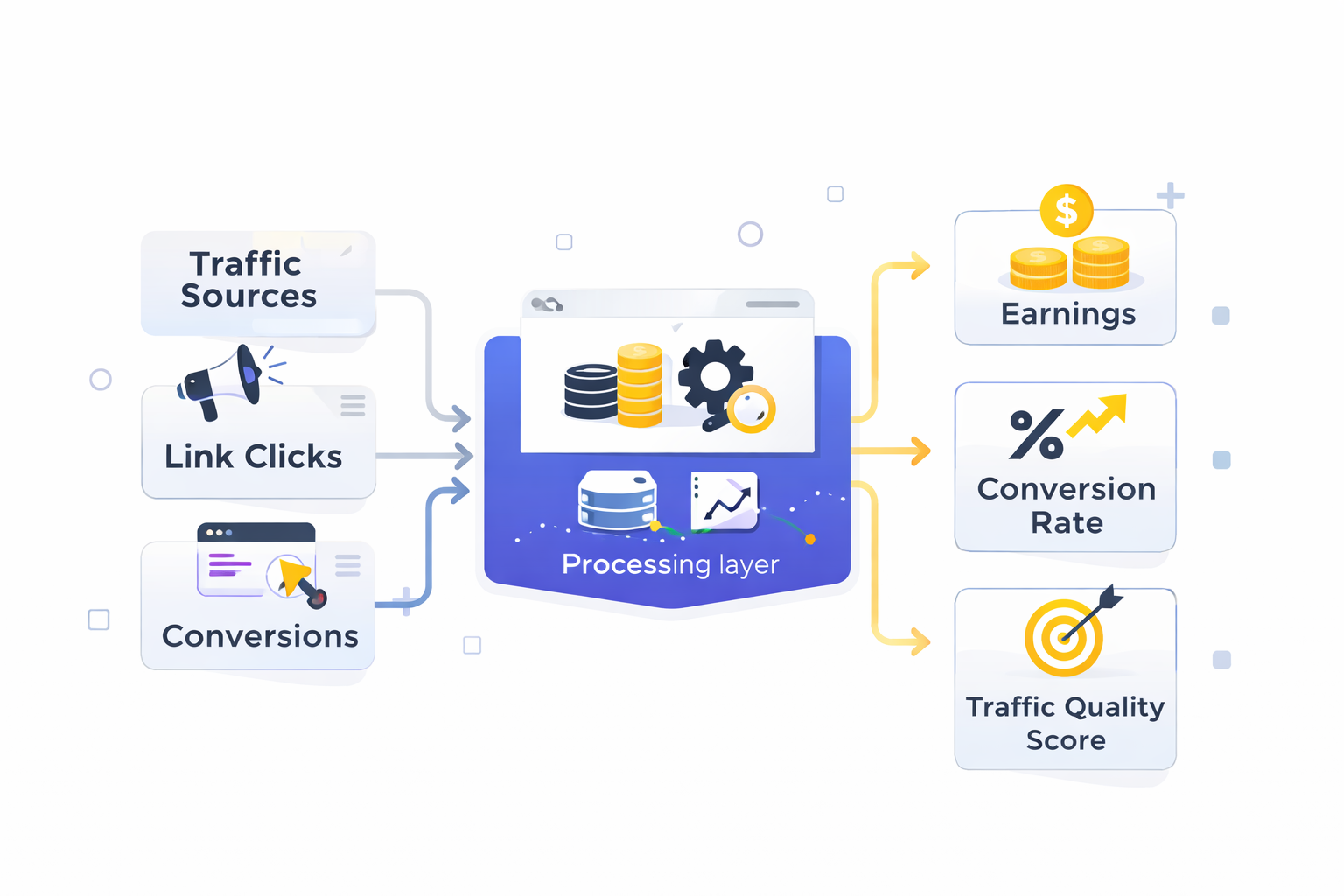
If you want to make a smart decision in this ClickFunnels affiliate program review, this is where emotion needs to step aside and the numbers need to do the talking. A premium software affiliate offer can look amazing from far away, but once you break down pricing, commission tiers, payout timing, and buyer behavior, you get a much clearer picture of what is realistic and what is just wishful thinking. That matters because the difference between a good affiliate offer and a frustrating one is usually hidden in the data, not the headline promise.
And to be fair, the ClickFunnels affiliate program gives you enough official information to make that judgment. The company publishes live pricing on its pricing page, explains recurring commission mechanics in its affiliate program overview, and documents payout requirements, cooling-off rules, reporting, and tier progression in its support center. So instead of guessing, we can look at the numbers and judge the offer the way a serious operator would.
Pricing Math and Commission Potential
The first data point that matters is the price of the product you are trying to sell. ClickFunnels currently lists its monthly plans at $97 for Launch, $197 for Scale, and $297 for Optimize, with an annual-only Dominate plan at $5,997 per year. Right away, that tells you this is not a casual low-ticket offer. It is a premium software decision, which raises both the value of each conversion and the difficulty of getting that conversion in the first place.
ClickFunnels says its standard software affiliate payout is 30% recurring for the life of the customer. On the current monthly plans, that works out to about $29.10 per month on Launch, $59.10 on Scale, and $89.10 on Optimize when you use the live monthly pricing page as the base. Those are strong numbers for one customer, which is exactly why this offer gets so much attention, but they only become powerful when the customers you send are a real fit and stick around.
The higher tier is where the upside becomes much more serious. ClickFunnels support says approved affiliates can earn 40% commission once they sell 40 ClickFunnels accounts through their affiliate ID in a month. That sounds exciting, and it should, but it also tells you something important: the program is designed to reward volume that is both qualified and sustained, not just a lucky spike of random clicks.
Entry Friction and Tier Data
One of the most important statistics in this whole review is not even a flashy one. ClickFunnels support explains that affiliates who have not applied remain at 20% commission and do not have standard affiliate links, which means they can only promote the trial through the platform badge. That is a major detail because it shows the true entry point is more limited than many casual reviews make it sound.
Then the structure climbs. Support documentation explains that approved affiliates can promote front-end products at 40%, and once they generate $1,000 in a rolling 30-day period from those front-end offers, they can apply to promote the software at 30%. That progression matters because it means the best part of the program is not completely open on day one. It has to be earned.
For some people, that is going to feel like friction. For others, it will feel like quality control. Either way, the data tells you this is not a “sign up now, earn big recurring commissions tomorrow” kind of setup, and a good ClickFunnels affiliate program review needs to say that clearly.
Payout Delay, Cooling-Off, and Cash Flow
Now we get to one of the most overlooked parts of affiliate economics: how long it actually takes to get paid. ClickFunnels support says commissions are paid after a 45-day cooling-off period, while its separate cooling-off article explains the logic behind the 30-day adjustment and refund protection window. Support also notes that affiliates need at least $100 before a payout is released and that payouts run on the 1st and 15th of the month.
That combination changes the feel of the program. You can absolutely build meaningful recurring income here, but you should not confuse booked commissions with cash in hand. If you rely on rapid payout velocity, this is going to feel slower than easier affiliate offers. If you are building content assets, email sequences, and long-term review pages, the delay is easier to live with because the model is designed around recurring value rather than instant wins.
There is another layer to that risk. ClickFunnels support notes in its CSV reporting guide that negative commissions take effect immediately when a refund happens. That makes sense from the company’s perspective, but for affiliates it is a reminder that low-quality traffic can quietly wreck the economics of what looked like a strong month.
What the Tracking Data Actually Lets You See
A program becomes much more usable when you can see what is happening inside it. ClickFunnels support says affiliates can review unique visitors, unique buyers, and total commissions by product, which is more valuable than it sounds at first. Those three numbers tell you whether your content is attracting the wrong people, whether your offer framing is weak, or whether the product-market fit is stronger than your raw traffic numbers suggest.
ClickFunnels also documents its sticky cookie system, which matters because software purchases often take time. People rarely read one review, click once, and commit to a premium subscription five minutes later. They compare, hesitate, look for proof, and come back. Attribution that survives a longer decision cycle makes review content, tutorials, comparison pages, and bridge funnels much more practical.
That is why tracking data matters so much in this niche. In a ClickFunnels affiliate program review, it is not enough to know that traffic exists. You need to know whether it behaves like buyer traffic or just curiosity traffic, because recurring commissions are built on the first kind and destroyed by the second.
Market Size and Why This Channel Keeps Growing
The broader market data also helps explain why ClickFunnels keeps pushing its affiliate ecosystem. Grand View Research estimates the global affiliate marketing platform market was worth $22.58 billion in 2025, expects it to reach $23.84 billion in 2026, and projects growth to $35.70 billion by 2033. Even more interesting for this review, the same report says virtual products are the fastest-growing segment because subscription-based digital services like SaaS increasingly rely on affiliate programs for scalable acquisition.
That context matters because ClickFunnels is not operating in a shrinking corner of the internet. It is sitting inside a performance-driven channel that is still growing and still attracting more sophisticated attribution, automation, and partner infrastructure. In other words, the affiliate model itself is not the risky part here. The risky part is whether your audience and content strategy are good enough to compete inside that model.
So when people ask whether a ClickFunnels affiliate program review is still worth creating, this market data says the channel is alive and expanding. The harder question is whether you can earn your place in it.
Buyer Behavior Data and Why Reviews Matter More Now
The buying environment is also shifting in a way that makes detailed reviews more important, not less. Gartner said in March 2026 that 67% of B2B buyers prefer a rep-free experience, and the same survey found that 45% used AI during a recent purchase. That tells you something powerful: more buyers want to educate themselves before they ever talk to anyone, and more of them are using digital research to shape the shortlist.
Trust data points in the same direction. Trustpilot’s 2025 review report says the platform generated over 190,000 new reviews per day and 61 million in 2024, and its cited YouGov data shows that 54% of people do not trust AI to be unbiased. Put those two ideas together and a very practical conclusion appears: people are still looking for human judgment, but they want it in a digital, self-serve format they can evaluate on their own time.
That is exactly why good comparison pages, honest walkthroughs, and grounded review content can work so well for a tool like ClickFunnels. The buyer wants space. The buyer wants context. And the buyer wants enough evidence to justify a premium software decision without feeling pushed into it.
The Hard Truth Hidden Inside the Data
So what does all this data say when you strip the hype away? It says the ClickFunnels affiliate program has real economic potential because the product price is meaningful, the commission model is recurring, and the broader affiliate infrastructure around SaaS continues to grow. It also says the path is not easy, because access is tiered, payouts are delayed, refunds matter, and the buyer journey is longer than a shallow review page can handle.
That is the hard truth hidden inside the numbers. A ClickFunnels affiliate program review can absolutely become a valuable asset, but only when it is built for a buyer who is already moving toward funnels, automation, monetization, and self-directed software research. If your content is vague, untargeted, or built for people who only want cheap tools, the same data that makes the program attractive will work against you.
And that is exactly why statistics matter here. They do not just tell you how much you could make. They tell you what kind of operator you need to become if you want to make it.
Who Should Join and Who Should Skip
This is where a ClickFunnels affiliate program review becomes genuinely useful, because not every good program is good for every person. Some affiliates look at the recurring commission model and see opportunity. Others look at the same program, put in months of work, and get almost nothing back because the offer never matched their audience, content style, or business model in the first place.
That is why this part matters so much. ClickFunnels can absolutely be worth promoting, but only when the person behind the content understands what kind of buyer this software is built for, what kind of trust is required to sell it, and what kind of patience it takes to wait through tier progression, cooling-off periods, and a longer software buying cycle.
Who ClickFunnels Is Best For
ClickFunnels makes the most sense for affiliates who speak to people already trying to build something serious. That includes coaches, consultants, course creators, agency owners, creators selling digital offers, and entrepreneurs who need lead capture, sales pages, automation, and follow-up inside one system. When someone is already moving toward funnels, the product story is much easier to tell because ClickFunnels is clearly positioned around building and running an online business, not just creating a pretty page.
It also fits affiliates who are comfortable with depth. If you write detailed reviews, publish tutorials, produce comparisons, run email sequences, or build funnels of your own, this program lines up well with the kind of education-heavy decision software buyers often need. The company’s own documentation around opt-in funnels, follow-up funnels, and Zapier-based workflows shows how much of the buying process is tied to practical implementation, not just brand awareness.
And there is one more group that can do especially well here: affiliates who genuinely use the platform. That sounds obvious, but it changes everything. When you have built inside the product, seen the setup friction, tested the workflows, and felt the strengths and the annoying parts for yourself, your ClickFunnels affiliate program review stops sounding generic and starts sounding real.
Who Can Win Big With This Program
The affiliates who can really win with ClickFunnels are usually not the loudest ones. They are the ones who combine buyer intent, education, and follow-up. If you can attract people who are already comparing funnel builders, already budgeting for software, and already trying to centralize more of their sales process, the economics become much stronger because the product is solving an immediate problem.
That is where the numbers start to matter in a practical way. ClickFunnels currently prices its main monthly plans at $97, $197, and $297, and the company still frames the affiliate opportunity around 30% recurring commissions with higher upside available through its tier system. For the right affiliate, that means a relatively small number of high-fit customers can outperform huge volumes of weak traffic.
If that sounds like your business, the program deserves a real look. And if you want to understand the platform from the inside before recommending it, the ClickFunnels 3 months for $99 offer is a much smarter starting point than trying to review it from a distance.
Who Should Probably Skip It
Now for the part that too many reviews avoid: some people should not build around this offer. If your audience is mostly made up of beginners hunting for free tools, side hustlers who are not yet serious, or readers who get excited by the idea of online business but rarely buy software, ClickFunnels is going to be a difficult sell no matter how good your copy is. The price point alone filters people out, and it should.
It is also not ideal for affiliates who need instant simplicity. ClickFunnels support makes it clear that access to the strongest part of the program is layered, with application-based approval for front-end offers, a path to software promotion after $1,000 in a rolling 30-day period, and a cooling-off window before commissions are paid. If you want a plug-and-play affiliate program where you sign up, drop a link, and withdraw quickly, this is not really that kind of setup.
And if your biggest strength is broad entertainment-style content rather than problem-solving content, you may struggle here too. A premium SaaS offer usually needs context, objections handled, and trust earned over more than one touchpoint. If you do not like that kind of work, there are better programs for your temperament.
When an Alternative Makes More Sense
This is also the point where honesty helps more than hype. Some readers do need funnels and automation, but they do not need a platform at ClickFunnels pricing. In those cases, forcing the recommendation actually hurts the whole review because the mismatch is obvious.
A leaner alternative can be the better move when cost sensitivity is the main issue. For example, Systeme.io’s pricing page still shows a free plan alongside lower-cost paid plans, which makes it far easier for early-stage users to test funnel-building, email, and course delivery without committing to a premium monthly bill. So if your audience is earlier in the journey, a lower-friction option like Systeme.io may simply fit better.
That does not weaken the ClickFunnels case. It strengthens it, because when you openly admit that not everyone should buy the premium option, your recommendation becomes more credible for the people who really should.
The Skill Set You Need
If you are wondering whether you personally are a fit for the program, the easiest way to think about it is this: do you know how to educate, pre-frame, and follow up? Those three abilities matter more here than flashy reach. ClickFunnels is built for a buyer who wants more than a page builder, and your content has to help that buyer understand why the broader system is worth the extra investment.
That means the right affiliate usually knows how to write persuasive long-form content, build comparison pages that feel fair, create tutorials that answer real questions, and guide people toward a next step that does not feel forced. Someone with that skill set can do a lot with a program that offers recurring commissions, documented attribution through a sticky cookie system, and visible reporting on visitors, buyers, and commissions.
Someone without that skill set may still make a few sales, but it is much harder to turn the program into something consistent. And that is the real goal here. Not luck. Consistency.
My Part 5 Take
So who should join? The answer is pretty clear: creators, marketers, educators, and operators with an audience that already needs funnels and is willing to pay for a more complete business system. Those people have a real shot at making this ClickFunnels affiliate program review pay off because the offer, the audience, and the buying intent can line up in a very profitable way.
Who should skip it? Beginners chasing easy commissions, people with price-sensitive audiences, and affiliates who do not want to invest in trust-heavy content. For them, the same program that looks exciting from a distance can become frustrating very quickly.
That is why fit matters more than hype. When the fit is there, ClickFunnels can be one of the more compelling SaaS affiliate offers in this space. When the fit is not there, even a strong brand and a recurring payout model will not save the campaign.
Final Verdict and FAQ

So after breaking this down from every angle, what is the final verdict in this ClickFunnels affiliate program review? I think it is a strong program for the right person, but it is absolutely not a casual one. The upside is real because ClickFunnels still pairs premium software pricing on its live pricing page with recurring commissions and a clear tier system in its affiliate documentation, but the work required to earn those commissions is also very real.
That is why I would put it this way: if you have an audience that already needs funnels, automation, checkout flows, and a more complete business system, this program can be very attractive. If your audience is price-sensitive, uncommitted, or mainly looking for free tools, the same program can become a frustrating grind. Fit still decides everything.
The smartest way to approach it is to stay honest. Use the platform if possible, create content that helps buyers make a real decision, disclose your relationship clearly in line with the FTC’s review and endorsement guidance, and focus on qualified buyers instead of vanity traffic. If you want to test the product before promoting it harder, the ClickFunnels 3 months for $99 offer is the most practical starting point, and if you are already convinced the platform fits your business, the direct ClickFunnels signup flow is the cleaner next step.
FAQ for This Complete Guide
Is the ClickFunnels affiliate program worth it?
Yes, it can be worth it, but only when your audience already has real buying intent. The program is appealing because ClickFunnels combines premium pricing with recurring software commissions and higher tiers for stronger performers, as shown in its pricing page and affiliate tier breakdown. The catch is that it takes trust, solid education-based content, and patience to make those economics work.
How much do ClickFunnels affiliates make?
That depends on the tier, the plan mix, and how well your referrals retain. ClickFunnels states that approved affiliates can earn 30% recurring commissions, while its support center explains that qualified affiliates can move up to 40% on software after hitting the required performance threshold. Because the monthly plans are currently $97, $197, and $297, even a relatively small number of high-fit customers can add up in a meaningful way over time.
Can beginners join the ClickFunnels affiliate program?
Yes, but beginners should understand that the best parts of the program are not fully open from day one. ClickFunnels support explains that all users start as 20% badge-only affiliates, and broader promotion access expands after the application and tier process. So a beginner can absolutely start, but should not expect instant full-featured access and easy recurring income right away.
How do you unlock software commissions in ClickFunnels?
ClickFunnels support says affiliates can apply to promote software at 30% after they generate $1,000 in any rolling 30-day period from front-end offers. That makes the program more structured than many simpler affiliate offers. It also means the company is rewarding proven performance rather than handing everyone the strongest offer immediately.
Does ClickFunnels pay recurring commissions?
Yes, that is one of the biggest reasons the program gets so much attention. ClickFunnels describes the core software payout as recurring for the life of the customer at the qualifying tier, which is why this program can become more valuable over time than one-off front-end offers. Of course, recurring only helps when the customer keeps paying, so audience quality matters just as much as the commission rate.
How long does it take to get paid as a ClickFunnels affiliate?
It is not an instant payout system. ClickFunnels support says affiliates are paid after a 45-day cooling-off period, and its payout setup documentation also notes a $100 minimum threshold with payments running on the 1st and 15th. So this is better suited to people building long-term assets than people needing quick cash flow.
What happens if a customer requests a refund?
That matters more than a lot of people realize. ClickFunnels explains in its CSV reporting guide that negative commissions take effect immediately when refunds happen. In other words, low-quality or poorly pre-framed traffic can quietly damage your results even if your headline commission numbers look good at first glance.
Does ClickFunnels use cookie tracking?
Yes. ClickFunnels documents a sticky cookie system, which is one of the more practical advantages of the program. That matters because premium software buyers often need time to compare options, think through budget, and return later before they finally subscribe.
Can you see your clicks, sales, and commissions inside ClickFunnels?
Yes, and that visibility is a big help when you are trying to improve your content. ClickFunnels says affiliates can review commissions and product-level details in the dashboard, and other support material shows how to export paid and pending commission data. That makes it much easier to figure out whether your content is attracting buyers or just curiosity clicks.
Is ClickFunnels good for SEO review content?
It can be very good for SEO content when the page is written for decision-stage readers rather than broad entertainment traffic. That is because B2B buyers increasingly prefer self-serve research, with Gartner reporting in March 2026 that 67% prefer a rep-free buying experience. A detailed ClickFunnels affiliate program review, comparison article, or setup guide can fit that behavior very well.
Should you promote ClickFunnels without using it yourself?
You can, but it is much harder to do convincingly. Software reviews usually perform best when they come from someone who understands the setup process, the friction, and the use cases from actual experience. That is exactly why testing the platform through the ClickFunnels 3 months for $99 offer can be such a smart move before you try to build serious content around it.
Is ClickFunnels better than cheaper alternatives?
Not automatically. It is usually better when the buyer wants a broader system for funnels, selling, automation, and centralizing more of the business stack in one place. But for beginners or cost-sensitive users, a lighter option such as Systeme.io may be a more realistic fit, especially since its pricing model starts much lower. The best tool is the one that fits the buyer’s stage, not the one with the loudest affiliate hype.
Do you need to disclose affiliate links in a ClickFunnels review?
Yes, and that should not be treated like a small technicality. The FTC’s materials on endorsements and reviews and influencer marketing make it clear that material connections should be disclosed clearly. A straightforward disclosure does not weaken a good recommendation. In many cases, it makes it more believable.
Is this program best for bloggers, YouTubers, or email marketers?
It can work for all three, but the strongest results usually come from people who can educate and pre-frame the buyer. Bloggers can rank comparison pages and in-depth reviews. YouTubers can show workflows visually. Email marketers can nurture prospects over time, which matters because ClickFunnels is not always a same-day decision. The channel matters less than your ability to build trust and help the right buyer reach clarity.
Work With Professionals
If reading this ClickFunnels affiliate program review made one thing obvious, it is that serious marketing income usually comes from skill, positioning, and execution, not from chasing random links. The people who tend to win are the ones who understand funnels, buyer psychology, analytics, email follow-up, and how to match the right offer to the right audience at the right moment.
That is also why it can make sense to surround yourself with stronger opportunities and stronger operators. If you are building content, running campaigns, consulting, or trying to turn your marketing skill set into better income, the market rewards people who know how to communicate value clearly and deliver results consistently.
And if you want one more practical move from this guide, use your own promotion process as a test. Can you explain the product simply? Can you guide someone to a next step without sounding pushy? Can you help them compare options honestly? If yes, you are already building the exact muscles that make affiliate marketing, consulting, and client acquisition work.
Explore 10K+ Remote Marketing Contracts on MarkeWork.com
Most marketers spend too much time chasing clients, competing on crowded platforms, and losing a percentage of every project to middlemen.
MarkeWork gives you a better way. Browse thousands of remote marketing contracts and connect directly with companies desperate to hire skilled marketers like you without platform commissions and without unnecessary gatekeepers.
If you’re serious about finding better opportunities and keeping 100% of what you earn, you can explore available contracts and create your profile for free at MarkeWork.com.
 Filip Konecny Enterprises