

Article Outline
Why It Matters
SEO marketing is crucial for businesses looking to increase their visibility on search engines, ultimately driving more organic traffic to their websites. Without proper SEO strategies, even the best-designed website may remain invisible to potential customers. It’s not just about rankings; it’s about reaching your target audience effectively, offering them the right content, and providing a seamless user experience that converts visitors into customers. As the competition grows across all industries, SEO has become a necessary tool in digital marketing strategies for both large corporations and small businesses alike.
Framework Overview

To fully understand the power of SEO marketing, it’s essential to explore the key elements of a comprehensive SEO strategy. This involves a deep understanding of both on-page and off-page SEO, including content optimization, keyword research, technical SEO, and link-building strategies. A well-rounded SEO framework integrates these aspects to improve visibility, drive traffic, and create long-term success for any business.
Core Components
SEO marketing includes several critical components that work together to boost online visibility and engagement. These components include:
- Keyword Research: Identifying the most relevant and high-traffic keywords to target.
- Content Optimization: Creating high-quality, engaging content that aligns with your target keywords.
- Technical SEO: Ensuring your website is accessible, fast, and mobile-friendly.
- Link Building: Gaining backlinks from authoritative websites to enhance domain authority.
- Local SEO: Optimizing for location-based searches to attract nearby customers.
Professional Implementation
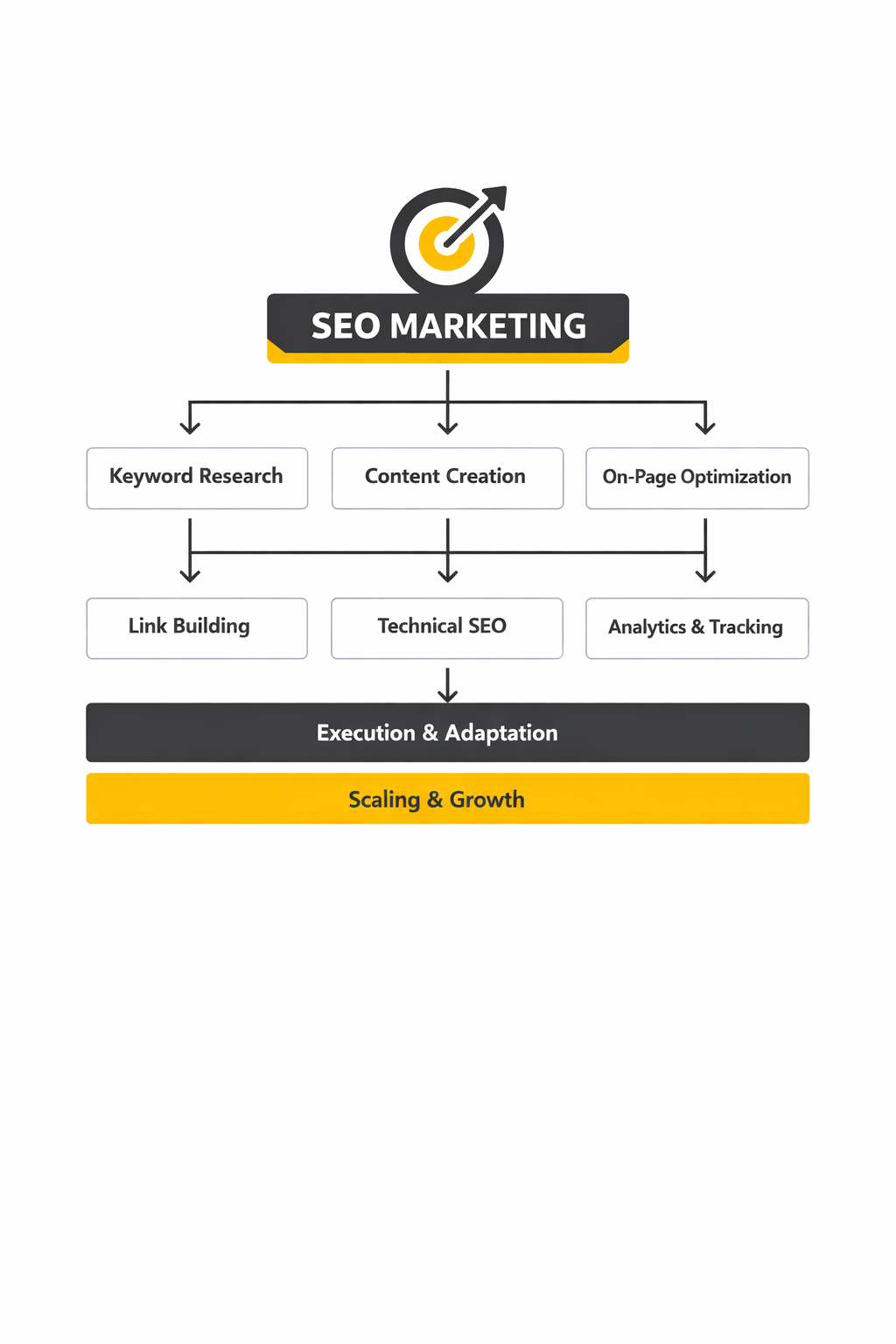
Professional implementation of SEO marketing involves a strategic approach that combines all aspects of SEO to ensure the best results. By hiring SEO experts or agencies with proven track records, businesses can achieve optimized web pages that rank higher on search engines and generate more organic traffic. These professionals stay up-to-date with the latest SEO trends, algorithm changes, and tools to continuously improve your SEO strategy and stay ahead of the competition.
HTMLImplementing an SEO Strategy
Implementing a successful SEO strategy requires consistency and an understanding of the key elements that drive search engine rankings. This involves optimizing website content with targeted keywords, ensuring site structure is easy to navigate, and using high-quality backlinks from reputable sources. A solid SEO strategy also includes local SEO techniques to improve visibility in location-based searches and leveraging tools such as Google Analytics to track performance. It’s important to continuously test and tweak the strategy based on the results to improve SEO performance over time.
Optimizing Content for SEO
Content optimization is central to SEO marketing. Ensuring that each piece of content is optimized for search engines involves strategic keyword placement, meta tag optimization, and ensuring content aligns with user intent. The goal is to make content both valuable for users and easily discoverable by search engines. Long-form content, which covers a topic comprehensively, is known to rank higher in search engines as it provides more value and depth. Regularly updating content to reflect the latest trends or data also plays a key role in maintaining high rankings.
Effective Link Building Strategies
Link building is one of the most critical aspects of SEO marketing. Gaining high-quality backlinks from authoritative sites enhances your website’s authority and improves search engine rankings. One effective way to build links is by creating shareable content such as infographics or in-depth articles that attract links from other reputable websites. Additionally, guest blogging and networking within your industry can help foster relationships that lead to valuable backlinks. However, it is important to focus on quality over quantity when building backlinks to avoid penalties from search engines.
SEO Implementation Success
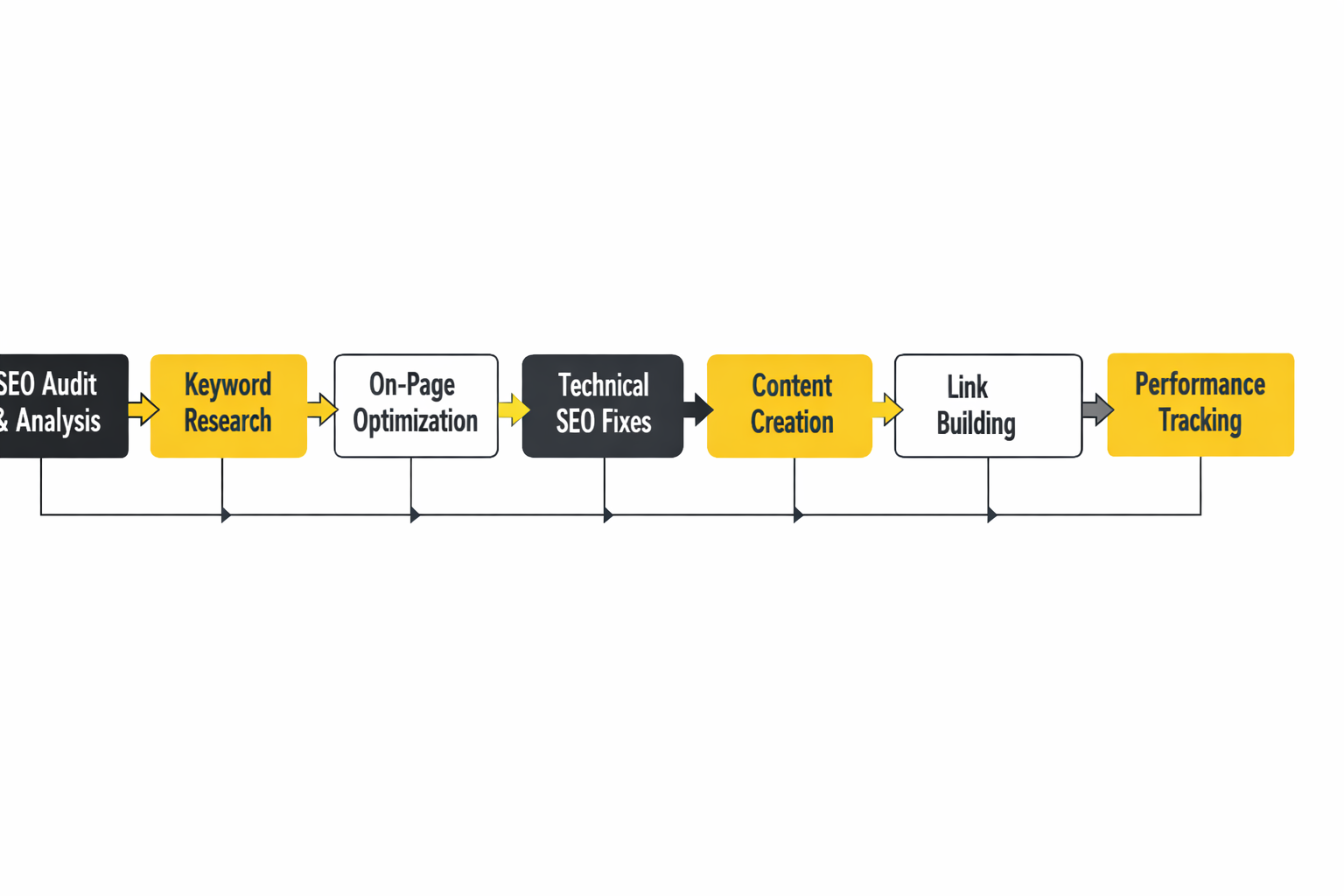
The success of an SEO marketing campaign can be measured by how well its strategies align with the objectives of the business. Whether it’s improving website traffic, increasing conversion rates, or building brand authority, monitoring key metrics is crucial. Regular SEO audits help businesses stay on top of any issues, ensure that best practices are being followed, and identify areas for improvement. As SEO trends evolve, businesses must continuously adapt their strategies to ensure long-term success in search engine rankings.
HTMLStatistics and Data
Data-driven decisions are the backbone of an effective SEO marketing strategy. By analyzing key performance indicators (KPIs) such as organic traffic, bounce rate, conversion rate, and keyword rankings, businesses can identify what’s working and what needs improvement. Statistics related to user behavior and search engine algorithms also play a crucial role in shaping SEO strategies. Regularly reviewing analytics helps businesses adjust their SEO tactics to stay competitive and relevant in an ever-evolving digital landscape.
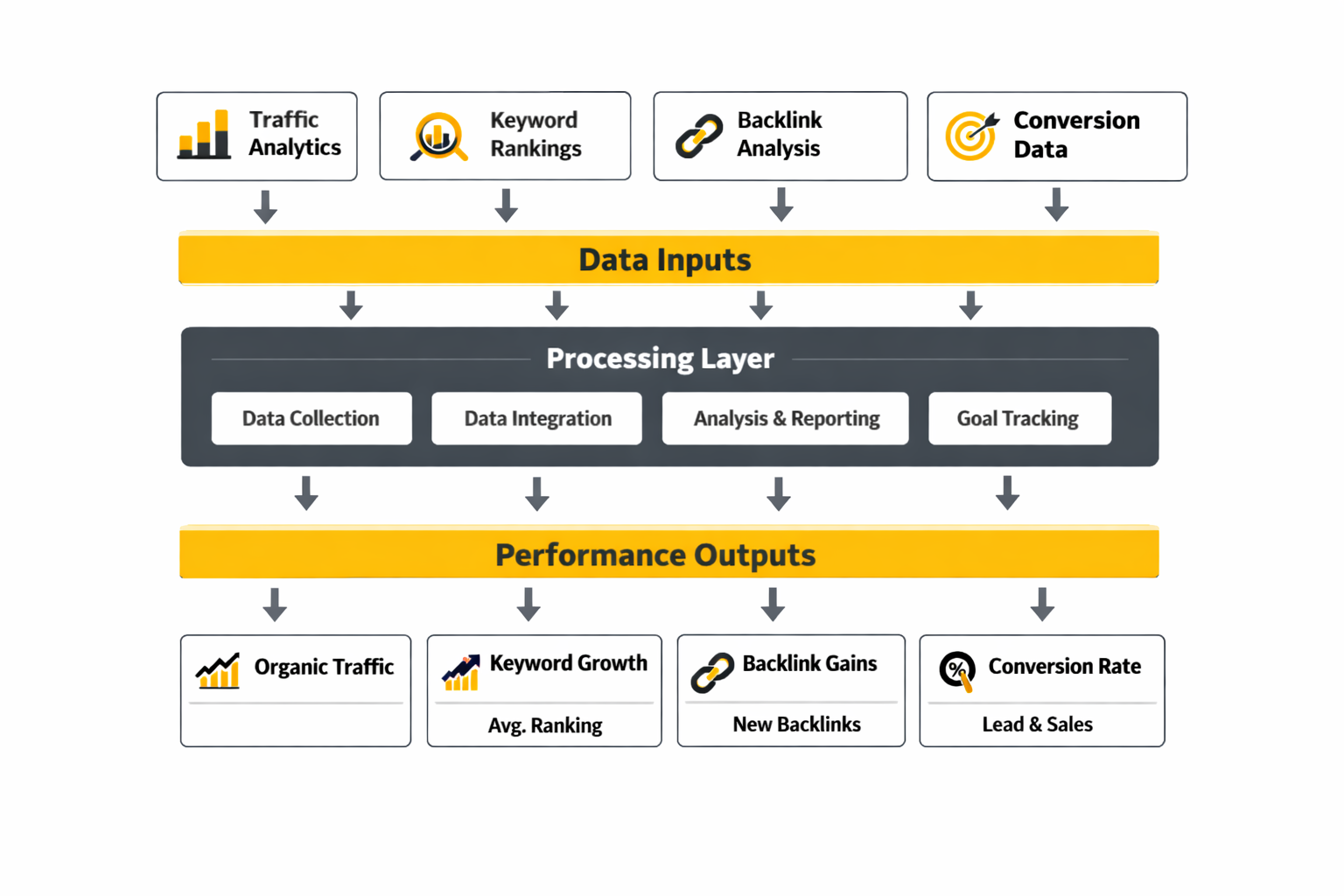
Using tools like Google Analytics and SEMrush, businesses can track the success of their SEO campaigns in real-time. For example, monitoring keyword performance allows marketers to pivot quickly and optimize for terms that are underperforming. This constant monitoring ensures that no opportunity for growth is missed, leading to improved ROI on SEO efforts. With the right data and insights, SEO marketing becomes a dynamic and adaptable process.
HTMLFAQ – Built for Complete Guide
- What is SEO marketing?
SEO marketing involves optimizing a website’s content and structure to improve its visibility on search engines like Google, ultimately driving more organic traffic to the site.
- Why is SEO important for businesses?
SEO is important because it helps businesses increase their online presence, attract more traffic, and generate more leads and sales by improving their visibility on search engines.
- How long does it take to see results from SEO?
SEO is a long-term strategy. It can take anywhere from 3 to 6 months to start seeing significant results, depending on the competitiveness of the industry and the quality of the SEO efforts.
- What are the key components of SEO?
The key components of SEO include keyword research, on-page optimization, content creation, link building, and technical SEO, all of which contribute to improving a website’s ranking.
- Can SEO marketing help small businesses?
Yes, SEO is especially beneficial for small businesses by helping them compete with larger companies in search results and attract local customers.
- What are the best tools for SEO?
Popular SEO tools include Google Analytics, SEMrush, Moz, Ahrefs, and Yoast SEO, which help track performance, analyze competitors, and optimize content.
- What is on-page SEO?
On-page SEO refers to the optimization of individual web pages to improve rankings, including factors like keyword usage, meta tags, content quality, and page speed.
- What is off-page SEO?
Off-page SEO involves actions taken outside of your website to improve its ranking, such as building backlinks and promoting content through social media and influencer marketing.
- How do I track the success of my SEO efforts?
You can track SEO success using tools like Google Analytics and Google Search Console to monitor organic traffic, keyword rankings, bounce rates, and conversions.
- Is SEO a one-time task?
No, SEO is an ongoing process. Search engine algorithms and user behavior change, so continuous optimization and updates are necessary to maintain or improve rankings.
Work With Professionals
SEO marketing can be a complex process that requires expertise, time, and constant adjustments. Working with professionals ensures that your SEO efforts are handled by experienced marketers who stay up-to-date with the latest trends and algorithm changes.

Explore 10K+ Remote Marketing Contracts on MarkeWork.com
Most marketers spend too much time chasing clients, competing on crowded platforms, and losing a percentage of every project to middlemen.
MarkeWork gives you a better way. Browse thousands of remote marketing contracts and connect directly with companies desperate to hire skilled marketers like you — without platform commissions and without unnecessary gatekeepers.
If you’re serious about finding better opportunities and keeping 100% of what you earn, you can explore available contracts and create your profile for free at MarkeWork.com.
 Filip Konecny Enterprises