

Article Outline
Why It Matters
Direct mail marketing plays a significant role in businesses’ overall marketing strategies. Despite the growing presence of digital marketing channels, direct mail remains an effective tool for connecting with targeted customers in a personalized and tangible way. This method has seen a resurgence as businesses realize its power to drive higher engagement and response rates compared to other marketing efforts. The physical nature of direct mail allows businesses to stand out from the digital noise and create lasting impressions that are not easily ignored. Furthermore, direct mail can be highly measurable, allowing businesses to track responses, analyze data, and optimize campaigns for future success.
Framework Overview
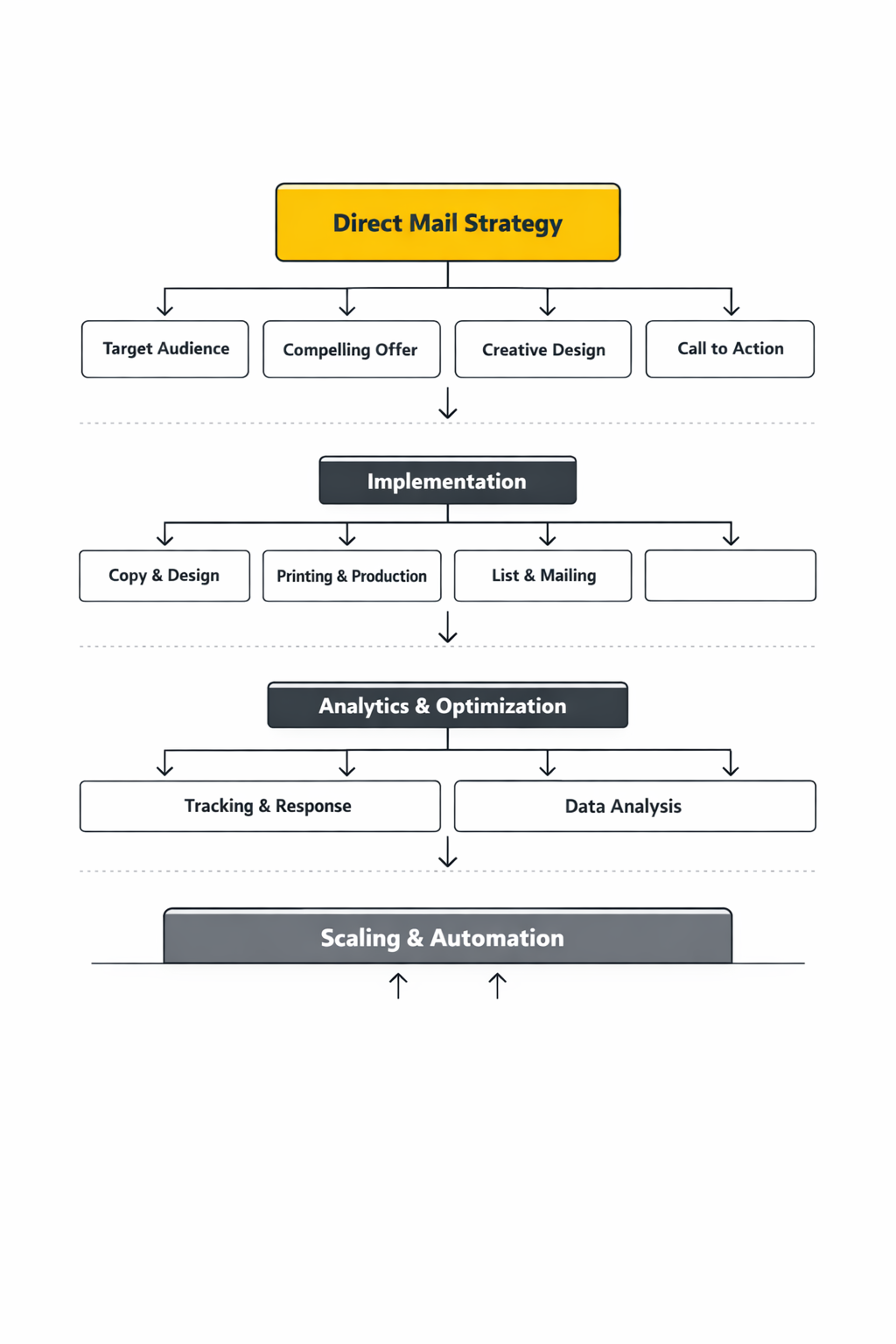
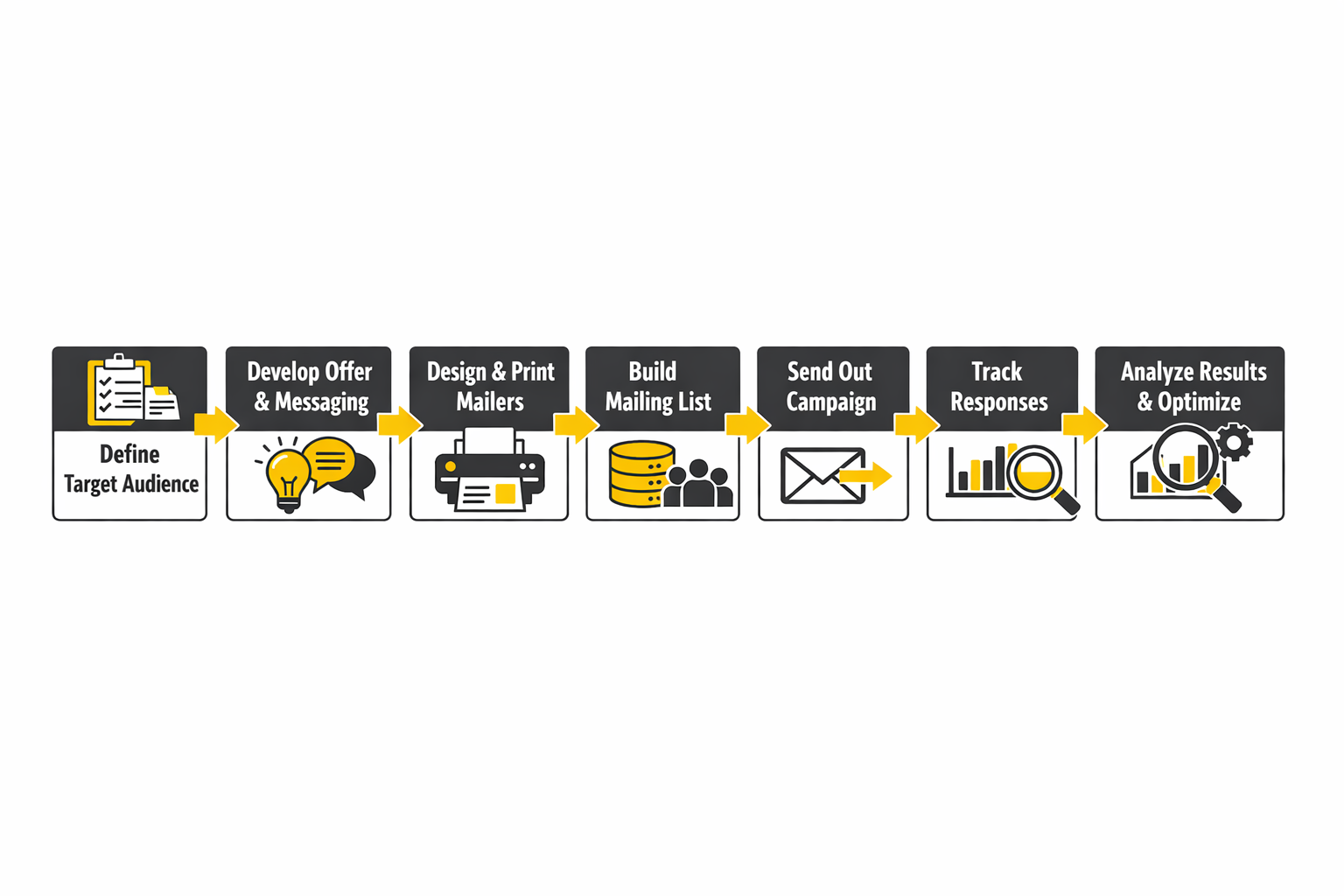
To make the most of direct mail marketing, businesses must understand the key components that go into creating a successful campaign. The process typically involves several stages, including selecting a target audience, crafting compelling content, designing eye-catching materials, and choosing the best method of delivery. Direct mail marketing campaigns often work in tandem with other marketing strategies to create a cohesive, integrated approach to reaching potential customers. By following a proven framework, businesses can ensure their direct mail efforts are optimized for maximum impact.
Core Components
The success of a direct mail marketing campaign hinges on several key components. These include:
- Target Audience: Identifying the right audience ensures that your mail reaches individuals who are most likely to engage with your offer.
- Message: Crafting a clear, compelling message that speaks to the recipient’s needs and desires is crucial for driving action.
- Design: The design of your direct mail piece should capture attention and encourage recipients to engage with your brand. This includes using appealing visuals, concise copy, and a strong call to action.
- Call to Action: The call to action (CTA) directs the recipient to take the next step, whether it’s visiting a website, signing up for an offer, or making a purchase.
- Delivery Method: Choosing the right delivery method, whether it’s first-class mail, postcards, or packages, can influence how recipients respond to your campaign.
Professional Implementation
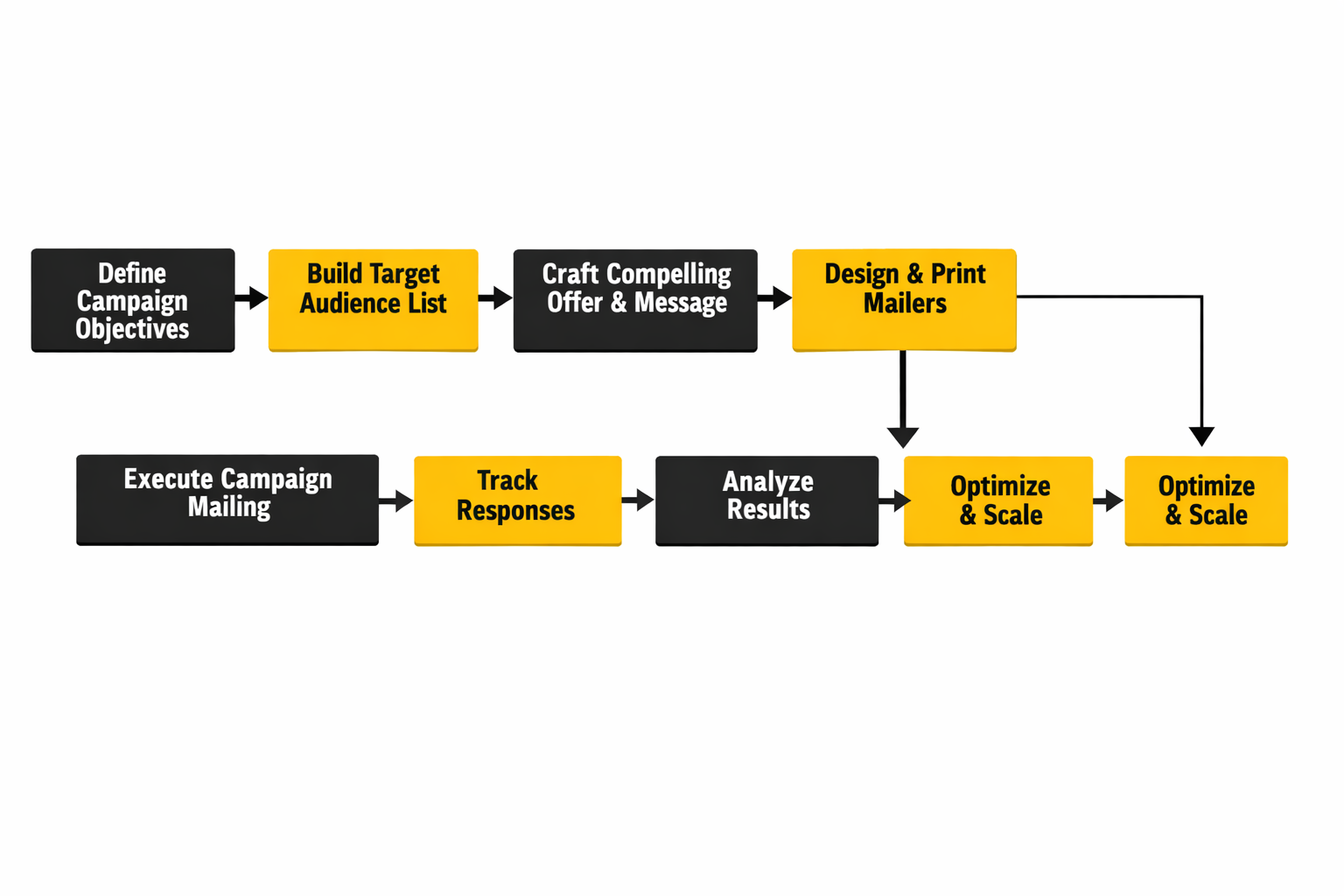
While the foundational elements of direct mail marketing are straightforward, achieving professional implementation requires expertise and careful attention to detail. Many businesses choose to work with professional agencies or consultants who specialize in direct mail campaigns. These experts can help ensure that your campaign is designed, executed, and tracked properly, maximizing your return on investment. They can assist in sourcing quality mailing lists, designing creative materials, and analyzing the results to refine future campaigns.
Analytics and Optimization
After implementing a direct mail campaign, businesses must focus on measuring its success and making improvements. By using analytics, businesses can track response rates, conversions, and other key performance indicators (KPIs) to gauge the campaign’s effectiveness. Analyzing these results allows businesses to understand what works and what needs to be refined. The optimization process includes adjusting targeting strategies, tweaking designs, and experimenting with different messaging to continually improve the campaign’s performance.
HTMLStatistics and Data
When considering direct mail marketing, it’s essential to understand the data behind it. While many marketers focus heavily on digital channels, direct mail continues to show impressive results and is increasingly being integrated with digital strategies. Statistics reveal that direct mail boasts higher response rates compared to email and digital ads, making it an effective tool for driving engagement. Here are some key statistics that highlight the power of direct mail marketing:
- High Response Rates: The Direct Mail Association reports that direct mail achieves a 4.9% response rate on average for both prospecting and house lists, while email campaigns see an average response rate of just 1%. This shows that physical mail resonates more with recipients.
- Return on Investment (ROI): According to a 2022 study by the Data & Marketing Association, direct mail has a remarkable ROI of $29 for every $1 spent, outperforming other channels like paid search and social media.
- Personalization Boosts Results: Personalized direct mail delivers an increase in response rates by up to 50%, as customers are more likely to engage with offers that speak directly to their needs and interests.
- Consumer Preference: A report by the U.S. Postal Service found that 56% of consumers believe receiving physical mail is more personal than online communication, which makes it an effective tool for building brand trust and loyalty.
- Cross-Channel Integration: Direct mail campaigns integrated with digital touchpoints (e.g., using a QR code or personalized URL) can increase overall engagement by up to 20%, combining the strength of both mediums for a more holistic marketing approach.
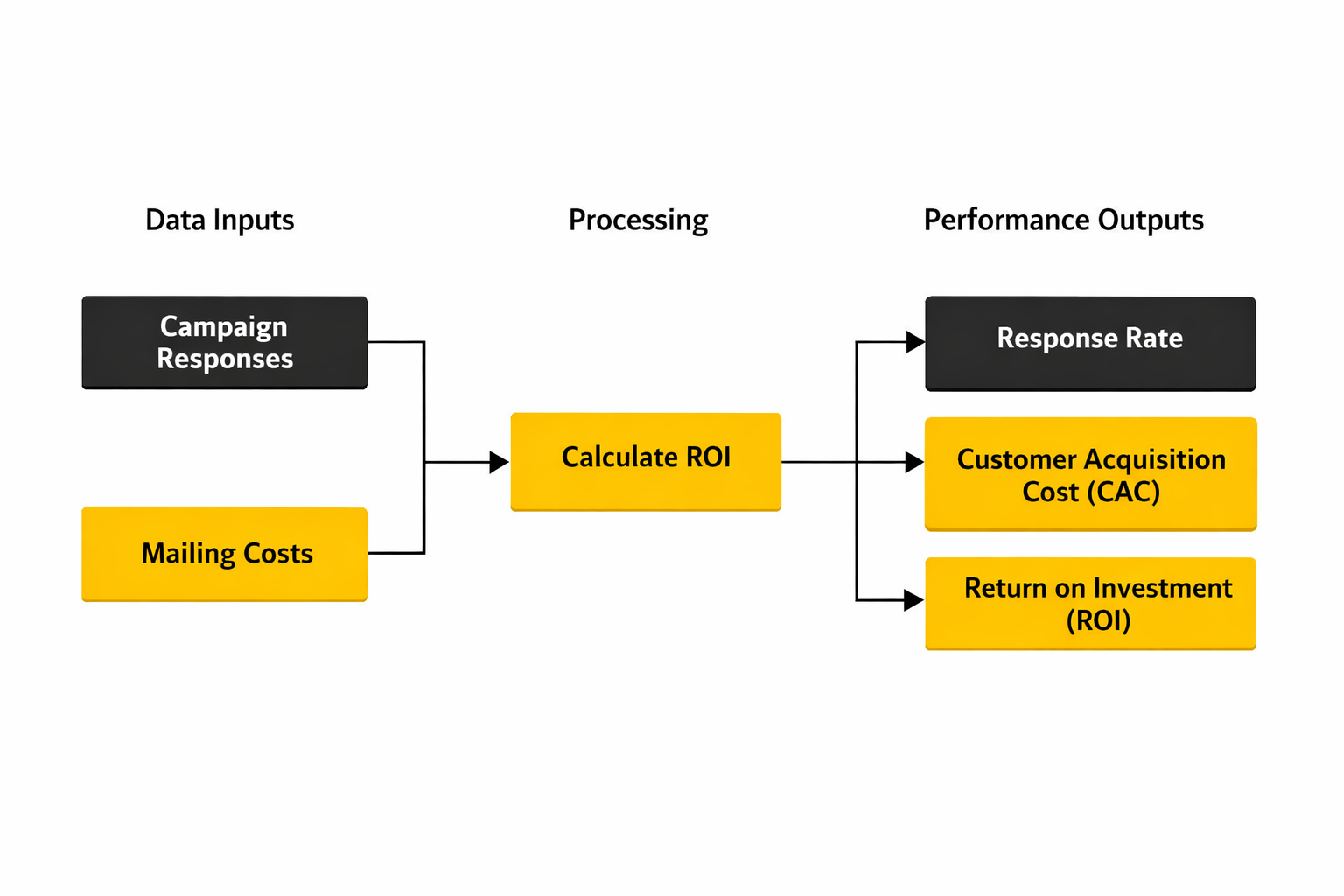
As these statistics show, direct mail marketing is far from being outdated. It continues to be an essential part of a marketer’s strategy, providing high engagement and conversion rates when executed well. The key is leveraging the power of data to target the right audience, craft personalized messages, and continuously optimize the campaign’s performance. By combining traditional direct mail with modern digital tools, businesses can create campaigns that are not only highly effective but also memorable and impactful.
HTMLFAQ – Built For Complete Guide
- What is direct mail marketing?
Direct mail marketing involves sending physical promotional materials to potential or existing customers via postal services. It is a powerful way to engage customers by delivering tangible content, such as postcards, catalogs, and brochures.
- Why should I use direct mail marketing?
Direct mail marketing is effective because it is personal, tangible, and stands out in a digital world. It has higher response rates compared to emails and digital ads, and it can be easily integrated with digital marketing strategies.
- What are the key components of a direct mail campaign?
A successful direct mail campaign consists of audience segmentation, personalized messaging, high-quality design, a clear call-to-action (CTA), and an effective tracking system to measure results.
- How can I measure the effectiveness of my direct mail campaign?
By tracking metrics such as response rates, conversion rates, return on investment (ROI), and customer feedback, you can measure the success of your direct mail campaign. Using unique promo codes or QR codes can help track engagement more accurately.
- What are the best practices for direct mail marketing?
Best practices include segmenting your audience, personalizing your mail, ensuring high-quality design, testing different versions (A/B testing), and timing the mailings effectively to increase engagement.
- How much does direct mail marketing cost?
The cost of direct mail marketing can vary depending on factors such as the size of your mailing list, design complexity, printing, and delivery methods. Typically, it ranges from a few cents to several dollars per piece, depending on the scale of the campaign.
- Can I use direct mail marketing for my small business?
Yes, direct mail marketing is suitable for businesses of all sizes, including small businesses. With the right strategy, small businesses can use direct mail to increase brand awareness and drive customer engagement effectively.
- What types of direct mail are most effective?
Postcards, catalogs, newsletters, and brochures are among the most effective types of direct mail. Choosing the right type depends on your campaign goals, whether it’s generating leads, promoting a special offer, or building brand loyalty.
- How do I integrate direct mail with digital marketing?
Direct mail can be integrated with digital marketing through strategies such as including QR codes or personalized URLs that direct recipients to your website. Additionally, pairing direct mail with email follow-ups can reinforce your message and improve results.
- Is direct mail marketing still relevant today?
Yes, despite the rise of digital marketing, direct mail remains highly relevant. In fact, it has experienced a resurgence in recent years due to its ability to stand out in an overcrowded digital landscape and its effectiveness in driving customer action.
Work With Professionals
Implementing direct mail marketing successfully requires expertise. Working with professionals can help you design, execute, and optimize campaigns that are tailored to your goals. Whether you’re working with a marketing agency or hiring a consultant, professionals can offer insights that make your campaigns more effective and help you achieve your business objectives faster.
Explore 10K+ Remote Marketing Contracts on MarkeWork.com
Most marketers spend too much time chasing clients, competing on crowded platforms, and losing a percentage of every project to middlemen.
MarkeWork gives you a better way. Browse thousands of remote marketing contracts and connect directly with companies desperate to hire skilled marketers like you — without platform commissions and without unnecessary gatekeepers.
If you’re serious about finding better opportunities and keeping 100% of what you earn, you can explore available contracts and create your profile for free at MarkeWork.com.
 Filip Konecny Enterprises