

An SEO specialist is no longer just the person who updates title tags and chases rankings. The role now sits at the intersection of technical performance, content quality, search intent, analytics, and business growth, which means a strong specialist has to understand both how search engines work and how real people make decisions. That is exactly why the best SEO specialists are becoming more valuable, not less, even as search keeps changing.
Google’s own SEO Starter Guide still frames search optimization around making content easier to crawl, understand, and serve to users, while its guidance on helpful, reliable, people-first content makes it clear that shortcuts and empty content patterns are a losing game. At the same time, 2025 reporting covered by Search Engine Land and published by BrightEdge showed AI search referrals growing quickly but still accounting for less than 1% of referral traffic, which is a sharp reminder that organic search is still a core channel for most serious businesses.
So if you want to understand what an SEO specialist actually does, what skills matter most, and how the role should be executed inside a real company, this article will give you a practical framework instead of vague marketing talk. We will start with why the role matters, move through the operating framework and core skill set, and then show how professional implementation works when SEO is treated like a business function instead of a random checklist.
Article Outline
This article is structured in six connected parts so you can jump directly to the section you need now and return to the rest later. The order is intentional, because a good SEO specialist starts with business relevance, builds a framework, develops core skills, implements the work professionally, measures outcomes properly, and then adapts for what comes next.
- Why SEO Specialists Matter
- SEO Specialist Framework Overview
- Core Components of an SEO Specialist Role
- Professional SEO Implementation
- SEO Tools, Analytics, and Career Growth
- The Future of the SEO Specialist and FAQs
Why SEO Specialists Matter

The reason an SEO specialist matters is simple: search is still one of the clearest ways to capture demand when people are already looking for answers, products, services, or comparisons. When a company shows up with the right page at the right moment, SEO does not just create traffic; it creates qualified visibility that can support leads, revenue, retention, and brand trust over time. That is a very different thing from publishing content for the sake of looking busy.
This matters even more now because modern SEO reaches far beyond rankings alone. A specialist has to connect technical accessibility, topical depth, internal linking, structured data, user experience, and measurement, which is why Google continues to point site owners toward fundamentals like Search Essentials, Core Web Vitals, and Search Console performance reporting. In other words, a real SEO specialist helps a business understand what is blocking discoverability and what will actually move performance.
There is also a commercial reason companies keep investing here. Research highlighted in the 2025 Previsible State of SEO Jobs Report and summarized by MarketingProfs showed employers consistently looking for a blend of technical SEO, content strategy, and data analytics, which tells you the market no longer sees the role as a narrow publishing task. Businesses want specialists who can diagnose, prioritize, and communicate impact.
SEO Specialist Framework Overview
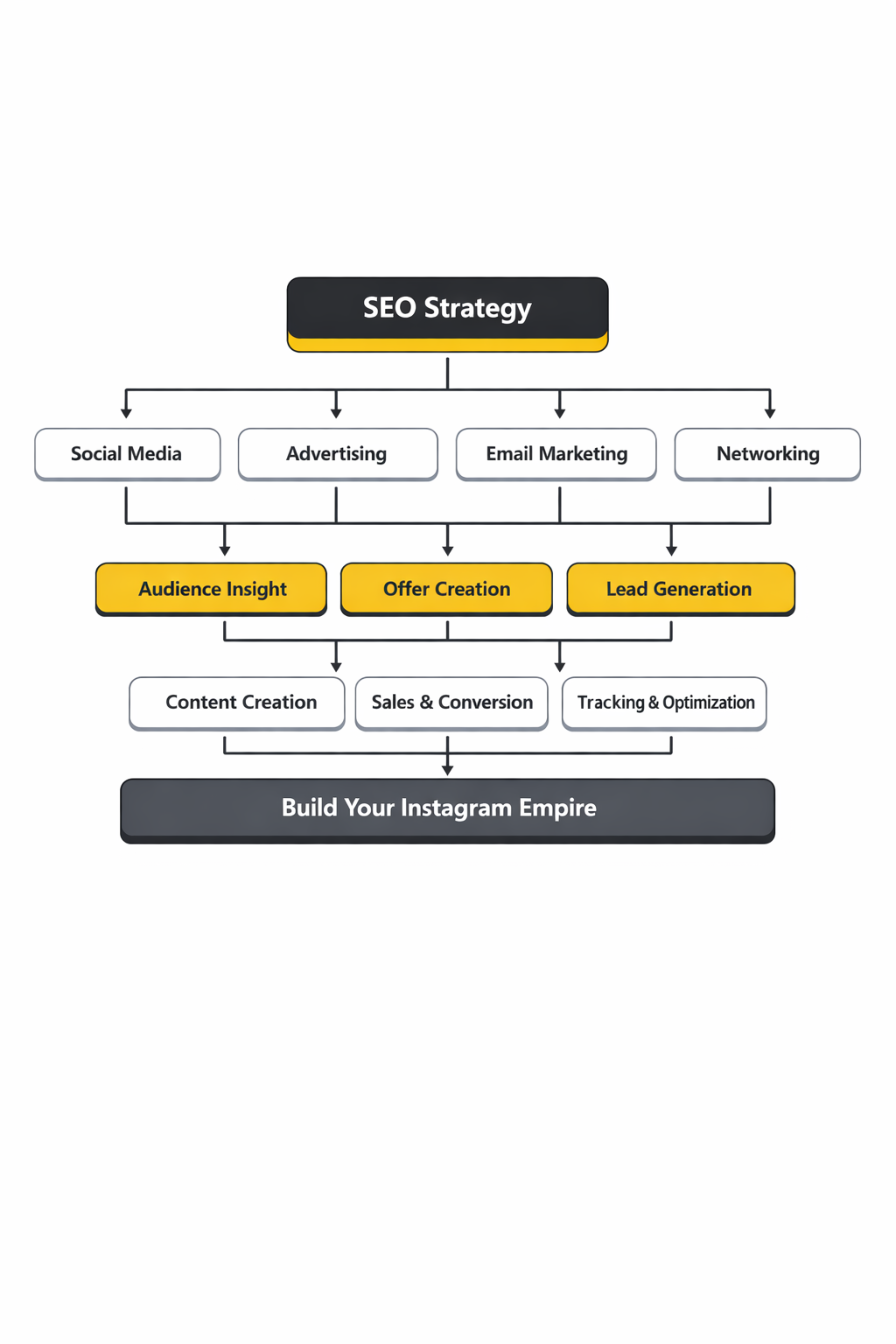
The cleanest way to think about an SEO specialist is through a four-layer framework: discoverability, relevance, experience, and measurement. Discoverability means search engines can crawl, render, and index the right pages. Relevance means the page actually deserves to rank for the searcher’s intent instead of merely repeating a keyword.
Experience is the layer many weak SEO strategies ignore. Google’s documentation around people-first content and page experience signals such as Core Web Vitals makes the point clearly: if a page is confusing, slow, thin, or unhelpful, technical fixes alone will not save it. A capable SEO specialist therefore thinks about the search result, the landing page, and the user journey as one connected system.
The fourth layer is measurement, and this is where professional work separates itself from guesswork. Google Search Console’s Performance report gives specialists clicks, impressions, CTR, and average position, which is enough to uncover whether a page has an indexing issue, a relevance problem, a poor SERP presentation, or a weak conversion path after the click. Once you understand those layers together, SEO stops feeling mysterious and starts feeling manageable.
Core Components of an SEO Specialist Role
The first core component is technical clarity. An SEO specialist needs to understand crawling, indexation, canonicals, internal linking, site architecture, structured data, mobile rendering, and performance basics well enough to work with developers without turning every issue into noise. That does not mean becoming a full-time engineer, but it does mean being able to spot the difference between a cosmetic issue and a revenue-threatening one.
The second core component is editorial and search-intent judgment. The specialist has to map queries to the right page type, decide whether a topic deserves a landing page, guide the content brief, and make sure the final page solves the actual problem behind the search. Google’s documentation on helpful content and its broader Search Central documentation both reinforce the same principle: strong SEO content is built for people first and optimized second.
The third core component is SERP enhancement and analysis. A specialist should know when structured data is worth implementing, when a title or meta description needs rewriting, and when a ranking page is underperforming because its snippet is weak rather than because the topic is wrong. Google highlights examples such as Rotten Tomatoes seeing a 25% higher click-through rate on pages enhanced with structured data, which shows how smart implementation can improve visibility without rewriting an entire website from scratch.
Professional SEO Implementation
Professional implementation begins with prioritization, not with a giant spreadsheet of random ideas. A strong SEO specialist starts by identifying the pages and issues closest to business impact, then builds a roadmap that balances quick wins with foundational work. That usually means resolving crawl and indexation blockers first, strengthening pages already near page one, and improving the content and UX gaps on URLs that are getting impressions but not enough clicks or conversions.
It also means SEO has to be integrated across teams. The specialist works with writers on topical depth, with designers on page structure, with developers on templates and performance, and with stakeholders on what success should actually look like in revenue terms. Google’s Wix case study is a useful reminder that when SEO insights are built directly into workflows through tools such as sitemap submission, URL inspection, and analytics reporting, teams can act faster and make better decisions.
Finally, professional implementation requires a feedback loop. Search Console data, page-level conversion signals, internal search behavior, and content updates should all inform the next round of work, because SEO is never a one-time fix. The specialist who wins long term is the one who can keep simplifying the process, proving what changed, and showing why the business should keep investing in the channel.
Technical Clarity and Site Health
A real SEO specialist needs to know what is preventing a page from being discovered, indexed, or understood before worrying about finer optimizations. That includes knowing how to use Google Search Console to review index coverage, submit sitemaps, inspect URLs, and spot patterns in crawl or rendering problems. If a site has weak internal linking, duplicate URLs, broken canonicals, orphan pages, or JavaScript that keeps important content out of view, no amount of copy polish is going to solve the core issue.
This is where technical clarity becomes practical instead of abstract. Google explains that Search Console helps site owners review index coverage, inspect URLs directly from the Google index, and monitor rich results and Core Web Vitals in one place, which is exactly the kind of workflow an SEO specialist needs when problems show up across templates and not just on one page. In other words, the job is not to sound technical; it is to understand which technical issues are quietly limiting growth and to fix those before they drain months of effort.
Search Intent and Content Judgment
The next core skill is content judgment, and this is where many people who call themselves SEO specialists fall apart. It is not enough to know that a keyword has volume or commercial value. You have to know what the searcher is actually trying to accomplish, what kind of page deserves to rank, how much depth the topic requires, and whether the page gives original value or simply recycles what is already everywhere else.
Google’s own self-assessment questions for content ask whether a page offers original information, substantial coverage, and insight that goes beyond the obvious, which is a powerful standard for any SEO specialist to use when reviewing a page before publishing it. That changes the work dramatically. Instead of asking, “Did we use the keyword enough?” the better question becomes, “If this page ranked tomorrow, would it genuinely satisfy someone enough that they would stop searching?”
SERP Visibility and Rich Results
Another essential component of the role is improving how pages appear before the click ever happens. A search result is a pitch, whether people realize it or not, and an SEO specialist has to understand how titles, descriptions, search intent alignment, and structured data shape that moment. That matters because search success is often won by making the result look clearer, more relevant, and easier to trust, not just by inching a page one place higher.
Google’s documentation on structured data shows why this work deserves serious attention. Rotten Tomatoes measured a 25% higher click-through rate after adding structured data to 100,000 pages, Food Network reported a 35% increase in visits after enabling search features on 80% of its pages, and Nestlé found that pages appearing as rich results delivered an 82% higher click-through rate than non-rich-result pages. Those numbers do not mean every page needs schema for the sake of it, but they do show why a skilled SEO specialist treats search appearance as part of performance, not as decoration.

Building an SEO Roadmap That Actually Works
A useful roadmap is never just a long list of tasks. An SEO specialist has to decide what deserves attention now, what can wait, and what should be ignored altogether because it will not move the business. That usually means starting with indexation blockers, weak templates, important pages already earning impressions, and content gaps that map directly to customer demand.
This is where Search Console becomes one of the most practical tools in the entire role. Google explains that its performance reports let you analyze impressions, clicks, average CTR, and average position, which means an SEO specialist can spot when a page is being seen but not clicked, ranking but not converting, or indexed but not appearing for the right query set. That kind of diagnosis makes prioritization sharper, and sharp prioritization is what keeps SEO from turning into busy work.
Cross-Functional Execution With Content, Design, and Development
SEO becomes far more powerful when it stops living in isolation. A serious SEO specialist has to translate search opportunities into language that writers, editors, designers, and developers can actually use, because no channel grows well when one person is trying to do everything alone. The job is partly analytical, but it is also deeply collaborative.
That collaboration matters because modern search performance depends on more than text. Google’s guidance around Core Web Vitals recommends that site owners aim for strong real-world performance, with LCP within 2.5 seconds, INP under 200 milliseconds, and CLS below 0.1. Those are not copywriting issues, which means an SEO specialist has to know how to work with product and engineering teams if they want rankings to translate into a genuinely better experience.
A Real Story of SEO Implementation Under Pressure
The pressure hits hardest when a company can already see the upside but cannot yet unlock it. That is what makes SEO implementation feel dramatic in real life: the audience is there, the search demand exists, and the site still leaves growth on the table because the experience is not fully aligned with how search works. For an SEO specialist, those moments are where the job becomes real.
Google’s own search case study archive exists for a reason, because the patterns keep repeating across industries. One of the clearest examples comes from the search appearance work highlighted in Google’s documentation on structured data and rich results. The story is not exciting because of markup itself; it is exciting because companies reached a point where they needed search visibility to work harder than it had before, and better implementation changed what happened next.
Take Rakuten’s result, which Google cites directly in its structured data documentation. After implementing structured data, Rakuten found that users spent 1.5 times more time on pages with structured data, and AMP pages with search features produced a 3.6 times higher interaction rate than non-feature AMP pages. That is the kind of outcome an SEO specialist is trying to create: not just more visibility in theory, but a stronger search experience that attracts the click and then keeps people engaged once they arrive.
Measurement Discipline During Implementation
Professional implementation only becomes credible when the measurement is disciplined enough to explain what changed. A strong SEO specialist does not celebrate a ranking increase in isolation or panic over a weekly dip without context. They look at how impressions, clicks, CTR, and position move together, then connect that to page changes, site fixes, seasonality, and the broader search landscape.
Google’s help documentation for the Performance report explains that the chart surfaces total clicks, total impressions, average CTR, and average position, while the table can group data by page, query, country, and other dimensions. That is powerful because it lets an SEO specialist move from vague opinions to page-level evidence. Once that habit becomes part of the workflow, SEO decisions get cleaner, communication gets easier, and the company starts treating search as a serious growth channel instead of a guessing game.
SEO Tools, Analytics, and Career Growth
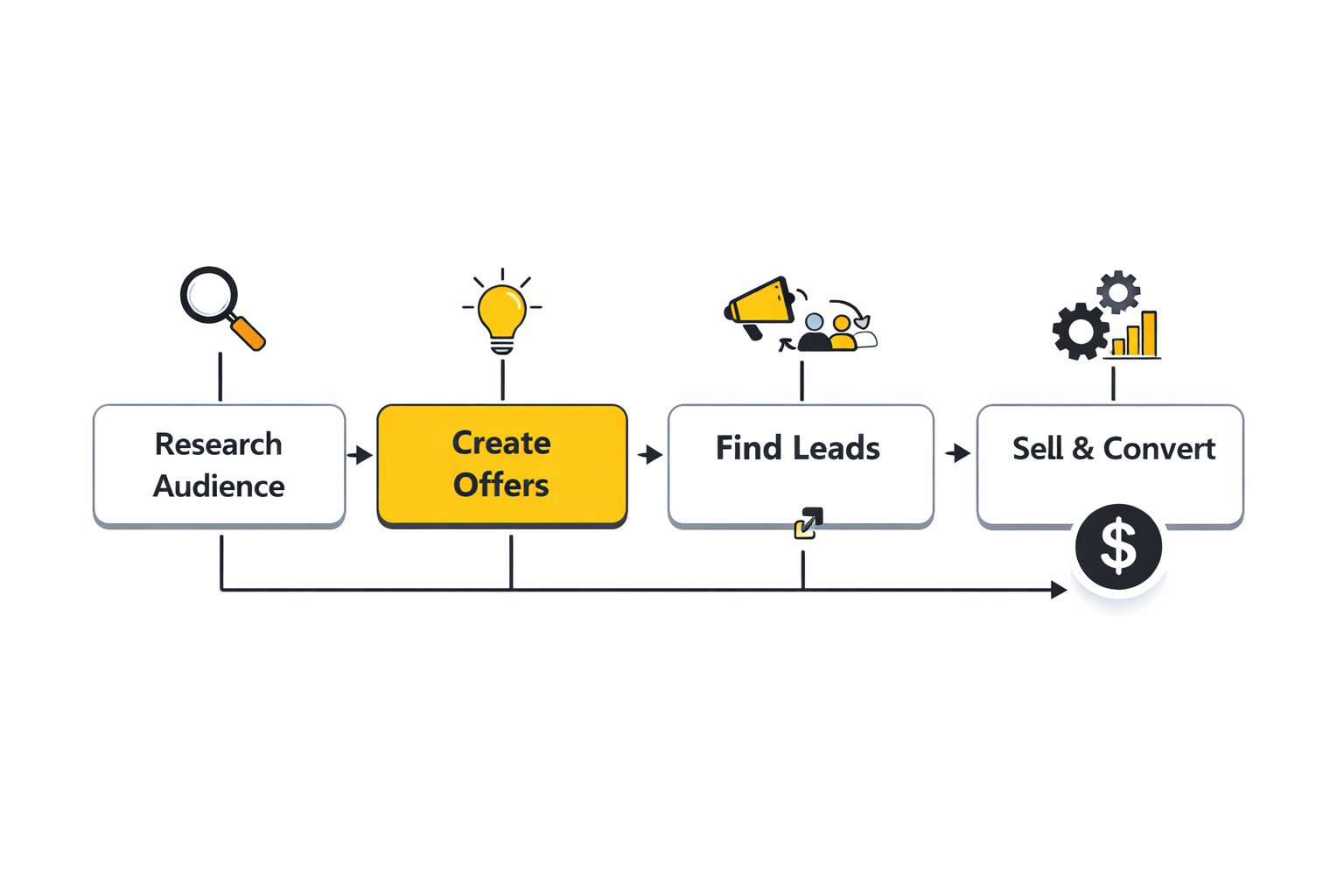
If you want to understand what separates an average SEO specialist from one who becomes extremely valuable, look at how they use tools and data. The strongest people in this field are not obsessed with dashboards for the sake of it. They use the right tools to uncover what is actually happening, why it is happening, and what needs to change next.
That matters because SEO has become more layered. You are no longer just reviewing rankings in isolation and hoping that traffic goes up. A serious SEO specialist needs a workflow that connects search visibility, page experience, user behavior, and business outcomes so the work does not drift into guesswork.
Essential Tools Every SEO Specialist Should Know
The first tool every SEO specialist should master is Google Search Console. It is one of the clearest sources for understanding how a site performs in Google Search because it shows impressions, clicks, position, index coverage, sitemap status, and URL inspection data in one place. When a page is struggling, this is often where the first useful clue appears.
That foundation gets stronger when you combine it with the Search Console API. Google explains that the API provides programmatic access to the most popular Search Console reports and actions, which allows an SEO specialist to move beyond manual checks and build repeatable reporting workflows. The companion documentation for Search Analytics queries also shows that data can be grouped by page, query, country, and device, which is exactly how you uncover whether a problem is tied to intent, geography, mobile usability, or something else entirely.
For performance work, the core stack usually includes PageSpeed Insights, Lighthouse, and Google’s own Core Web Vitals guidance. PageSpeed Insights is useful because it combines lab diagnostics with field data, while Lighthouse helps you audit performance, accessibility, SEO, and best practices from a single report. That combination gives an SEO specialist a much clearer view of whether a page only looks fine in theory or actually works well for real users.
How Analytics Makes SEO Work Smarter
Analytics is where SEO stops being a publishing exercise and starts becoming a growth discipline. Search Console helps an SEO specialist understand how a page performs before the click, but that is only part of the story. Once visitors land on the site, you need a second layer that shows whether the traffic is engaged, whether it is moving deeper into the site, and whether it contributes to the actions the business actually cares about.
That is why many specialists pair Search Console with Google Analytics 4’s traffic acquisition report. Google describes that report as a way to understand where website and app visitors are coming from, which makes it useful for seeing how organic search fits into the larger acquisition picture instead of treating it as a silo. In practice, that means a good SEO specialist can compare search visibility with actual sessions, engagement, and conversion behavior rather than celebrating traffic that goes nowhere.
This is also where judgment matters. If impressions are rising but clicks are flat, the issue may be weak SERP presentation or mismatched intent. If clicks are improving but business results are stagnant, the problem may sit on the landing page, in the offer, or in the way the journey continues after the visit. A real SEO specialist does not stop at the first positive signal; they follow the trail until they can explain whether the traffic is genuinely useful.
What Great SEO Reporting Actually Looks Like
Great reporting is simple enough to be understood quickly and deep enough to guide the next decision. That sounds obvious, but a lot of SEO reports still bury the most important signal under screenshots, vanity metrics, and unrelated charts. An effective SEO specialist learns to report in a way that helps the business see momentum, bottlenecks, and priorities without turning every update into a lecture.
Google’s Performance report documentation explains that Search Console surfaces total clicks, total impressions, average CTR, and average position, and those four metrics are far more powerful than they look at first glance. When you compare them together, they can reveal whether a page is gaining visibility but failing to earn the click, winning the click but not enough impressions, or slipping in relevance after a content change. That is why good reporting does not just list numbers; it explains what changed, why it likely changed, and what should happen next.
The best reports also stay tied to specific segments. An SEO specialist should be able to separate branded and non-branded performance, mobile and desktop patterns, key pages versus background pages, and high-intent queries versus informational ones. Once reporting reaches that level of clarity, it becomes much easier to decide whether the next move should be technical cleanup, new content development, snippet improvement, or conversion work.
Why Page Experience Still Belongs in the SEO Conversation
Some people talk about page experience as if it sits outside the job of an SEO specialist, but that view is far too narrow. Search performance and user experience constantly affect each other. A page can earn visibility and still disappoint the visitor if it is unstable, slow, or frustrating to use, and when that happens the SEO work is only half finished.
Google’s current documentation on Core Web Vitals still points site owners toward three practical thresholds: Largest Contentful Paint within 2.5 seconds, Interaction to Next Paint under 200 milliseconds, and Cumulative Layout Shift below 0.1. Those numbers matter because they help an SEO specialist speak more clearly with designers and developers. Instead of saying that a page feels slow or unstable, they can point to concrete measures and help the team improve the experience in a way users will actually feel.
This is also why the tool stack needs context. Lighthouse can surface opportunities, PageSpeed Insights can show both lab and field data, and the Core Web Vitals report in Search Console can group URLs by poor, needs improvement, and good status using real-user data. When those tools are used together, an SEO specialist can move from vague concern to a clear action plan much faster.
Career Growth for an SEO Specialist in 2026
This is one of the most encouraging things about the role right now: the market is not just looking for people who know SEO vocabulary. It is looking for people who can combine technical understanding, content strategy, analytics, and communication. That makes the role more demanding, but it also makes a strong SEO specialist much harder to replace.
The 2025 Previsible State of SEO Jobs Report, which analyzed more than 10,000 SEO job postings, found that the most commonly listed skills were technical SEO, content marketing, and data analytics, and coverage in MarketingProfs noted that the average annual salary across the open positions studied was $67,000, with VP of SEO roles averaging $191,850. Those figures matter less as a promise and more as a signal. They show that the market rewards specialists who can turn SEO into something measurable, collaborative, and commercially useful.
So if you are building a career here, the path is clearer than many people think. Learn the official tools deeply. Get comfortable explaining data in plain English. Develop enough technical understanding to work confidently with product and engineering teams, and enough editorial judgment to know what deserves to rank. That combination is exactly what gives an SEO specialist real leverage.
Statistics and Data
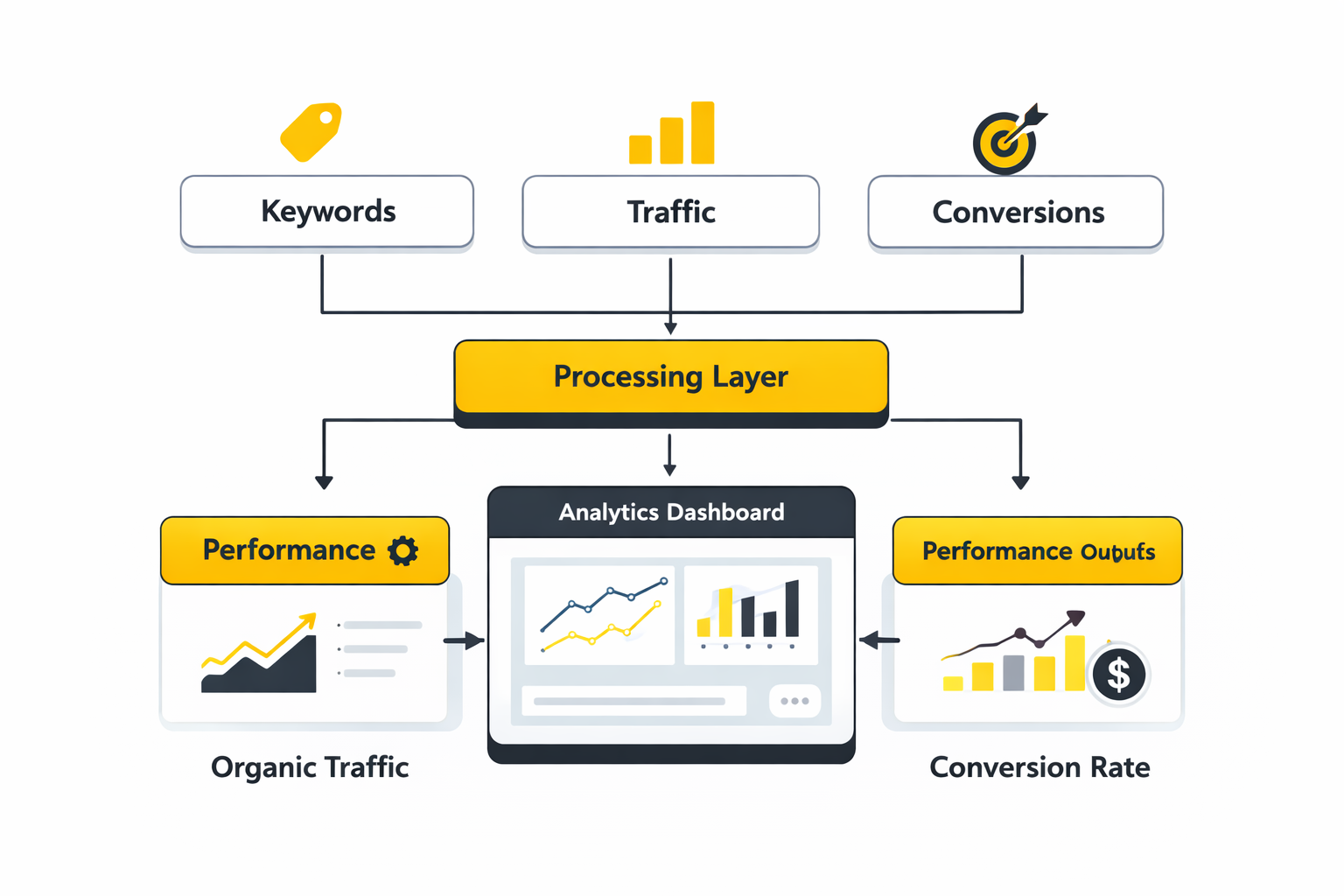
When you are trying to judge whether an SEO specialist is doing meaningful work, data gives you a much cleaner answer than opinions do. Rankings can move for many reasons, traffic can rise for the wrong pages, and dashboards can make weak performance look more impressive than it is. That is why the smartest way to evaluate SEO is to look at a small set of signals that explain visibility, engagement, and business potential together.
The bigger picture still strongly favors search as a core channel. Statcounter’s worldwide search market share data for February 2026 shows Google at 89.98%, with Bing at 5.01%, which tells you why most SEO specialists still build their primary workflows around Google visibility first. At the same time, BrightEdge’s 2025 referral analysis found that AI search traffic was growing quickly but still accounted for less than 1% of referral traffic, while organic search remained the primary driver and delivered most conversions, so the practical job of an SEO specialist is still rooted in traditional search performance.
What the Most Important SEO Metrics Really Mean
A real SEO specialist does not stare at one metric and call it strategy. The most useful measurement starts with the four core signals inside Google Search Console’s Performance report: clicks, impressions, average CTR, and average position. Google explains that these are the totals shown in the report and that the table can also group performance by page, query, and country, which is exactly why these numbers are so powerful when you want to understand whether a page is visible, attractive in the results, and aligned with the right searches.
Each of those numbers answers a different question. Impressions tell an SEO specialist whether Google is even surfacing the page often enough to matter. Clicks tell them whether visibility is turning into real visits. CTR shows whether the search result is compelling enough to win the click, and position helps them understand how much of the problem is discoverability versus presentation. That combination is far more revealing than looking at rankings alone.
The same logic applies after the visit. Google Analytics 4’s Traffic acquisition report is designed to show where website and app visitors are coming from, including new and returning users, which means an SEO specialist can compare organic search against the rest of the channel mix instead of treating SEO like a sealed box. Once that view is in place, it becomes much easier to see whether search traffic is simply arriving or actually contributing to the growth the business cares about.
The Performance Data That Shapes Real SEO Decisions
Some of the most important data an SEO specialist works with never appears in a keyword tool. It appears in site performance and user experience diagnostics, because poor loading, weak responsiveness, and unstable layouts can quietly reduce the value of all the content and search visibility a company has earned. That is why technical performance remains part of modern SEO, even when people try to separate it from content and strategy.
Google’s current Core Web Vitals guidance recommends aiming for Largest Contentful Paint within 2.5 seconds, Interaction to Next Paint under 200 milliseconds, and Cumulative Layout Shift below 0.1. Those thresholds matter because they turn vague complaints like “the page feels slow” into a practical diagnostic framework. For an SEO specialist, that is incredibly useful, because it creates a shared language with developers and designers instead of forcing every performance conversation to stay subjective.
Search Console also ties this back to site management in a very practical way. On its product page, Google highlights that teams can submit sitemaps and individual URLs for crawling, review index coverage, and use the URL Inspection tool for crawl, index, and serving details directly from the Google index. That matters because an SEO specialist is often not trying to invent a new tactic; they are trying to locate the exact point where visibility is being blocked and fix it before it costs the site more time and revenue.
The Data Behind Rich Results and Better SERP Performance
Another place where the data becomes very persuasive is search appearance. A lot of SEO advice makes snippet optimization and structured data sound optional or cosmetic, but Google’s own case studies tell a more serious story. When pages become more understandable to search engines and more compelling to users, the impact can be large enough to change the economics of an entire content program.
Google’s documentation on structured data points to several real examples. Rotten Tomatoes measured a 25% higher click-through rate on pages enhanced with structured data, Food Network saw a 35% increase in visits after enabling search features on most of its pages, Rakuten found users spent 1.5 times more time on pages with structured data and saw a 3.6 times higher interaction rate on AMP pages with search features, and Nestlé measured an 82% higher click-through rate for pages appearing as rich results. For an SEO specialist, those numbers are not a promise that schema fixes everything. They are proof that better search presentation can materially improve how users respond before and after the click.
What the SEO Job Market Data Says About the Role
The career data around this role also says a lot about where the profession is headed. If companies only needed basic publishing help, the hiring data would reflect that. Instead, the market keeps rewarding specialists who can combine technical understanding, content thinking, analytics, and cross-functional execution.
The 2025 Previsible State of SEO Jobs Report, built from more than 10,000 SEO job postings, found that 65% of SEO jobs were in-house, 59% were mid-level roles, and AI-related skills had increased by 21% in job descriptions over the previous year. The same report highlighted average salaries of $97,500 for technical SEO specialists, $141,178 for directors of SEO, and $191,850 for VPs of SEO. That makes the message pretty clear: the more an SEO specialist can connect search performance to systems, data, and business impact, the more valuable the role becomes.
So when you step back and look at the numbers, the story is surprisingly consistent. Search still dominates discovery, organic search still drives meaningful traffic and conversions, structured data can improve how users interact with search results, and the market keeps rewarding SEO specialists who can interpret data instead of hiding behind it. That is exactly why statistics and data should not sit at the edge of the role. They are part of the job’s foundation.
The Future of the SEO Specialist
The future of an SEO specialist is not about becoming less important. It is about becoming more complete. Search is getting more layered, more AI-assisted, and more demanding, which means the people who can connect technical clarity, content quality, user experience, and measurement are going to matter even more.
You can already see that shift in Google’s own guidance. Its page on AI features and your website tells site owners to keep following the same core SEO best practices that already support success in Search, while the official helpful content guidance keeps pushing the same message: create content for people first, make it genuinely useful, and do not build pages that exist only to manipulate visibility. That is a huge clue about where the role is going, because it means the future belongs to the SEO specialist who can produce clarity, not clutter.
Why the Role Is Expanding Instead of Shrinking
A lot of people looked at AI and assumed the SEO specialist would become less necessary. The opposite is closer to the truth. As search results become more dynamic, more summarized, and more competitive, businesses need someone who understands how to earn trust, how to structure information, and how to make a site easy for both search systems and human visitors to understand.
Google’s documentation on AI features says these experiences are rooted in Search’s core quality and ranking systems, which means strong fundamentals still matter. The official product page for AI Overviews also notes that the feature is available in over 120 countries and territories and 11 languages, while Google’s May 2025 update said AI Overviews had expanded to more than 200 countries and territories and more than 40 languages. For an SEO specialist, that does not signal the end of the job. It signals a larger search surface that needs better strategic thinking.
What an SEO Specialist Will Need to Master Next
The next version of this role will reward specialists who can think across systems instead of staying trapped in one tactic. Keyword research still matters, but it is no longer enough by itself. A strong SEO specialist needs to understand entity relationships, internal linking logic, structured data, search intent mapping, content quality control, technical performance, and post-click experience in one connected workflow.
That is exactly why the official Google Search Console product page remains so important. It gives site owners the ability to analyze impressions, clicks, and position, submit sitemaps and URLs for crawling, review index coverage, and inspect crawl, index, and serving details directly from the Google index. When the role gets more complex, the answer is not to guess harder. It is to get more disciplined about how visibility is diagnosed, improved, and measured.
The market is reflecting that shift as well. The 2025 State of SEO Jobs Report found that AI-related skills had risen by 21% in SEO job descriptions over the previous year, which is a strong signal that the profession is not being replaced by AI. It is being redefined around people who know how to use new tools without losing the fundamentals that make search performance durable.
The Real Risk for SEO Specialists
The real risk is not that search is changing. Search has always changed. The real risk is staying too narrow while the environment gets broader, because the SEO specialist who only knows how to tweak metadata or publish surface-level articles is going to look less useful every year.
This is where a lot of careers will split. One group will keep chasing isolated tricks and will struggle every time Google changes how results are displayed. The other group will build stronger content systems, better reporting habits, cleaner site architecture, and closer collaboration with product, engineering, and editorial teams. That second group is the one that will keep winning because they are solving business problems, not just SEO problems.
How an SEO Specialist Stays Valuable Over Time
If you want to stay valuable in this field, the answer is not complicated, but it does require work. Learn the official tools deeply. Get comfortable reading performance data without panicking over every fluctuation. Build enough technical understanding to work well with developers, and enough editorial judgment to know when a page is genuinely useful and when it is just filling space.
It also helps to think like an operator instead of a commentator. Google’s own AI features guidance tells site owners that there are no special tricks required beyond solid technical requirements and strong SEO best practices, which is another way of saying that the fundamentals still carry enormous weight. The SEO specialist who keeps improving those fundamentals while adapting to new search interfaces is the one who becomes harder and harder to replace.
Where the Opportunity Really Is
This is the part people often miss. The opportunity for an SEO specialist is not limited to ranking pages in a traditional blue-link environment. It sits in helping a business become easier to discover, easier to trust, and easier to understand across a search ecosystem that now includes classic results, rich results, AI-generated summaries, and deeper content evaluation.
That is why this role still has so much upside. Search is still one of the clearest expressions of intent on the internet, and businesses still need skilled people who can turn that intent into attention, traffic, and revenue. So yes, the job is changing. But for a disciplined SEO specialist who is willing to evolve, that change looks a lot more like opportunity than threat.
FAQ for a Complete Guide to the SEO Specialist Role

By this point, you have seen that an SEO specialist is not just someone who adjusts a few tags and hopes for the best. The role now touches technical health, content quality, search visibility, analytics, and business growth all at once. So to wrap this guide up properly, here are the questions people usually ask when they want to understand what an SEO specialist actually does and whether it is the right path for them.
What does an SEO specialist actually do?
An SEO specialist helps a website become easier to discover, easier to understand, and more competitive in search results. In practice, that means working on things like search performance, index coverage, URL inspection, content quality, and technical issues using tools such as Google Search Console. The role matters because search visibility is rarely the result of one isolated fix; it usually comes from improving the whole system around the page.
Is SEO still a good career in 2026?
Yes, and the market data still points in that direction. The 2025 State of SEO Jobs Report reviewed more than 10,000 job postings, which is strong evidence that employers are still hiring across the field. What has changed is the shape of the role, because the most valuable SEO specialist today is expected to blend technical understanding, content judgment, analytics, and communication.
Will AI replace SEO specialists?
AI is changing the work, but it is not removing the need for people who understand search deeply. Google’s official guide on AI features and your website says site owners should keep following strong SEO best practices and technical requirements if they want to perform well in these experiences. That means the future belongs less to people who chase shortcuts and more to the SEO specialist who can structure information clearly and make a website genuinely useful.
What skills matter most for an SEO specialist?
The most important skills are technical clarity, content judgment, analytics, and the ability to work across teams. The hiring trends covered by MarketingProfs and drawn from the Previsible and SEOJobs.com report show that employers consistently look for technical SEO, content marketing, and data analytics together rather than in isolation. That is a strong signal that businesses want problem-solvers, not just people who know SEO vocabulary.
Which tools should a beginner learn first?
The best place to start is with Google’s own tools because they show you how search performance looks from the source. Search Console, the Performance report, and Google’s explanation of clicks, impressions, and position give a beginner a much better foundation than jumping straight into advanced software. Once you understand that layer, tools for crawling, content analysis, and competitive research become much easier to use intelligently.
How long does SEO take to show results?
SEO rarely moves on a fixed timeline because results depend on competition, site health, content quality, and how much authority the website already has. What an SEO specialist can do early on is identify whether the site has indexation problems, weak internal linking, poor SERP presentation, or content gaps that are holding it back. That is why the early phase of good SEO work is often diagnostic before it becomes obviously visible in traffic and leads.
Is publishing content alone enough to win at SEO?
No, because content can be strong on paper and still underperform if the site is hard to crawl, slow to use, or poorly structured. Google’s guidance on helpful, reliable, people-first content works best when paired with technical basics like index coverage, crawlability, and a solid page experience. A serious SEO specialist therefore does not look at content as a standalone asset; they look at how the page fits into the broader site and search ecosystem.
Why do Core Web Vitals matter to an SEO specialist?
They matter because page experience affects how usable a page feels once visitors arrive. Google’s official guidance on Core Web Vitals recommends targets such as Largest Contentful Paint within 2.5 seconds, Interaction to Next Paint under 200 milliseconds, and Cumulative Layout Shift below 0.1. Those benchmarks help an SEO specialist move performance conversations out of guesswork and into something teams can actually improve.
Does structured data really make a difference?
It can, especially when it improves how pages appear in search and how clearly search engines understand the content. Google’s documentation on structured data highlights multiple real outcomes, including a 25% higher click-through rate for Rotten Tomatoes and an 82% higher click-through rate for Nestlé pages appearing as rich results. That does not mean schema is magic, but it does show why a thoughtful SEO specialist pays attention to search appearance and not just rankings.
How should an SEO specialist measure success?
Success should be measured with a mix of visibility and business signals rather than one vanity metric. Search Console gives the core view through clicks, impressions, average CTR, and average position, while Google Analytics 4 traffic acquisition reporting helps show how organic search fits into the broader channel mix. The right answer is usually not “we ranked higher,” but “we became more visible for the right searches and those visits produced more useful outcomes.”
Can freelancers become strong SEO specialists without working in-house first?
Yes, but they need real operating experience, not just theory. Freelancers who become strong SEO specialists usually learn by auditing real sites, measuring real outcomes, and getting comfortable with messy situations where technical, content, and reporting issues overlap. In many ways, that kind of hands-on pressure can build better judgment faster than passive learning ever will.
What is the biggest mistake new SEO specialists make?
The biggest mistake is focusing on isolated tactics without understanding how the full system works. A new SEO specialist may obsess over keywords or title tags while missing a broken internal linking structure, poor search snippets, weak content depth, or indexing issues that matter more. That is why the best progress usually comes from learning how to diagnose priority, not just how to perform tasks.
Should an SEO specialist still focus mostly on Google?
Yes, for most businesses that remains the practical priority. Statcounter’s worldwide market share data for February 2026 shows Google at 89.98%, which is still far ahead of other search engines. An SEO specialist can absolutely pay attention to broader search behavior, but Google remains the center of gravity for most search strategies.
Do AI Overviews change how an SEO specialist should think?
They do, but mostly by increasing the importance of clarity, topical usefulness, and trust. Google has said in its May 2025 product update that AI Overviews expanded to more than 200 countries and territories and more than 40 languages, which shows how large the search surface has become. For an SEO specialist, that reinforces the same lesson over and over again: pages need to be genuinely useful, technically accessible, and easy for search systems to interpret.
Work With Professionals
If this guide made one thing clear, it is that SEO has become too important and too layered to treat casually. A strong SEO specialist can help a business uncover technical problems, improve content quality, strengthen how pages show up in search, and build reporting that makes performance easier to trust. That kind of work compounds over time, which is why bringing in the right professional can save a company from months of wasted effort.
It also works the other way around. If you are the SEO specialist, the opportunity is bigger when you put yourself in front of companies that already understand the value of what you do. The field is competitive, but serious businesses are still looking for people who can deliver clarity, not just talk about tactics.
Explore 10K+ Remote Marketing Contracts on MarkeWork.com
Most marketers spend too much time chasing clients, competing on crowded platforms, and losing a percentage of every project to middlemen.
MarkeWork gives you a better way. Browse thousands of remote marketing contracts and connect directly with companies desperate to hire skilled marketers like you without platform commissions and without unnecessary gatekeepers.
If you’re serious about finding better opportunities and keeping 100% of what you earn, you can explore available contracts and create your profile for free at MarkeWork.com.
 Filip Konecny Enterprises