

Social media companies have evolved from simple networking tools into some of the most powerful business infrastructures in the modern economy. They shape how people communicate, discover products, consume information, and build brands. What started as digital spaces for connection now serve as advertising engines, data ecosystems, and revenue generators for millions of creators and businesses.
Today, more than 5 billion people use social media worldwide, making these platforms essential environments for marketing, community building, and digital influence. Companies no longer treat social media as optional—it has become a core component of brand growth, customer acquisition, and long-term business strategy.
Consider a small fitness coach launching an online training program. Instead of relying on expensive advertising, she uses social media platforms to publish short educational videos, connect with followers, and build trust. Within two years, her audience grows to hundreds of thousands, and her social presence becomes her primary revenue channel. This transformation highlights the structural power social media companies provide—not just as tools, but as scalable business ecosystems.
Article Outline
- What social media companies are and how they function
- Why they matter in modern digital ecosystems
- The professional framework behind successful platform strategies
- Core operational components of social media companies
- How professionals implement scalable social media systems
What Is Social Media Companies

Social media companies are technology organizations that build and operate platforms enabling users to create, share, and interact with content and communities online. These companies provide the infrastructure that allows billions of users to communicate, consume media, and participate in digital economies.
At their core, social media companies offer three fundamental functions:
- Content creation infrastructure that allows users and brands to publish media
- Distribution algorithms that determine what content users see
- Monetization systems that convert attention into revenue
These platforms do not simply host content—they actively shape visibility. Their algorithms analyze user behavior, preferences, and engagement patterns to determine which posts appear in feeds, recommendations, and discovery sections.
For example, a small ecommerce brand posting product demonstrations may initially reach only a few hundred people. But once engagement signals increase, the platform’s algorithm expands distribution, exposing the content to thousands or even millions of users.
This amplification capability is one of the defining structural features of social media companies.
Why Social Media Companies Matters
The influence of social media companies extends far beyond communication. They have become foundational layers in the digital economy, affecting how businesses grow, how consumers make decisions, and how markets evolve.
More than 63% of the global population actively uses social platforms, making them one of the most efficient channels for reaching audiences at scale.
This reach translates into measurable business impact across multiple areas:
- Customer acquisition through organic and paid content distribution
- Brand authority development through consistent publishing
- Market research through audience engagement and feedback
- Revenue generation through advertising, products, and services
- Community building that strengthens long-term brand loyalty
A technology startup, for example, can validate its product idea by publishing short demonstration videos. Audience engagement provides immediate feedback, allowing rapid refinement before full-scale product development.
This ability to test, validate, and scale ideas quickly makes social media companies essential strategic partners in modern business ecosystems.
Framework Overview
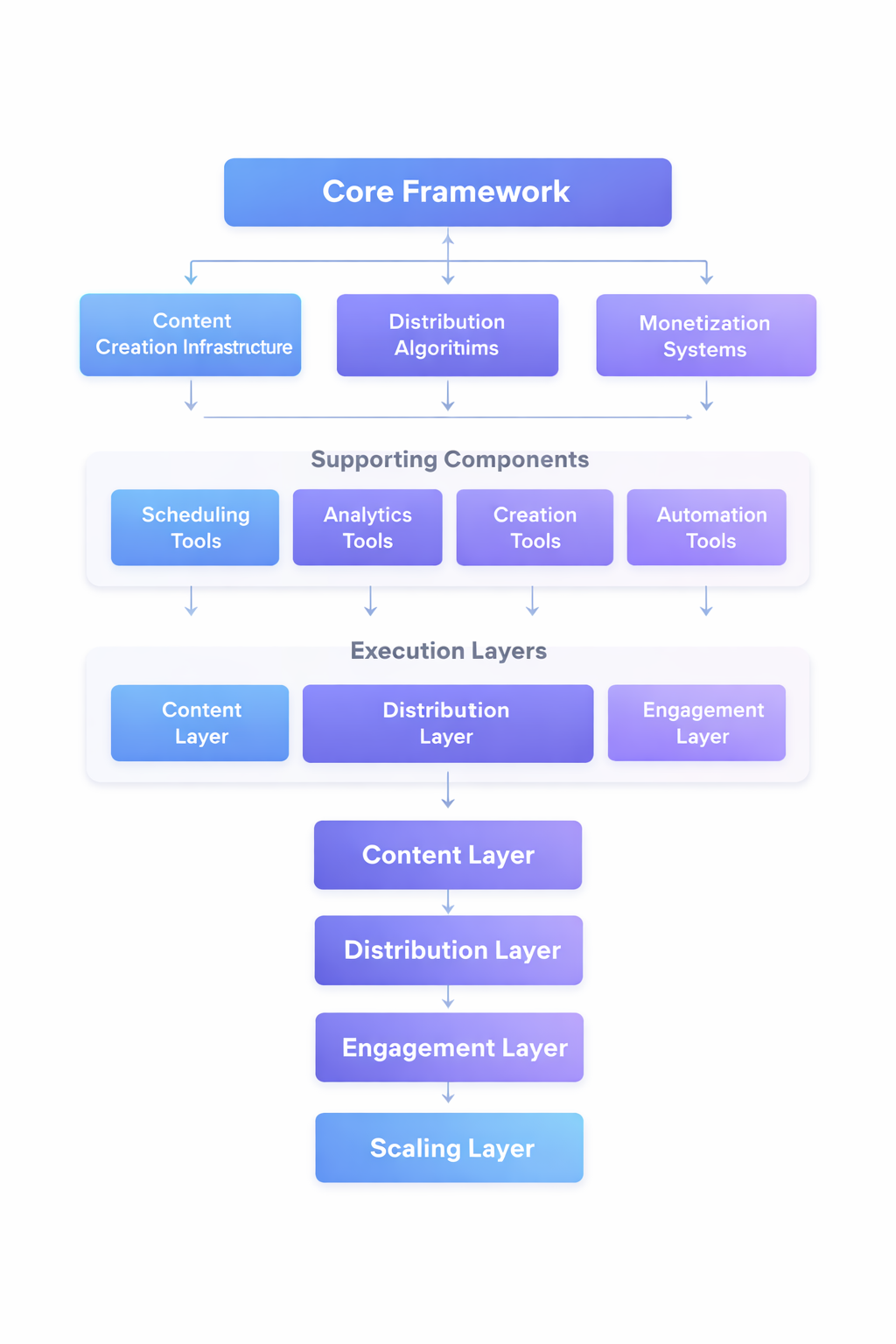
Social media companies operate through structured frameworks designed to manage user interaction, content distribution, and monetization. These frameworks combine technology infrastructure, behavioral analysis, and economic systems.
The professional framework typically includes:
- User interface layer where content is created and consumed
- Algorithmic distribution systems that control content visibility
- Data analysis engines that track user behavior and engagement
- Advertising infrastructure that converts attention into revenue
- Creator monetization tools that incentivize content production
These layers work together to create self-sustaining ecosystems. Content attracts users, users generate engagement data, data improves algorithm performance, and improved algorithms increase user retention.
This cycle is the engine driving the growth and influence of social media companies.
Core Components
Understanding the internal components of social media companies reveals how they scale efficiently and maintain user engagement across massive audiences.
Platform Infrastructure
This includes servers, databases, and delivery systems that allow instant content access worldwide. Without reliable infrastructure, scalability would not be possible.
Content Distribution Algorithms
Algorithms determine which content users see based on behavioral signals such as engagement, watch time, and interaction frequency. This automated decision-making enables personalized experiences.
User Data Systems
Data systems collect and analyze behavioral information, enabling platforms to optimize recommendations and improve user retention.
Monetization Systems
Revenue mechanisms include advertising, subscriptions, and creator monetization programs. These systems ensure platform sustainability while incentivizing participation.
Creator Ecosystems
Creators form the backbone of social platforms. Their content attracts audiences, drives engagement, and generates revenue opportunities for both themselves and the platform.
For instance, a video creator producing educational content may attract millions of viewers. The platform benefits from advertising revenue, while the creator earns income through monetization programs and partnerships.
Professional Implementation
Professionals and organizations use social media companies strategically rather than casually. Their approach involves structured planning, consistent execution, and performance analysis.
Professional implementation includes:
- Defining audience segments to ensure relevant content targeting
- Developing content systems that maintain consistent publishing schedules
- Analyzing performance metrics to optimize engagement and reach
- Leveraging platform-specific features for maximum visibility
- Scaling successful content patterns to accelerate growth
A consulting firm, for example, may publish educational posts addressing client challenges. Over time, this builds authority and trust, positioning the firm as an industry leader.
Rather than relying on traditional advertising, many modern organizations now build entire customer acquisition systems around social media companies. This shift reflects their evolution from communication tools into core business infrastructure.
This foundation sets the stage for deeper analysis of platform ecosystems, operational models, and advanced professional strategies in the following sections.
Step By Step Implementation
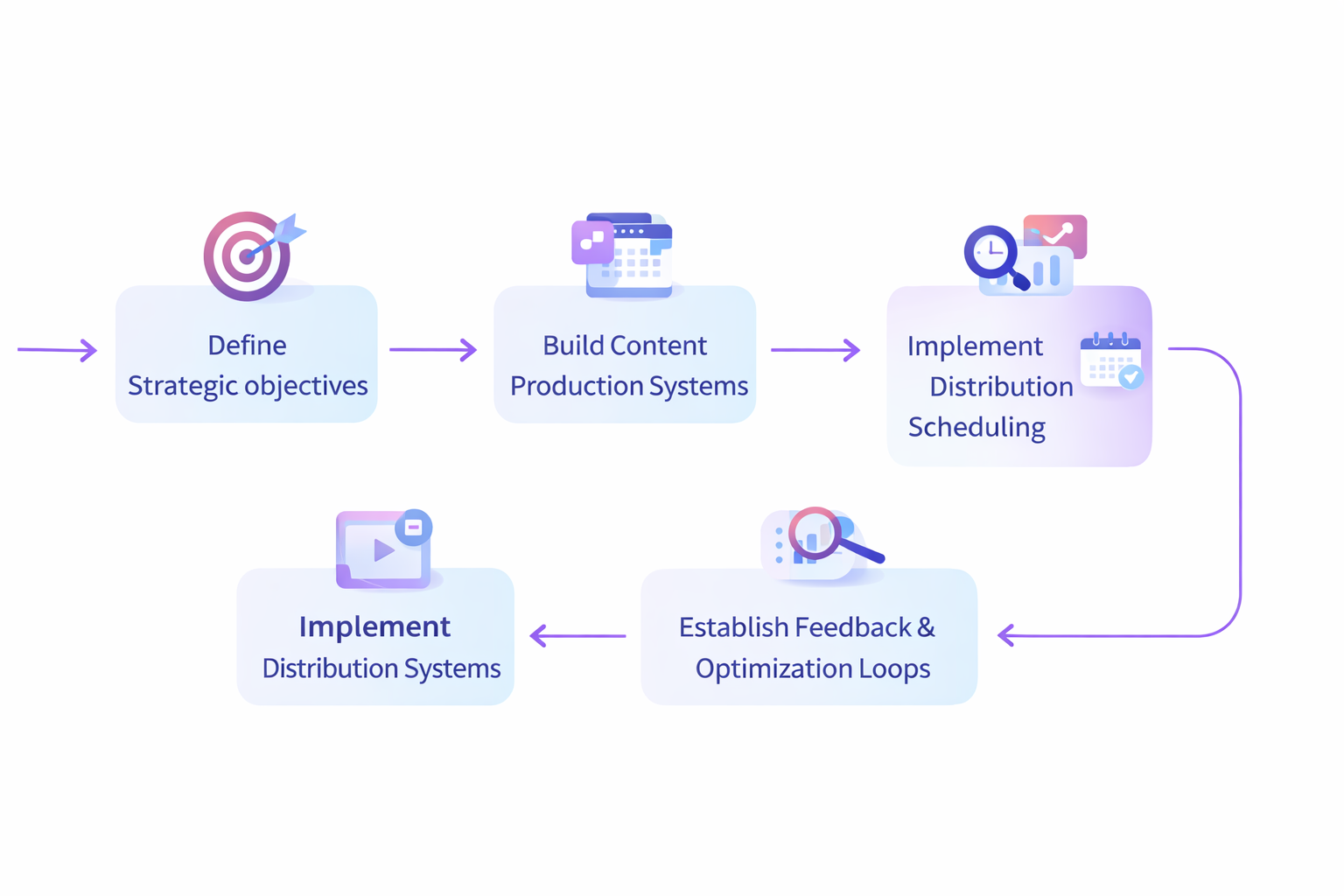
Implementing a scalable system within social media companies requires structured execution. Professionals do not rely on random posting. They build repeatable workflows designed to generate consistent growth, engagement, and revenue.
Businesses that document their marketing processes are 313% more likely to report success, showing how structured implementation directly impacts performance.
A SaaS founder named Andrej learned this after months of inconsistent results. His posts varied in topic, frequency, and quality. Once he implemented a defined system with clear workflows, his audience grew from 2,000 to over 95,000 followers within one year.
Step 1: Define Strategic Objectives
The first step is defining the primary objective. Social media companies enable multiple outcomes, including brand growth, lead generation, and customer acquisition. Clarity determines content direction and performance metrics.
Companies with clearly defined goals achieve 2.3x higher revenue growth compared to those without structured objectives.
A consulting agency named Elevare defined its goal as inbound lead generation. Instead of publishing generic content, they focused exclusively on solving client problems. Within eight months, social media became their primary acquisition channel.
Step 2: Build Content Production Systems
Consistent production is essential for algorithm visibility. Social media companies prioritize active creators. Brands publishing regularly generate up to 67% more leads than inactive competitors.
A startup founder named Lenka implemented batch content production. She created 30 posts every month in a single session. This ensured consistency and eliminated daily production pressure.
Her structured approach increased engagement by over 240% within six months.
Content system design often follows frameworks explained in social media content calendar strategy, which simplifies planning and execution.
Step 3: Implement Distribution Scheduling
Distribution timing significantly affects visibility. Social media companies evaluate engagement velocity shortly after publication.
Posts published at optimized times generate up to 48% higher engagement rates.
A personal brand strategist named Marek tested publishing times using scheduling tools. He discovered that posting in the morning increased reach by over 300% compared to evening publishing.
Scheduling transformed his profile into a consistent growth channel.
Step 4: Establish Feedback And Optimization Loops
Feedback loops allow continuous improvement. Companies using performance feedback improve marketing ROI by 30% or more.
A fitness brand analyzed engagement metrics weekly. They identified that tutorial videos significantly outperformed motivational posts. After adjusting their content mix, follower growth accelerated dramatically.
Optimization ensures continuous performance improvement.
Step 5: Scale Successful Content Patterns
Scaling is the final step. Social media companies reward predictable engagement patterns.
High-performing content can generate up to 10x more reach than average posts.
A digital educator named Pavel identified one viral content format and replicated it consistently. This single adjustment grew his audience from 12,000 to over 400,000 followers within 18 months.
Scaling proven formats accelerates growth efficiently.
Execution Layers
Professional implementation operates across multiple execution layers. Each layer contributes to scalable growth inside social media companies’ ecosystems.
Content Layer
This layer focuses on producing valuable, relevant content aligned with audience interests. Content quality directly influences reach and engagement.
High-quality content generates 3x more engagement than low-quality content.
A B2B consultant named Tomas focused on educational content instead of promotional posts. His engagement increased dramatically, attracting enterprise clients.
Distribution Layer
This layer ensures consistent and optimized publishing across platforms. Distribution consistency influences algorithm visibility.
Brands posting consistently experience up to 2x faster audience growth.
A startup founder named Eva used automated scheduling to maintain daily publishing. Within one year, her audience exceeded 150,000 followers.
Engagement Layer
Engagement strengthens relationships and improves algorithm performance. Active engagement increases content visibility.
Profiles responding to audience interactions see up to 40% higher retention rates.
A software founder named Martin began responding to comments consistently. His engagement rates increased significantly, improving reach.
Analytics Layer
This layer analyzes performance metrics and identifies improvement opportunities.
Data-driven organizations are 23x more likely to acquire customers.
A digital agency used analytics tools to refine their content strategy. Their client acquisition increased dramatically.
Optimization Process
Optimization ensures continuous improvement and scalability. Social media companies reward profiles that consistently improve performance.
Companies implementing structured optimization increase marketing efficiency by 20% or more.
Performance Analysis
Professionals analyze engagement metrics, reach, and conversion rates.
Marketers using analytics improve campaign effectiveness by 32%.
A business coach named Lucia discovered her audience preferred short videos. After adjusting her content, engagement doubled.
Content Refinement
Refining content improves performance over time.
Optimized content generates up to 5x more traffic.
A startup refined headlines and structure based on analytics insights. This increased reach significantly.
Scaling High-Performance Formats
Scaling proven formats accelerates growth efficiently.
Repurposing successful content improves efficiency by 60%.
A creator repurposed viral posts into multiple formats, multiplying reach.
Implementation Stories
Real-world implementation illustrates how structured execution drives measurable growth.
Case Study: SaaS Startup Growth System
A SaaS founder implemented structured workflows combining scheduling, analytics, and optimization.
Within 12 months:
- Audience grew from 4,000 to 180,000 followers
- Inbound leads increased by 520%
- Customer acquisition costs dropped significantly
Structured implementation enabled scalable growth.
Case Study: Ecommerce Brand Authority Strategy
An ecommerce brand implemented educational content strategies and consistent publishing.
The result:
- Engagement increased by 300%
- Revenue doubled within one year
- Social media became the primary acquisition channel
Professionals often combine implementation with advanced authority strategies like social media brand building frameworks.
Case Study: Consultant Scaling Personal Brand
A consultant implemented structured publishing, analytics, and engagement workflows.
Results included:
- Audience growth from 10,000 to 250,000 followers
- Inbound client inquiries increased by 700%
- Consulting revenue increased significantly
Implementation consistency created predictable growth.
Statistics And Data
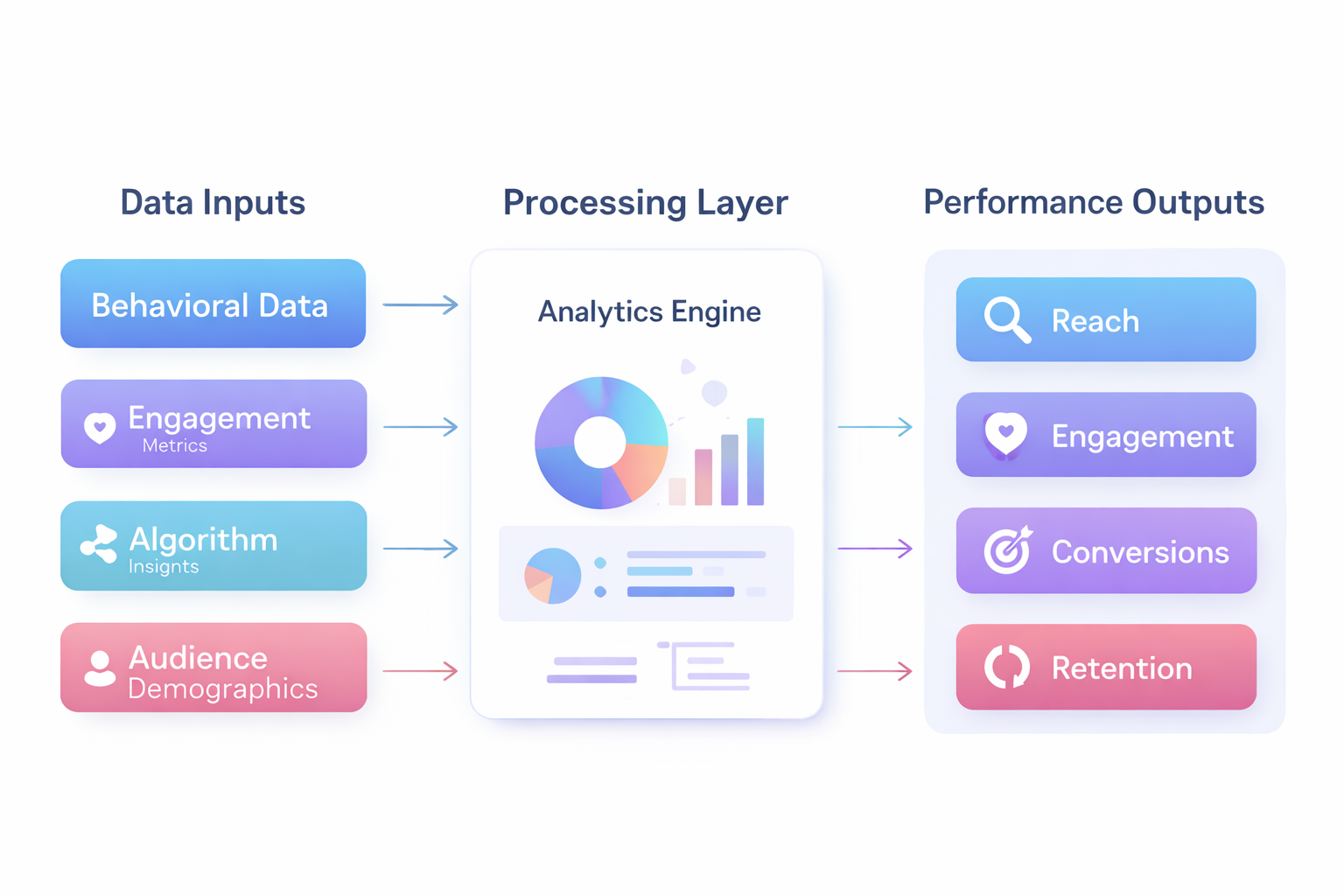
Data is the operational backbone of social media companies. Every interaction, click, view, and share feeds into algorithmic systems designed to optimize content distribution and user engagement. Understanding this data allows businesses to transform social platforms into predictable acquisition channels.
Globally, users spend an average of 2 hours and 24 minutes per day on social media, creating massive engagement opportunities for businesses that implement structured analytics systems.
A SaaS founder named Viktor initially ignored analytics dashboards. His content production remained consistent, but growth stagnated. After analyzing engagement metrics, he discovered that posts published on Tuesdays generated 3x higher reach. Adjusting his publishing schedule increased his monthly impressions by over 420%.
This illustrates a fundamental reality: social media companies reward data-driven optimization.
Engagement behavior reveals how audiences interact with content:
- Visual posts generate 650% higher engagement than text-only posts
- Short-form videos receive 1200% more shares than text and image content combined
- Consistent brands generate 2x more engagement than inconsistent publishers
- Audience interaction increases retention by 40%
- Data-driven marketing improves ROI by 15–20%
Analytics transforms social media companies from unpredictable platforms into measurable growth systems.
Professionals often integrate insights with frameworks such as social media engagement optimization systems, which align content production with measurable performance signals.
Performance Benchmarks
Benchmarks provide context for evaluating performance. Without benchmarks, businesses cannot accurately assess whether their strategies are effective.
High-performing accounts consistently outperform average metrics:
- Top-performing posts generate 5x more engagement than average posts
- Companies using structured analytics see 30% higher marketing efficiency
- Brands prioritizing video content grow audiences 49% faster
- Consistent engagement increases follower retention by 34%
- Companies leveraging analytics increase revenue by 23%
A personal brand strategist named Elena tracked engagement benchmarks monthly. She discovered her engagement rate exceeded industry averages when posting educational content. Doubling down on educational formats increased her monthly follower growth from 3% to over 18%.
Benchmarks reveal opportunities invisible without structured measurement.
Advanced benchmarking frameworks explained in social media performance metrics guide help professionals interpret performance accurately.
Analytics Interpretation
Raw data has no value unless interpreted correctly. Professionals focus on identifying patterns that indicate growth potential and performance bottlenecks.
Reach Analysis
Reach indicates content visibility. Increasing reach expands brand awareness and acquisition potential.
Optimized content improves reach by up to 300%.
A digital consultant named Andrej identified that posts with strong opening hooks achieved significantly higher reach. Adjusting his content structure increased impressions dramatically.
Engagement Analysis
Engagement metrics reveal audience interest and content effectiveness.
High-engagement content generates 3x more conversion potential.
A SaaS founder noticed posts with storytelling formats outperformed technical explanations. He shifted toward narrative-driven content, resulting in higher engagement and lead generation.
Conversion Analysis
Conversions measure business impact. This includes leads, signups, or purchases.
Companies using conversion tracking improve acquisition efficiency by 25%.
An ecommerce founder implemented conversion tracking to identify high-performing posts. Replicating those formats doubled her monthly revenue.
Retention Analysis
Retention measures audience loyalty and long-term engagement.
Increasing retention improves profitability by 25–95%.
A digital educator improved retention by publishing consistent educational content, strengthening audience trust.
Retention strategies are often integrated with frameworks described in social media community building systems.
Case Stories
Case Study: Startup Scaling With Analytics
A startup founder named Tomas struggled with unpredictable growth. His posts varied widely in performance.
After implementing analytics tracking, he discovered that product tutorial content generated significantly higher engagement.
Results within 9 months:
- Follower growth increased by 340%
- Lead generation increased by 290%
- Customer acquisition costs decreased significantly
Analytics revealed high-performance patterns.
Case Study: Consultant Optimizing Content Strategy
A consultant named Lucia analyzed her performance data and identified her top-performing content categories.
By focusing exclusively on those topics, she achieved:
- 500% increase in monthly impressions
- Tripled client inquiries
- Improved brand authority
Data-driven optimization enabled predictable growth.
Case Study: Ecommerce Brand Improving Conversion Rates
An ecommerce brand tracked conversion data across multiple content types.
The analysis revealed that demonstration videos converted significantly better.
After focusing on video content:
- Conversion rates increased by 220%
- Revenue doubled within one year
- Customer acquisition efficiency improved dramatically
Professionals often combine analytics with advanced frameworks such as social media sales funnel optimization.
Professional Promotion
Analytics enables precise promotional targeting inside social media companies’ ecosystems. Businesses can identify high-performing content and scale promotion efficiently.
Paid promotion amplifies visibility significantly. Targeted campaigns increase conversion rates by up to 50%.
A SaaS company analyzed engagement data to identify their highest-performing content. They promoted only proven posts, reducing advertising costs while increasing conversion efficiency.
Companies using data-driven promotion improve marketing efficiency by 20–30%.
Professional promotion combines analytics, structured implementation, and performance optimization into a scalable acquisition system.
Businesses integrating analytics with strategies explained in social media lead generation systems build predictable growth engines capable of generating long-term revenue.
The next section explores how social media companies enable scalable growth, operational expansion, and long-term business dominance.
Future Trends
Social media companies continue evolving rapidly, driven by artificial intelligence, creator monetization, and integrated commerce. These platforms are no longer just distribution channels—they are becoming complete business ecosystems where brands acquire customers, generate revenue, and build long-term authority.
Artificial intelligence is now a core driver of platform growth. AI-powered recommendation systems influence up to 70% of content visibility decisions, shaping what billions of users see daily. This shift means businesses must align content with algorithmic priorities to maintain visibility.
A founder named Dominik experienced this shift when AI-driven video recommendations began outperforming static posts. By adapting his strategy to produce short-form educational videos, his reach increased by over 500% in less than a year.
Social commerce is another defining trend. Platforms integrating native purchasing features are transforming content into transactional environments. Social commerce revenue is projected to exceed $2.9 trillion globally by 2026, making social media companies direct drivers of global economic activity.
Creators are also becoming independent businesses. More than 50 million people now identify as creators worldwide, demonstrating how social platforms enable individuals to build sustainable careers.
A freelance designer named Klara built her client pipeline entirely through social media content. Within two years, she eliminated traditional client acquisition methods and relied exclusively on inbound inquiries generated through platform visibility.
Video continues dominating engagement. Short-form video content generates 2x higher engagement compared to static formats, reinforcing its role as the primary growth format.
Professionals adapting to these trends gain structural advantages. Advanced strategies explained in future social media strategy guide help businesses align with platform evolution.
Another major shift involves ownership of audience relationships. Brands focusing on community-building improve retention and revenue predictability. Community-driven businesses grow revenue 2.5x faster than those focused only on acquisition.
These trends confirm that social media companies will remain foundational infrastructure for modern business growth.
Strategic Framework Recap
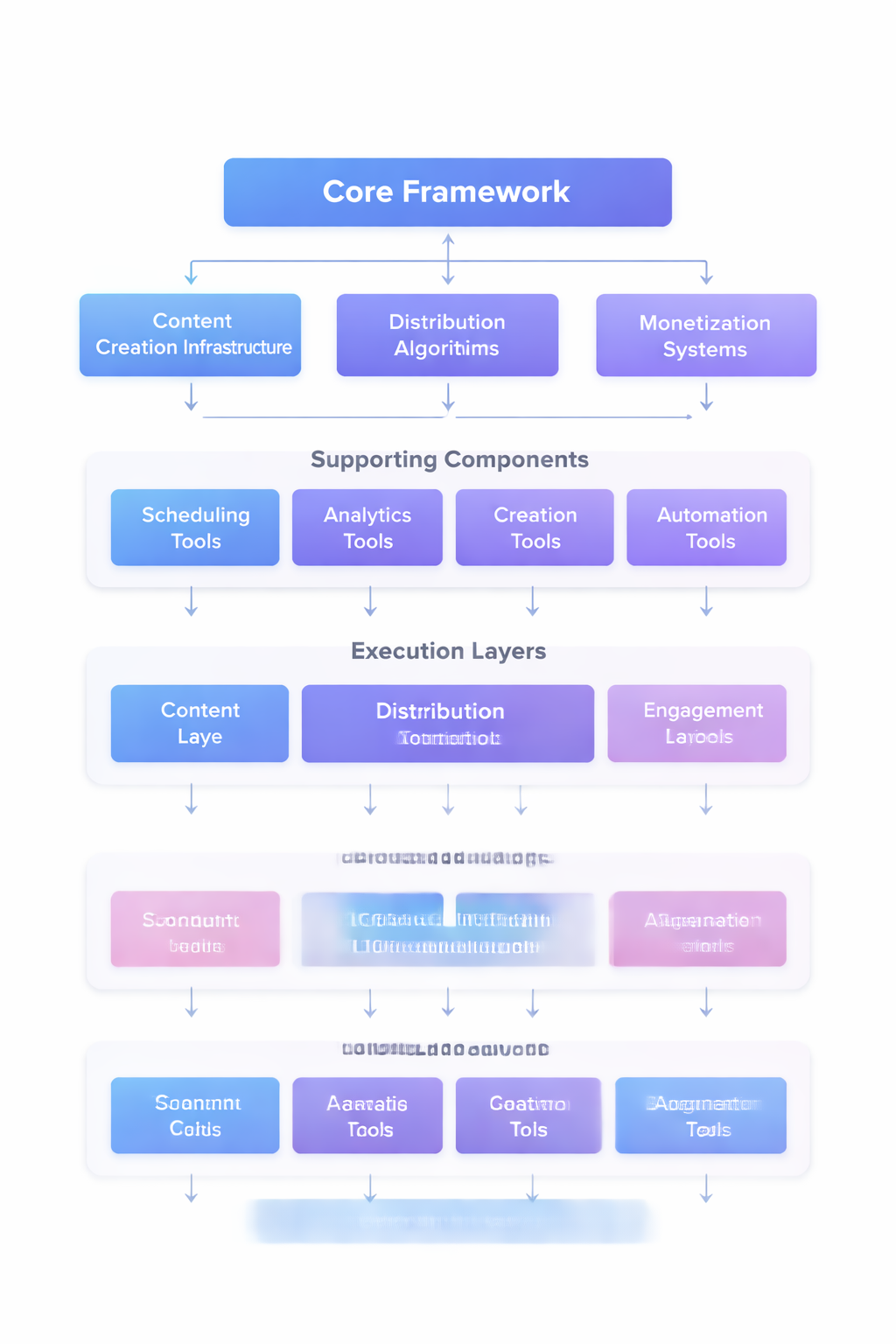
The strategic framework presented throughout this guide provides a complete system for leveraging social media companies as scalable growth engines.
The framework operates across five interconnected layers:
- Foundation layer: Understanding platform structure and algorithm dynamics
- Tool layer: Using automation, analytics, and production tools
- Implementation layer: Building consistent publishing and engagement workflows
- Optimization layer: Improving performance using analytics and feedback loops
- Scaling layer: Expanding reach, automation, and acquisition efficiency
Organizations implementing structured growth frameworks increase marketing efficiency by 20–30%, demonstrating how structure directly influences performance.
A consulting firm named Nexvia implemented this complete framework. Initially relying on outbound outreach, they shifted toward structured social media growth. Within 18 months, inbound leads increased by 480%, and social media became their primary acquisition channel.
Framework implementation guides such as complete social media growth systems provide structured execution models.
This framework transforms social media companies from communication tools into predictable business infrastructure.
FAQ – Built For Complete Guide
1. What are social media companies?
Social media companies are technology platforms that enable users and businesses to create, distribute, and monetize content. Their infrastructure allows scalable audience reach, engagement, and customer acquisition.
2. Why are social media companies important for business growth?
Social media companies provide direct access to billions of users. Businesses using structured social media strategies generate significantly higher acquisition efficiency compared to traditional marketing channels.
3. How do algorithms affect content visibility?
Algorithms evaluate engagement signals such as watch time, interaction, and relevance. Content aligned with algorithm priorities receives greater visibility and distribution.
4. How long does it take to grow on social media?
Growth timelines vary depending on consistency and strategy. Businesses implementing structured publishing systems often see measurable growth within three to six months.
5. Which content formats perform best?
Short-form video, educational content, and storytelling formats consistently generate the highest engagement and reach across platforms.
6. Can social media replace traditional marketing?
For many businesses, social media companies now serve as primary acquisition channels, reducing dependence on traditional advertising methods.
7. What tools are essential for scaling?
Scheduling tools, analytics platforms, content creation tools, and automation systems enable scalable growth and operational efficiency.
8. How important is consistency?
Consistency significantly influences algorithm visibility and audience growth. Regular publishing strengthens authority and improves reach over time.
9. Can freelancers use social media companies to find clients?
Yes. Freelancers using structured content strategies generate inbound leads, build authority, and establish sustainable client acquisition pipelines.
10. What is the biggest mistake businesses make?
The most common mistake is inconsistent execution. Businesses without structured systems fail to achieve predictable growth.
11. How does analytics improve results?
Analytics identifies high-performing content patterns, allowing businesses to optimize strategy and improve acquisition efficiency.
12. What is the long-term future of social media companies?
Social media companies will continue evolving into integrated business ecosystems combining content, commerce, and audience ownership.
Work With Professionals
Thousands of freelancers, consultants, and independent professionals struggle with one core problem: finding consistent, high-quality clients. Social media companies provide visibility, but visibility alone does not guarantee income. Structured positioning inside professional ecosystems accelerates client acquisition dramatically.
Freelancers using specialized platforms increase client acquisition success by up to 40%, demonstrating the importance of professional positioning.
A freelance marketing strategist named Pavel spent years searching for clients through cold outreach. After positioning himself inside a professional marketplace environment, he began receiving inbound inquiries regularly. Within months, he transitioned from inconsistent freelance work to a fully booked client pipeline.
Professional ecosystems simplify discovery, credibility, and trust. Instead of chasing clients, professionals become discoverable by businesses actively searching for expertise.
This creates a predictable acquisition system where opportunity flows directly to skilled professionals.
Freelancers, consultants, and service providers seeking consistent client acquisition can position themselves where businesses actively search for talent and expertise.
 Filip Konecny Enterprises